
 As we connect with nature we feel more alive and at one with other living beings. Getting a breath of fresh air is also great for renewing mind and body. Research has found that being in nature helped in emotional regulation and improved memory functions and built attention and focus. Another study found that being in nature was perceived as more calming and had more stress-reductive effects. Being in nature provides grounding, lifts your mood and boosts your self-esteem.
Whilst outside, go about mindfully so that you actually connect with the natural world, rather than just move around in it. Connecting with nature has shown to improve mental and physical health while also helping you see the world and life from a different perspective. The moment you step outside, even if you don’t feel like it, look up; notice the clouds, flora and fauna, and you suddenly realise how small we are in the grand scheme of things, which can make it feel like your troubles melt away.
But what if it’s cold and wet?
Bad weather is good for you, says scientific research. The blustery winds, driving rain and biting cold are actually a tonic for body and soul. Exposure to the elements can boost our physical and mental wellbeing. During the cold and wet days of January, it can be tempting to avoid the outdoors. However, by doing this we cut ourselves off from nature and the many benefits it can bring to our lives – particularly in boosting the energy and balance of our mind, body and soul. It is a great opportunity to practice mindfulness and remind us of our place in the world. Nature and the elements are vast and universal. What we can learn from embracing bad weather is that we’re only a tiny cog in this whole system and that, like the weather, life is unpredictable and beauty can be found in every moment.

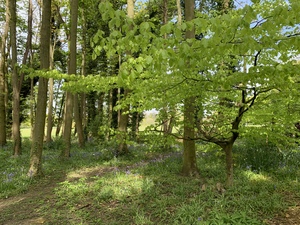 Connection with nature is essential for wellness. Latest research has shown that 10 to 20 minutes (and up to 50 minutes) of sitting or walking in a range of natural settings led to significant health improvements. These included reduced heart rate, blood pressure and cortisol, improved mood and reduced anxiety. It is suggested to incorporate nature exposure into our every day lives as an effective way of combating stress and mental ill-health reports