Health

How Nature Rewrites Your Relationship With Your Body

Wellbeing & The Mind-Body Connection

You already know that time outdoors calms the nervous system. Now a landmark study spanning 58 countries and over 50,000 people has uncovered something more surprising: nature may be one of the most powerful, accessible tools we have for healing the way we see and feel about our own bodies.

We can eat well, move our bodies, sleep deeply, and still feel disconnected from ourselves. Something is missing for so many of us, and research suggests it’s simpler than we think. In the UK and America, most of us spend about 90% of our time indoors, disconnected from the natural rhythms our nervous systems evolved within. New findings published in Environment International suggest that stepping back outside may restore something essential: a kinder, more compassionate relationship with our own bodies.

What the research found

Across every age group, gender, and country studied, time spent in nature was consistently linked to greater self-compassion. That self-compassion, in turn, was associated with a more positive body image, and a more positive bodyimage was linked to greater overall life satisfaction. The pathway is clear: nature nurtures self-compassion, self-compassion nurtures body image, and body image nurtures how fulfilled we feel in our lives.

Nature Doesn’t Change Your Body. It Changes Your Thoughts

This is where the finding becomes truly meaningful for anyone doing inner work. Nature doesn’t alter our physical appearance. What it shifts is the lens through which we view ourselves. Outdoors, attention naturally moves away from how we look and toward what we’re experiencing: the ground beneath our feet, the air on our skin, the sound of birdsong. That shift, from appearance to experience, is where self-compassion has room to grow. It is one of the few spaces left where we are simply present, unobserved and unjudged, which makes it fertile ground for self-kindness and compassion

Why This Happens: The Science Behind the Shift

Soft fascination, not demand

Natural environments offer what researchers call “soft fascination”: gentle, engaging stimuli that hold our attention without draining it. Unlike the constant switching and stimulation of urban and digital life, nature allows the mind to wander in a calm, meditative way, which is precisely the state that supports compassionate, mindful self-awareness.

A pause from comparison

So much of our day is spent absorbing images and messaging that quietly tell us how we’re “supposed” to look. Nature offers a genuine pause from that noise, giving us permission to simply be, rather than to be evaluated.

Cognitive quiet

Natural settings ask less of our attention than built environments do. That reduced demand creates a sense of cognitive quiet, which helps release tension held in the body and heightens our awareness of positive physical sensations rather than perceived flaws.

Awe and perspective

Time in nature often brings on awe: that unmistakable feeling of being part of something far greater than ourselves. Awe has a beautiful effect on self-perception. As our sense of the bigger picture expands, our focus on perceived physical imperfections tends to soften, making space for self-acceptance to rise.

The Wider Ripple Effect on Wellbeing

Improved body image and self-compassion are far from the only benefits nature offers our mental and emotional world. A growing body of research, including my own, including my own, links time in green spaces with:

  • Lower levels of stress and anxiety
  • Reduced rumination and self-critical thought loops
  • Greater capacity to regulate emotion
  • Enhanced ability to focus and pay attention
  • A stronger sense of mindfulness and presence

Even brief exposure, as little as ten minutes of genuinely paying attention to your surroundings, appears to have a more profound calming effect than a full hour outside spent scrolling on a phone. The presence, not just the location, is what creates the benefit.

Your Invitation This Week

Choose one place outdoors, a garden, a park, a tree-lined street, and give it ten unhurried minutes without your phone. Notice what your body can do and how it moves. Let your senses lead: the temperature of the air, the texture of the ground, the sounds around you. This is a simple, evidence-backed way to come home to yourself, one gentle breath at a time, enjoying ease, presence, and the nourishing power of nature.


Food

Eating Well at Every Age

Why a Healthy Relationship with Food Matters More Than Perfection

Eating should be simple. It should keep us nourished, alive, well and bring some pleasure along the way. Yet for many of us, food becomes tangled up with guilt, rules, stress and worry. In a new book How to Eat Well at Every Age – Professor Jane Ogden offers a refreshing, psychology-led reminder: eating well isn’t about perfection. It’s about being good enough – for life.

Ogden’s book draws on nearly four decades of academic work alongside her passion for making psychology practical and accessible. Her central message is clear: developing a healthy relationship with food matters just as much as nutrition itself, from childhood right through to older age.

What Does “Eating Well” Really Mean?

At its core, healthy eating still involves the basics we know: plenty of fruit and vegetables, moderate protein, complex carbohydrates, and less fat, sugar and ultra-processed foods. But as Ogden emphasises, eating well is about far more than what’s on the plate

It’s also about when, where, why, and how we eat.

Planning meals in advance and eating at regular times helps reduce impulsive choices. Creating proper “eating spaces”, rather than eating in the car, at a desk, or on the go, helps us pay attention to food and actually remember eating it. Sitting down, minimising distractions and calling it “a meal” all support mindful eating.

One of the biggest challenges is emotional eating. While food can soothe in the short term, it often brings guilt and shame later. Ogden encourages finding non-food ways to regulate emotions, such as fresh air, music, conversation, while allowing food to do its real job: managing hunger.

Raising Children Who Trust Food – and Their Bodies

When it comes to children, Ogden argues that the relationship with food matters more than perfect nutrition. Children need guidance, but they also need food to feel safe and normal. She frames good food parenting around three pillars:

1. Be a role model

Children learn by watching. Eating together as a family, enjoying vegetables, stopping when full, being active and showing body confidence all send powerful messages without  lecturing.

2. Say the right things

Language shapes a child’s “food and body script” for life. Positive, neutral language about food support healthy approaches to food and bodies. Praising children for who they are, not how they look, matters deeply.

3. Manage the environment

Children can only eat what’s available. Stock the house with healthy food, keep fruit within reach, limit ultra-processed meals, turn off screens at mealtimes and persist with vegetables even when they’re rejected. Familiarity is often the key to acceptance.

Eating Well in Adulthood

For many adults, eating becomes synonymous with weight control. Diets, medications and surgeries promise solutions, yet often reinforce the idea that food is a problem. Ogden highlights that lasting change rarely comes from restriction alone. Instead, sustained healthy habits tend to emerge when people choose the right moment to change, believe change is possible and gradually build new routines into their identity. Whether the goal is eating more vegetables, cooking more meals, or reducing meat, success comes from embedding change into who you are, not from resisting food. This approach reduces rebound effects and allows eating well to feel natural.

Later Life: Eating Enough

As we age, the challenge often flips. Instead of overeating, many older adults struggle with undereating, weight loss and malnutrition. Appetite changes, routines shift and cooking can feel like too much effort. Ogden’s advice here is compassionate and practical: aim for good enough. Smaller, regular meals, social eating, supplements when needed and eating foods you enjoy all help maintain health. Food also becomes a vital connector, offering reasons to socialise, structure the day and maintain a sense of identity and pleasure.

Supporting Others to Eat Well as They Age

Caring for someone else often means caring through food. Making eating easy, sociable and enjoyable matters more than rules. Shopping, cooking, eating together and linking food to social activities can all help.
Ogden also highlights the importance of how we talk about bodies and weight. Praise should focus on health and vitality – “you look well,” “you’re looking stronger” – rather than weight gain, which can still trigger discomfort and stigma even in underweight individuals. In care settings, offering choice, encouraging social meals, providing snacks and using food to draw people into shared spaces can significantly improve wellbeing, confidence and mood.

A Lifelong Relationship Worth Protecting

The core message of How to Eat Well at Every Age is both simple and profound: Eating well is not just about nutrition—it’s about psychology, identity, relationships and kindness to ourselves and others. Feeding ourselves or those we care for imperfectly is human. But turning food into a problem is far more damaging. By aiming for “good enough,” we can nourish our bodies, protect our mental wellbeing and allow food to return to where it belongs – a supportive, enjoyable part of life.

How to Eat Well at Every Age by Professor Jane Ogden is published by Routledge in partnership with the British Psychological Society.

Food

Recovering the Lost Art of Home Cooking

Rekindling Nourishment This Christmas

In a world that moves fast, scrolls screens and delivers meals to our door in minutes, home cooking has quietly become a lost art. We still enjoy our food, we’ve just become disconnected from the slow, sensory magic of preparing it.

This Christmas, let us return to the kitchen – not with pressure, perfectionism, but with simplicity, presence and nourishment. Home-cooked meals don’t need to be elaborate to be healing. And that fruits and vegetables – nature’s most vibrant medicines – are powerful allies in grounding, nourishing and reconnecting us to true wellbeing. This season is the perfect time to rekindle a gentle, joyful relationship with cooking.

Why Home Cooking Matters for Wellness

Home cooking is about wellness, ritual and connection. When you cook, you naturally:

  • slow down
  • tune into your senses
  • return to the present moment
  • reconnect with your body’s needs
  • nourish yourself and others on a deeper level.

Cooking becomes an act of grounding, a way to settle the nervous system and create warmth in both the home and the heart. In winter especially, when your body craves comfort and your mind needs ease, simple homemade meals can support immunity, improve digestion and lift your mood.

A Return to Simplicity in the Kitchen

The biggest misconception about home cooking is that it has to be time-consuming or complicated. The truth is: simple food is healing food.

This Christmas, embrace minimalism in the kitchen:

  • a handful of fresh vegetables roasted with olive oil
  • a warm fruit compote simmered with cinnamon
  • hearty soups that take 10 minutes of chopping and do the rest on their own
  • colorful salads layered with citrus, pomegranates, nuts, or herbs.

These dishes don’t require advanced skills – just a willingness to be intentional. Simplicity also invites creativity. Start with what’s fresh, seasonal and available.

Let Fruits and Vegetables Be the Stars

Fruits and vegetables are nature’s wellness gifts. They hold the very nourishment that helps us stay energised, balanced and resilient. Bring them back to the centre of your Christmas meals:

1. Winter Fruits for Comfort and Vitamin Boosts

Citrus, apples, pears, pomegranates, cranberries – these fruits help support immunity, offer antioxidants and bring colour to festive plates.

Enjoy:

  • sliced oranges drizzled with honey and cinnamon
  • warm baked apples stuffed with nuts and dried berries
  • a festive fruit platter with mint and dark chocolate shavings.

2. Seasonal Vegetables for Warmth and Grounding

Root vegetables, squash, leafy greens and cruciferous veggies provide steady energy, fibre and deep nourishment.

Enjoy:

  • roasted carrots and parsnips
  • creamy butternut squash soup
  • sautéed Brussels sprouts with lemon and garlic
  • kale salad with cranberry vinaigrette.

When fruits and vegetables become the foundation of your meals, everything feels brighter, healthier and more vibrant, enhancing joy and comfort.

Bringing the Heart Back Into the Kitchen

Rekindling the art of home cooking is about the relationship you form with the food and cooking.

This Christmas, enjoy:

  • Cooking as Ceremony

Light a candle. Play soft music. Let this be a moment to unwind, not another task on your list.

  • Savouring the Senses

Feel the textures. Smell the spices. Listen to the sizzle. Let cooking anchor you in your body.

  • Sharing the Experience

Invite a loved one to prepare food with you. Make a simple recipe with a child. Prepare a nourishing dish for someone who needs care.

  • Taking Pressure Off

This isn’t about perfection. It’s about nourishment. Use what you have. Keep it simple (the best tasting food is always the easiest to make).

The Gift of Nourishment

When you cook at home this Christmas, you’re offering yourself far more than a meal. You’re giving your body nutrients, your mind stillness and your spirit connection. You’re creating warmth from the inside out. You’re forming rituals that strengthen your wellbeing long after the holidays end.

This season, let the kitchen become a place of healing again. Let fruits and vegetables bring colour, vitality and balance to your table. And let simplicity guide you into a renewed, heartfelt relationship with nourishment. Because the most meaningful gifts are often the ones we create with our own hands.

Mindfulness

Finding the Magic in Winter

Reconnecting With Nature’s Quiet Wisdom
Winter can be a challenging season. We’re conditioned to perceive it as cold, harsh or stagnant. But when we soften into it mindfully, winter can reveal its unique quiet, potent magic. Winter invites us to slow down, look inward and reconnect with nature in ways that are subtle, intimate and deeply restorative. Instead of pushing against the cold or longing for spring, we can choose to lean into the rhythm of the season and let it support our wellbeing.

Here we explore ways to find the magic in winter by reconnecting with the natural world around you.

1. Let the Quiet Become Your Sanctuary

Winter hushes the world. Snow absorbs sound. Bare trees soften the landscape. There’s a natural stillness that encourages us to pause. Spending even a few moments outside, breathing into a cold morning, listening to the sound of the breeze, can create space for clarity, grounding and emotional reset. Nature’s quiet becomes a mirror for your own inner quiet.

Mindfully step outside at dawn or dusk. Notice what you hear. Notice the quiet. Let the silence settle your system.

2. Connect With the Elements You Can Feel

Winter invites a more tactile relationship with nature. Feel the crisp air on your cheeks. Notice the way your breath clouds in the morning light. Watch frost forming delicate patterns on the window. These small moments awaken your senses and bring you fully into your body.

There’s magic in how the world changes texture this time of year – sharper, brighter, cleaner, slower. Let yourself be touched by the season.

3. Follow the Seasonal Light

Winter light is its own kind of medicine as it glows low, golden and soft. It stretches long shadows and turns even mundane landscapes into something poetic. Take slow walks during the short daylight hours and notice how the light shifts through the trees, across rooftops or over snow. Let the gentle glow be a reminder that illumination still exists, even in the darkest months.

4. Observe Nature’s Rest and Honour Your Own

Look around: trees release their leaves, animals retreat to burrows, plants go dormant. Everything is resting, conserving, regenerating. Winter gives us permission to do the same. Instead of seeing rest as laziness or inactivity, see it as nature’s wisdom. A necessary part of the cycle. A preparation for growth. A nourishment beneath the surface. Your body and mind crave this seasonal pause. Honour it.

5. Seek the Small, Hidden Signs of Life

Even in winter’s stillness, the earth is never truly asleep. There is subtle life everywhere:

  • buds forming on bare branches
  • birds adapting their songs
  • the tracks of animals in fresh snow
  • moss staying vibrant green
  • winter berries adding spots of colour.

When you start looking for these small signs, you reconnect with nature’s resilience, and so your own. These are tiny reminders that life continues. Light returns. Renewal is inevitable.

6. Create Seasonal Rituals

Magic grows in ritual. Light a candle at sunset to honour the early darkness. Brew tea from leaves, herbs and spices like ginger and cinnamon. Sit near a window and watch the weather shift. Keep a winter journal where you record what you observe outdoors. These rituals reconnect you with the rhythm of the earth, helping your nervous system feel synced, safe and supported.

7. Let Winter Slow You and Teach You

Winter is the season of introspection. The season that teaches us:

  • how to be still
  • how to listen
  • how to trust the unseen
  • how to slow down and restore ourselves
  • how to let the inner world matter just as much as the outer.

Winter magic is not loud or showy. It’s subtle, quiet and deeply felt. It asks us to be present, to soften, to slow down and to notice the beauty in the barren.

Finding Wonder in the Wintering

When you allow yourself to connect with nature during winter, you reconnect with your own essence. You remember that your life, like the seasons, has cycles of expansion and contraction, movement and stillness, light and shadow.

Winter is a void, a vessel for transformation, a space for healing, a pause before the next bloom. There is magic here for you to notice and to let in.

Magical books great for gifts:
Wintering by Katherine May
How to Winter by Kari Leibowitz

Food

Clearer Vision, Healthier Life

How to Care for Your Eyes Naturally

Modern life isn’t kind to our eyes. Hours spent indoors under artificial light, constant screen time and lengthy scrolling all take their toll. It’s no surprise that short-sightedness (myopia) is on the rise worldwide, with estimates suggesting that by 2050, half of the global population will need some form of corrective lenses. But here’s the good news: experts like neuro-optometrist Dr Bryce Appelbaum believe that, with the right lifestyle changes, vision exercises and a little time outdoors, we can protect and even improve our eyesight at any age.

Vision vs Eyesight

Many people think of eyesight simply as how clearly they can see. But vision is broader; it’s how the brain interprets, organises and responds to what our eyes take in. Strain, blurry vision, headaches and brain fog are often signs of a stressed eye-brain system. When overloaded with screen use and indoor living, this system struggles. Supporting vision health means supporting overall brain health, balance, attention and even emotional wellbeing.

Train Your Eyes, Strengthen Your Focus

Dr. Appelbaum suggests simple habits can protect your eyes from strain and slow age-related decline:

  • The 20-20-20 Rule: Every 20 minutes, take 20 seconds to look at something 20 feet away – ideally a tree, the horizon or anything outdoors.
  • Eye “push-ups”: Shift your focus from something close (like your finger) to something distant, holding each for five seconds. This builds flexibility in the focusing muscles.
  • Eye stretches: Move your gaze up, down, left, right to keep muscles working smoothly. These micro-movements, much like stretches for the body, strengthen stamina and help delay the need for stronger prescriptions.

Why Nature Is Your Eye’s Best Friend

Our visual system evolved to scan open horizons, not a tiny screen inches from our face. Time outdoors relieves “tunnel vision” and calms the nervous system. When we walk in nature, the constantly changing scenery engages both central and peripheral vision, improving balance and reducing stress. Gazing at distant hills or trees not only rests tired eyes, it also signals to the brain that you’re safe.

What to Eat for Eye Health

Nutrition plays a crucial role in maintaining clear vision and protecting eye tissues. The best foods for eye health include:

  • Leafy greens like spinach, kale and collards; packed with lutein and zeaxanthin, antioxidants that protect the retina from UV damage.
  • Egg yolks, another rich source of lutein.
  • Citrus fruits high in vitamin C, helping reduce the risk of macular degeneration.
  • Carrots, sweet potatoes and squash, all high in beta-carotene (a precursor to vitamin A).
  • Oily fish like salmon, sardines and mackerel, rich in omega-3 fatty acids, which support retinal health and reduce dry eye.

Eating for eye health is the same as eating for brain health, because the two are deeply connected.

Light, Sleep and Healthy Habits

Screens before bed or first thing in the morning disrupt circadian rhythms by sending the wrong signals to the brain’s melatonin system. For better sleep (and sharper daytime focus), swap bedtime scrolling for a real book and greet the day with natural sunlight instead of blue light.

Clearer Eyes, Brighter Life

Eye health isn’t just about avoiding glasses; it’s about supporting your brain, your body and your wellbeing. By eating nutrient-rich foods, building simple vision exercises into your day and reconnecting with the natural world, you can give your eyes (and your mind) the care they deserve.

In his book, Eye Power, Dr. Appelbaum suggests, improving vision is possible at any stage of life. Sometimes, all it takes is stepping away from the screen, looking up at the sky, and letting your eyes rediscover the world in its full, vivid clarity.

Health

The Scents of Summer for Well-Being


Harnessing the power of nature’s fragrances for your health

During the summer months, when there’s an array of pleasant natural scents in the air, there’s great opportunity to include the sense of smell in your natural mindfulness. These summer fragrances are more than just pleasant aromas. Research is showing that the natural scents of plants can have tangible effects on our health, mood, and overall well-being. It’s a natural aromatherapy, backed not just by tradition or folklore, but by science. Professor Kathy Willis, author of Good Nature, emphasises that plant scents are “hidden gems of nature,” able to support health in subtle but profound ways – from calming anxiety to improving memory.

1. Lavender: The Scent of Restful Nights

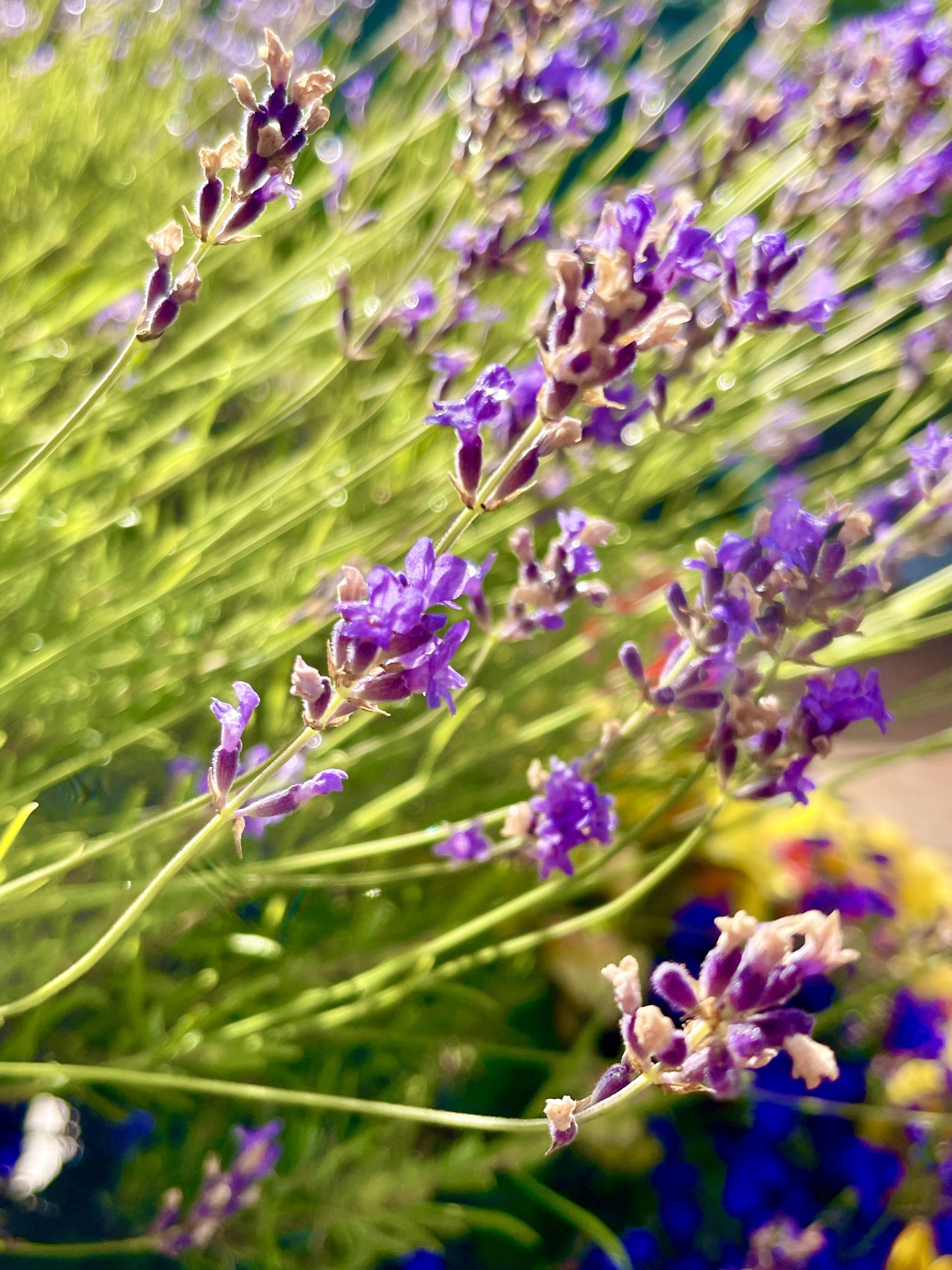
There’s a reason lavender is a staple in sleep sprays and night-time teas. Scientific studies conducted in sleep chambers show that lavender can increase slow-wave deep sleep and the overall length of sleep. A few drops of lavender oil in your bedroom diffuser or a stroll past a blooming lavender bush in the evening could help reset your sleep cycle this summer.

2. Pine: A Breath of Calm

Whether you’re hiking through a pine forest or catching the whiff of a pine-scented breeze, the scent of pine can reduce anxiety within just 90 seconds. Studies have documented the clear physiological relaxation responses tied to pine, making it a powerful tool for calming the nervous system. A forest walk might just be nature’s best stress-relief session.

3. Rosemary: for Focus and Clarity

Rosemary is a brain booster. The scent compounds in rosemary stimulate neurotransmitters that support alertness and focus. Keep a rosemary plant in your kitchen or garden, or rub a sprig between your fingers for a natural energy lift during that afternoon slump.

4. Roses: for Relaxation and Calm 

Even a brief inhale of rose scent—just 90 seconds—can reduce stress and promote relaxation. In a fascinating study, participants exposed to the smell of roses while driving showed slower, safer driving and reported feeling more relaxed. Rose essential oil or a fresh-cut bouquet in your home or car can help you carry that calm with you.

5. Citrus: Uplifting and Healing

Citrus scents like lemon and orange don’t just make us feel refreshed—they may help reduce lung inflammation, according to early research on d-limonene, a key compound in citrus peel. This summer, consider zesting citrus into your water or using citrus-scented oils to support your respiratory health.

6. Cedar and Cypress: The Immune-Boosting Woods

The grounding, woody-peppery scents of cedar and cypress do more than connect us to nature—they appear to elevate levels of natural killer (NK) cells in the body. These immune cells are vital in the defense against viruses and even some cancers. Time spent in cedar forests or using cedarwood essential oil could be a wise immune investment.

7. Peppermint: Stay Sharp and Cool

That invigorating minty aroma from peppermint isn’t just a sensory delight—it’s also a cognitive enhancer. The carvones found in mint plants stimulate brain areas responsible for memory and alertness. Chewing minty gum or sipping on peppermint tea can help keep your mind sharp and focused through long summer days.

8. Sage: The Wise Herb

Traditionally associated with wisdom, sage is now being recognised by science for its cognitive-enhancing properties. The earthy, slightly peppery aroma of sage has been linked to improved memory and mental clarity. Smudging, diffusing sage essential oil, or simply crushing the leaves between your fingers can unlock its powerful scent-based effects.

How to Bring the Cents of Summer Into Your Life

  • Grow a summer scent garden: Lavender, rosemary, sage and mint all grow well in pots or beds with enough sun.

  • Take mindful nature walks: Visit pine or cedar-rich areas and pay close attention to the fragrances around you.

  • Use essential oils safely: Add a few drops to a diffuser, bath, or natural cleaning spray.

  • Make a summer scent sachet: Combine dried lavender, rosemary, and mint in a cloth pouch to keep in your car or under your pillow.

This summer, enjoy nature’s fragrances for greater wellness. The scents that surround us in summer aren’t just pleasant—they’re powerful when it comes to health and happiness.