Health

Mindful Nature Connection in Spring


The Season of Renewal, Mindfulness, and Wellness

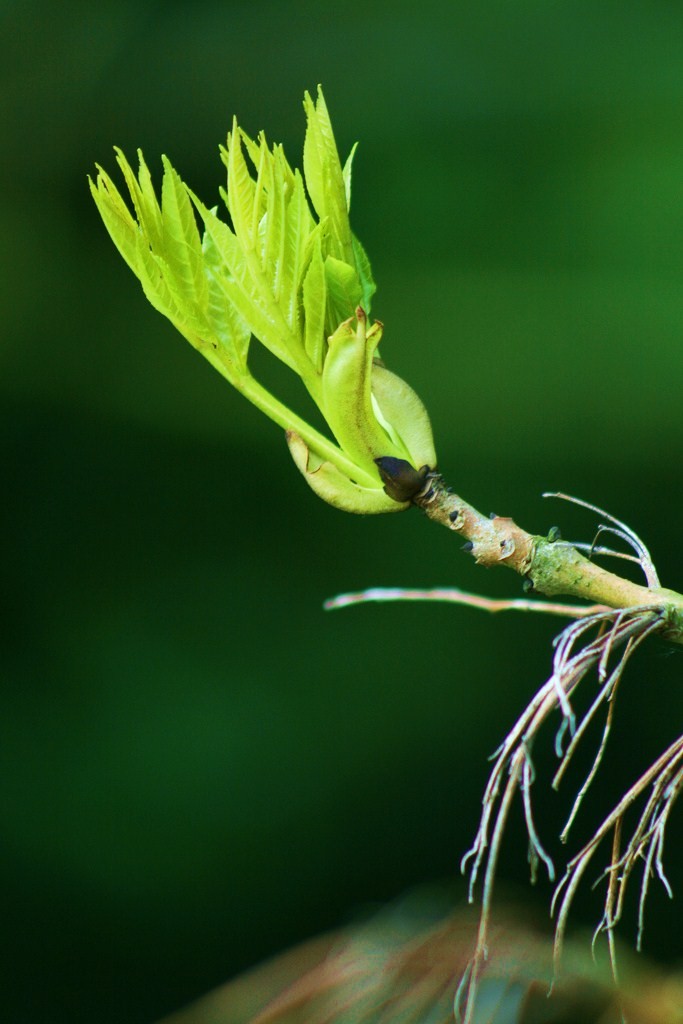
As the days grow longer and the air carries the fresh scent of blooming flowers, spring emerges as a season of renewal and vitality. Nature awakens from its winter slumber, and with it comes an invitation to embrace the energy of new growth—not just in the natural world, but within ourselves.

Spring is a powerful time to reconnect with nature and practice mindfulness, allowing us to align with the rhythm of the season and cultivate a sense of well-being. The fresh greenery, delicate blossoms, and the joyful chorus of birdsong remind us to slow down, breathe deeply, and appreciate the present moment.

The Vitality of Spring: A Natural Energy Boost

Spring is synonymous with new life—buds burst open, trees unfurl their fresh green leaves, and the earth hums with energy. This transformation in nature can be deeply inspiring, encouraging us to shed the heaviness of winter and embrace new possibilities. Taking time to observe the changes around us, whether it’s the first cherry blossoms or the return of migrating birds, helps us cultivate awareness and gratitude for the beauty of the world.

Spending time outdoors in spring can invigorate both body and mind. Sunlight provides a natural boost of vitamin D, improving mood and energy levels. The scent of fresh flowers, the feel of warm breezes, and the sound of rustling leaves all contribute to a heightened sensory experience, drawing us into a deeper connection with the world around us.

Mindfulness in Bloom: Being Present with Nature

Springtime offers countless opportunities to engage in mindfulness practices. Here are a few simple ways to cultivate awareness and wellness during this season:

1. Take a Nature Walk: Strolling through a park, forest, or garden, focus on the sights, sounds, and scents. Notice the colours of the flowers, the buzzing of bees, the warmth of the sun on your skin. Walking mindfully can help clear the mind and reduce stress.

2. Practice Grounding: Stand barefoot on fresh grass or soft earth. Feel the connection between your body and the ground, allowing yourself to be fully present in the moment. This simple practice can help bring a sense of stability and calm.

3. Listen to Birdsong: The melodies of birds in spring are a natural form of sound therapy. Close your eyes and listen to their joyful calls, letting the sound wash over you like a meditation.

4. Observe New Growth: Take time to notice how nature changes each day—tiny leaves unfurling, blossoms appearing, or the first butterflies flitting about. This practice of observation fosters patience and appreciation for slow, steady transformation.

5. Garden or Plant Something New: Tending to plants, even if it’s just a small pot of herbs, is a grounding activity that strengthens our connection to nature’s cycles. Planting seeds and watching them grow mirrors our own personal growth and renewal.

A Season of Personal Growth and New Beginnings

Spring is not just a season of external change but also an opportunity for inner renewal. Just as nature sheds the old to make way for the new, we, too, can use this time to let go of what no longer serves us—whether it’s limiting beliefs, stress, or habits that hold us back.

Spring’s energy encourages us to take action on our intentions, embrace fresh opportunities, and step forward with optimism. It’s a time to nourish our bodies with seasonal foods, move more, and embrace creativity and spontaneity. By aligning with the rhythm of the season, we can cultivate a sense of wellness that carries us into the months ahead.

As you step into spring, take a moment to pause and immerse yourself in the beauty of the season. Breathe in the fresh air, listen to the whisper of the wind through the trees, and allow yourself to be present in the here and now. Nature’s renewal is an invitation—embrace it with an open heart and let it guide you toward greater mindfulness, joy, and well-being.

What did participants in our research in Mindful Nature Connection and Mental Health reveal through their personal experiences? Read more here.

Health

How Nature Can Lift Your Mood 


Enjoying Nature in the Colder Months

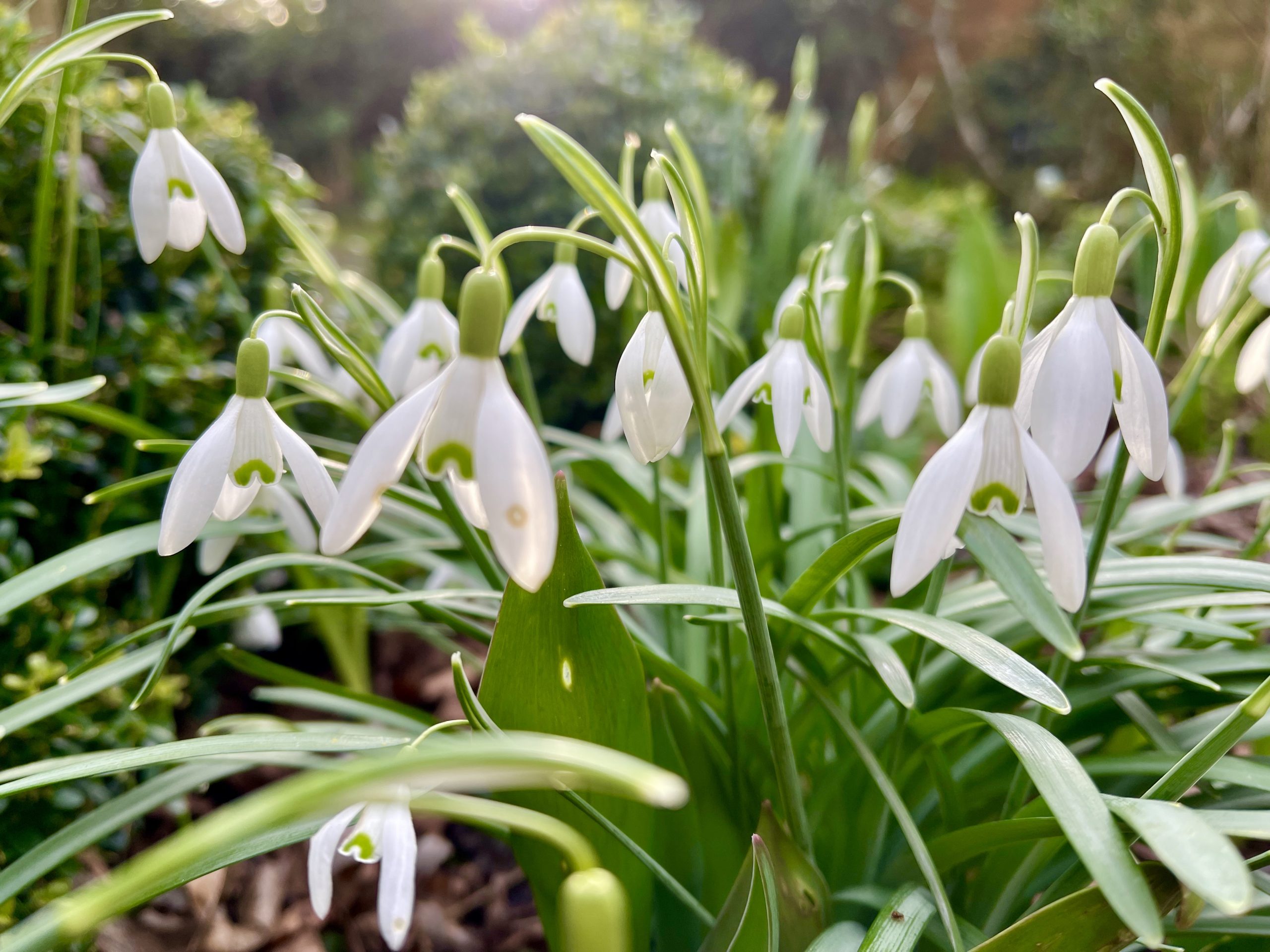
Winter, with its long nights, damp days, and fleeting sunlight, can be challenging for many, impacting mood, energy and overall mental health. But what if the very thing that feels like a challenge—venturing outdoors—could be the key to feeling better?

The Science of Light and Movement

Seasonal changes can disrupt our levels of serotonin and melatonin, two hormones crucial for mood and sleep. Exposure to natural light—even on overcast days—helps regulate these levels, improving both mental clarity and emotional well-being. Physical activity, especially when immersed in nature, further boosts these effects. Whether it’s a brisk walk, a cycling trip, or a moment of stillness beside water, time outdoors has been shown to lower stress, enhance immunity, and foster a sense of calm.

Lessons from Lapland and Japan

Helen Moat, author of While the Earth Holds its Breath, explored the power of nature during her personal journey to combat winter anxiety. From the snowbound landscapes of Lapland to the ancient forests of Japan and the rugged beauty of Britain, her experiences reveal how nature itself offers a powerful antidote to the winter blues.

The author found inspiration in two regions where Seasonal Affective Disorder (SAD) is practically unknown. In Lapland, where the sun barely rises in winter, locals remain deeply connected to the outdoors. They cycle, ski, and fish, embracing the dim, snowy landscapes that reflect even the faintest light. Similarly, in Japan, the concept of shinrin yoku (forest bathing) highlights the restorative power of unhurried time in the woods. Japanese culture reveres winter, seeing it as a season of reflection and balance, rather than a period to endure.

Bringing the Lessons Home

You don’t need to travel far to experience the benefits of nature. Even a walk in a local park can awaken your senses. The crunch of leaves, the scent of pine, and the vastness of a starlit sky can be invigorating. Rainy days, too, hold their own magic, offering solitude and stillness in a bustling world.

Whether it’s exploring coastal paths, wandering through woodlands, or simply stepping outside to marvel at the frost-covered ground, winter invites us to slow down and reconnect. The darker months also remind us of the cyclical nature of life – just as trees lie dormant in winter to conserve energy, we too can use this season to reflect and recharge.

Rediscovering Joy

Nature’s rhythms teach us to embrace transition and impermanence. By stepping out into the cold and dark, we not only combat lethargy but also heighten our appreciation for spring’s returning light and warmth.

Whether you find yourself by the sea, in a forest, or simply under a winter sky, remember that nature holds the answers to boosting your health and lifting your mood, no matter how dark or cold it may feel.

For more insights, explore Helen Moat’s book, While the Earth Holds its Breath, now available in paperback.

Health

Embracing Winter

Lessons from the Arctic and Beyond


When Kari Leibowitz moved to Tromsø, Norway—a city inside the Arctic Circle known for its long, dark winters—she anticipated battling winter blues and harsh conditions. Instead, she discovered an entirely new mindset: one that transformed her relationship with the season. Her book, How to Winter, highlights how we can all embrace the colder months.

Leibowitz’s insights, coupled with expert advice, reveal that thriving during winter isn’t just about surviving—it’s about reframing the season as a time for joy, rest, and renewal. Here’s how you can embrace winter, based on her findings and practical strategies.

1. Shift Your Mindset

Mindset is key to enjoying winter. People in Tromsø taught Leibowitz that instead of viewing winter as an obstacle, it’s possible to see it as an opportunity. This doesn’t mean ignoring the challenges, but rather finding positives within the season. For example:

  • Celebrate winter’s unique features: Think of cozy evenings, snowy landscapes, or the peacefulness of winter nights.
  • Reframe your conversations: Instead of complaining about the cold, highlight something you like: “The frost on the trees is beautiful,” or “I love how warm my sweater feels.”
  • Shift your focus: The goal is to shift your focus from what winter prevents you from doing to what it uniquely allows you to enjoy.

2. Embrace the Slowed Pace

Use this time of shorter days and cooler temperatures to build in extra rest:

  • Take naps or go to bed earlier.
  • Schedule restorative activities like yoga or a mindful walk.
  •  Say no to extra obligations to prioritise downtime.

By embracing rest rather than resisting it, you can avoid fatigue and flu and instead restore health and energy.

3. Bring Nature Inside

Winter’s darkness can dampen your mood, but small changes to your home can brighten your spirits.

  • Lighting: Use full-spectrum light bulbs to mimic natural light, or add warm-toned lighting for a cozy relaxing ambiance.
  • Scents: Surround yourself with scents that evoke happy memories, like fresh pine, peppermint, or baked cookies.
  • Plants: Indoor greenery can combat the winter blues. Consider low-maintenance options like pothos or snake plants, or bring your outdoor plants inside for the season.

These sensory changes create a nurturing space that feels like a refuge during the colder months.

5. Commit to Outdoor Time

Leibowitz recommends spending at least 15 minutes more outside each day. Whether it’s sipping coffee on the porch, taking a walk, or biking to work, fresh air and movement are natural mood boosters. Going outside regularly, is a key Norwegian strategy for maximising fresh air, embracing and enjoying winter. Despite their long dark nights, Norwegians and other Scandinavian countries like Denmark are consistently the happiest people in the world. Moving our bodies, being in nature and breathing fresh air are all natural antidepressants, and an antidote to the “winter blues”.

  • Dress for the weather. Invest in warm, comfortable gear so cold temperatures don’t keep you indoors.
  • Challenge your assumptions. Rather than perceiving the winter cold, dark or wet as gloomy, boring and depressing, we could just as easily experience it as cosy, magical and restorative. Often the weather feels less harsh once you’re outside, and the effect is refreshing.

6. Celebrate the Season’s Slowness

Winter is naturally slower, and that’s okay. Use this time to reflect, recharge, and savour quiet moments. Leibowitz emphasises that embracing winter doesn’t mean snapping your fingers and suddenly loving it—it’s about small, intentional steps toward seeing the season differently.

By adopting a winter-friendly mindset and building in rituals that support rest, creativity, and joy, you can learn to thrive—even when the days are short and the temperatures drop. Winter isn’t just something to endure; it’s a season full of potential for growth, connection, and celebration. As Leibowitz’s work shows, with the right perspective, winter can become one of the most rewarding times of the year

Further Reading: How to Winter: Harnessing Your Mindset to Thrive In Cold, Dark or Difficult Times by Kari Leibowitz

Food

Addressing Anxiety and Depression with Mindfulness


The Joy of Cooking and Eating Mindfully

In today’s fast-paced world, many people struggle with anxiety and depression. One effective strategy for managing these conditions is through mindfulness, particularly when it comes to cooking and eating. Mindfulness, the practice of being fully present in the moment, has been shown to improve mental health. Here’s how integrating mindfulness into your culinary habits can enhance your well-being.

Mindful Cooking

Cooking your own meals can be a deeply mindful activity. It’s not just about preparing food; it’s about engaging all your senses. When you cook, take a moment to notice the sizzle of oil in the pan, the aroma of herbs and spices, the vibrant colours of fresh vegetables, and the tactile sensation of chopping greens. This sensory awareness anchors you in the present moment, helping to reduce stress and promote relaxation.

Nutritional expert, Dr Ramsey, suggests that by choosing whole foods over highly processed ones, you not only improve your nutrition but also encourage mindfulness. For example, instead of indulging in ice cream, try a bowl of full-fat yogurt with berries, pistachios, honey, and dark chocolate shavings. This simple swap not only enhances your nutrient intake but also requires you to be more intentional about what you’re eating.

The Mindful Eating Experience

Mindful eating involves paying full attention to the experience of eating and drinking, both inside and outside the body. When you eat mindfully, you savour each bite, appreciating the textures and flavours of your food. This practice helps you develop a greater appreciation for your meals and can instill a sense of gratitude for your food and body.

Lynn Rossy, health psychologist and author of The Mindfulness-Based Eating Solution, highlights that mindful eating encourages you to listen to your hunger and fullness cues. By being aware of these signals, you can better understand your emotional relationship with food. For instance, if you reach for sweets when stressed, mindfulness can help you recognize this pattern and explore healthier ways to cope with your emotions, such as talking to a loved one or engaging in self-care activities.

Connecting with Food and Community

Engaging with food beyond the kitchen can also enhance mindfulness and mental health. Buying fresh, in-season produce, visiting local farmers markets, foraging or growing your own food can create a deeper connection to what you eat. These activities provide a sense of purpose and joy, reinforcing the mindfulness practice.

Connecting with the local food sources can foster a sense of community and contentment. This connection with nature and place not only enriches your diet but also promotes mental well-being by instilling a sense of belonging and satisfaction.

Personalising Your Mindful Eating

It’s important to remember that your individual experience with food is unique. While certain foods may be linked to improved mood, personal preferences and cultural connections play a significant role. For example, the comfort derived from your grandmother’s macaroni and cheese or your mother’s chicken noodle soup is unique to you and can have a profound emotional impact.

Nutritionist, Kara Lydon, author of the e-book “Nourish Your Namaste”, says foods like poultry, eggs, dairy, whole grains, legumes, nuts, seeds and leafy greens are particularly rich in B vitamins which help the brain make mood-regulating neurotransmitters. Such foods also contain tryptophan, the precursor to serotonin, the happy hormone. Lydon emphasises that each person has a different set of foods that evoke positive emotional responses based on factors like tradition and memory. These personal connections can be just as important as nutritional value in boosting your mood and overall well-being. Empower yourself more with knowledge and wisdom on how to use your food to boost your mood.

Incorporating mindfulness into your cooking and eating routines can be a powerful tool for self-care and mental health. By being present and intentional with your food choices, you can improve your mental health, deepen your connection to your meals, and find joy in the everyday act of eating. Whether it’s through cooking a meal from scratch or savouring a simple, wholesome snack, mindfulness offers a path to greater emotional awareness and well-being.

Mindfulness

Mindful Moment

6EE2C060-A1A2-4B0B-BA70-8C9A53F24D25
A ray of sun comes through after the rain, creating a magical moment of shimmering raindrops on the foxglove – sunshine magnifying sparkling light and vibrant colours against the background of dramatic clouds. Take a moment to fully take in the beauty of the natural world. Be open, aware and connected to take in life fully. Experience the moment completely through all your senses – sight, sound, smell, sensation – mindfully for at least 30 seconds. This develops and reinforces happy neural pathways says Rick Hanson in Buddha’s Brain: The Practical Neuroscience of Happiness, Love and Wisdom