

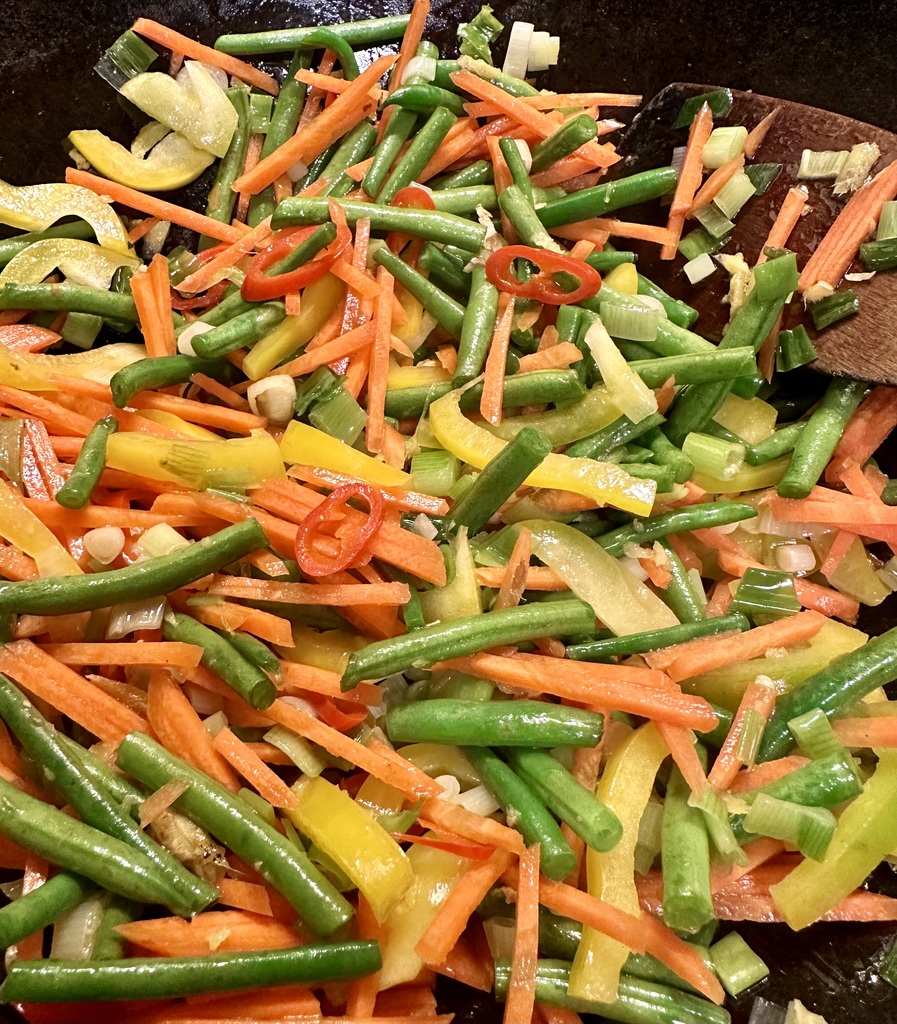
In an era marked by heightened anxiety levels, it’s imperative to explore holistic approaches to alleviate stress and boost mental well-being. Nutritional Psychiatrist Uma Naidoo, sheds light on the profound impact of diet on anxiety levels in her latest book, Calm Your Mind with Food. It emphasises the role of nutrition in banishing tension, elevating mood, and fostering long-term mental health.
Understanding the Gut-Brain Connection
There’s an intricate relationship between the gut and the brain, with the brain and the gut being in constant mutual communication. The gut microbiome, comprising trillions of bacteria and yeasts, plays a pivotal role in regulating brain function through this gut-brain axis. The health of our gut is intricately linked to anxiety levels, with highly processed diets and fast foods contributing to inflammation that adversely affects mental and physical well-being.
Nutrient-Rich Foods for Anxiety Reduction
Yoghurt for Gut Health
Consumption of gut-friendly foods such as yoghurt, is shown beneficial for anxiety reduction. A review of 21 studies, involving 1,503 people, suggests that eating gut-friendly food like plain yoghurt is instrumental in improving gut health and reducing anxiety levels.
Vitamin B-Rich Foods
Foods rich in vitamin B, including oats, milk, nuts, seeds, lean meat, poultry, and fish, prove to be essential for anxiety prevention. Studies on Affective Disorders highlight the correlation between a diet high in B vitamins and lower anxiety, depression and stress levels.
Tea for Hydration and Polyphenols
Regular consumption of tea, known for its calming properties, is recommended for those dealing with anxiety. The polyphenols in black and green teas, such as theaflavins, have been shown to reduce anxiety levels. However, moderation is key to keep caffeine intake below 400mg per day.
Probiotic-Rich Foods
Probiotic fermented foods like pickles, kimchi, garlic, onions, and bananas are emphasised for their role in supporting gut health. Research indicates that these foods positively impact anxiety levels.
Berries for Brain Boosting
Berries, especially dark berries like blueberries and blackcurrants, are lauded for their antioxidant properties. Research has shown that these antioxidants protect the brain from oxidative stress and contribute to reduced anxiety symptoms.
Ashwagandha Supplement
Clinical trials suggest that ashwagandha supplementation can significantly lower anxiety levels, making it a potential consideration for some individuals.
Red Wine in moderation
Red wine, in moderation, can be considered for its polyphenol resveratrol content. This compound regulates neurotransmitter release, contributing to a calmer brain. Moderation is advised as excessive alcohol consumption can exacerbate anxiety. Red grapes, blueberries, raspberries, peanuts and pistachios are good sources of resveratrol too.
Omega-3 Fatty Acids
Foods rich in omega-3 fatty acids, such as oily fish, nuts, and seeds, are highlighted for their anti-inflammatory effects on the brain. Omega-3s have been shown to alleviate symptoms of anxiety and depression.
Avoid sugary, high-fat comfort foods
While these foods may provide short-term mood improvement, the effects are temporary, and reliance on such foods can lead to an unhealthy cycle.
In the quest for mental well-being, your plate holds the potential to calm the mind. Embracing a nutrient-rich, gut-friendly diet can be a proactive self-empowering step in managing anxiety and nurturing long-term mental health. Let your meals be a source of strength, resilience, and calm in the face of life’s challenges.