

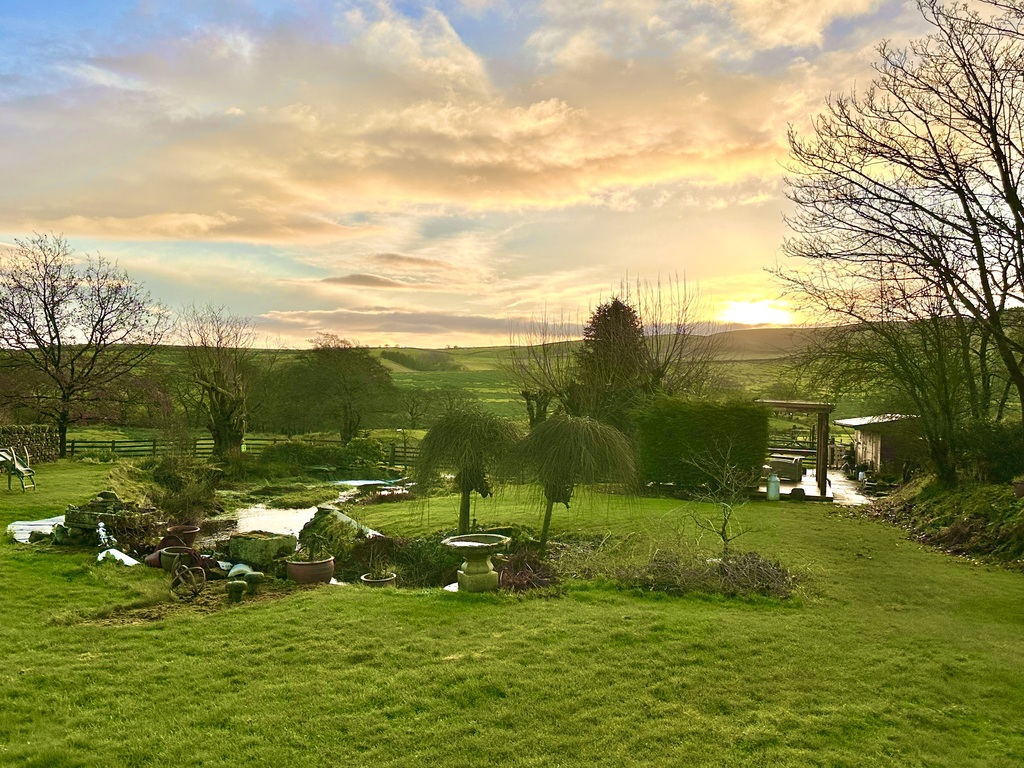
There’s an important link between light exposure and wellbeing. Recent studies emphasise the significance of shortwave, blue-white morning light—peaking between 7am and 11am—for our health and wellbeing. This radiant light not only boosts alertness but also enhances memory, brain function, and mood. Lack of exposure to natural light can disrupt our circadian rhythms, impacting everything from sleep hormones to our overall mood.
Effects of Light Deprivation
The absence of the right light at the right time can profoundly affect our emotional and cognitive well-being. Seasonal Affective Disorder (SAD) common in winter, exhibits symptoms such as poor sleep, low mood, irritability and overeating. A lack of daylight can influence energy levels, mood, and the inclination to hibernate until Spring.
Impact on Sleep Cycles
Morning light is key for synchronising your body clock. Morning sunlight serves as a cue, helping reset our circadian rhythms, which are vital for maintaining a 24-hour sleep-wake cycle. Without this natural light exposure, our bodies can fall out of sync, making it challenging to wake up in the morning and leading to fragmented sleep at night.
The Shift to Indoor Living
Modern lifestyles, characterised by indoor living with artificial lighting, disrupts our internal clocks, contributing to mood alterations. Spending at least 30 minutes outdoors each morning can alleviate these issues and can impact mood positively.
The Antidepressant Power of Light
Recent studies propose that light could function as a natural antidepressant, with evidence indicating its efficacy comparable to pharmaceutical antidepressants. Exposure to sunlight has been linked to an immediate increase in serotonin levels in the brain, providing a potential remedy for mood disorders.
Prescription for Well-Being: Morning Light Bathing
Morning light bathing is recommended for a proactive measure for maintaining mental and physical health. This prescription involves spending time outdoors, ideally in the early part of the day, to benefit from the natural light exposure. Even on overcast days, the outdoor light level surpasses that of indoor settings, emphasising the importance of outdoor exposure.
How can you manage your own light therapy?
Outdoor Time: Prioritise outdoor activities, even during lunch breaks, to soak in the available natural light.
Home Illumination: Ensure your living space is naturally lit during the day by opening curtains, rolling up blinds, and cleaning windows.
Nighttime Routine: Embrace dim light conditions during the evening to facilitate melatonin production, aiding in preparing the body and brain for sleep.
Device Detox: Steer clear of electronic devices at least an hour before bedtime to minimize exposure to blue light.
For year-round vitality, stepping into the light—both outdoors and within our homes—becomes a fundamental part of the prescription for a brighter and healthier life. Embrace the morning light, let it guide your circadian rhythms and positively impact your overall well-being.
Here’s to brighter days!