

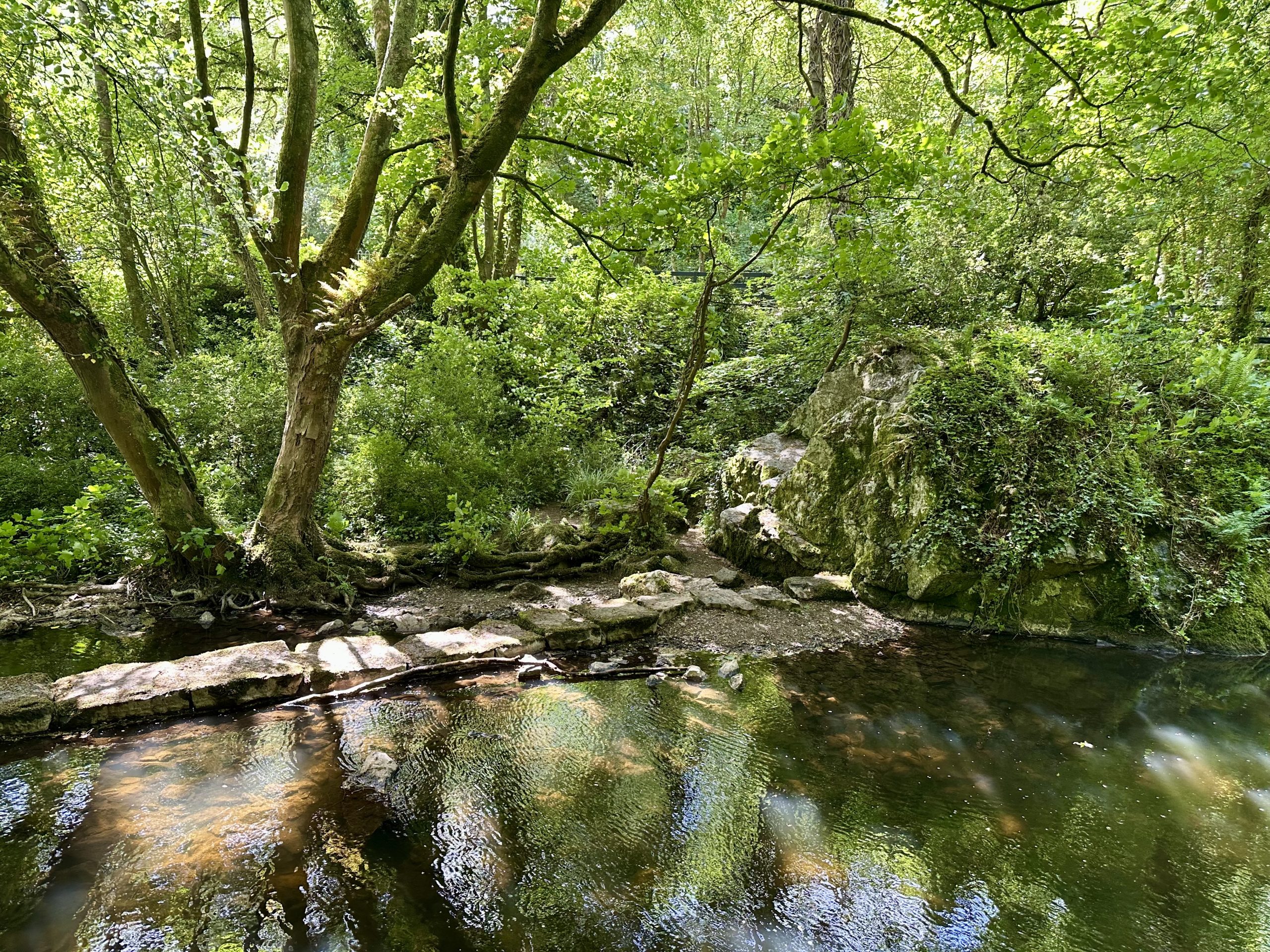
Long before it had a name, forest bathing was simply how people lived: close to trees, guided by the seasons, soothed by green space. In 1982, the Japanese Forest Agency gave this instinct a name, shinrin-yoku, meaning forest bathing or forest immersion. What began as an invitation to visit the woods has grown into a genuine field of preventive medicine, and the evidence for it keeps growing.
Two decades of research, much of it led by physician Dr Qing Li at Nippon Medical School, have shown that time spent immersed in a forest changes the body in measurable ways. This is nature as medicine, available to almost anyone, almost anywhere.
What the research shows
Across dozens of studies, forest immersion has been linked to a wide range of benefits for both body and mind.
- Strengthens immune function by increasing natural killer cell activity, with a preventive effect on cancers
- Lowers stress hormones such as cortisol, adrenaline and noradrenaline
- Shifts the nervous system out of fight-or-flight and into rest-and-recover mode
- Improves sleep quality and helps prevent insomnia
- Eases anxiety, anger, fatigue and low mood, while lifting vitality and positive feeling
- Reduces blood pressure and heart rate, supporting cardiovascular health
- Supports healthy ageing and may play a role in rehabilitation medicine.
One of the most striking findings involves natural killer, or NK, cells, an important part of the immune system’s defence against viruses and tumours. A three-day forest retreat has been shown to raise NK cell activity for up to thirty days afterwards. A single day in the forest can lift that activity for about a week.
Even a walk in a city park can ease anxiety, lift vigour, and calm a busy nervous system.
Why it works: the five senses
Forest bathing is not one single mechanism, but a gentle layering of sensory experience.
- Sight: Green, yellow and red hues of the forest landscape
- Smell: Phytoncides, the natural essential oils released by trees
- Sound: Birdsong, rustling leaves, running water
- Touch: The bark of a tree, the give of the forest floor
- Taste: Fresh air, and where possible, foraged forest foods.
Of these, smell may carry the greatest weight. Phytoncides, the aromatic compounds trees release, have been shown on their own to increase NK cell activity and lower stress hormones. This is one reason a forest walk can feel so different from a walk anywhere else.
How much time in nature is enough
The relaxing effects of forest immersion begin within about twenty minutes and continue to build for up to two hours. For an immune-boosting effect, research points to at least two hours of immersion, with a full day offering benefits that can last around a week. A longer retreat of two nights and three days has been shown to support immune function for up to a month.
As a simple rhythm to work with: a full day in nature once a week, or a longer immersion once a month.
Bringing the forest into everyday life
Not everyone can reach a forest each week, and the research is reassuring here too: benefits appear in city parks as well as deep woodland. A few gentle ways to weave forest bathing into daily life:
- Take a slow, unhurried walk in your nearest park or green space, ideally weekly
- Bring living plants into your home or workspace, to nourish your sense of sight
- Use natural essential oils from trees to enjoy the scent of the forest indoors
- Watch or listen to forest footage when nature itself is out of reach
- Plan a longer immersion in nature, such as a weekend away, once a season.
Aligning this practice with the turning of the seasons can deepen its meaning further, letting your own rhythm of rest and renewal echo the cycles of the natural world around you.
Let nature become part of your wellbeing practice
We are, at heart, part of nature, and our bodies know how to respond to it. Reconnecting with the natural world is one of the simplest, most evidence-based steps you can take toward lasting wellbeing.