
As the light softens and the evenings draw in, your body is quietly asking for something different. Autumn is nature’s invitation to slow down, root down and nourish ourselves before winter arrives. Think of this as a “prescription” from the season itself, one that is delicious, affordable and entirely within your reach.
Why food is such powerful medicine
Around 70% of our immune tissue sits in and around the gut, so what you eat shapes how well your body defends itself. A 2021 Stanford study published in Cell found that people eating a diet rich in fermented foods for ten weeks had greater microbiome diversity and lower levels of 19 inflammatory markers, including interleukin-6. Fibre-rich diets have long been linked with healthier gut bacteria and lower inflammation too.
Food alone won’t prevent every cold, but it is one of the most powerful proactive tools we have. Small, consistent choices add up.
Prescription one: swap heavy for hearty
Comfort food doesn’t have to weigh you down. Try these smart swaps:
- Instead of cream-based chowders, choose a vegetable-packed soup with spinach, garlic and ginger.
- Instead of white pasta bakes, try roasted vegetables with lentils or beans.
- Instead of sugary evening treats, bake a cinnamon apple or pear.
Garlic and ginger have been valued in traditional medicine for centuries and both foods add flavour, warmth and beneficial plant compounds, that makes them a wonderful addition to your bowl.
Prescription two: eat October’s harvest
Seasonal produce is at its peak in flavour and often in nutrient content, and it tends to be cheaper too. October’s stars include:
- Broccoli is rich in vitamin C and sulforaphane, a compound studied for its anti-inflammatory and antioxidant effects.
- Cabbage is a fibre-rich, budget-friendly food that feeds your beneficial gut bacteria. Fermented as sauerkraut, it’s a probiotic bonus.
- Cauliflower is versatile and high in fibre and vitamin C. Roasting brings out a lovely sweetness.
- Pumpkin and squash provide beta-carotene, which your body converts to vitamin A to support healthy immune function.
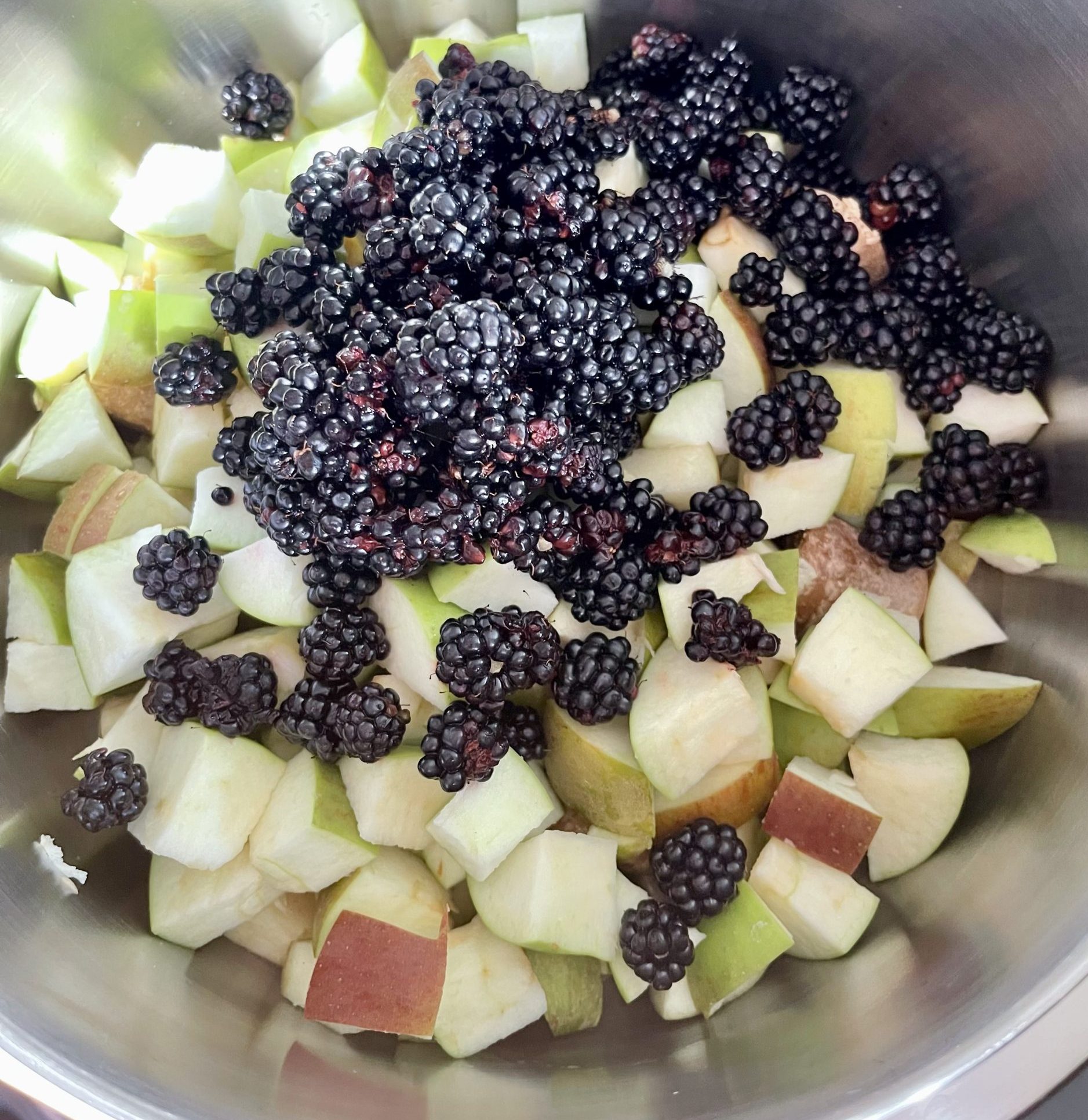
- Apples, pears and blackberries are full of polyphenols and fibre.
Prescription three: feed your gut
Aim for variety. Researchers suggest eating 30 different plant foods a week (vegetables, fruit, pulses, wholegrains, nuts, seeds, herbs and spices) to support a diverse microbiome. It sounds like a lot, but a single soup with onion, garlic, carrot, celery, lentils, spinach and herbs gets you a long way.
Add a spoonful of live yoghurt, kefir, kimchi or sauerkraut daily, and you’re supporting your gut from both sides.
Prescription four: eat with the season, mind and body
In the cycle of the year, autumn is a time of harvest, release and letting go. It’s also the season of the “grounding” foods: roots, squashes and warming spices. Eating slowly, giving thanks for your meal and noticing the colours and aromas is a simple mindful practice that supports digestion and helps your nervous system settle. Whether you see it as science, tradition or both, there’s wisdom in aligning with nature’s rhythm.
A simple autumn immunity soup
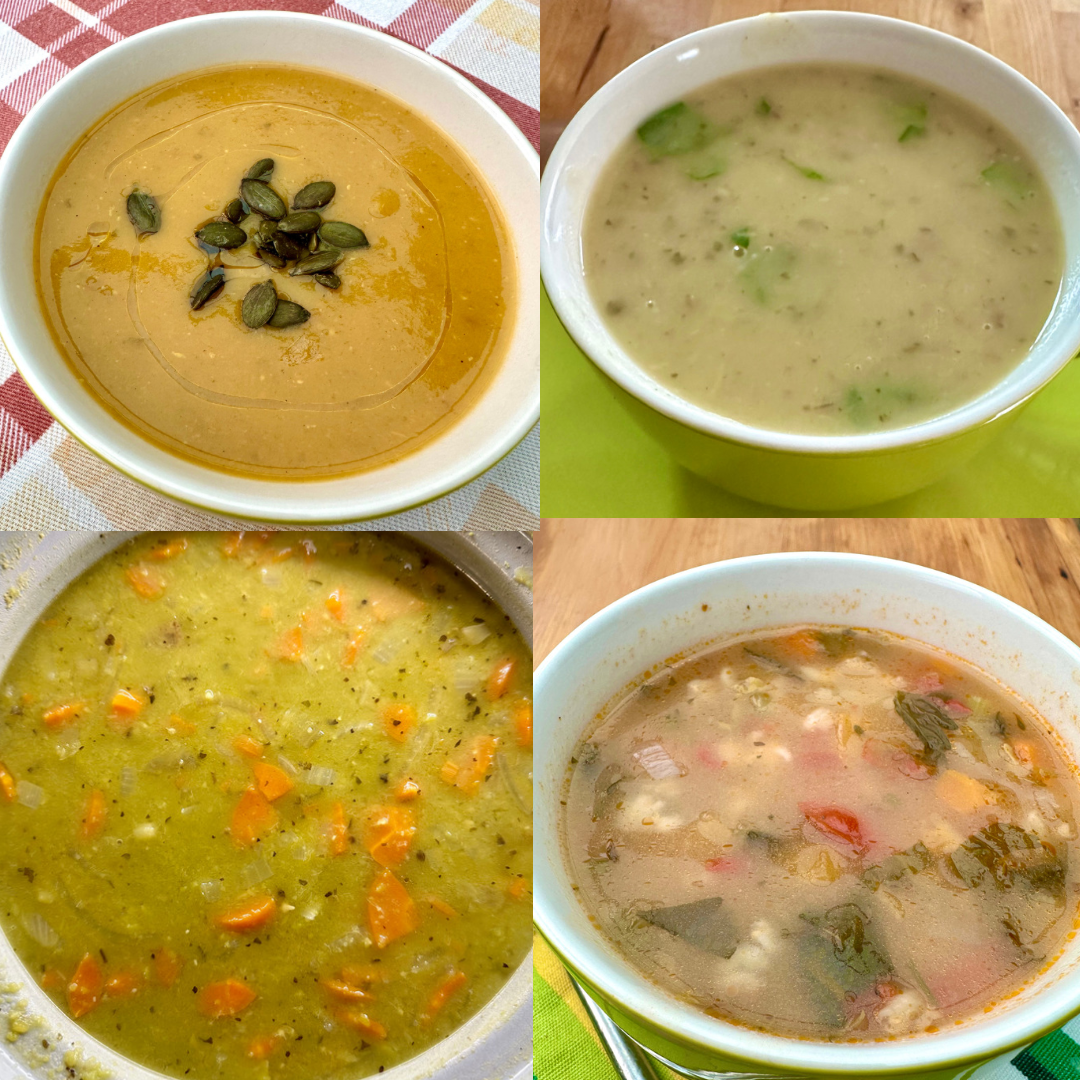 Sauté onion, two crushed garlic cloves and a thumb of grated ginger in olive oil. Add chopped carrot, butternut squash and a cup of red lentils, cover with vegetable stock and simmer for 25 minutes. Stir in a big handful of spinach at the end, blend if you like and finish with lemon juice and black pepper. Nourishing, warming and ready in under 45 minutes.
Your autumn prescription, at a glance
- Add one extra portion of vegetables to every meal.
- Include a fermented food daily.
- Cook one big pot of seasonal soup each week.
- Get outside in natural daylight when you can, and consider vitamin D, as UK health guidance advises considering a supplement from October to March.
- Eat slowly and gratefully.
Autumn reminds us that letting go and nourishing ourselves can go hand in hand. What will you add to your plate this week?
Note: This article is for general wellbeing information and isn’t a substitute for personalised medical advice. If you have a health condition or take medication, please speak with your GP or a registered professional before making significant dietary changes.