

A Prescription for the In-Between
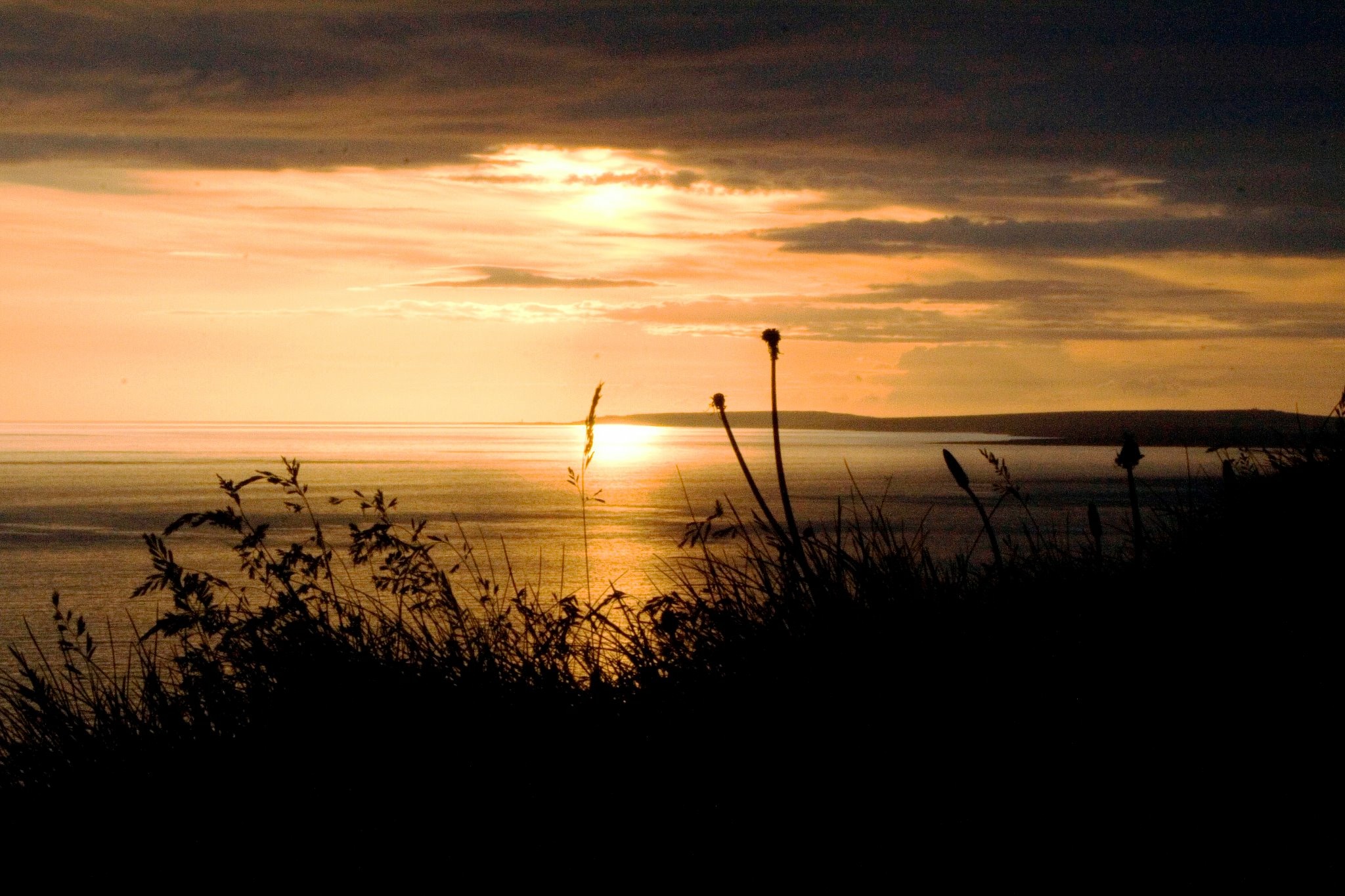
There’s a specific kind of stillness that arrives just after the sun drops below the horizon and before the stars properly show themselves. The light goes soft, then blue, then grey. Most of us miss it entirely as we’re indoors by then, curtains drawn, screens lit. But a growing number of people in Amsterdam are choosing to sit outside and watch it happen on purpose. They call it schemeren, or “dusking,” and it might be one of the simplest, cheapest wellness practices you’ll ever try.
An Old Dutch Habit, Rediscovered
Dusking isn’t new – it’s a revival: no phones, no chores, just people gathering to walk and watch the day fold into night. This quiet, communal wind-down was once an ordinary part of life across the Netherlands. The practice itself couldn’t be simpler. You go outside, urban or rural doesn’t matter, you go for a walk or you sit for thirty to forty minutes doing essentially nothing except watching darkness arrive. No podcast, no phone, no music, no agenda. Its a way of letting your nervous system register that the day is, in fact, over.
What makes dusking distinct from simply “watching a sunset” is the focus. Sunset-watching celebrates light – the big, dramatic finale. Dusking is more about what comes after: the shadows lengthening, the colour draining out of the world, the sense of boundaries softening between what’s yours and what belongs to the night. It’s less spectacle, more surrender.
Today you can find organised dusking sessions in Amsterdam. The practice has started to travel too, showing up everywhere from the North York Moors in England to wellness gatherings as far afield as Singapore and Goa.
Why the “Nothing” Might Be the Point
If you keep a nature-on-prescription mindset, dusking fits neatly into a pattern you already recognise: unstructured time outdoors, tied to the rhythms of light rather than the rhythms of a to-do list, seems to do something calming to us that structured leisure doesn’t. There’s nothing to achieve during dusking. No steps to log, no summit to reach, no photo to take before the light’s gone (in fact, most dusking guides recommend leaving the phone inside). You’re simply present for a transition that happens every single day of your life, usually unnoticed.
Twilight is one of the most reliable rituals nature offers – it will happen tonight whether you watch it or not – and yet it asks nothing of you but your attention.
Twilight Traditions Beyond the Netherlands
The Dutch don’t have a monopoly on this. Cultures everywhere have their own quiet rituals built around the day’s last light, even if they’ve never given it a name as tidy as schemeren.
Sunset watching, of course, is the most universal version – communities gathering on beaches, rooftops, and hillsides worldwide simply to watch the colour show. It’s a celebration rather than a surrender, but the underlying pull is the same: an excuse to stop and look up.
Starling murmurations offer a more theatrical way into the dusking hour. Just before roosting, huge flocks of starlings – sometimes tens of thousands of birds – wheel and pulse across the sky in shapeshifting clouds. Scientists still debate exactly why they do it; leading theories point to safety in numbers against birds of prey, shared body heat for the night ahead, and a kind of information exchange about where the best feeding grounds are. Whatever the mechanism, watching one is a genuinely mindful experience – the sheer unpredictability of the shapes tends to pull your attention fully into the present moment.
Golden hour and blue hour photography culture, huge across Scandinavia and the Mediterranean, is really the same instinct with a camera attached – though purists would argue the moment you raise a lens, you’ve left the dusking mindset behind.
Evening walks timed to the light, common in countries with long summer twilights like Iceland or Norway, or the paseo tradition across parts of Spain and Latin America, where communities move outdoors together as the heat breaks and the light softens toward evening.
How to Enjoy It Yourself
Wherever you are:
– Check your local sunset time and plan to be outside about ten minutes before it.
– Choose a spot where you can sit – a garden, a park bench, a rooftop, a doorstep.
– Leave your phone somewhere you can’t reach it without effort.
– Stay for the full transition, ideally through sunset and into the blue hour that follows, roughly thirty to forty minutes.
– Notice, rather than narrate. You’re not there to caption it.
If you happen to catch a murmuration or seagulls flying home or an owl hooting during that window, even better – let it be the evening’s unscripted encore.
The dusking hour arrives whether or not anyone’s watching. That’s rather the point of prescribing it: nature doesn’t need you to show up, but it seems you might benefit hugely from it.