Let food be your first prescription
How attending to your gut health can help you stay well this autumn and winter.
 Before we reach for the medicine cabinet, there’s something wonderfully simple we can do: treat food as our first prescription. A large share of our immune system lives in and around the gut, which means staying well through the colder months really does begin with what we eat, drink and absorb from the world around us.
Think of your gut microbiome, the trillions of bacteria living in your digestive tract, as a garden. When it’s tended well and richly varied, it flourishes, and so do you. Proactive wellness can be quite simple. Getting a few gut health basics right can go a long way towards keeping you feeling resilient.
Here is your seasonal prescription: science-backed, kitchen-based and, I hope, a pleasure to follow.
Your gut-friendly kitchen
1. Enjoy a good cup of coffee
Coffee is one of the most gut-friendly drinks around, and however you take it, black, instant or decaf, it still counts. The beans are often fermented during processing and are packed with polyphenols, plant compounds with antioxidant and anti-inflammatory effects.
The science is genuinely encouraging. A large Nature Microbiology study from ZOE and Harvard, covering more than 22,000 people in the US and UK, found that among over 150 foods, coffee showed the strongest link with the makeup of the gut microbiome. Coffee drinkers had more of a beneficial bacterium called Lawsonibacter asaccharolyticus, and the link held for decaf too.
A 2026 study from University College Cork in Nature Communications, led by Professor John Cryan, found that habitual coffee drinkers had a distinct gut microbiome and reported lower stress, depression and impulsivity, with caffeinated and decaffeinated coffee both showing benefits.
2. Eat more plants, and more variety
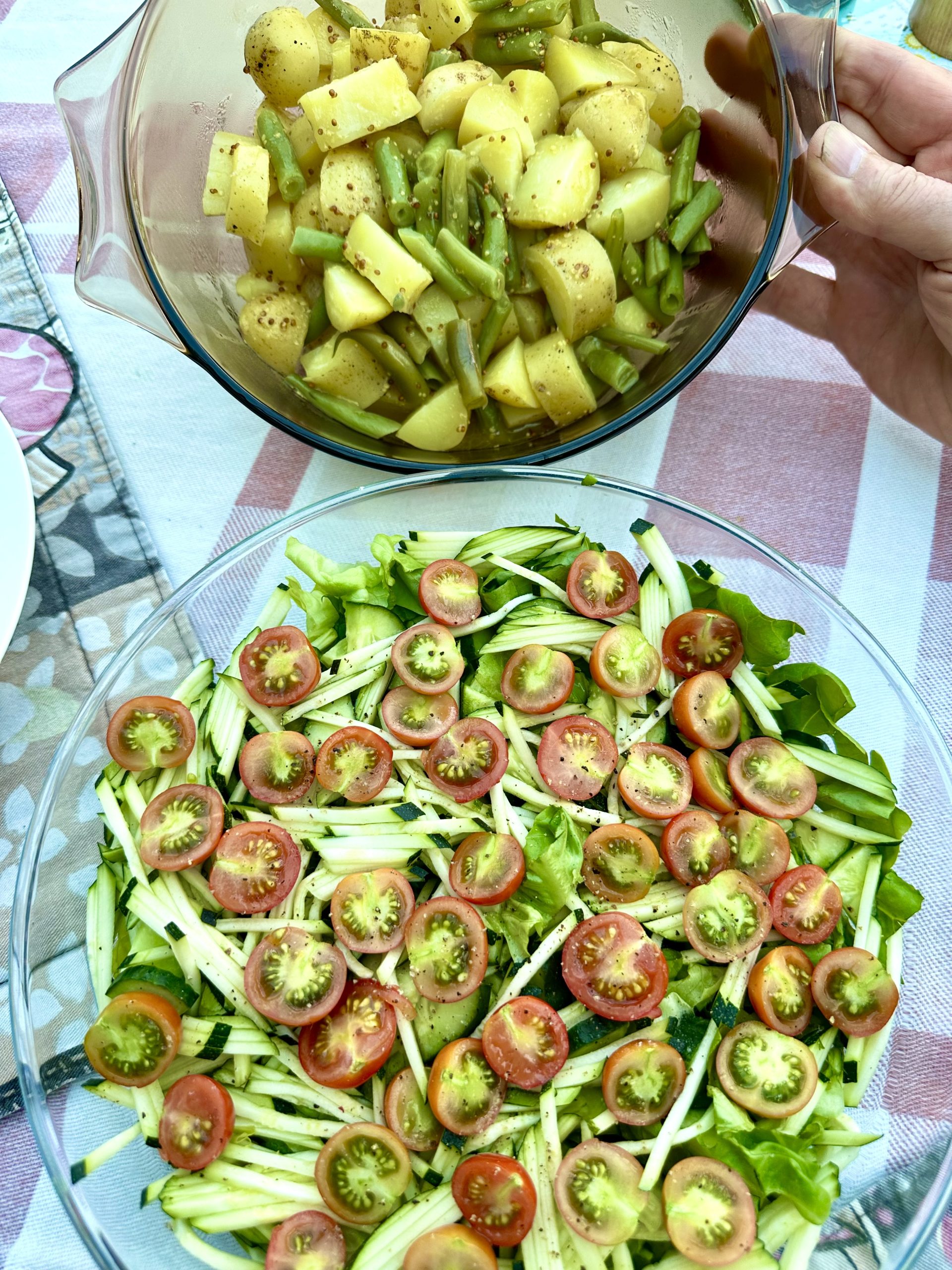
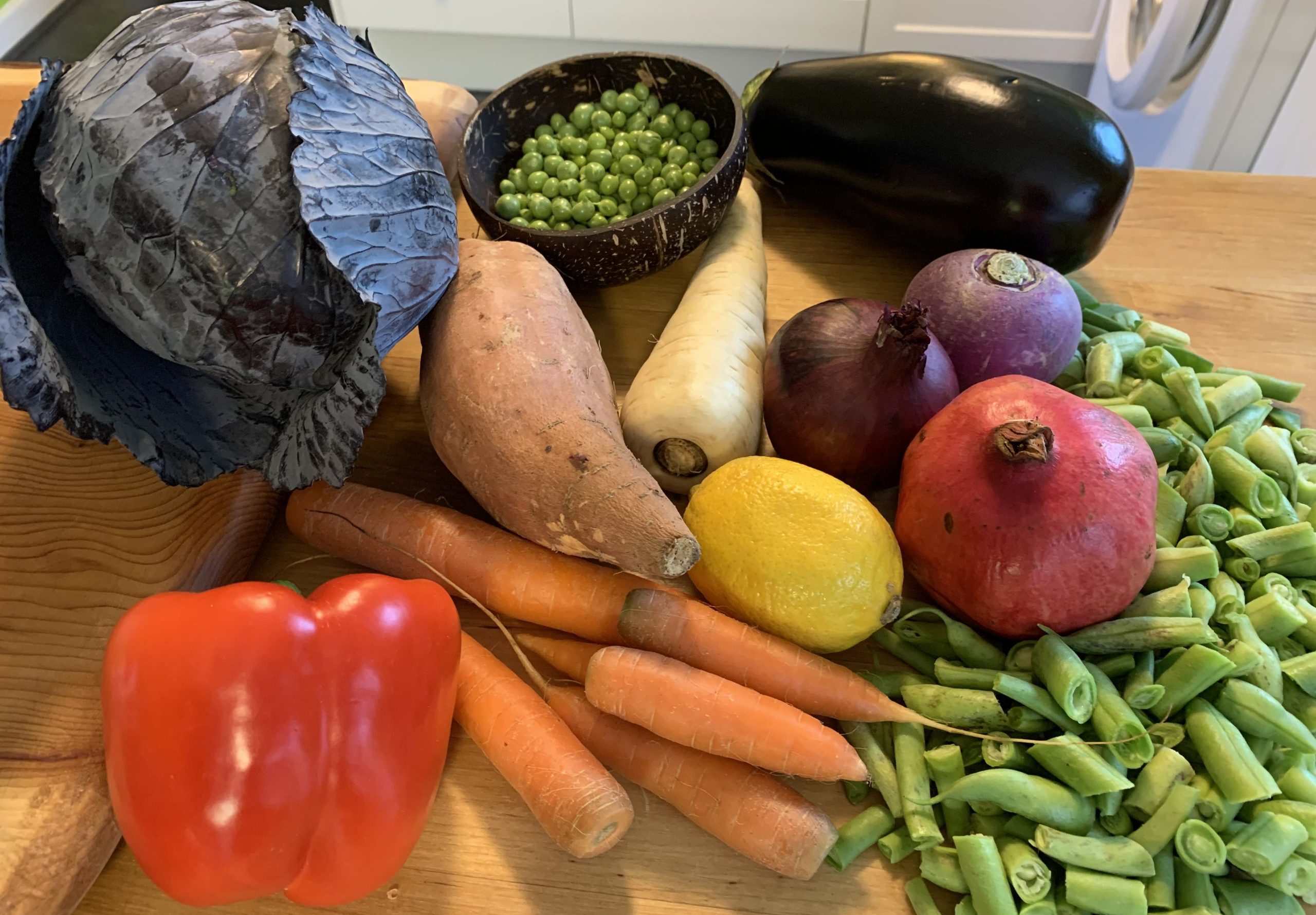
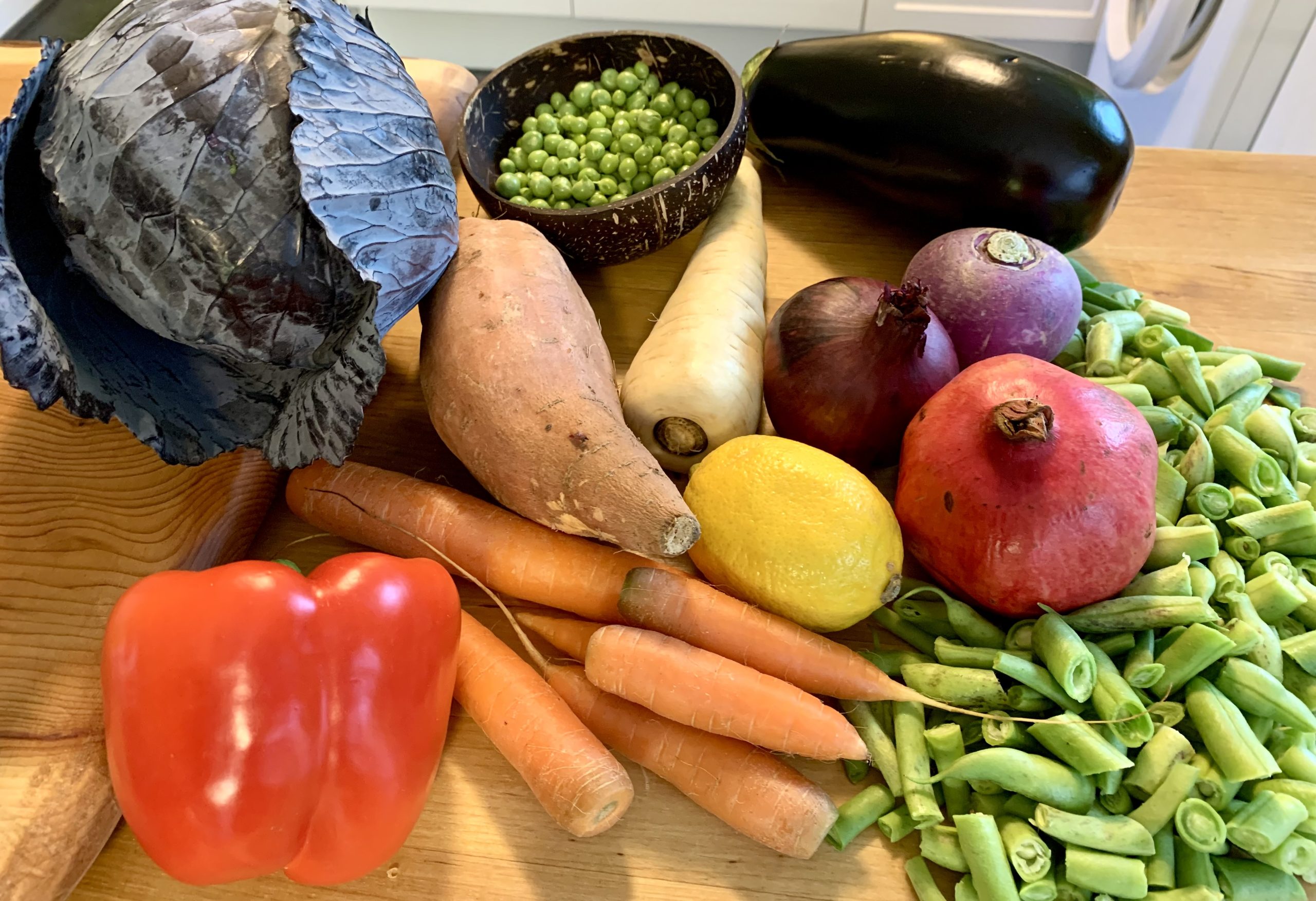
Our guts love variety, and different plants bring different fibres, vitamins and polyphenols. In the American Gut Project, people eating more than 30 different plant types a week had more diverse gut microbiomes than those eating 10 or fewer, and fewer antibiotic resistance genes too. Researchers note that the exact number isn’t magic. The message is that variety matters, and herbs, spices, nuts and seeds all count.
Easy ways to add variety:
- Swap in grains such as quinoa, buckwheat and barley
- Throw a handful of lentils into soups and stews
- Add leafy greens to almost everything
- Include fruit for vitamin C.
Nourishing soups and stews are perfect autumn comfort food, and the easiest way to bring many different plants into one bowl.
3. Include fermented foods
Fermented foods are wonderful for the gut. If kimchi or kefir isn’t your thing, consider a cup of miso. Make it as a savoury hot drink, or stir miso into soup. Add it to hot rather than boiling water so the live cultures are kept intact.
4. Spice up your meals
A good curry is warming, comforting and a lovely way to welcome in colder weather. Chilli is a classic winter warmer, and early research suggests capsaicin, the compound that makes peppers hot, may enhance the activity of immune cells and has antioxidant properties that help protect them.
Nature’s top-ups
5. Take a vitamin D supplement
Between October and early March, the Northern hemisphere sunlight is too weak for our skin to make vitamin D, so government advice is that everyone consider a daily supplement of 10 micrograms (400 IU) through autumn and winter. The NHS page now also suggests considering this throughout the year, so it’s worth checking with your pharmacist what suits you.
The immune research is encouraging. A major analysis led by Queen Mary University of London found that vitamin D supplementation reduced the risk of acute respiratory infections, including colds and flu, by around 12% overall. The benefit was strongest in people with low starting levels, where daily or weekly supplements roughly halved the risk. Vitamin D helps the body fight infection partly by stimulating antimicrobial peptides, which help destroy pathogens.
Food helps too. Oily fish such as salmon, sardines, mackerel and herring provide vitamin D along with omega-3 fats, which are linked with healthy immune and inflammatory balance. Egg yolks are another source.
6. Count on vitamin C and plant remedies
You can get plenty of vitamin C from food: citrus fruit, berries, broccoli, kale and sweet peppers all do the job beautifully.
I also love working with plant allies. For many years I’ve chopped fresh nasturtium leaves into my meals as the seasons change. They’re rich in vitamin C and have natural antimicrobial properties, and for me they’re an excellent part of my flu prevention routine. When the nasturtiums vanish from the garden after the first frost, I turn to echinacea drops, which I’ve found highly effective as a preventative remedy. Herbs like oregano is hailed by many for their health benefits too.
7. Get outdoors
Going outside is one of the most powerful things you can do for your microbiome. Nature lowers stress, which affects the gut, and time among soil and plants introduces beneficial microbes. A walk in green space is good for the gut, and it brightens your mind and mood as well. Autumn invites us to slow down and notice the turning of the season, so let your daily walk be part of the prescription.
Tending your gut is a beautiful act of self-care, and it’s available to all of us, one nourishing meal at a time. Here’s to a bright, healthy and resilient season.
This article is for general wellbeing information and isn’t a substitute for medical advice. If you have a health condition, take medication or are pregnant, please speak to your GP or pharmacist before making changes.

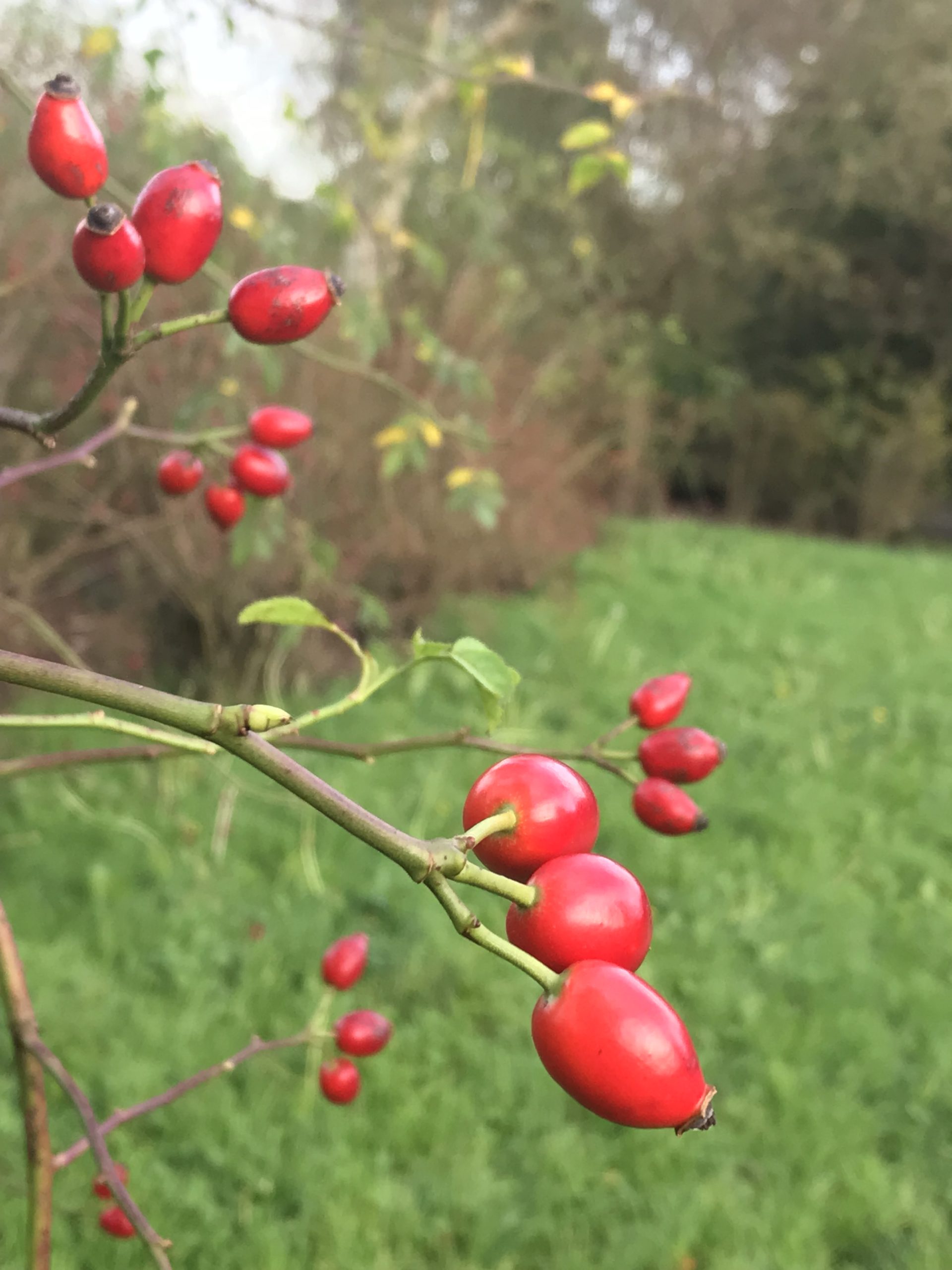


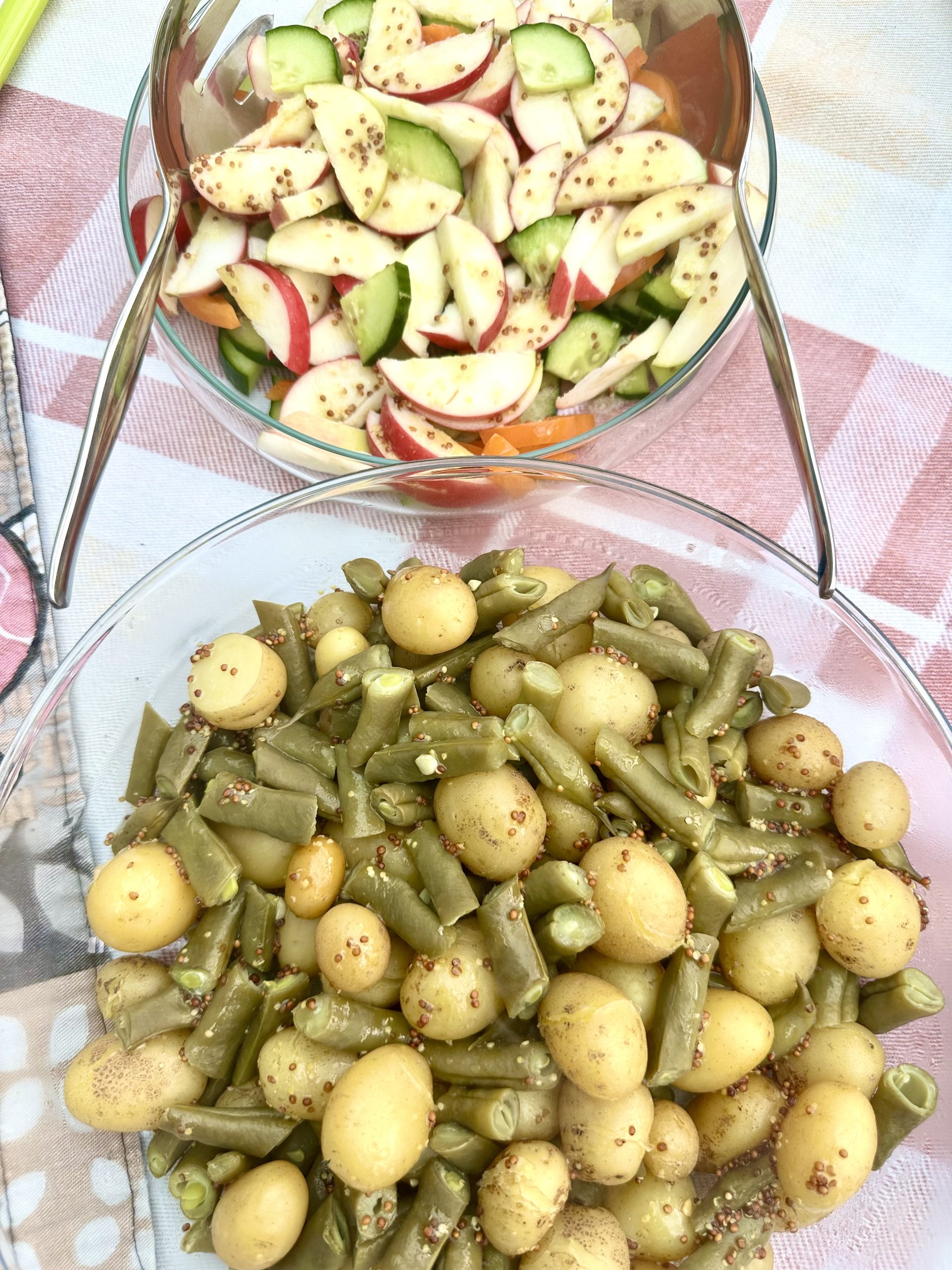
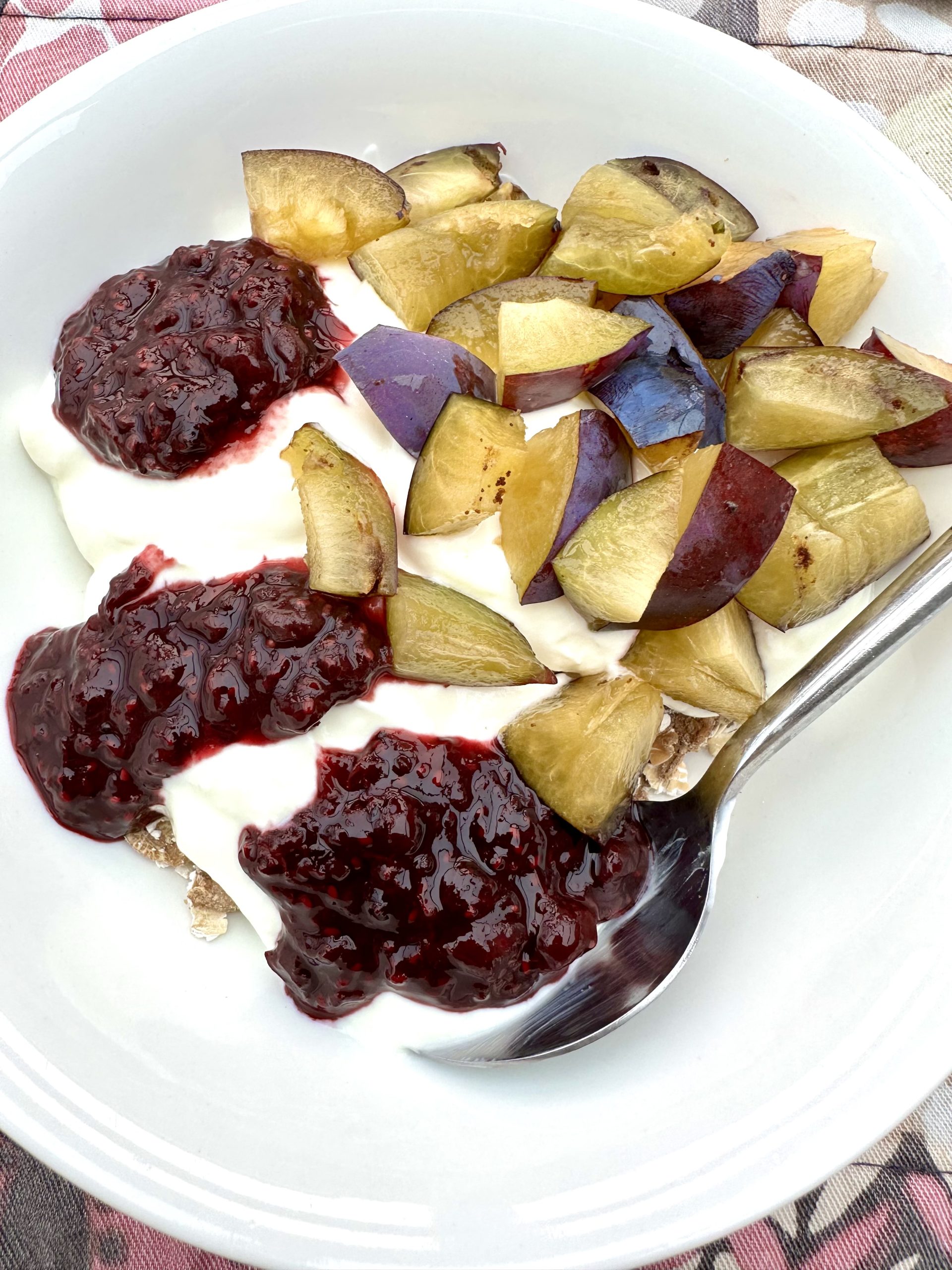 With the plums ripening now, breakfast has become yoghurt and fresh fruit, spooned over with the blackcurrant confit we made last month. Lunch is a garden salad, full of whatever’s ready that day, and in the evening the courgettes, onions and tomatoes find their way into a simple, satisfying pasta. None of it is complicated. All of it tastes like the season it came from.