

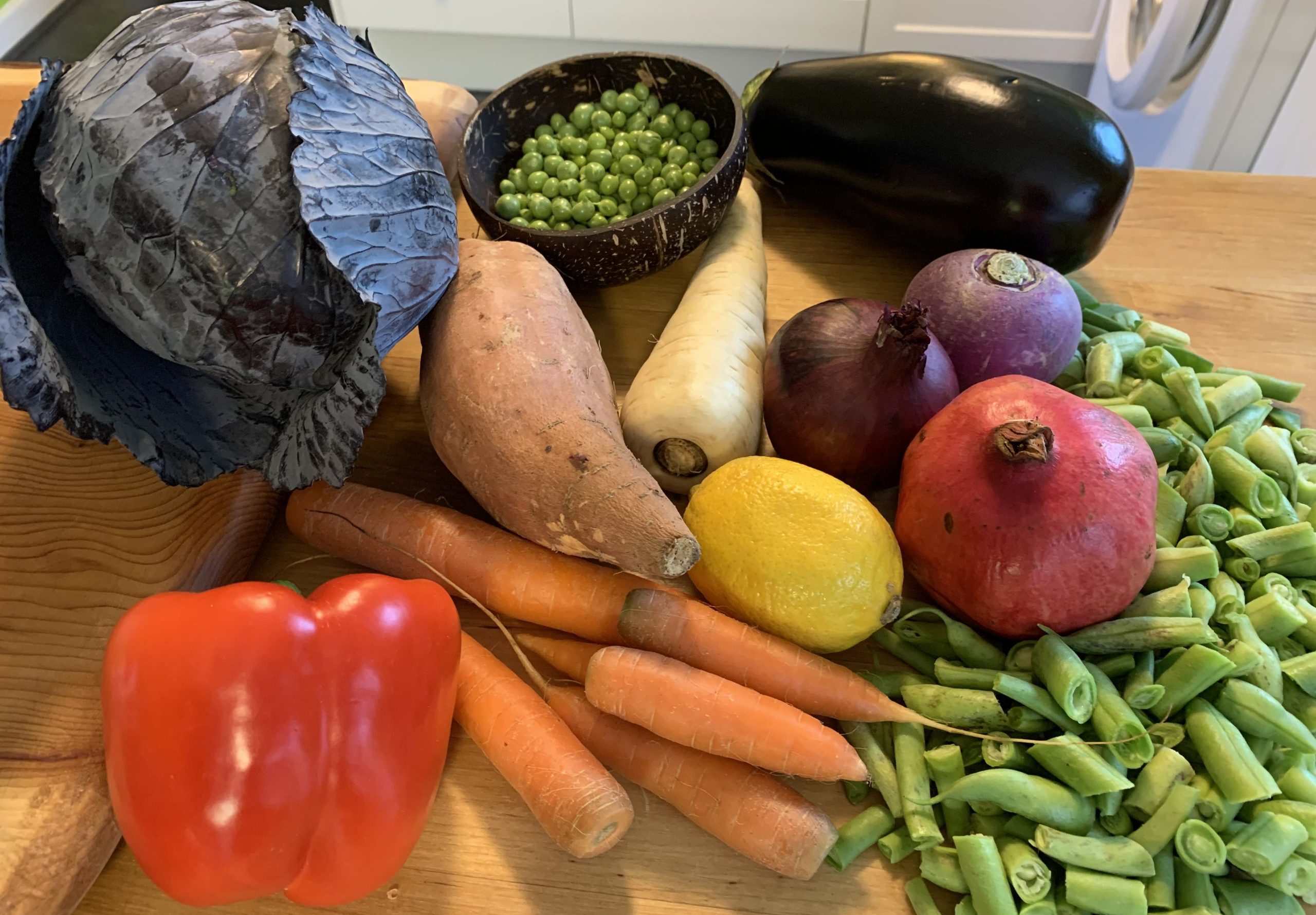
And So Is Your Mind
A growing body of science is rewriting the relationship between what’s on your plate and your mental health. Here’s what researchers are discovering, and what it means for all of us.
Key Findings
- Diets rich in fruits, vegetables, and minimally processed foods are consistently linked to improved mood, lower depression risk, and reduced psychological distress.
- Dietary interventions, including nutritional counselling and broad-spectrum supplements, provide the strongest experimental evidence yet for nutrition’s direct role in mental health.
- The gut microbiome is emerging as a critical pathway connecting food choices to brain chemistry, immune function, and even ADHD symptoms in children.
- Real-world programs in prisons, schools and workplaces are already using nutritional interventions to improve behaviour and focus.
For decades, the connection between food and mood was dismissed as folk wisdom. Eat your greens to feel better? Comfort food for the blues? Nice ideas at best. That is changing rapidly. A new generation of researchers is building a rigorous, evidence-based case that what we eat shapes not just our waistline, but our thoughts, our emotions, and our mental health outcomes in measurable, significant ways.
The study field is called nutritional psychiatry, and its findings are beginning to ripple outward from research labs into clinical guidelines, hospital programs, schools, and prisons around the world.
The Ultra-Processed Problem
Start with a sobering statistic. More than half of all calories consumed by American adults — and over 60% consumed by children and teenagers — come from ultra-processed foods: highly engineered products built mostly from refined ingredients and chemical additives. These are not simply “unhealthy” in the traditional sense of too much fat or sugar. They are nutritionally hollow in ways that appear to have real consequences for the brain.
Meta-analysis of clinical trials consistently show that diets high in ultra-processed foods increase the risk of depression, while Mediterranean-style eating patterns – emphasising whole grains, legumes, fish, olive oil, and abundant vegetables – reduce both symptoms and risk. The World Health Organisation has incorporated unhealthy diet as a recognised mental health risk factor, in large part due to research by Australian epidemiologist Felice Jacka and her team at Deakin University’s Food & Mood Centre.
How Food Talks to Your Brain
The mechanisms are becoming clearer. The vitamins and minerals in whole foods act as essential cofactors for enzymes throughout the body, including those that produce the brain’s neurotransmitters. Take iron: it’s required to convert the amino acid tyrosine into dopamine. When iron levels drop, so can dopamine, and with it, concentration and motivation. Deficiency isn’t dramatic. It can be quiet, cumulative, and easily overlooked.
Then there is the gut-brain axis – perhaps the most exciting frontier in the field. The gut microbiome, the vast ecosystem of bacteria living in our digestive tract, communicates with the brain through immune, metabolic, and neural pathways. A diverse, plant-rich diet feeds beneficial gut bacteria. Polyphenols, the chemicals found in colourful plants, are a key fuel. Gut health researcher Tim Spector of King’s College London suggests aiming for around 30 different plants per week, a count that includes fruits, vegetables, whole grains, nuts, and spices.
Foods Linked to Better Mental Health Outcomes
- Oily fish (omega-3 rich)
- Leafy green vegetables
- Fermented foods & probiotics
- Legumes & whole grains
- Berries & colorful produce
- Nuts & seeds
- Olive oil & healthy fats
- A wide variety of plants (30+ per week)
New research from the Food & Mood Centre found that women who consumed a daily serving of fermented dairy with probiotic bacteria showed increased volume in the hippocampus – a brain region central to memory and mood – and greater connectivity between the hippocampus and the frontal lobe. These changes correlated with a rise in probiotic gut bacteria, offering a striking direct line between what someone ate and measurable shifts in brain structure.
Depression, Diet & Hard Evidence
The most robust experimental proof for nutrition’s role in mental health comes from dietary intervention studies targeting depression. The landmark SMILES trial, led by Jacka’s team, enrolled adults with moderate to severe major depressive disorder and split them into two groups: one received nutritional counseling over 12 weeks; the other received social support on the same schedule. The nutritional counseling group showed significantly greater improvement in symptoms – and a substantially higher rate of full remission.
Meta-analysis pooling data from multiple randomised controlled trials confirm the pattern: dietary improvement reduces depressive symptoms. The effect is real, measurable, and clinically meaningful.
What This Means for You
The practical message from the science is refreshingly simple: eat a wide variety of minimally processed whole foods, prioritise plants, and consider that every meal is, in a real sense, a message sent to your brain. You don’t need to follow a specific named diet or count polyphenols. You need variety, quality, and an awareness that the gut and the mind are one connected system.
Sources include work from the Food & Mood Centre, University of Canterbury, Stanford Metabolic Psychiatry Clinic, and the Center for Nutritional Psychology