Health

The Dusking Hour

A Prescription for the In-Between

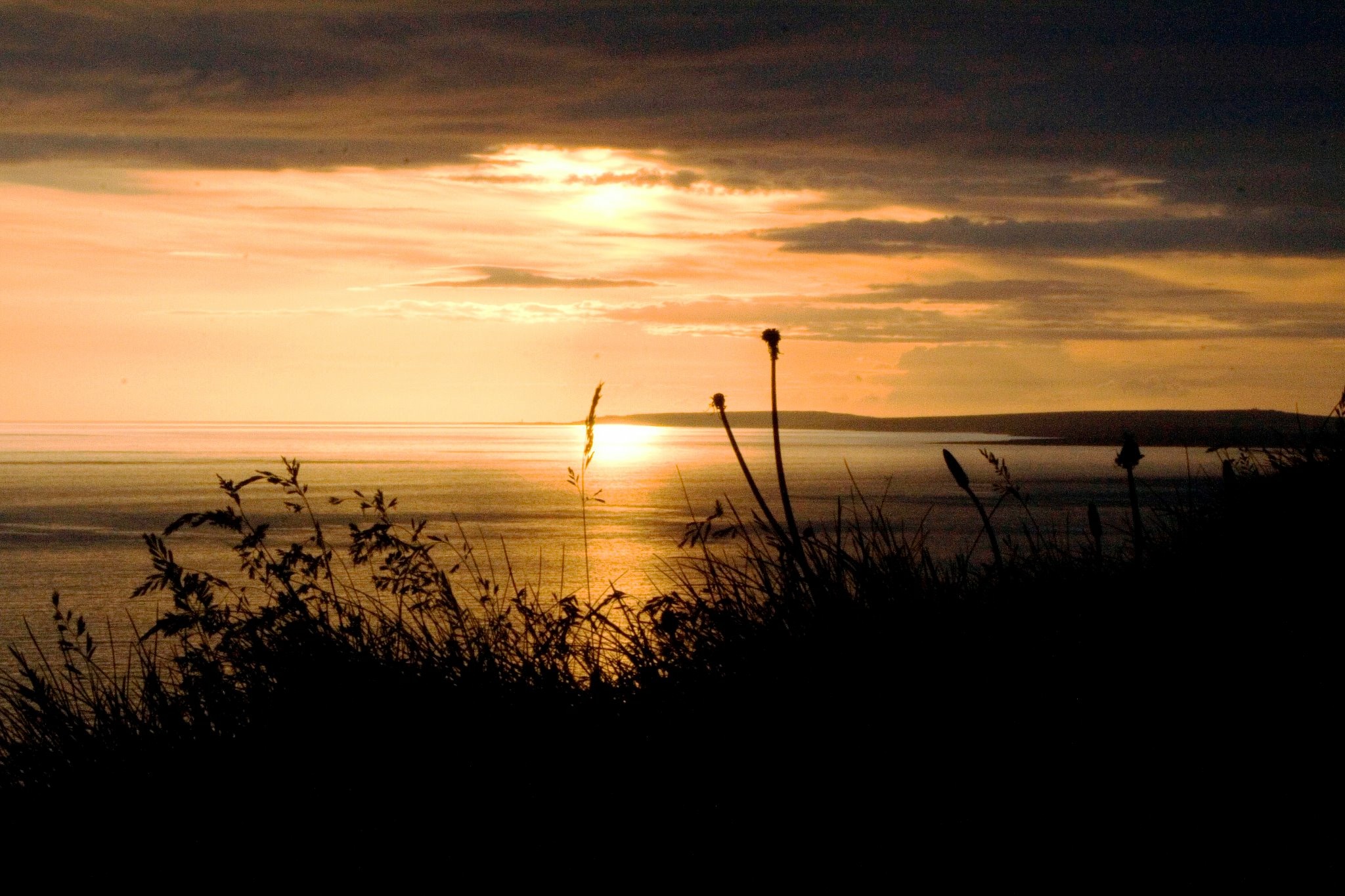
There’s a specific kind of stillness that arrives just after the sun drops below the horizon and before the stars properly show themselves. The light goes soft, then blue, then grey. Most of us miss it entirely as we’re indoors by then, curtains drawn, screens lit. But a growing number of people in Amsterdam are choosing to sit outside and watch it happen on purpose. They call it schemeren, or “dusking,” and it might be one of the simplest, cheapest wellness practices you’ll ever try.

An Old Dutch Habit, Rediscovered

Dusking isn’t new – it’s a revival: no phones, no chores, just people gathering to walk and watch the day fold into night. This quiet, communal wind-down was once an ordinary part of life across the Netherlands. The practice itself couldn’t be simpler. You go outside, urban or rural doesn’t matter, you go for a walk or you sit for thirty to forty minutes doing essentially nothing except watching darkness arrive. No podcast, no phone, no music, no agenda. Its a way of letting your nervous system register that the day is, in fact, over.

What makes dusking distinct from simply “watching a sunset” is the focus. Sunset-watching celebrates light – the big, dramatic finale. Dusking is more about what comes after: the shadows lengthening, the colour draining out of the world, the sense of boundaries softening between what’s yours and what belongs to the night. It’s less spectacle, more surrender.

Today you can find organised dusking sessions in Amsterdam. The practice has started to travel too, showing up everywhere from the North York Moors in England to wellness gatherings as far afield as Singapore and Goa.

Why the “Nothing” Might Be the Point

If you keep a nature-on-prescription mindset, dusking fits neatly into a pattern you already recognise: unstructured time outdoors, tied to the rhythms of light rather than the rhythms of a to-do list, seems to do something calming to us that structured leisure doesn’t. There’s nothing to achieve during dusking. No steps to log, no summit to reach, no photo to take before the light’s gone (in fact, most dusking guides recommend leaving the phone inside). You’re simply present for a transition that happens every single day of your life, usually unnoticed.

Twilight is one of the most reliable rituals nature offers – it will happen tonight whether you watch it or not – and yet it asks nothing of you but your attention.

Twilight Traditions Beyond the Netherlands

The Dutch don’t have a monopoly on this. Cultures everywhere have their own quiet rituals built around the day’s last light, even if they’ve never given it a name as tidy as schemeren.

Sunset watching, of course, is the most universal version – communities gathering on beaches, rooftops, and hillsides worldwide simply to watch the colour show. It’s a celebration rather than a surrender, but the underlying pull is the same: an excuse to stop and look up.

Starling murmurations offer a more theatrical way into the dusking hour. Just before roosting, huge flocks of starlings – sometimes tens of thousands of birds – wheel and pulse across the sky in shapeshifting clouds. Scientists still debate exactly why they do it; leading theories point to safety in numbers against birds of prey, shared body heat for the night ahead, and a kind of information exchange about where the best feeding grounds are. Whatever the mechanism, watching one is a genuinely mindful experience – the sheer unpredictability of the shapes tends to pull your attention fully into the present moment.

Golden hour and blue hour photography culture, huge across Scandinavia and the Mediterranean, is really the same instinct with a camera attached – though purists would argue the moment you raise a lens, you’ve left the dusking mindset behind.

Evening walks timed to the light, common in countries with long summer twilights like Iceland or Norway, or the paseo tradition across parts of Spain and Latin America, where communities move outdoors together as the heat breaks and the light softens toward evening.

How to Enjoy It Yourself

Wherever you are:

– Check your local sunset time and plan to be outside about ten minutes before it.
– Choose a spot where you can sit – a garden, a park bench, a rooftop, a doorstep.
– Leave your phone somewhere you can’t reach it without effort.
– Stay for the full transition, ideally through sunset and into the blue hour that follows, roughly thirty to forty minutes.
– Notice, rather than narrate. You’re not there to caption it.

If you happen to catch a murmuration or seagulls flying home or an owl hooting during that window, even better – let it be the evening’s unscripted encore.

The dusking hour arrives whether or not anyone’s watching. That’s rather the point of prescribing it: nature doesn’t need you to show up, but it seems you might benefit hugely from it.
Health

How Nature Rewrites Your Relationship With Your Body

Wellbeing & The Mind-Body Connection

You already know that time outdoors calms the nervous system. Now a landmark study spanning 58 countries and over 50,000 people has uncovered something more surprising: nature may be one of the most powerful, accessible tools we have for healing the way we see and feel about our own bodies.

We can eat well, move our bodies, sleep deeply, and still feel disconnected from ourselves. Something is missing for so many of us, and research suggests it’s simpler than we think. In the UK and America, most of us spend about 90% of our time indoors, disconnected from the natural rhythms our nervous systems evolved within. New findings published in Environment International suggest that stepping back outside may restore something essential: a kinder, more compassionate relationship with our own bodies.

What the research found

Across every age group, gender, and country studied, time spent in nature was consistently linked to greater self-compassion. That self-compassion, in turn, was associated with a more positive body image, and a more positive bodyimage was linked to greater overall life satisfaction. The pathway is clear: nature nurtures self-compassion, self-compassion nurtures body image, and body image nurtures how fulfilled we feel in our lives.

Nature Doesn’t Change Your Body. It Changes Your Thoughts

This is where the finding becomes truly meaningful for anyone doing inner work. Nature doesn’t alter our physical appearance. What it shifts is the lens through which we view ourselves. Outdoors, attention naturally moves away from how we look and toward what we’re experiencing: the ground beneath our feet, the air on our skin, the sound of birdsong. That shift, from appearance to experience, is where self-compassion has room to grow. It is one of the few spaces left where we are simply present, unobserved and unjudged, which makes it fertile ground for self-kindness and compassion

Why This Happens: The Science Behind the Shift

Soft fascination, not demand

Natural environments offer what researchers call “soft fascination”: gentle, engaging stimuli that hold our attention without draining it. Unlike the constant switching and stimulation of urban and digital life, nature allows the mind to wander in a calm, meditative way, which is precisely the state that supports compassionate, mindful self-awareness.

A pause from comparison

So much of our day is spent absorbing images and messaging that quietly tell us how we’re “supposed” to look. Nature offers a genuine pause from that noise, giving us permission to simply be, rather than to be evaluated.

Cognitive quiet

Natural settings ask less of our attention than built environments do. That reduced demand creates a sense of cognitive quiet, which helps release tension held in the body and heightens our awareness of positive physical sensations rather than perceived flaws.

Awe and perspective

Time in nature often brings on awe: that unmistakable feeling of being part of something far greater than ourselves. Awe has a beautiful effect on self-perception. As our sense of the bigger picture expands, our focus on perceived physical imperfections tends to soften, making space for self-acceptance to rise.

The Wider Ripple Effect on Wellbeing

Improved body image and self-compassion are far from the only benefits nature offers our mental and emotional world. A growing body of research, including my own, including my own, links time in green spaces with:

  • Lower levels of stress and anxiety
  • Reduced rumination and self-critical thought loops
  • Greater capacity to regulate emotion
  • Enhanced ability to focus and pay attention
  • A stronger sense of mindfulness and presence

Even brief exposure, as little as ten minutes of genuinely paying attention to your surroundings, appears to have a more profound calming effect than a full hour outside spent scrolling on a phone. The presence, not just the location, is what creates the benefit.

Your Invitation This Week

Choose one place outdoors, a garden, a park, a tree-lined street, and give it ten unhurried minutes without your phone. Notice what your body can do and how it moves. Let your senses lead: the temperature of the air, the texture of the ground, the sounds around you. This is a simple, evidence-backed way to come home to yourself, one gentle breath at a time, enjoying ease, presence, and the nourishing power of nature.


Health

Connection with Nature in Winter


As the temperatures drop and the days grow shorter, it can be tempting to retreat indoors and wait for winter to pass. Yet, this season offers a unique opportunity to connect with nature and embrace a slower, more reflective rhythm of life. Winter, with its stark beauty and quiet energy, invites us to align ourselves with the natural world and rediscover its wisdom.

Listening to Winter’s Lessons

Winter is a vital part of the cycle of life. In traditional societies, it was seen as a phase for rest and introspection. Like the trees shedding their leaves and animals hibernating, we too are called to slow down, reflect, and prepare for the renewal of spring. Historically, the long winter nights offered time for storytelling, nurturing relationships, and contemplating life’s deeper meanings. The modern world often resists this rhythm, demanding constant productivity. Yet, by embracing winter’s natural pause, we honour our humanity and allow ourselves to grow.

Experiencing Winter’s Beauty

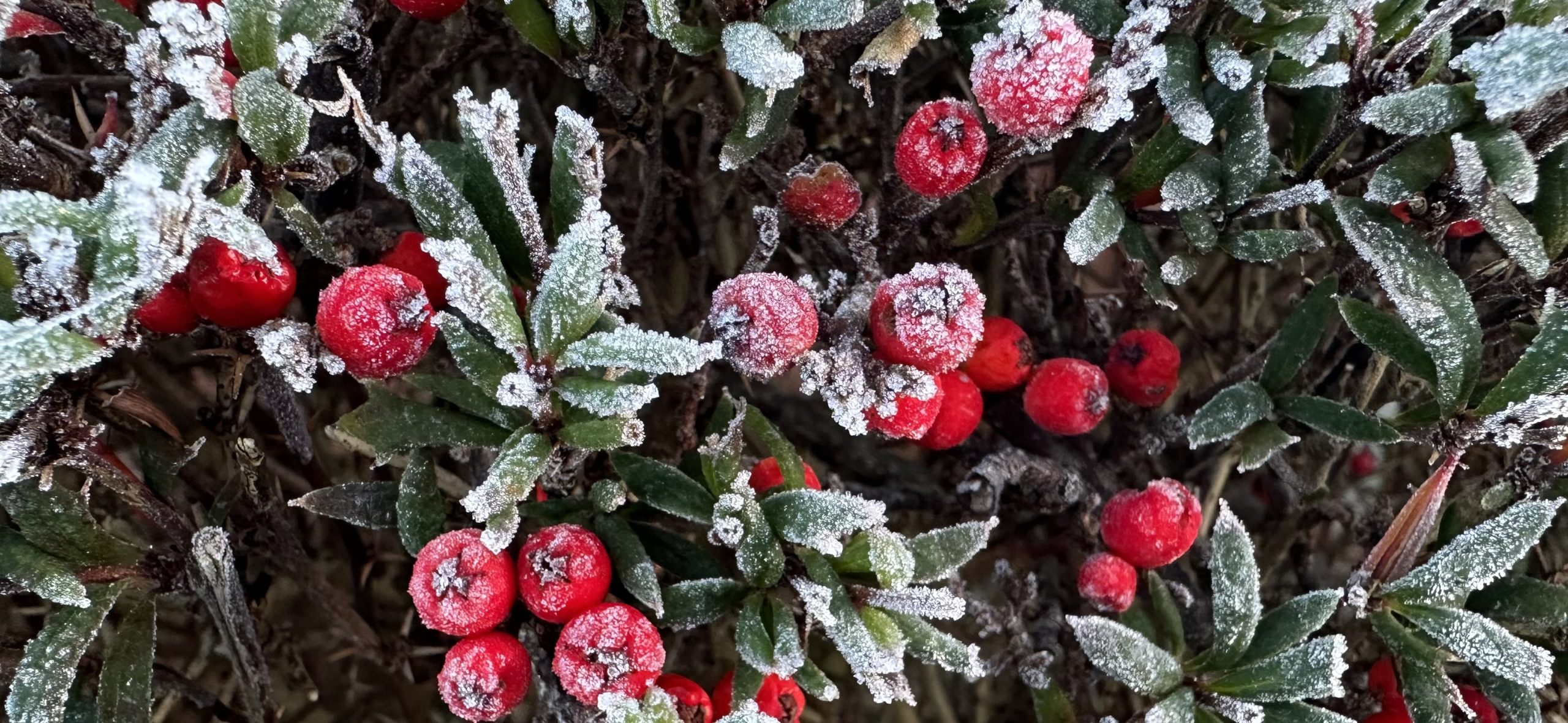
Winter’s stark landscape offers its own kind of magic. Bare branches against a crisp blue sky, frost tracing the edges of fallen leaves, and the brilliant red of berries in hedgerows remind us of nature’s resilience and artistry. Taking time to witness these details, whether through a frosty morning walk or simply watching the sun rise and set, can be a grounding and restorative practice. Being outside, even in the cold, helps our bodies adapt to the season. The natural light aligns our circadian rhythms, while the fresh air revitalises our minds. Wrap up warmly, step into the chill, and let the elements remind you of your connection to the Earth, a connection that nourishes the soul and lifts the spirit.

The Restorative Power of Darkness

Winter also brings longer nights, which many see as a challenge. However, this darkness has its gifts. Research shows that we tend to sleep more deeply in winter, with increased REM sleep – essential for dreaming and visioning. These dreams can inspire new ideas and pathways, as the season itself nurtures the seeds of the coming year. 

Honouring the Cycles of Life

Winter is a reminder that time is cyclical. It’s a season of letting go, of clearing away what no longer serves us to make space for what will. This cyclical nature mirrors the rhythms of the natural world and offers us a chance to align our lives with its flow. By embracing winter rather than resisting it, we discover its wisdom: a time for rest, for visioning, and for quiet preparation. Nature shows us how to survive and even thrive in the cold, reminding us that every season has its purpose and beauty.

Nature

It’s May, the Veil is Thin, Let’s Connect with the Spirits of Nature 

Nature’s Signs, Symbols, and Synchronicity


In the busy-ness of modern life, finding moments of peace and serenity can be a challenge. Yet, nature offers us a sanctuary of stillness and reflection, inviting us to immerse ourselves in its beauty and wisdom. When we mindfully engage, we can learn to observe and interpret the signs, symbols, and metaphors that nature presents, guiding us towards a deeper understanding of ourselves and the world around us.

The Language of Nature

Nature communicates with us in a language of its own, speaking through the rustle of leaves, the dance of sunlight, and the whispers of the wind. Each element of the natural world carries its own symbolism and significance, offering insights into our innermost thoughts and emotions.

The Sacred Circle of Life

One of nature’s most powerful symbols is the circle, representing the cycle of life, death, and rebirth. From the rising and setting of the sun to the changing seasons, the circle reminds us of the eternal rhythm of existence. By observing the cyclical patterns in nature, we can learn to embrace the ebb and flow of life with grace and acceptance.

The Wisdom of Trees

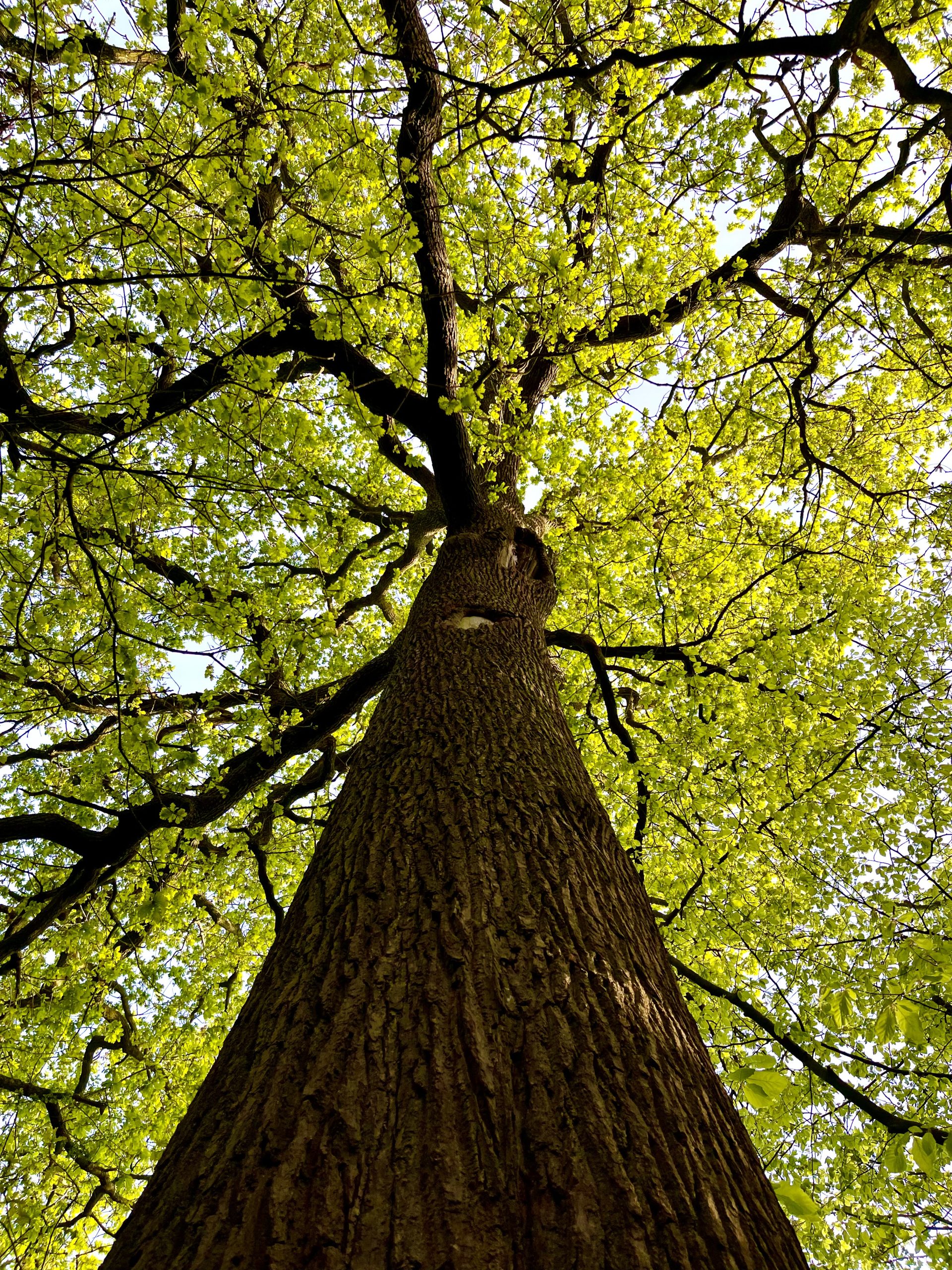
Trees stand as ancient guardians of wisdom, rooted firmly in the earth yet reaching towards the sky. As symbols of strength, resilience, and growth, trees teach us the importance of staying grounded while aspiring to new heights. By connecting with the energy of trees, we can find solace and inspiration in their quiet strength and unwavering presence.

The Dance of Water

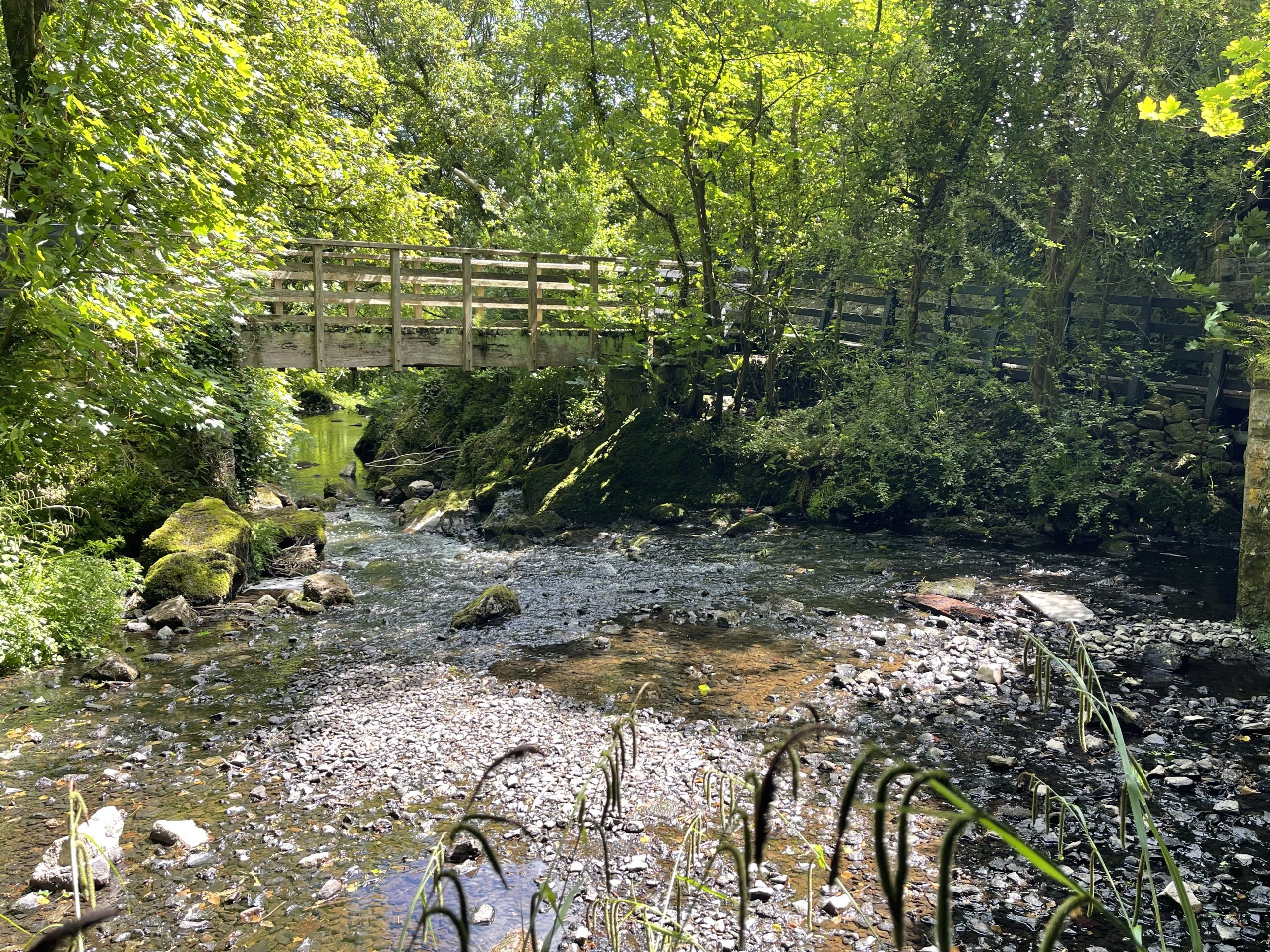
Water flows in graceful arcs, carving its path through the landscape with gentle persistence. Symbolising emotion, intuition, and adaptability, water reminds us to go with the flow and trust in the journey. Whether gazing upon a tranquil lake or listening to the soothing rhythm of raindrops, we can find peace in the fluidity of water’s movement.

The Flight of Birds

Birds take to the skies with freedom and grace, soaring above the earthly realm with effortless elegance. As symbols of freedom, perspective, and spirituality, birds encourage us to rise above our limitations and embrace the vastness of the universe. By observing the flight of birds, we can cultivate a sense of liberation and expansiveness in our own lives.

The Quiet Wisdom of Stones

Stones hold the ancient wisdom of the earth, silent witnesses to the passage of time. With their solid presence and grounding energy, stones symbolise stability, balance, and endurance. By meditating with stones or creating stone mandalas, we can tap into their quiet wisdom and find inner peace amidst life’s challenges.

Find Magic in Nature Spirits

Nature spirits, such as fairies, nymphs and dragons, often depicted as mystical beings in folklore and mythology, play a significant role in our connection with nature. Nature spirits are believed to inhabit trees, flowers, rivers, mountains, and other natural features, embodying the essence and energy of their surroundings. In folklore and mythology, fairies are believed to inhabit forests, meadows, and other natural settings, where they care for plants, animals, and the environment. May is the time when the veil is thinnest and they can be perceived easier. Whether we believe in them as literal beings or symbolic representations, the idea of these mystical beings can inspire a childlike curiosity and encourages us to see the world around us with a sense of wonder, magic and enchantment. Engaging with the concept of nature spirits can deepen our appreciation for the intricate web of life and the unseen forces at work in the natural world. Whether we perceive them as guardians of the forest or simply as symbolic representations of the Earth’s vitality, acknowledging nature spirits can enrich our mindfulness practice and foster a sense of interconnectedness with all living things.

Practicing Mindfulness in Nature

To fully engage with the signs, symbols, and metaphors of nature, we must approach each moment with a spirit of mindfulness and presence. Here are some simple practices to deepen your connection with nature:

  1. Nature Walks: Take regular walks in nature, paying attention to the sights, sounds, and sensations around you.
  2. Nature Journaling: Keep a journal to record your observations, thoughts, and feelings while in nature.
  3. Meditation: Find a quiet spot in nature to sit and meditate, focusing on your breath and the natural world around you. Connect with a tree, tune into its wisdom and receive its unique message to you.
  4. Symbolic Rituals: Create rituals or ceremonies using elements from nature, such as stones, flowers, or water, to honour the cycles of life.
  5. Creative Expression: Use art, poetry, or storytelling to express your experiences and insights gained from nature.

As we open ourselves to the wisdom of nature, we awaken to the beauty, wonder, and interconnectedness of all things. The signs, symbols, and synchronicities of nature, beautifully facilitate our transformative journey of self-discovery, imagination, inspiration, and joy along the way.