Health

Why food is such powerful medicine

As the light softens and the evenings draw in, your body is quietly asking for something different. Autumn is nature’s invitation to slow down, root down and nourish ourselves before winter arrives. Think of this as a “prescription” from the season itself, one that is delicious, affordable and entirely within your reach.

Why food is such powerful medicine

Around 70% of our immune tissue sits in and around the gut, so what you eat shapes how well your body defends itself. A 2021 Stanford study published in Cell found that people eating a diet rich in fermented foods for ten weeks had greater microbiome diversity and lower levels of 19 inflammatory markers, including interleukin-6. Fibre-rich diets have long been linked with healthier gut bacteria and lower inflammation too.

Food alone won’t prevent every cold, but it is one of the most powerful proactive tools we have. Small, consistent choices add up.

Prescription one: swap heavy for hearty

Comfort food doesn’t have to weigh you down. Try these smart swaps:

  • Instead of cream-based chowders, choose a vegetable-packed soup with spinach, garlic and ginger.
  • Instead of white pasta bakes, try roasted vegetables with lentils or beans.
  • Instead of sugary evening treats, bake a cinnamon apple or pear.

Garlic and ginger have been valued in traditional medicine for centuries and both foods add flavour, warmth and beneficial plant compounds, that makes them a wonderful addition to your bowl.

Prescription two: eat October’s harvest

Seasonal produce is at its peak in flavour and often in nutrient content, and it tends to be cheaper too. October’s stars include:

  • Broccoli is rich in vitamin C and sulforaphane, a compound studied for its anti-inflammatory and antioxidant effects.
  • Cabbage is a fibre-rich, budget-friendly food that feeds your beneficial gut bacteria. Fermented as sauerkraut, it’s a probiotic bonus.
  • Cauliflower is versatile and high in fibre and vitamin C. Roasting brings out a lovely sweetness.
  • Pumpkin and squash provide beta-carotene, which your body converts to vitamin A to support healthy immune function.
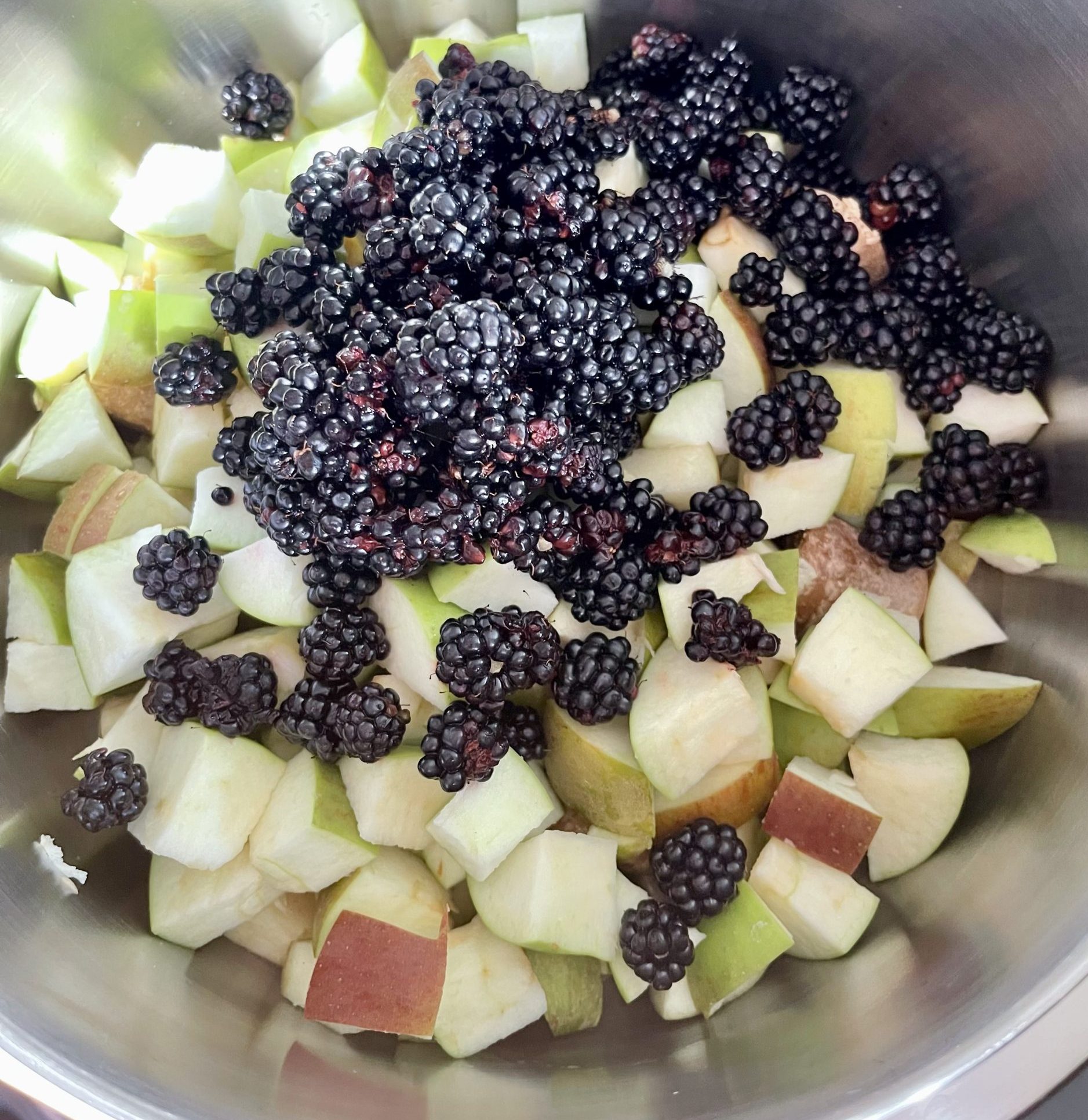
  • Apples, pears and blackberries are full of polyphenols and fibre.

Prescription three: feed your gut

Aim for variety. Researchers suggest eating 30 different plant foods a week (vegetables, fruit, pulses, wholegrains, nuts, seeds, herbs and spices) to support a diverse microbiome. It sounds like a lot, but a single soup with onion, garlic, carrot, celery, lentils, spinach and herbs gets you a long way.

Add a spoonful of live yoghurt, kefir, kimchi or sauerkraut daily, and you’re supporting your gut from both sides.

Prescription four: eat with the season, mind and body

In the cycle of the year, autumn is a time of harvest, release and letting go. It’s also the season of the “grounding” foods: roots, squashes and warming spices. Eating slowly, giving thanks for your meal and noticing the colours and aromas is a simple mindful practice that supports digestion and helps your nervous system settle. Whether you see it as science, tradition or both, there’s wisdom in aligning with nature’s rhythm.

A simple autumn immunity soup

Sauté onion, two crushed garlic cloves and a thumb of grated ginger in olive oil. Add chopped carrot, butternut squash and a cup of red lentils, cover with vegetable stock and simmer for 25 minutes. Stir in a big handful of spinach at the end, blend if you like and finish with lemon juice and black pepper. Nourishing, warming and ready in under 45 minutes.

Your autumn prescription, at a glance

  • Add one extra portion of vegetables to every meal.
  • Include a fermented food daily.
  • Cook one big pot of seasonal soup each week.
  • Get outside in natural daylight when you can, and consider vitamin D, as UK health guidance advises considering a supplement from October to March.
  • Eat slowly and gratefully.

Autumn reminds us that letting go and nourishing ourselves can go hand in hand. What will you add to your plate this week?

Note: This article is for general wellbeing information and isn’t a substitute for personalised medical advice. If you have a health condition or take medication, please speak with your GP or a registered professional before making significant dietary changes.
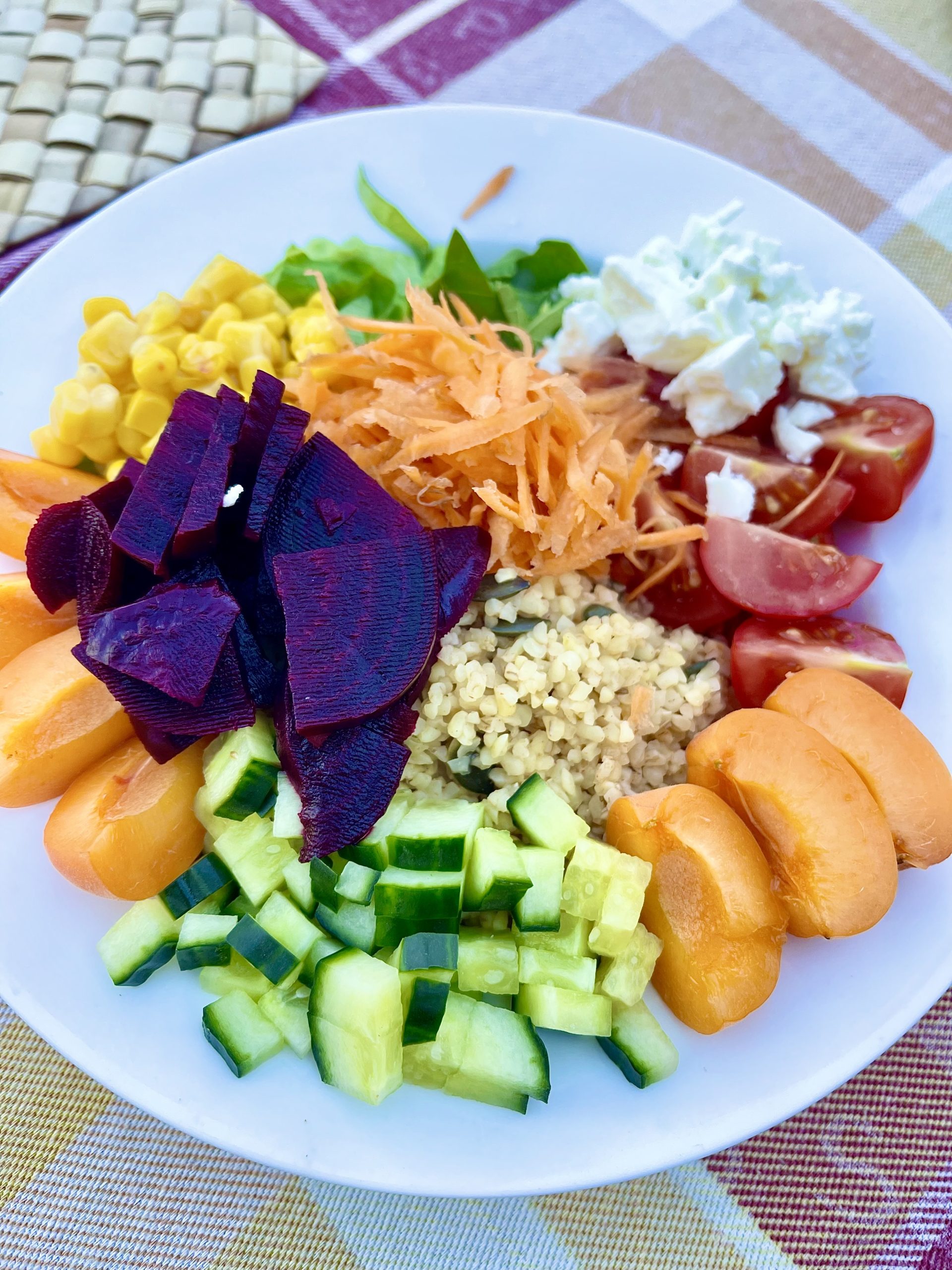
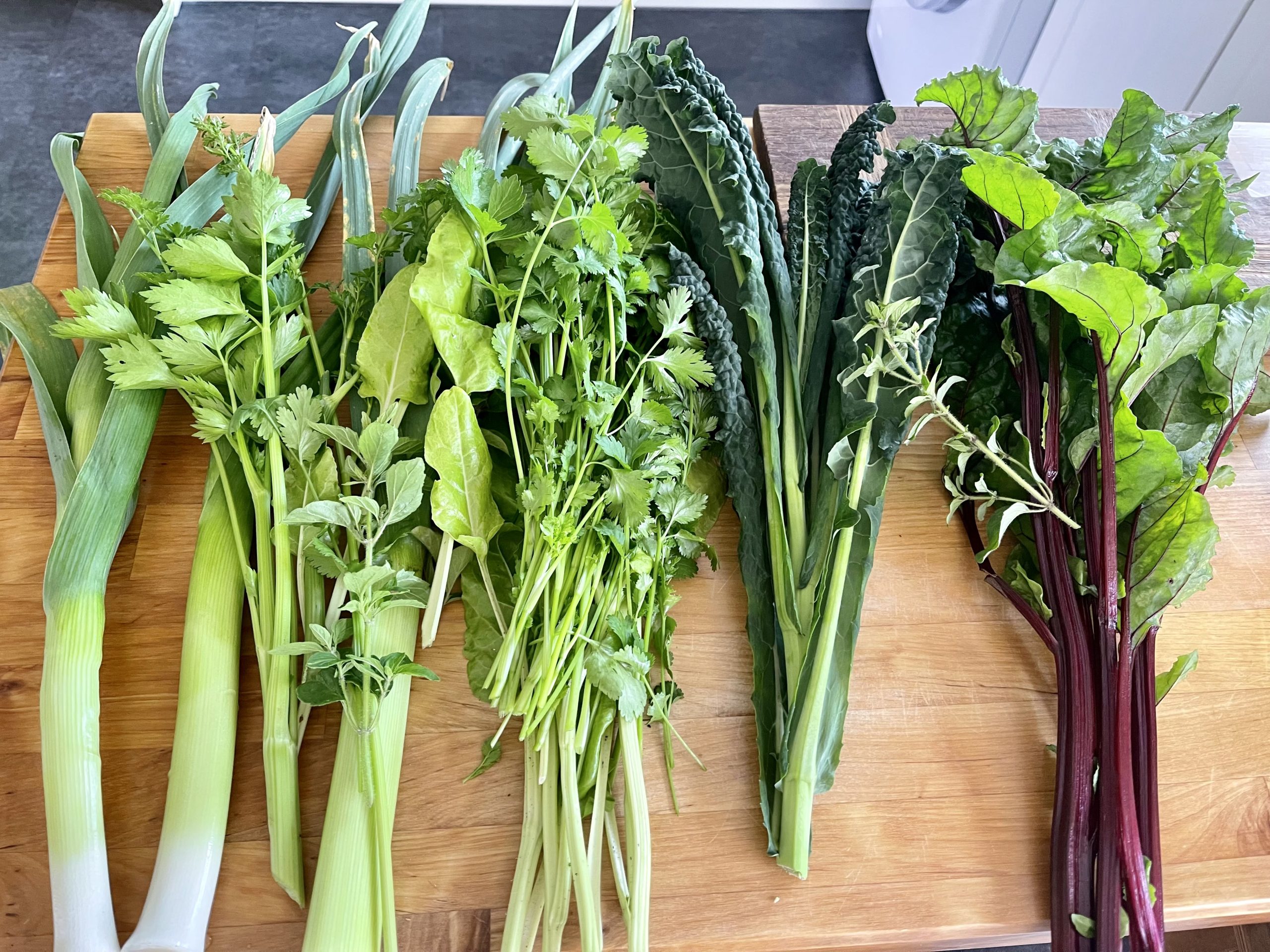
Health

What to Eat to Invest in Your Health


We all want to be healthy, strong, vibrant, and free from chronic disease well into our seventies and beyond but apparently only one in ten of us achieves that. So what does it take to join the ranks of people who remain in good health at 70? A groundbreaking study published in Nature Medicine provides clear answers, showing that our diet choices in midlife can directly impact our health decades later.

The Key to Healthy Aging

The study tracked over 105,000 people aged 39 to 69 for three decades. It found that only 9.3% of participants reached 70 without developing a major chronic disease such as cancer, diabetes, stroke, or Parkinson’s. However, those who followed one of several science-backed eating patterns—such as the Mediterranean diet, the Alternative Healthy Eating Index (AHEI), or the MIND diet—had a significantly greater chance of aging healthily.

The study highlights one simple truth: there is no magic pill for longevity—only consistent, healthy eating habits. Here’s what you need to eat, and avoid, to invest in your long-term health:

What to Eat for Longevity and Health

1. Prioritise Fruits and Vegetables

Aim for at least five servings of vegetables daily, with a focus on leafy greens (such as spinach and kale) and a variety of colourful produce. Consume four servings of fruit per day, emphasising berries, apples, and pears for their high antioxidant content. Minimise fruit juice, which lacks fibre and can spike blood sugar levels.

2. Eat Whole Grains Daily

Strive for five to six servings of whole grains each day. Options include oats, quinoa, brown rice, buckwheat, barley, and ancient grains like freekeh. These grains provide fibre, B vitamins, and antioxidants that support heart health and lower inflammation.

3. Incorporate Healthy Fats

Use at least one tablespoon of olive oil daily—a key component of longevity-focused diets. Replace butter and saturated fats with plant-based oils like olive, avocado, and flaxseed oil. Studies show that swapping butter for plant-based oils can reduce the risk of early death by 17%.

4. Eat More Legumes and Pulses

Aim for two to three servings of beans, lentils, and chickpeas weekly. These protein-packed foods reduce the risk of colon cancer and cardiovascular disease. Even just one serving per week provides major health benefits.

5. Consume Fatty Fish Weekly

Eat at least one serving of fish per week, ideally an oily fish like salmon, sardines, or mackerel. These are rich in omega-3 fatty acids, which support brain health, reduce inflammation, and protect against heart disease. For vegetarians, walnuts and pumpkin seeds provide plant-based omega-3s.

What to Avoid for Healthy Aging

1. Cut Down on Ultra-Processed Foods (UPFs)

Diets high in UPFs (such as processed snacks, sugary drinks, and ready meals) lowered participants’ chance of healthy aging by 32%. These foods contain excess sugar, salt, and unhealthy fats, leading to higher risks of diabetes, heart disease, and cancer. Instead, choose whole, nutrient-dense foods with minimal processing.

2. Reduce Processed Meats

Processed meats like bacon, sausages, and deli meats have been linked to bowel cancer. The NHS recommends limiting or eliminating processed meats for long-term health. Opt for lean animal protein sources like poultry, fish, or plant-based alternatives.

The message from this study is clear: good nutrition is the most powerful tool we have for healthy aging. Rather than focusing on trends, fad diets, or miracle superfoods, the key is a balanced diet rich in whole, natural foods.

Your future self will thank you for the choices you make today! Invest in your health now, and enjoy a vibrant, disease-free life for decades to come.

Health

Spring Renewal

Supporting Your Body’s Natural Detox with Leafy Greens
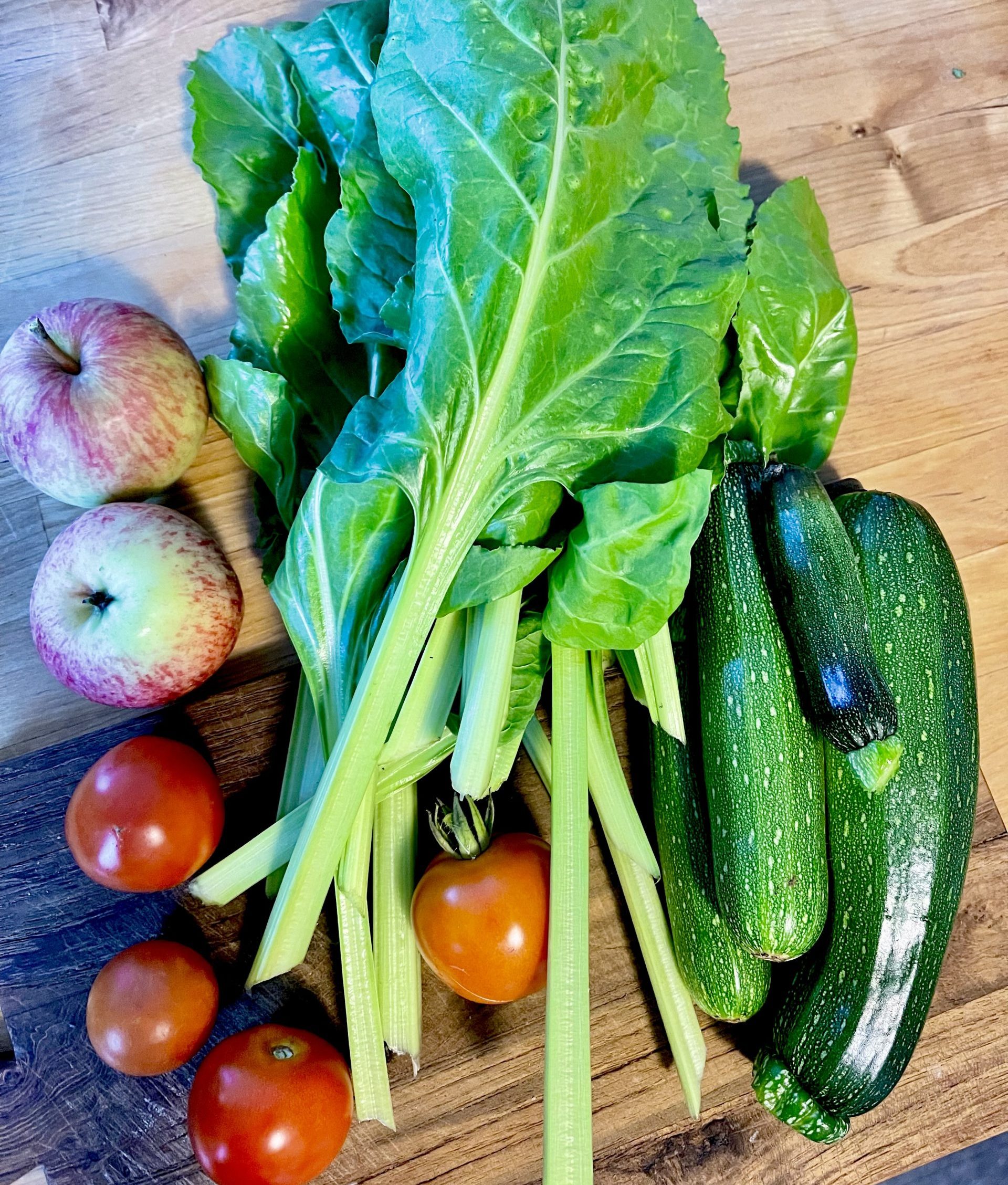
As early spring unfolds, our bodies instinctively begin a process of renewal. Just as nature transitions, shedding the heaviness of winter, our systems also undergo a shift—releasing accumulated toxins and awakening our immune defenses. This natural detoxification process is essential for maintaining overall well-being, and the foods we eat can either support or hinder this transition.

Spring and the Body’s Natural Detox

In Traditional Chinese Medicine and holistic health practices, spring is considered the season of the liver—the body’s primary detoxification organ. During this time, the body works to clear out stagnation, support digestion, and prepare for increased energy levels. Symptoms like mild fatigue, headaches, sluggish digestion, or skin breakouts may be signs that your body is releasing stored toxins from winter.

One of the best ways to support this process is through food. “Food on prescription” is an emerging concept that highlights the healing power of nutrition, and early spring offers an abundance of nutrient-rich greens that can help cleanse the body and boost immunity.

Leafy Greens: The Ultimate Spring Cleanse

Leafy greens are nature’s detoxifiers. Packed with chlorophyll, antioxidants, fiber, and essential vitamins, they help the liver process toxins more efficiently while also providing key nutrients for immune function. Some of the best greens to incorporate this season include:

  • Dandelion Greens – Known for their liver-supporting properties, dandelion greens help flush out toxins and aid digestion.
  • Spinach & Kale – Rich in iron, folate, and vitamin C, these greens boost energy and support cellular repair.
  • Watercress – A powerhouse of antioxidants, watercress supports circulation and reduces inflammation.
  • Swiss Chard – High in magnesium and potassium, chard helps regulate hydration and supports kidney function.

How to Incorporate Leafy Greens into Your Diet

To maximize the benefits, aim to eat a variety of leafy greens daily. Here are some simple ways to incorporate them:

  • Morning Green Smoothie: Blend spinach, kale, cucumber, lemon, and ginger for a refreshing detox drink.
  • Spring Salads: Mix arugula, watercress, and dandelion greens with fruits and nuts for a revitalising meal.
  • Healing Soups: Add Swiss chard or kale to a light vegetable broth with garlic and turmeric for an immune-boosting soup.
  • Sauteed Greens: Lightly sauté spinach or dandelion greens with olive oil, garlic, and a pinch of sea salt for a simple yet nutritious side dish.

The Connection Between Detox & Immunity

A cleaner, well-supported liver leads to a stronger immune system. As toxins are eliminated more effectively, inflammation decreases, digestion improves, and energy levels rise. By embracing the foods that nature provides in early spring, we align our bodies with the rhythms of the season, promoting long-term wellness and vitality. You’ll not only support detoxification but also strengthen your immune system, leaving you feeling lighter, clearer, and more energised for the season ahead.

Food

The Surprising Defence Against Flu


When it’s flu season, many of us prepare by stocking up on vitamin C. But what if the secret to a stronger immune system was in your daily diet? According to groundbreaking research, dietary fibre could be the one a powerful ally in shielding your body from influenza and other viral infections.

Fibre and the Immune System: A Gut Connection

We’ve long known that fibre is essential for digestive health, but scientists are now uncovering its broader impact on immunity. When natural fibre from vegetables, legumes, fruits, and grains enters the gut, it undergoes fermentation by probiotic bacteria. This process produces short-chain fatty acids (SCFAs)—powerful compounds that don’t just stay in the gut but travel throughout the body, boosting the immune system in remarkable ways.

How SCFAs Fight Viruses

SCFAs, particularly acetate, propionate, and butyrate, are produced in the colon when fermentable fibre is digested by beneficial gut bacteria. Once in circulation, these SCFAs bolster the immune system in several key ways:

  • SCFAs boost the metabolism of T-cells, the immune cells responsible for fighting off infections.
  • They help balance the body’s inflammatory response, reducing excessive inflammation triggered by viruses like influenza.
  • SCFAs have shown the ability to prevent viruses from entering cells and replicating.
  • SCFAs strengthens the immune system’s response.

Fibre and Flu

The researchers discovered that patients with influenza often have a deficiency in SCFA-producing gut bacteria. By increasing your intake of fermentable fibre, you can support the growth of these beneficial bacteria and enhance your body’s ability to resist the flu.

In studies, higher SCFA levels were linked to reduced severity of influenza infections. SCFAs significantly lowered the viral load in the lungs, helping minimise symptoms and complications.

The Best Sources of Fermentable Fibre

To boost your SCFA production and strengthen your immune system, focus on incorporating natural, fibre-rich foods into your diet. Synthetic fibre supplements, researchers warn, do not offer the same benefits. Some of the best sources of fermentable fibre include:

  • Fruits: Apples, bananas, and berries
  • Vegetables: Onions, leeks, and leafy greens
  • Legumes: Lentils, chickpeas, and black beans
  • Grains: Oats, barley, and whole wheat
  • Nuts and Seeds: Almonds, chia seeds, and flaxseeds

How Much Fibre Do You Need?

General dietary guidelines suggest:

  • Men: 30–38 grams per day
  • Women: 21–25 grams per day
  • Children: 19–25 grams per day

A Natural Booster for Flu Season

Increasing your fibre intake can act as a “booster” to help ward off infection or lessen symptoms if you do get sick. According to the research team, the SCFAs produced from dietary fibre not only enhance immunity but also reduce serious complications from viruses like influenza.

So, to stay healthy, consider adding more fibre-rich foods to your plate. Not only will you support your gut health, but you’ll also give your immune system the tools it needs to fight off viruses more effectively.

Fibre may not make you completely flu-proof, but it could mean the difference between a severe infection and mild symptoms. So, this winter, let your diet be your defence, because often, the simplest solutions are the most powerful.

Health

Eating Naturally

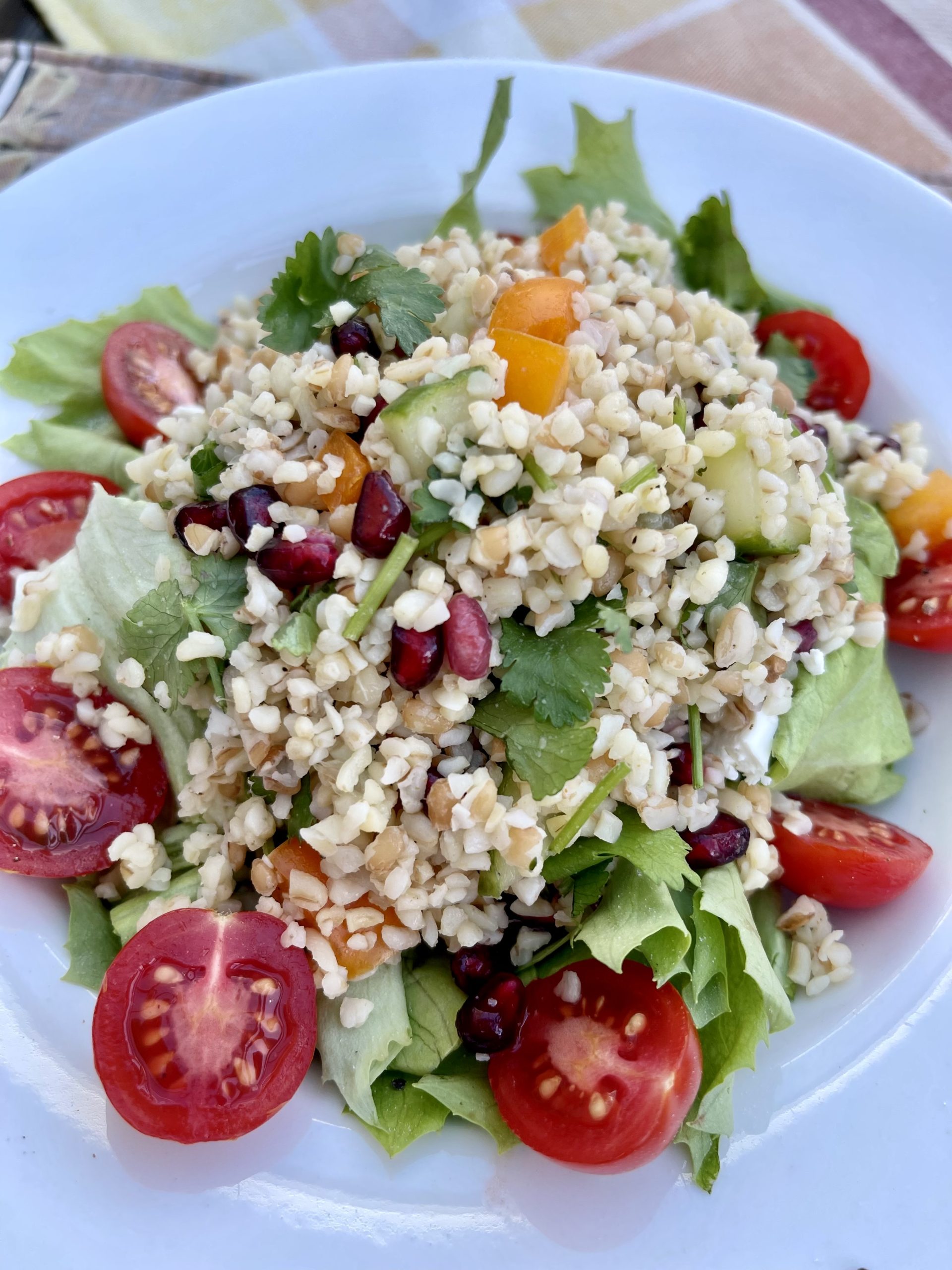
Tabouleh

It’s good for your Health and good for the Environment

At a time when longevity and well-being is highly sought after, our dietary choices have become crucial. Emerging research highlights not only the profound impact of what we eat on our personal health but also on the health of our planet. A recent study published in The American Journal of Clinical Nutrition on June 10, 2024, shows the remarkable benefits of the Planetary Health Diet (PHD), a sustainable and nutrient-rich dietary pattern. This study underscores how adopting a diet rich in plant-based whole foods can dramatically reduce the risk of premature death by 30% while simultaneously lessening our environmental footprint.

What is the Planetary Health Diet?

The Planetary Health Diet, introduced in the 2019 EAT-Lancet report, emphasises a balanced intake of plant-based foods with minimal animal products. The diet is designed to optimise human health while being sustainable for the planet. Here’s a snapshot of what it entails:

  • Half of the Plate: Filled with fruits and vegetables, providing essential vitamins, minerals, and fiber.
  • The Other Half: Composed of whole grains, plant proteins (like beans and nuts), unsaturated plant oils, and a small portion of animal protein.

This diet encourages reducing red meat and sugar intake, which not only benefits individual health but also reduces environmental pressures such as greenhouse gas emissions, land use, and water consumption.

Key Findings from the Study

The groundbreaking study analysed data from over 200,000 participants over several decades. The study found that adherence to the Planetary Health Diet significantly lowers the risk of premature death from major causes like cancer, heart disease, and lung disease. Participants who followed the diet closely experienced a 30% lower risk of premature death compared to those who did not adhere to the diet. This statistic alone is a powerful testament to the life-extending benefits of natural, whole-food eating.

The Dual Benefits: Health and Environment

One of the most compelling aspects of the Planetary Health Diet is its dual benefit to both human and planetary health:

  1. Personal Health: The diet’s emphasis on whole, plant-based foods provides essential nutrients while reducing the intake of processed and animal-based foods. This balance supports cardiovascular health, reduces the risk of chronic diseases, and promotes overall longevity.
  2. Environmental Impact: The study also highlighted the environmental advantages of the Planetary Health Diet. Participants with the highest adherence to the diet had significantly lower environmental footprints. This included 29% lower greenhouse gas emissions, 21% lower fertiliser needs, and 51% lower cropland use. This reduction is crucial as our food system is a major driver of environmental degradation and climate change.

The Link Between Diet and Climate Change

Dr. Walter Willett, a professor of epidemiology and nutrition at Harvard, emphasised the critical role our food choices play in combating climate change. He stated, “Climate change has our planet on track for ecological disaster, and our food system plays a major role. Shifting how we eat can help slow the process of climate change. And what’s healthiest for the planet is also healthiest for humans.”

This perspective aligns with the growing recognition that sustainable eating practices are integral to both our survival and the planet’s future. By choosing diets that prioritise plant-based foods and minimise animal products, we not only improve our health but also contribute to a more sustainable world.

How to Embrace a Natural Diet

Adopting a diet that benefits both health and the environment doesn’t have to be complicated. Here are some practical tips to help you get started:

  1. Fill Half Your Plate with Fruits and Vegetables: These foods are rich in nutrients and fibre and low in calories, making them perfect for maintaining a healthy weight and supporting overall health.
  2. Choose Whole Grains: Replace refined grains like white rice and pasta with whole grains such as quinoa, brown rice, and whole wheat. Whole grains provide more nutrients and fibre, which are essential for digestive health.
  3. Opt for Plant Proteins: Incorporate more beans, lentils, nuts, and seeds into your diet. These plant-based proteins are rich in essential nutrients and are more sustainable than animal-based proteins.
  4. Limit Meat and Dairy: While the PHD does not entirely eliminate meat and dairy, it encourages moderation. Try to reduce your intake of red meat and opt for leaner, sustainable options like fish or plant-based alternatives.
  5. Use Unsaturated Plant Oils: Choose oils such as olive or canola oil over saturated fats like butter. Unsaturated fats are better for heart health and are a staple of the PHD.
  6. Reduce Sugar and Processed Foods: Minimise your intake of sugary and highly processed foods. These foods often contribute to weight gain and chronic diseases and have a higher environmental cost due to their production and packaging.

The Planetary Health Diet offers a compelling blueprint for a healthier, more sustainable future. By aligning our dietary choices with the principles of natural, plant-based eating, we can significantly enhance our health while playing a vital role in protecting our planet. As we face the dual challenges of public health crises and environmental degradation, adopting such sustainable dietary patterns becomes not just a personal choice but a global imperative.

Embrace the power of natural foods and make mindful choices that nourish the body and safeguard the Earth. After all, what’s good for the planet is ultimately good for us too.

Food

The Link Between Mental Health and Gut-health

How Diet Impacts Anxiety


In our pursuit of mental well-being, we often look to therapies, medications, and lifestyle changes. What about the food on our plates? Can what we eat truly influence our mental health, particularly conditions like anxiety? The answer, according to research and specialist nutritionists is a resounding YES.

Understanding the Brain-Gut Connection

The link between the gut and the brain is well-documented, and recent studies suggest that what we eat can significantly impact our mental health. Our diet influences the brain in three main ways: the production of neurotransmitters, gut health, and inflammation.

Production of Neurotransmitters

Neurotransmitters like serotonin and dopamine play a crucial role in regulating mood and emotions. Certain nutrients found in our diet, such as B vitamins and omega-3 fatty acids, are essential for the production of these neurotransmitters. Foods high in tryptophan, like eggs, nuts, seeds, whole grains and legumes, can boost serotonin levels, contributing to a brighter mood and emotional balance.

Gut Health

The gut-brain axis, a two-way connection between the brain and the micro-organisms in the gut, is influenced by what we eat. An imbalance in the gut microbiome, known as dysbiosis, can disrupt neurotransmitter production and lead to mental health disorders like anxiety and depression. Inflammation in the gut caused by a poor diet high in ultra-processed foods and sugar has been linked to mental health issues.

Inflammation

Chronic inflammation, triggered by poor dietary choices, is associated with various health problems, including mental health conditions. Consuming anti-inflammatory foods like berries, fruit and vegetables, can help reduce inflammation in the body and improve mental health.

Impact of Diet on Anxiety

While no single diet can cure anxiety, certain dietary patterns can exacerbate or alleviate its symptoms. Ultra-processed foods high in sugar can cause spikes and crashes in blood sugar levels, leading to irritability and anxiety. Eating at regular intervals throughout the day and consuming foods high in protein, good fats, and fibre can help stabilise blood sugar levels and prevent mood swings.

Eating Mindfully

How we eat is as important as what we eat. Eating in a rushed, stressed manner can lead to digestive issues and exacerbate anxiety symptoms. Practicing mindful eating techniques, such as chewing food thoroughly and savouring each bite, can reduce stress levels and promote relaxation.

Foods that Support Mental Health

  1. Magnesium-Rich Foods: Spinach, pumpkin seeds, avocados, and bananas are rich in magnesium, which helps to regulate cortisol levels and blood pressure, crucial for managing anxiety.
  2. Complex Carbohydrates: Whole grains, fibre-rich fruits, and vegetables release sugar into the blood slowly, preventing spikes and lows in blood sugar levels and stabilising mood.
  3. Gut-Friendly Foods: Probiotics found in fermented foods like sauerkraut and kefir, and prebiotics found in vegetables and whole grains, support gut health and have been linked to improved mood and reduced anxiety.
  4. Other Beneficial Foods: Nuts, berries, and foods rich in omega-3 fatty acids support neurotransmitter function and help manage anxiety symptoms.

A healthy diet can be a powerful tool as part of a holistic approach to mental health. By nourishing our bodies with the right foods, we can support our mental health and overall well-being.