
When it’s flu season, many of us prepare by stocking up on vitamin C. But what if the secret to a stronger immune system was in your daily diet? According to groundbreaking research, dietary fibre could be the one a powerful ally in shielding your body from influenza and other viral infections.
Fibre and the Immune System: A Gut Connection
We’ve long known that fibre is essential for digestive health, but scientists are now uncovering its broader impact on immunity. When natural fibre from vegetables, legumes, fruits, and grains enters the gut, it undergoes fermentation by probiotic bacteria. This process produces short-chain fatty acids (SCFAs)—powerful compounds that don’t just stay in the gut but travel throughout the body, boosting the immune system in remarkable ways.
How SCFAs Fight Viruses
SCFAs, particularly acetate, propionate, and butyrate, are produced in the colon when fermentable fibre is digested by beneficial gut bacteria. Once in circulation, these SCFAs bolster the immune system in several key ways:
- SCFAs boost the metabolism of T-cells, the immune cells responsible for fighting off infections.
- They help balance the body’s inflammatory response, reducing excessive inflammation triggered by viruses like influenza.
- SCFAs have shown the ability to prevent viruses from entering cells and replicating.
- SCFAs strengthens the immune system’s response.
Fibre and Flu
The researchers discovered that patients with influenza often have a deficiency in SCFA-producing gut bacteria. By increasing your intake of fermentable fibre, you can support the growth of these beneficial bacteria and enhance your body’s ability to resist the flu.
In studies, higher SCFA levels were linked to reduced severity of influenza infections. SCFAs significantly lowered the viral load in the lungs, helping minimise symptoms and complications.
The Best Sources of Fermentable Fibre
To boost your SCFA production and strengthen your immune system, focus on incorporating natural, fibre-rich foods into your diet. Synthetic fibre supplements, researchers warn, do not offer the same benefits. Some of the best sources of fermentable fibre include:
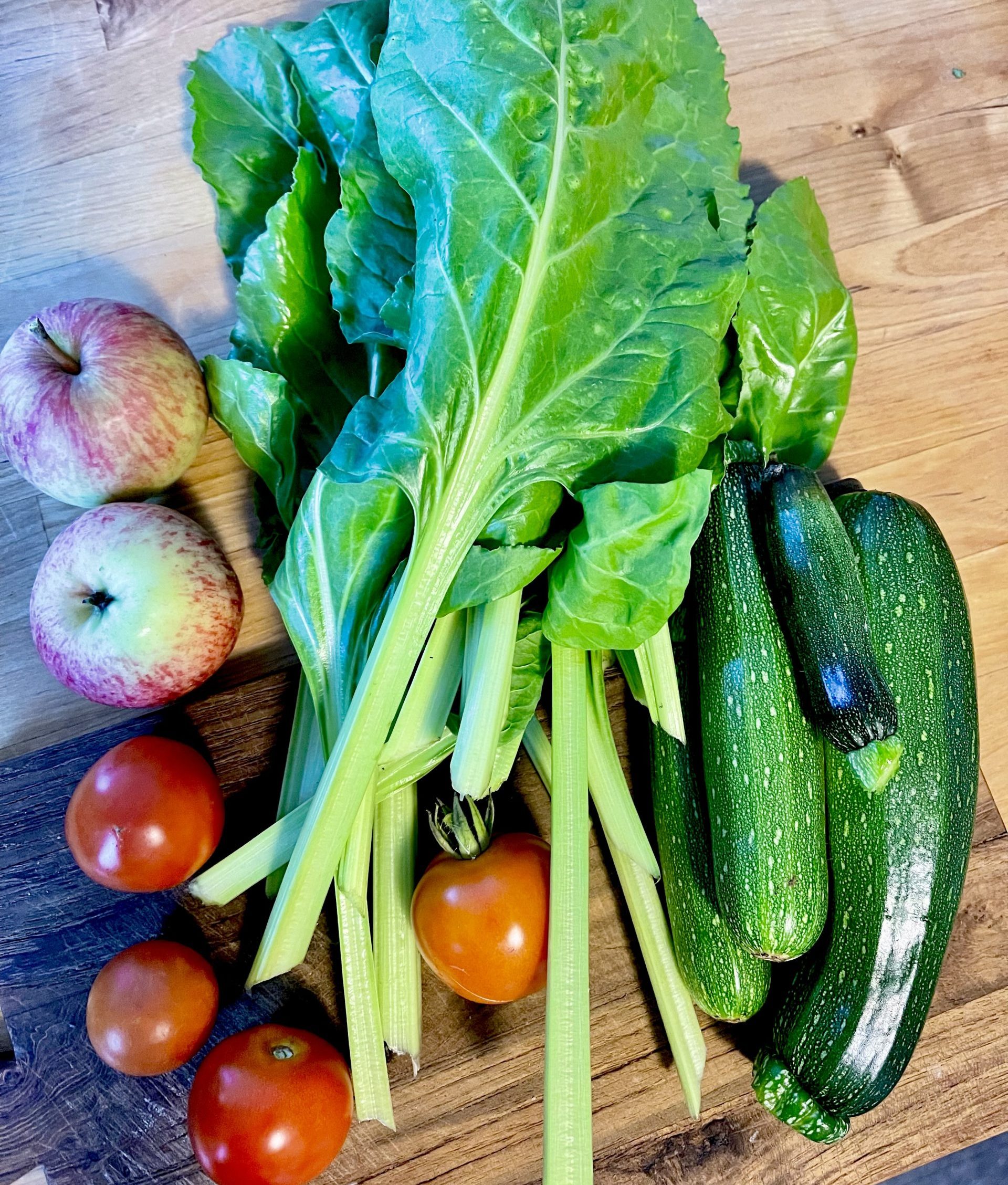
- Fruits: Apples, bananas, and berries
- Vegetables: Onions, leeks, and leafy greens
- Legumes: Lentils, chickpeas, and black beans
- Grains: Oats, barley, and whole wheat
- Nuts and Seeds: Almonds, chia seeds, and flaxseeds
How Much Fibre Do You Need?
General dietary guidelines suggest:
- Men: 30–38 grams per day
- Women: 21–25 grams per day
- Children: 19–25 grams per day
A Natural Booster for Flu Season
Increasing your fibre intake can act as a “booster” to help ward off infection or lessen symptoms if you do get sick. According to the research team, the SCFAs produced from dietary fibre not only enhance immunity but also reduce serious complications from viruses like influenza.
So, to stay healthy, consider adding more fibre-rich foods to your plate. Not only will you support your gut health, but you’ll also give your immune system the tools it needs to fight off viruses more effectively.
Fibre may not make you completely flu-proof, but it could mean the difference between a severe infection and mild symptoms. So, this winter, let your diet be your defence, because often, the simplest solutions are the most powerful.