
It’s good for your Health and good for the Environment
At a time when longevity and well-being is highly sought after, our dietary choices have become crucial. Emerging research highlights not only the profound impact of what we eat on our personal health but also on the health of our planet. A recent study published in The American Journal of Clinical Nutrition on June 10, 2024, shows the remarkable benefits of the Planetary Health Diet (PHD), a sustainable and nutrient-rich dietary pattern. This study underscores how adopting a diet rich in plant-based whole foods can dramatically reduce the risk of premature death by 30% while simultaneously lessening our environmental footprint.
What is the Planetary Health Diet?
The Planetary Health Diet, introduced in the 2019 EAT-Lancet report, emphasises a balanced intake of plant-based foods with minimal animal products. The diet is designed to optimise human health while being sustainable for the planet. Here’s a snapshot of what it entails:
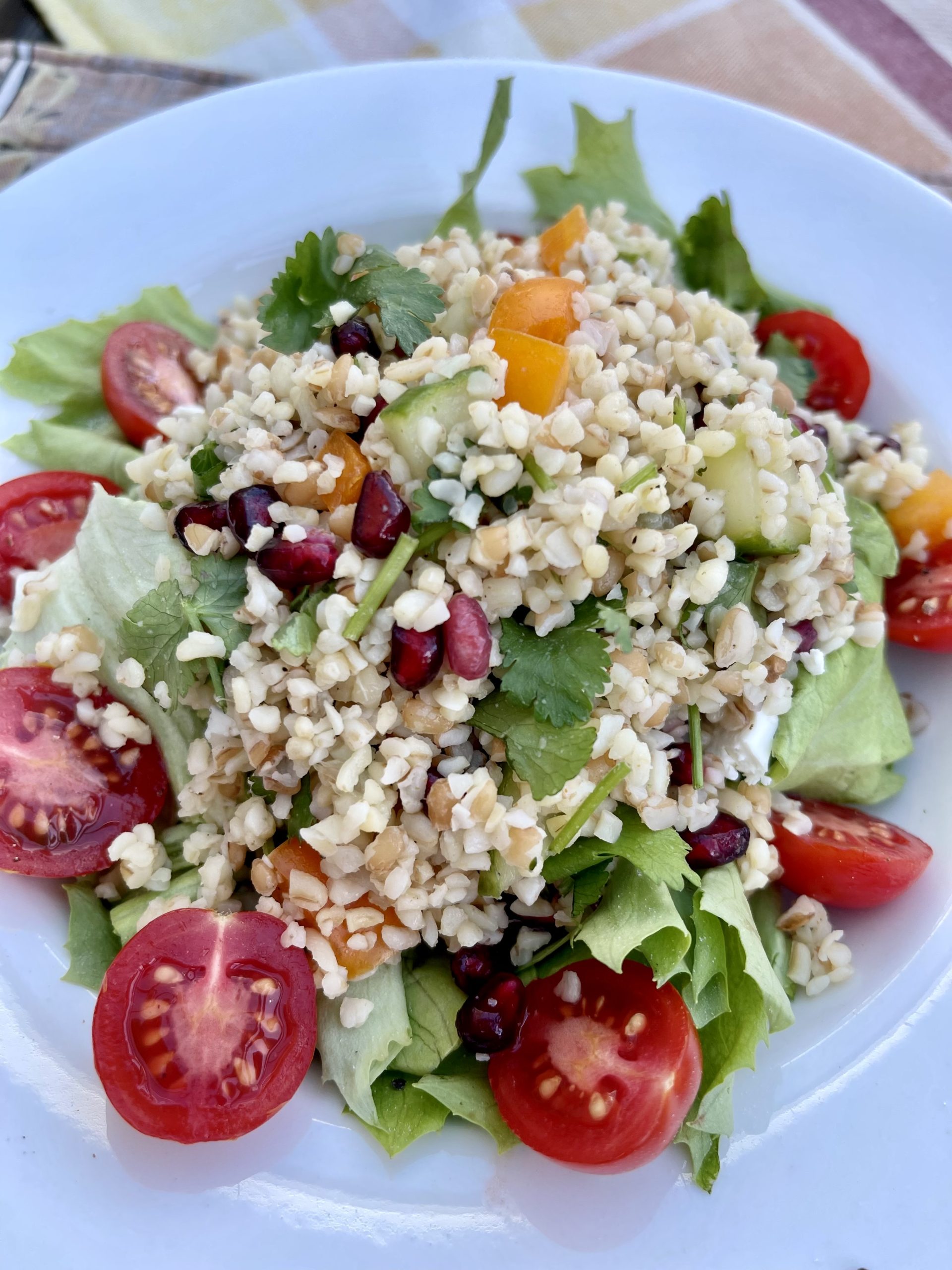
- Half of the Plate: Filled with fruits and vegetables, providing essential vitamins, minerals, and fiber.
- The Other Half: Composed of whole grains, plant proteins (like beans and nuts), unsaturated plant oils, and a small portion of animal protein.
This diet encourages reducing red meat and sugar intake, which not only benefits individual health but also reduces environmental pressures such as greenhouse gas emissions, land use, and water consumption.
Key Findings from the Study
The groundbreaking study analysed data from over 200,000 participants over several decades. The study found that adherence to the Planetary Health Diet significantly lowers the risk of premature death from major causes like cancer, heart disease, and lung disease. Participants who followed the diet closely experienced a 30% lower risk of premature death compared to those who did not adhere to the diet. This statistic alone is a powerful testament to the life-extending benefits of natural, whole-food eating.
The Dual Benefits: Health and Environment
One of the most compelling aspects of the Planetary Health Diet is its dual benefit to both human and planetary health:
- Personal Health: The diet’s emphasis on whole, plant-based foods provides essential nutrients while reducing the intake of processed and animal-based foods. This balance supports cardiovascular health, reduces the risk of chronic diseases, and promotes overall longevity.
- Environmental Impact: The study also highlighted the environmental advantages of the Planetary Health Diet. Participants with the highest adherence to the diet had significantly lower environmental footprints. This included 29% lower greenhouse gas emissions, 21% lower fertiliser needs, and 51% lower cropland use. This reduction is crucial as our food system is a major driver of environmental degradation and climate change.
The Link Between Diet and Climate Change
Dr. Walter Willett, a professor of epidemiology and nutrition at Harvard, emphasised the critical role our food choices play in combating climate change. He stated, “Climate change has our planet on track for ecological disaster, and our food system plays a major role. Shifting how we eat can help slow the process of climate change. And what’s healthiest for the planet is also healthiest for humans.”
This perspective aligns with the growing recognition that sustainable eating practices are integral to both our survival and the planet’s future. By choosing diets that prioritise plant-based foods and minimise animal products, we not only improve our health but also contribute to a more sustainable world.
How to Embrace a Natural Diet
Adopting a diet that benefits both health and the environment doesn’t have to be complicated. Here are some practical tips to help you get started:
- Fill Half Your Plate with Fruits and Vegetables: These foods are rich in nutrients and fibre and low in calories, making them perfect for maintaining a healthy weight and supporting overall health.
- Choose Whole Grains: Replace refined grains like white rice and pasta with whole grains such as quinoa, brown rice, and whole wheat. Whole grains provide more nutrients and fibre, which are essential for digestive health.
- Opt for Plant Proteins: Incorporate more beans, lentils, nuts, and seeds into your diet. These plant-based proteins are rich in essential nutrients and are more sustainable than animal-based proteins.
- Limit Meat and Dairy: While the PHD does not entirely eliminate meat and dairy, it encourages moderation. Try to reduce your intake of red meat and opt for leaner, sustainable options like fish or plant-based alternatives.
- Use Unsaturated Plant Oils: Choose oils such as olive or canola oil over saturated fats like butter. Unsaturated fats are better for heart health and are a staple of the PHD.
- Reduce Sugar and Processed Foods: Minimise your intake of sugary and highly processed foods. These foods often contribute to weight gain and chronic diseases and have a higher environmental cost due to their production and packaging.
The Planetary Health Diet offers a compelling blueprint for a healthier, more sustainable future. By aligning our dietary choices with the principles of natural, plant-based eating, we can significantly enhance our health while playing a vital role in protecting our planet. As we face the dual challenges of public health crises and environmental degradation, adopting such sustainable dietary patterns becomes not just a personal choice but a global imperative.
Embrace the power of natural foods and make mindful choices that nourish the body and safeguard the Earth. After all, what’s good for the planet is ultimately good for us too.