
The Joy of Cooking and Eating Mindfully
In today’s fast-paced world, many people struggle with anxiety and depression. One effective strategy for managing these conditions is through mindfulness, particularly when it comes to cooking and eating. Mindfulness, the practice of being fully present in the moment, has been shown to improve mental health. Here’s how integrating mindfulness into your culinary habits can enhance your well-being.
Mindful Cooking
Cooking your own meals can be a deeply mindful activity. It’s not just about preparing food; it’s about engaging all your senses. When you cook, take a moment to notice the sizzle of oil in the pan, the aroma of herbs and spices, the vibrant colours of fresh vegetables, and the tactile sensation of chopping greens. This sensory awareness anchors you in the present moment, helping to reduce stress and promote relaxation.
Nutritional expert, Dr Ramsey, suggests that by choosing whole foods over highly processed ones, you not only improve your nutrition but also encourage mindfulness. For example, instead of indulging in ice cream, try a bowl of full-fat yogurt with berries, pistachios, honey, and dark chocolate shavings. This simple swap not only enhances your nutrient intake but also requires you to be more intentional about what you’re eating.
The Mindful Eating Experience
Mindful eating involves paying full attention to the experience of eating and drinking, both inside and outside the body. When you eat mindfully, you savour each bite, appreciating the textures and flavours of your food. This practice helps you develop a greater appreciation for your meals and can instill a sense of gratitude for your food and body.
Lynn Rossy, health psychologist and author of The Mindfulness-Based Eating Solution, highlights that mindful eating encourages you to listen to your hunger and fullness cues. By being aware of these signals, you can better understand your emotional relationship with food. For instance, if you reach for sweets when stressed, mindfulness can help you recognize this pattern and explore healthier ways to cope with your emotions, such as talking to a loved one or engaging in self-care activities.
Connecting with Food and Community
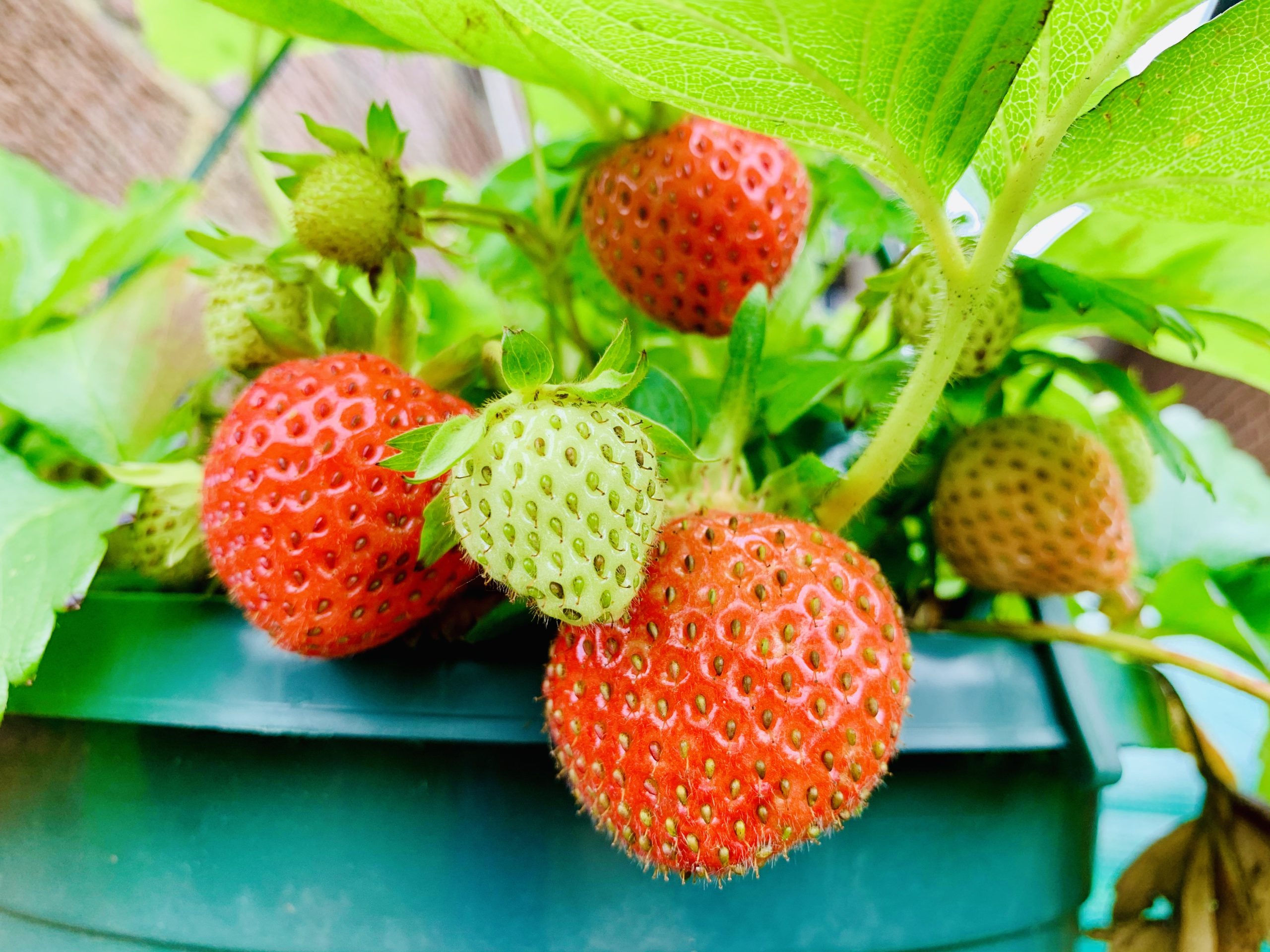
Engaging with food beyond the kitchen can also enhance mindfulness and mental health. Buying fresh, in-season produce, visiting local farmers markets, foraging or growing your own food can create a deeper connection to what you eat. These activities provide a sense of purpose and joy, reinforcing the mindfulness practice.
Connecting with the local food sources can foster a sense of community and contentment. This connection with nature and place not only enriches your diet but also promotes mental well-being by instilling a sense of belonging and satisfaction.
Personalising Your Mindful Eating
It’s important to remember that your individual experience with food is unique. While certain foods may be linked to improved mood, personal preferences and cultural connections play a significant role. For example, the comfort derived from your grandmother’s macaroni and cheese or your mother’s chicken noodle soup is unique to you and can have a profound emotional impact.
Nutritionist, Kara Lydon, author of the e-book “Nourish Your Namaste”, says foods like poultry, eggs, dairy, whole grains, legumes, nuts, seeds and leafy greens are particularly rich in B vitamins which help the brain make mood-regulating neurotransmitters. Such foods also contain tryptophan, the precursor to serotonin, the happy hormone. Lydon emphasises that each person has a different set of foods that evoke positive emotional responses based on factors like tradition and memory. These personal connections can be just as important as nutritional value in boosting your mood and overall well-being. Empower yourself more with knowledge and wisdom on how to use your food to boost your mood.
Incorporating mindfulness into your cooking and eating routines can be a powerful tool for self-care and mental health. By being present and intentional with your food choices, you can improve your mental health, deepen your connection to your meals, and find joy in the everyday act of eating. Whether it’s through cooking a meal from scratch or savouring a simple, wholesome snack, mindfulness offers a path to greater emotional awareness and well-being.