

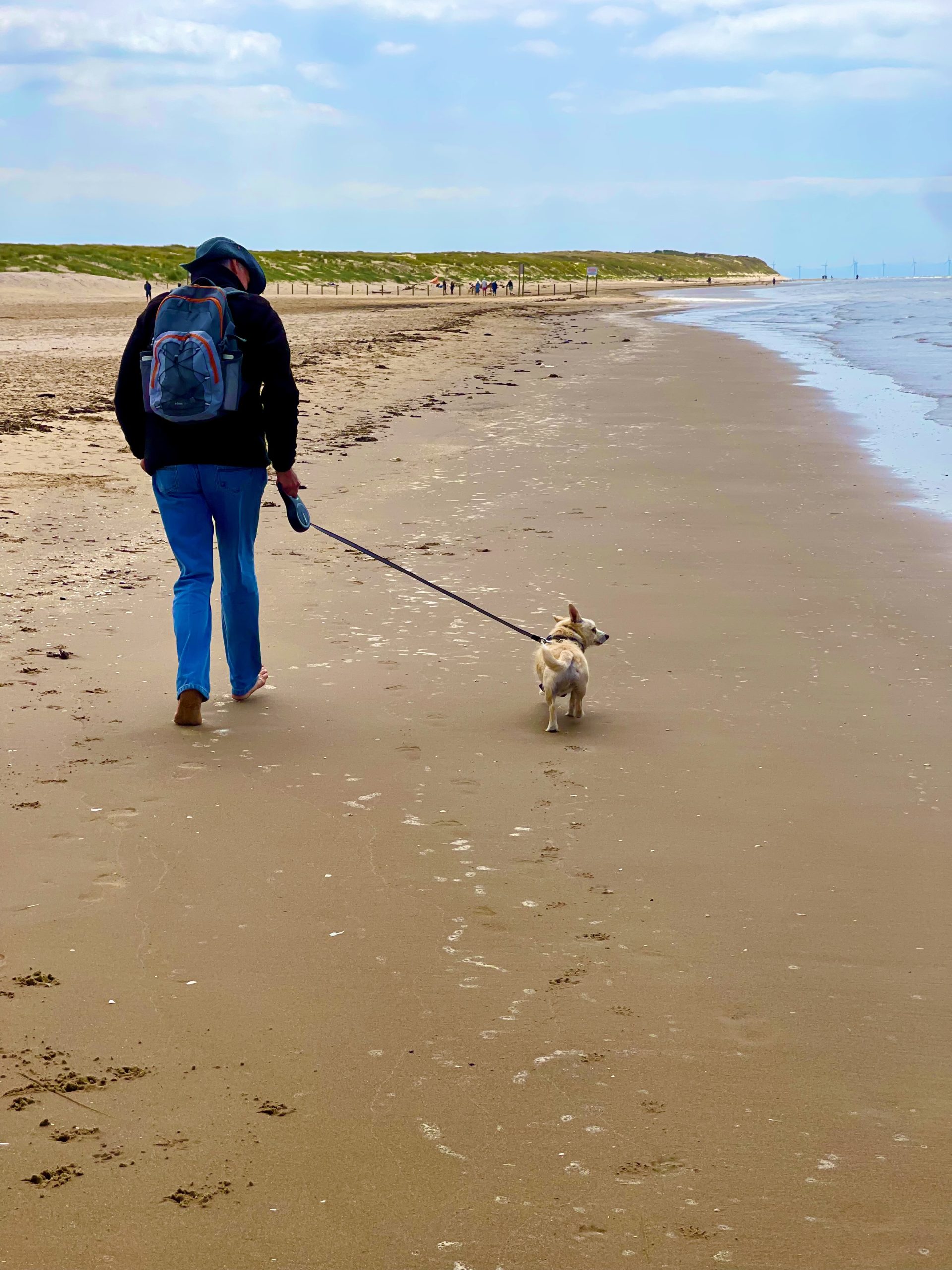
A Simple Step Towards Relief
Back pain can affect anyone at any time. With nearly 60% of people experiencing it at some point, finding effective and accessible solutions is crucial. Recent research sheds light on a surprisingly simple yet potent remedy: walking. This blog explores how regular strolls can alleviate back pain and improve overall well-being.
The Power of a Daily Walk
According to a study conducted by Macquarie University in Sydney, walking for just 30 minutes five times a week can significantly reduce the recurrence of lower back pain. The study, published in The Lancet, involved 701 patients who had recently experienced lower back pain. Those who incorporated regular walks into their routine reported remaining pain-free nearly twice as long as those who did not, with the walking group averaging 208 days without pain compared to 112 days for the non-walking group.
Why Walking Works
While the precise mechanisms by which walking alleviates back pain are still being studied, several factors likely contribute to its effectiveness:
- Gentle Movements: Walking involves gentle, oscillatory movements that help load and strengthen spinal structures and muscles without causing strain.
- Endorphin Release: Like other forms of exercise, walking triggers the release of endorphins—natural chemicals in the brain that promote a sense of well-being and act as pain relievers.
- Stress Relief: Walking, especially in natural settings, provides mental relaxation and stress relief, which can help reduce muscle tension and pain.
- Improved Posture and Muscle Tone: Regular walking helps enhance posture and strengthen the muscles supporting the spine, reducing the risk of future pain episodes.
Broad Health Benefits of Walking
Beyond its benefits for back pain, walking is a powerful tool for overall health. It supports cardiovascular health, enhances bone density, helps maintain a healthy weight, and boosts mental health. According to Dr. Natasha Pocovi of Macquarie University, walking not only improves quality of life but also reduces the need for healthcare support and the amount of time taken off work by approximately half.
How to Start Walking for Back Pain Relief
Incorporating walking into your daily routine is simple and requires no special equipment. Here’s how to get started:
- Set a Goal: Aim for 30 minutes of walking, five days a week. You can split this into shorter sessions if needed.
- Choose Comfortable Footwear: Wear supportive shoes to protect your feet and joints.
- Start Slowly: If you’re new to walking, start with shorter distances and gradually increase your time and pace.
- Maintain Good Posture: Keep your head up, shoulders back, and engage your core muscles while walking.
- Vary Your Route: Explore different paths and environments to keep your walks interesting and enjoyable.
- Incorporate Movement Breaks: If you have a sedentary job, take short walking breaks throughout the day to reduce stiffness and improve circulation.
Making Walking a Habit
Consistency is key to reaping the benefits of walking. Here are some tips to help you stick with it:
- Set Reminders: Schedule your walks like any other appointment and set reminders on your phone or calendar.
- Find a Walking Buddy: Walking with a friend or family member can make the activity more enjoyable and help you stay motivated.
- Track Your Progress: Use a pedometer or smartphone app to track your steps and celebrate milestones.
- Mix It Up: Combine walking with other enjoyable activities, such as listening to music, podcasts, or audiobooks.
The Future of Back Pain Management
Walking presents a practical and accessible solution for managing and preventing back pain. Unlike other exercise-based interventions that require supervision or expensive equipment, walking can be easily implemented by anyone, anywhere. This simple practice holds the potential to be widely adopted, offering relief to millions of back pain sufferers worldwide.
Regular walking offers a straightforward and effective way to reduce pain, improve your quality of life, and boost your overall health. So, lace up your walking shoes and take those first steps towards a pain-free and healthier you. Embrace the simplicity and power of walking to enjoy a life of greater comfort and vitality.