
Food

Growing Calm


How Planting and Harvesting Herbs Can Support Your Wellbeing

In a fast-paced world, there’s something quietly transformative about tending to a garden—especially when the plants you grow offer both flavour and healing. Herbs are among the easiest and most rewarding plants to cultivate, whether you have a sprawling garden or a sunny windowsill. Herbs deserve a special spot in your space and your wellness routine.

Herbs like oregano, thyme and marjoram come back every year and is therefore fairly effortless and very rewarding to have in the garden. 

Simple Joys of Growing Herbs

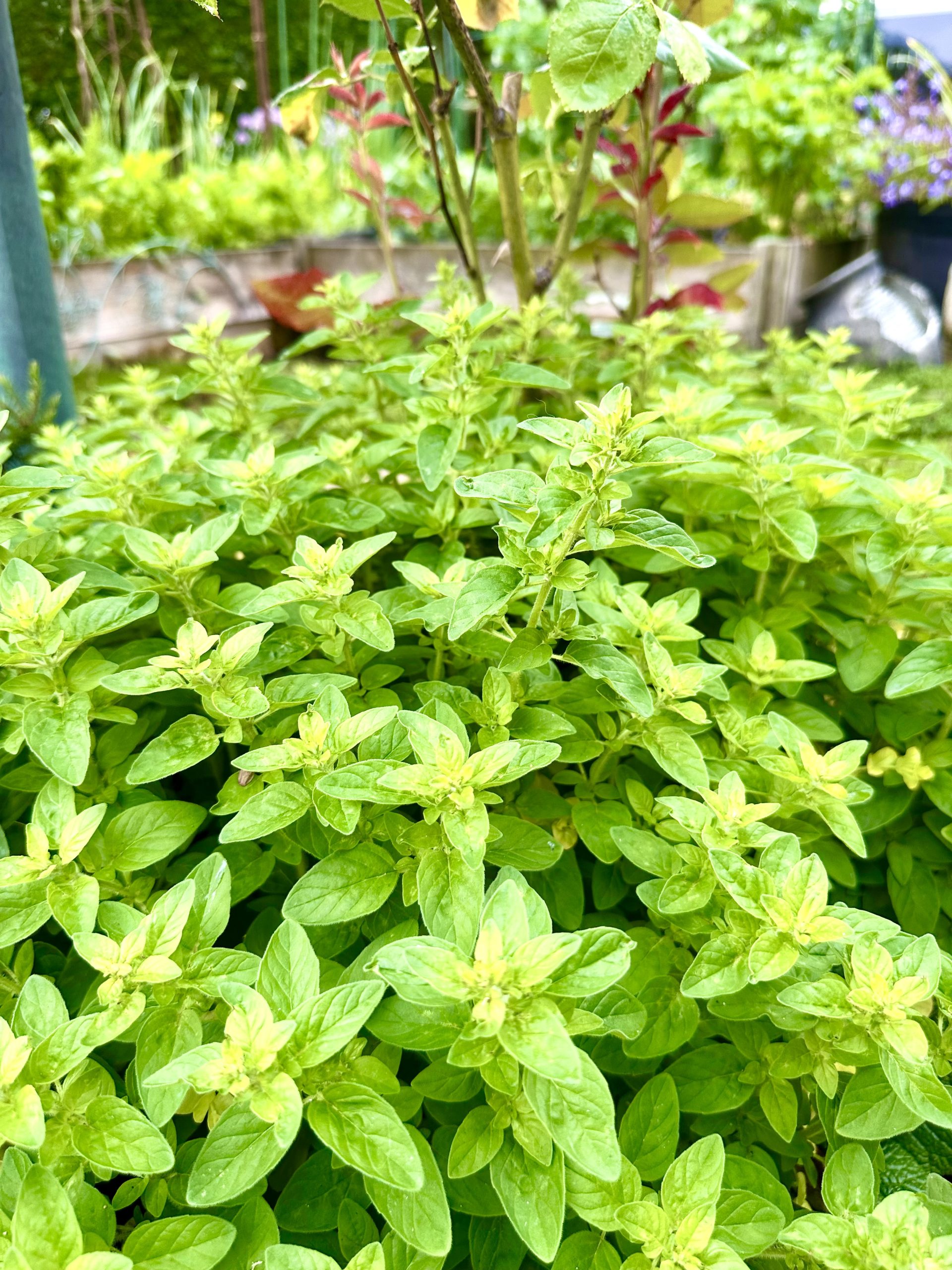
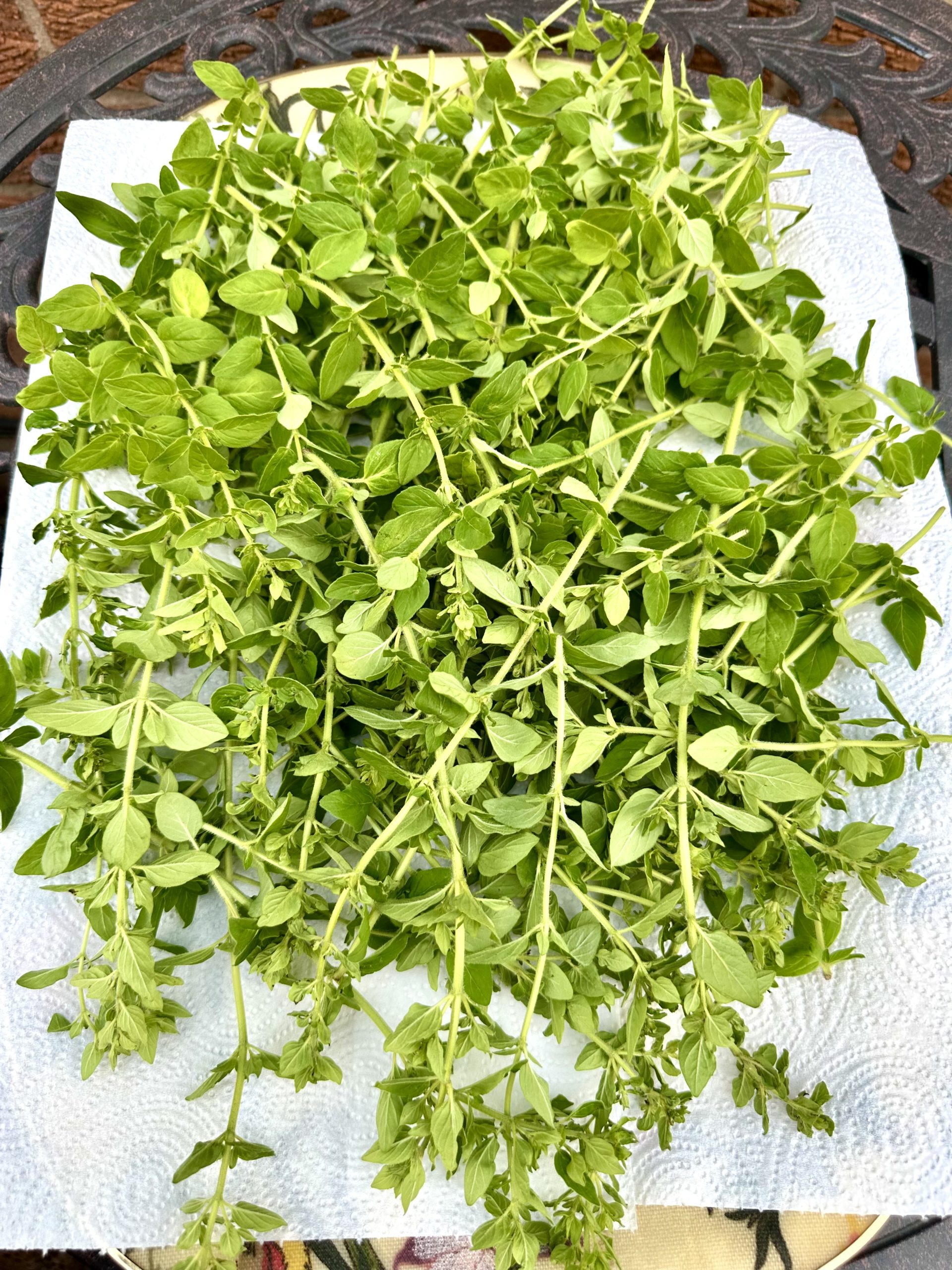
Today I harvested a handful of marjoram to dry for the store cupboard. Often overshadowed by its close relative oregano, marjoram is a tender, aromatic herb known for its sweet, slightly floral flavour. You can use marjoram fresh in salads, soups, roasted vegetables, pasta dishes or herbal teas. To preserve it for later use, dry the leaves in a warm, shaded spot and store them in an airtight jar.

Beyond its culinary uses, marjoram has been cherished for centuries for its medicinal properties.

According to herbal tradition and supported by modern research, marjoram offers several health benefits:

  • Anti-inflammatory and antioxidant properties, which may help combat oxidative stress.
  • Digestive support, easing bloating and promoting gut health.
  • Calming effects on the nervous system, making it a natural ally for stress, anxiety, and even insomnia.
  • Antimicrobial properties, supporting immune health.

Some herbalists even refer to marjoram as “the herb of happiness,” given its soothing effects on both body and mind.

One of the best things about growing herbs such as marjoram, oregano, thyme and rosemary, is how easy they are to grow. Whether you’re new to gardening or a seasoned green thumb, these are low-maintenance plants that thrive in most sunny environments.

Tending to Wellness, One Herb at a Time

Growing herbs is more than just cultivating a plant – it’s an invitation to slow down and connect with nature. The act of planting, nurturing, and harvesting your own herbs offers emotional and psychological benefits too. Gardening has been shown to reduce stress, improve mood, and provide a sense of purpose—making it a form of nature-based self-care.

So, if you’re looking for a simple, meaningful way to support your well-being, start with these magical, flavoursome, health-boosting herbs.
Growing Marjoram
Naturally drying herbs
Health

Nature Is Medicine


The Mental Health Benefits of Time Outdoors

In our hyperconnected world, many of us are spending more time in front of screens than under the sky. Most people go online daily, and a growing number of people are online most of the day. Yet as our lives grow more digital and urbanised, science is showing that the natural world may hold some of the most powerful tools for supporting our mental health.

Research increasingly affirms what many intuitively feel; spending time in nature is good for the mind. Whether you’re strolling through a park, hiking a trail, or sitting by the ocean, time in green and blue spaces is linked to lower stress, improved mood, sharper cognition, and greater overall emotional well-being.

The Cognitive and Emotional Power of Nature

Nature doesn’t just soothe our minds—it sharpens them. Studies show that exposure to green spaces improves attention, working memory, and cognitive flexibility. In contrast, urban environments can deplete our focus and increase stress. Even brief contact with natural elements—such as a 40-second glance at a green rooftop—can enhance performance on mentally fatiguing tasks.

The benefits go beyond brainpower. Being in nature has been associated with reduced symptoms of anxiety, depression, and even a lower lifetime risk of psychiatric disorders. Time outdoors can increase happiness, foster social connections, and give us a greater sense of meaning and purpose. Studies have shown that contact with nature is associated with an increase in happiness, subjective well-being, positive affect, positive social interactions, and a sense of meaning and purpose in life, as well as decreases in mental distress.

Connection Matters

Interestingly, it’s not just the amount of time spent in nature that matters—how connected we feel to nature also plays a big role. People with a strong sense of nature connectedness report higher levels of well-being, even when they’re not physically outdoors. This suggests that fostering an internal relationship with the natural world can be just as important as the external exposure.

Green and Blue Spaces for All

Both green spaces (parks, forests) and blue spaces (lakes, rivers, oceans) provide these mental health benefits, with some research suggesting that blue spaces may be even more restorative. While remote, biodiverse settings can amplify these effects, urban nature—trees, gardens, and local parks—also provide powerful boosts to mood and attention.

The Healing Power of Nature 

Spending time in nature doesn’t just help us feel better—it may help us be better. Exposure to nature has been linked to increased empathy, cooperation, and prosocial behaviour. In a world that often feels divided and disconnected, reconnecting with the natural world may be one of the most effective ways to restore not only individual well-being but also collective compassion and care.

So whenever you’re feeling overwhelmed, anxious, or burnt out, step outside – even if it’s just a walk around the block or a few minutes under a tree. Nature is more than a backdrop – it’s a balm, a teacher, and a powerful source of psychological healing.

Aim for at least two hours of recreational time in nature each week to gain the full mental health benefits, whether it’s all at once or spread throughout your days.

Let your next reset be under open skies.

Food

The Link Between Mental Health and Gut-health

How Diet Impacts Anxiety


In our pursuit of mental well-being, we often look to therapies, medications, and lifestyle changes. What about the food on our plates? Can what we eat truly influence our mental health, particularly conditions like anxiety? The answer, according to research and specialist nutritionists is a resounding YES.

Understanding the Brain-Gut Connection

The link between the gut and the brain is well-documented, and recent studies suggest that what we eat can significantly impact our mental health. Our diet influences the brain in three main ways: the production of neurotransmitters, gut health, and inflammation.

Production of Neurotransmitters

Neurotransmitters like serotonin and dopamine play a crucial role in regulating mood and emotions. Certain nutrients found in our diet, such as B vitamins and omega-3 fatty acids, are essential for the production of these neurotransmitters. Foods high in tryptophan, like eggs, nuts, seeds, whole grains and legumes, can boost serotonin levels, contributing to a brighter mood and emotional balance.

Gut Health

The gut-brain axis, a two-way connection between the brain and the micro-organisms in the gut, is influenced by what we eat. An imbalance in the gut microbiome, known as dysbiosis, can disrupt neurotransmitter production and lead to mental health disorders like anxiety and depression. Inflammation in the gut caused by a poor diet high in ultra-processed foods and sugar has been linked to mental health issues.

Inflammation

Chronic inflammation, triggered by poor dietary choices, is associated with various health problems, including mental health conditions. Consuming anti-inflammatory foods like berries, fruit and vegetables, can help reduce inflammation in the body and improve mental health.

Impact of Diet on Anxiety

While no single diet can cure anxiety, certain dietary patterns can exacerbate or alleviate its symptoms. Ultra-processed foods high in sugar can cause spikes and crashes in blood sugar levels, leading to irritability and anxiety. Eating at regular intervals throughout the day and consuming foods high in protein, good fats, and fibre can help stabilise blood sugar levels and prevent mood swings.

Eating Mindfully

How we eat is as important as what we eat. Eating in a rushed, stressed manner can lead to digestive issues and exacerbate anxiety symptoms. Practicing mindful eating techniques, such as chewing food thoroughly and savouring each bite, can reduce stress levels and promote relaxation.

Foods that Support Mental Health

  1. Magnesium-Rich Foods: Spinach, pumpkin seeds, avocados, and bananas are rich in magnesium, which helps to regulate cortisol levels and blood pressure, crucial for managing anxiety.
  2. Complex Carbohydrates: Whole grains, fibre-rich fruits, and vegetables release sugar into the blood slowly, preventing spikes and lows in blood sugar levels and stabilising mood.
  3. Gut-Friendly Foods: Probiotics found in fermented foods like sauerkraut and kefir, and prebiotics found in vegetables and whole grains, support gut health and have been linked to improved mood and reduced anxiety.
  4. Other Beneficial Foods: Nuts, berries, and foods rich in omega-3 fatty acids support neurotransmitter function and help manage anxiety symptoms.

A healthy diet can be a powerful tool as part of a holistic approach to mental health. By nourishing our bodies with the right foods, we can support our mental health and overall well-being.

Health

Your Food Can Boost Your Mood


In an era marked by heightened anxiety levels, it’s imperative to explore holistic approaches to alleviate stress and boost mental well-being. Nutritional Psychiatrist Uma Naidoo, sheds light on the profound impact of diet on anxiety levels in her latest book, Calm Your Mind with Food. It emphasises the role of nutrition in banishing tension, elevating mood, and fostering long-term mental health.

Understanding the Gut-Brain Connection

There’s an intricate relationship between the gut and the brain, with the brain and the gut being in constant mutual communication. The gut microbiome, comprising trillions of bacteria and yeasts, plays a pivotal role in regulating brain function through this gut-brain axis. The health of our gut is intricately linked to anxiety levels, with highly processed diets and fast foods contributing to inflammation that adversely affects mental and physical well-being.

Nutrient-Rich Foods for Anxiety Reduction

Yoghurt for Gut Health

Consumption of gut-friendly foods such as yoghurt, is shown beneficial for anxiety reduction. A review of 21 studies, involving 1,503 people, suggests that eating gut-friendly food like plain yoghurt is instrumental in improving gut health and reducing anxiety levels.

Vitamin B-Rich Foods

Foods rich in vitamin B, including oats, milk, nuts, seeds, lean meat, poultry, and fish, prove to be essential for anxiety prevention. Studies on Affective Disorders highlight the correlation between a diet high in B vitamins and lower anxiety, depression and stress levels.

Tea for Hydration and Polyphenols

Regular consumption of tea, known for its calming properties, is recommended for those dealing with anxiety. The polyphenols in black and green teas, such as theaflavins, have been shown to reduce anxiety levels. However, moderation is key to keep caffeine intake below 400mg per day.

Probiotic-Rich Foods

Probiotic fermented foods like pickles, kimchi, garlic, onions, and bananas are emphasised for their role in supporting gut health. Research indicates that these foods positively impact anxiety levels.

Berries for Brain Boosting

Berries, especially dark berries like blueberries and blackcurrants, are lauded for their antioxidant properties. Research has shown that these antioxidants protect the brain from oxidative stress and contribute to reduced anxiety symptoms.

Ashwagandha Supplement

Clinical trials suggest that ashwagandha supplementation can significantly lower anxiety levels, making it a potential consideration for some individuals.

Red Wine in moderation

Red wine, in moderation, can be considered for its polyphenol resveratrol content. This compound regulates neurotransmitter release, contributing to a calmer brain. Moderation is advised as excessive alcohol consumption can exacerbate anxiety. Red grapes, blueberries, raspberries, peanuts and pistachios are good sources of resveratrol too. 

Omega-3 Fatty Acids

Foods rich in omega-3 fatty acids, such as oily fish, nuts, and seeds, are highlighted for their anti-inflammatory effects on the brain. Omega-3s have been shown to alleviate symptoms of anxiety and depression.

Avoid sugary, high-fat comfort foods

While these foods may provide short-term mood improvement, the effects are temporary, and reliance on such foods can lead to an unhealthy cycle.

In the quest for mental well-being, your plate holds the potential to calm the mind. Embracing a nutrient-rich, gut-friendly diet can be a proactive self-empowering step in managing anxiety and nurturing long-term mental health. Let your meals be a source of strength, resilience, and calm in the face of life’s challenges.

Nature

10 Minutes in Nature Boosts Mental Health

6AC11713-3E4A-41C3-92FA-1723C1C3F235 Connection with nature is essential for wellness. Latest research has shown that 10 to 20 minutes (and up to 50 minutes) of sitting or walking in a range of natural settings led to significant health improvements. These included reduced heart rate, blood pressure and cortisol, improved mood and reduced anxiety. It is suggested to incorporate nature exposure into our every day lives as an effective way of combating stress and mental ill-health reports Fronteers in Psychology.