
 How to Care for Your Eyes Naturally
Modern life isn’t kind to our eyes. Hours spent indoors under artificial light, constant screen time and lengthy scrolling all take their toll. It’s no surprise that short-sightedness (myopia) is on the rise worldwide, with estimates suggesting that by 2050, half of the global population will need some form of corrective lenses. But here’s the good news: experts like neuro-optometrist Dr Bryce Appelbaum believe that, with the right lifestyle changes, vision exercises and a little time outdoors, we can protect and even improve our eyesight at any age.
Vision vs Eyesight
Many people think of eyesight simply as how clearly they can see. But vision is broader; it’s how the brain interprets, organises and responds to what our eyes take in. Strain, blurry vision, headaches and brain fog are often signs of a stressed eye-brain system. When overloaded with screen use and indoor living, this system struggles. Supporting vision health means supporting overall brain health, balance, attention and even emotional wellbeing.
Train Your Eyes, Strengthen Your Focus
Dr. Appelbaum suggests simple habits can protect your eyes from strain and slow age-related decline:
- The 20-20-20 Rule: Every 20 minutes, take 20 seconds to look at something 20 feet away – ideally a tree, the horizon or anything outdoors.
- Eye “push-ups”: Shift your focus from something close (like your finger) to something distant, holding each for five seconds. This builds flexibility in the focusing muscles.
- Eye stretches: Move your gaze up, down, left, right to keep muscles working smoothly. These micro-movements, much like stretches for the body, strengthen stamina and help delay the need for stronger prescriptions.
Why Nature Is Your Eye’s Best Friend
Our visual system evolved to scan open horizons, not a tiny screen inches from our face. Time outdoors relieves “tunnel vision” and calms the nervous system. When we walk in nature, the constantly changing scenery engages both central and peripheral vision, improving balance and reducing stress. Gazing at distant hills or trees not only rests tired eyes, it also signals to the brain that you’re safe.
What to Eat for Eye Health
Nutrition plays a crucial role in maintaining clear vision and protecting eye tissues. The best foods for eye health include:
- Leafy greens like spinach, kale and collards; packed with lutein and zeaxanthin, antioxidants that protect the retina from UV damage.
- Egg yolks, another rich source of lutein.
- Citrus fruits high in vitamin C, helping reduce the risk of macular degeneration.
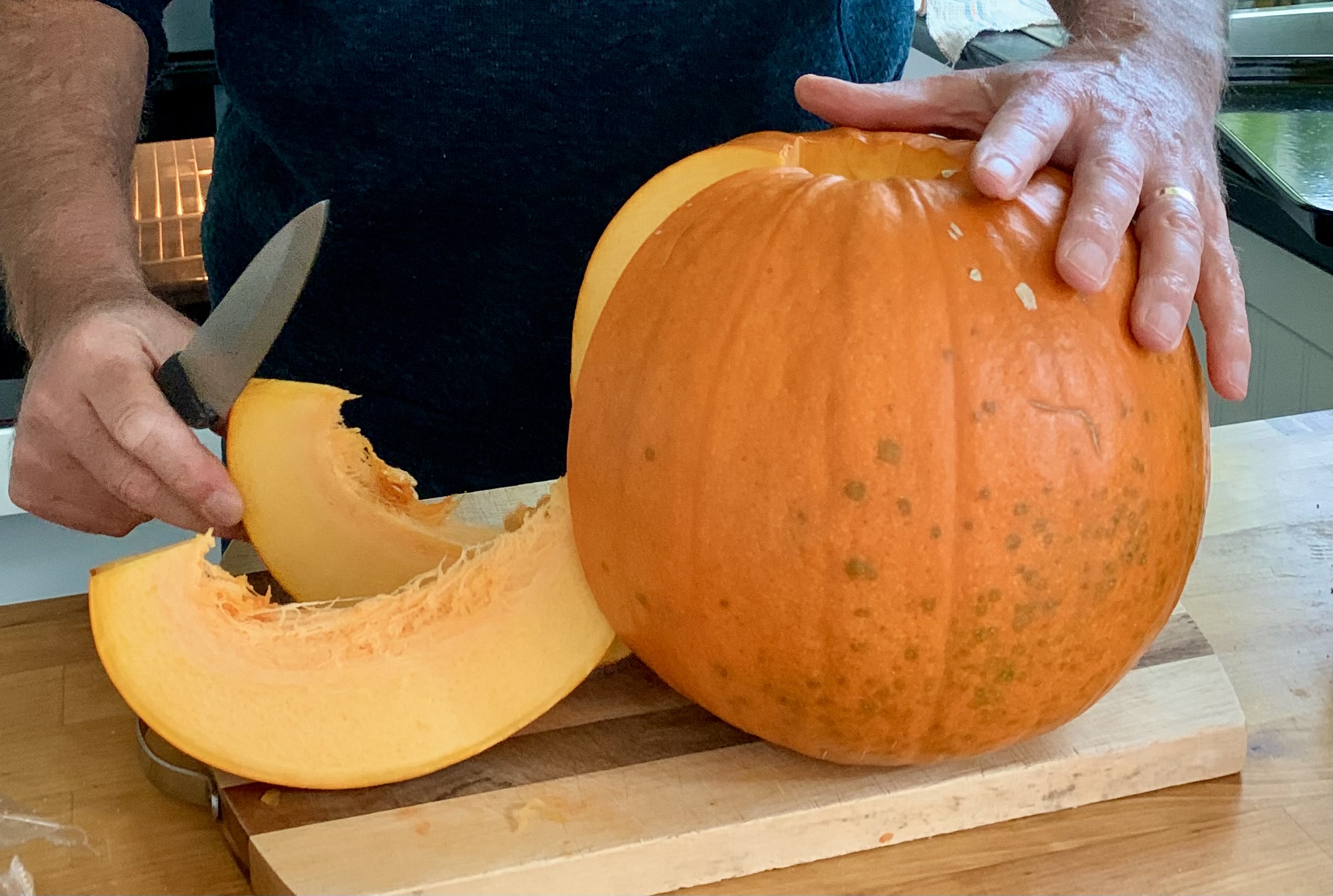
- Carrots, sweet potatoes and squash, all high in beta-carotene (a precursor to vitamin A).
- Oily fish like salmon, sardines and mackerel, rich in omega-3 fatty acids, which support retinal health and reduce dry eye.
Eating for eye health is the same as eating for brain health, because the two are deeply connected.
Light, Sleep and Healthy Habits
Screens before bed or first thing in the morning disrupt circadian rhythms by sending the wrong signals to the brain’s melatonin system. For better sleep (and sharper daytime focus), swap bedtime scrolling for a real book and greet the day with natural sunlight instead of blue light.
Clearer Eyes, Brighter Life
Eye health isn’t just about avoiding glasses; it’s about supporting your brain, your body and your wellbeing. By eating nutrient-rich foods, building simple vision exercises into your day and reconnecting with the natural world, you can give your eyes (and your mind) the care they deserve.
In his book, Eye Power, Dr. Appelbaum suggests, improving vision is possible at any stage of life. Sometimes, all it takes is stepping away from the screen, looking up at the sky, and letting your eyes rediscover the world in its full, vivid clarity.