
Food

Gut Health: What you Eat Shapes Your Wellbeing

Allotment harvest vegetable stew

It might surprise you, but your gut health is far more influential than you may think. Your gut doesn’t just aid digestion—it affects everything from mental health and immune function to weight management and even the risk of chronic diseases. Understanding this connection, and how your diet can foster a healthy gut, is crucial for improving overall well-being.

Understanding Your Gut

Your gastrointestinal tract is home to a vast ecosystem of about 100 trillion microorganisms—primarily bacteria, but also viruses, fungi, and other microbes. This community, known as the microbiome, makes up about half of the cells in your body. While these microbes might seem small, they act as a chemical factory, transforming the food you eat into compounds that influence many aspects of your health, including digestion, immunity, and even mood.

The Microbiome’s Role in Overall Health

These tiny organisms help produce health-promoting compounds like short-chain fatty acids, which play a role in reducing inflammation in the body. Chronic inflammation is a major player in conditions like diabetes, heart disease, and cancer, making a balanced microbiome essential for lowering the risk of these illnesses. However, if your gut microbiome is out of balance—favoring harmful microbes over beneficial ones—it can contribute to chronic health issues, impacting everything from your digestion to your mental health.

The Gut-Brain Connection

The relationship between your gut and your brain is known as the gut-brain axis, a “superhighway” that allows gut bacteria to influence mood and cognition. In fact, over 90% of your body’s serotonin—a key neurotransmitter that affects mood—is produced in the gut. Research has shown that the chemicals produced by gut bacteria can cross the blood-brain barrier, impacting how you feel and think. This means that gut health can play a role in conditions like anxiety and depression, offering potential dietary strategies for mental well-being alongside traditional treatments.

Gut Health and Cognitive Function

Inflammation in the gut doesn’t just affect mood; it may also play a role in cognitive health. Studies have found that people with Alzheimer’s disease often have less diverse gut bacteria compared to healthy individuals. While it’s not clear if this is a direct cause, the theory suggests that an imbalance in gut bacteria might contribute to harmful substances entering the bloodstream, leading to inflammation in the brain. Similar patterns have been found in conditions like Parkinson’s disease, where changes in gut bacteria and a weaker gut lining may contribute to disease progression.

Supporting Your Immune System

Studies have found that the immune system largely resides in the gut. A healthy microbiome acts as a barrier, protecting the body from harmful intruders like viruses and bacteria. When this barrier is strong, it can fend off infections and reduce the risk of chronic conditions like diabetes and heart disease. Conversely, an imbalance in gut bacteria can weaken this defense system, making the body more susceptible to illness. A diet that nourishes the gut helps maintain a robust immune response, promoting overall health.

Managing Weight Through Gut Health

Research also points to the role of gut bacteria in weight management. People with obesity often have less diverse gut bacteria, and studies have shown that the types of microbes present in the gut may affect where the body stores fat, particularly around the midsection. This relationship is likely due to gut bacteria’s influence on hormones like leptin and ghrelin, which regulate appetite and energy use. A diet that supports a diverse gut microbiome could help with weight management by improving how your body processes and stores calories.

How Can You Build a Healthier Microbiome?

Here are some evidence-backed strategies for improving your gut health:

  1. Increase Fiber Intake: Fiber is essential for nourishing gut bacteria, helping them produce beneficial compounds. Foods like beans, whole grains, and fruits are rich in fiber.
  2. Eat a Variety of Plants: Aim to eat 30 different types of plants each week including vegetables, fruits, nuts, seeds, and legumes.
  3. Include Fermented Foods: Yogurt, kefir, kimchi, and sauerkraut are rich in probiotics and can help replenish good gut microbes.
  4. Limit Processed Foods: Opt for whole foods to create a healthier environment for your microbiome.
  5. Moderate Alcohol Consumption: While moderate alcohol intake might not drastically affect your gut, heavy drinking can cause an imbalance and contributing to inflammation.
  6. Choose Healthy Fats: Polyunsaturated fats found in salmon, avocados, and walnuts may help reduce inflammation and support a healthier microbiome.

Health

Green Spaces Improve Our Well-Being


The connection between nature and improved health has become increasingly evident. Nature has a positive effect on both physical and mental health. Research into the benefits of nature has surged in recent years, underscoring how vital time outdoors can be for our well-being.

Spending time in green spaces like parks, forests, or even tree-lined streets has been linked to numerous health advantages. Studies suggest that exposure to nature can lead to lower blood pressure, a stronger immune system, a reduced risk of cardiovascular disease, and improved sleep quality. Intriguingly, time outdoors may even slow the aging process by preserving the length of telomeres, the protective caps on our chromosomes.

Research in England has shown that 2 hours a week in nature can boost health and wellbeing. The mental health benefits are just as significant. Time in nature has been shown to reduce stress, alleviate depressive symptoms, and enhance cognitive function. For example, a study involving nearly 100 participants found that a 40-minute walk in nature improved complex cognitive functions like problem-solving and multitasking more effectively than a walk through an urban environment.

Moreover, access to greenery can address disparities in health outcomes. Research has revealed that communities with less green space—often lower-income areas—tend to face higher health risks. However, increasing access to nature in these regions can help reduce health inequalities. Studies have shown that greater exposure to greenery provides a more substantial boost to the health of vulnerable populations, suggesting a pathway for policy-driven improvements in community well-being.

In a world that often feels fast-paced and stressful, nature offers a valuable respite. Spending time outdoors encourages physical activity and fosters social connections, both of which are crucial for maintaining a healthy mind and body. Prioritising green spaces is not just about aesthetics; it’s about improving the quality of life for all. So, whether it’s a short walk in the park or simply sitting under a tree, embracing the outdoors can be a simple yet effective way to enhance our health.

Health

Autumn is Harvest Season


As autumn approaches, we’re enjoying the fruitful seasons of the year—harvest time. Nature is brimming with fresh produce. In the UK, autumn brings an abundance of apples, courgettes, and other seasonal delights that offer both culinary enjoyment and exceptional health benefits.

Making the most of the autumn harvest isn’t just about celebrating local, fresh food; it’s also about indulging in wholesome seasonal comfort food, which is not only good for our taste buds but for our bodies as well. 

British Apples: Nature’s Perfect Snack

Apples are synonymous with autumn, especially in the UK where orchards yield dozens of varieties—from tart Bramleys to sweet Cox’s and crisp Russets. Whether eaten fresh, baked into pies, or pressed into cider, apples are a versatile staple of the British autumn kitchen. But beyond their delicious flavour, apples are packed with health benefits that make them one of the best fruits to enjoy now. They’re rich in fibre, good for heart health and full of vitamin C, a powerful antioxidant that supports the immune system as we move into the colder months, keeping your immune system strong and healthy the natural way.

To make the most of British apples this season, try incorporating them into your meals in creative ways. Add thin slices to salads for a refreshing crunch, bake them with cinnamon for a comforting dessert, or pair them with cheese and nuts for a nutrient-packed snack. We’ve also enjoyed apple and blackberry crumble even for breakfast.

Courgettes in Abundance

Courgettes are abundant well into autumn and are so versatile. They can be grilled, roasted, sautéed, or even spiralised into noodles, making them a great addition to a wide range of dishes. They are high in nutrients including vitamins A, C, and K, and minerals like potassium and magnesium. This time of the year you have to be creative in how to use the harvest whilst ready and fresh. We’ve enjoyed both courgette and apple in a salad. Courgette and tomato is so versatile in pasta and oven roasted vegetables.

Enjoy the flavours of autumn packed with health benefits that support your well-being as we head into the colder months. By making the most of the autumn harvest, we can enjoy the flavours of the season while nurturing our bodies with nature’s bounty. So, whether you forage, harvest or head to your local farmers’ market, pick up some fresh produce, enjoy the simple pleasures in life and celebrate this beautiful time of year with hearty, nutritious meals.

Nature

The Importance of Reconnecting Children with Nature

Insights from the National Trust’s Report and The Lost Words


A National Trust’s Natural Childhood report
highlighted a growing concern: modern childhood is becoming increasingly disconnected from the natural world. With children spending more time indoors, this decline in outdoor freedom has been linked to rising rates of obesity, mental health issues, and a diminishing sense of wellbeing. The evidence is clear that nature plays a crucial role in a child’s development, both mentally and physically.

Author Robert Macfarlane and illustrator Jackie Morris tackled this disconnection with their book The Lost Words. Inspired by studies revealing children’s growing familiarity with digital media over nature, Macfarlane crafted a poetic and visual “spell book” designed to revive nature literacy. The book serves as a bridge between children and nature, teaching them to recognise and appreciate common plants and animals that are vanishing from both their vocabulary and daily experiences.

The cultural impact of The Lost Words has been immense. It sparked a wave of fundraising campaigns to ensure that the book reached schools across Scotland, Greater London, parts of England and Wales, and even 220 hospices across Britain. Its influence also extended to concerts, folk music adaptations, and art exhibitions. All of these initiatives serve one goal: to reconnect children and adults alike with the magic of the natural world.

Macfarlane’s work, rooted in a broader concern raised by the National Trust, reminds us that restoring a child’s connection to nature is not just about the past. It is about ensuring a healthier, more balanced future for both children and the environment they will grow up to protect. In his words: “It is not just children who need nature; nature needs children too.”

Food

Let Your Food Be Your Medicine

Img 0383
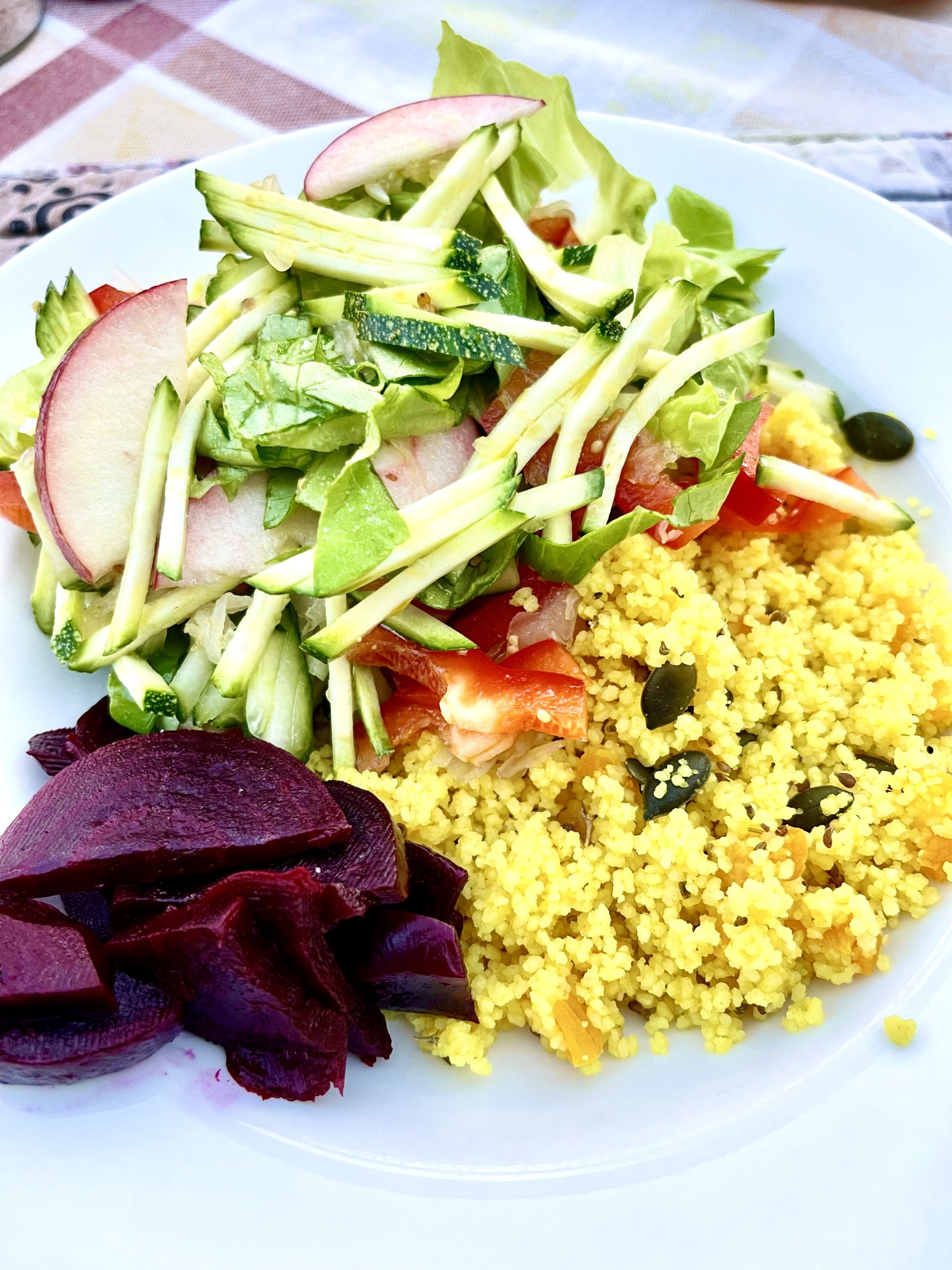
Curried chickpeas on couscous

The Role of Magnesium in Health

In today’s fast-paced world, where stress can take a toll on our health, it’s essential to recognise the powerful role that nutrition plays in maintaining well-being. One such critical nutrient is magnesium, a mineral that is fundamental to our health but often overlooked.

Recent research highlighted a concerning link between low magnesium levels and increased DNA damage. This study found that individuals with low magnesium levels also had high levels of homocysteine, an amino acid associated with DNA damage and various diseases, including gastrointestinal disorders, several cancers, diabetes, and neurodegenerative conditions like Alzheimer’s and Parkinson’s.

The Importance of Magnesium

Magnesium is the fourth most abundant mineral in the human body and plays a crucial role in over 300 enzyme systems, including those responsible for regulating blood pressure, controlling blood glucose levels, and ensuring proper nerve function. It is also essential for the healthy synthesis of DNA and RNA, making it a key player in maintaining genetic stability.

The study’s findings underscore the importance of maintaining adequate magnesium levels to protect our DNA from damage and prevent the onset of chronic diseases. Magnesium’s protective effect is particularly significant when it comes to counteracting the toxic effects of high homocysteine levels, which can occur when there is a deficiency in other critical nutrients like folate and vitamin B12.

How to Boost Your Magnesium Intake

The good news is that increasing your magnesium intake is relatively simple. Incorporating magnesium-rich foods into your diet is an effective way to ensure you meet the recommended daily intake of 420 mg for adults over 31 years old. Some of the best dietary sources of magnesium include:

  • Leafy Greens: Spinach and Swiss chard are excellent sources of magnesium.
  • Nuts and Seeds: Almonds, pumpkin seeds, and chia seeds are all rich in magnesium.
  • Legumes: Beans, lentils, and chickpeas are great plant-based sources.
  • Whole Grains: Brown rice, quinoa, and whole wheat bread can help boost your magnesium intake.
  • Dark Chocolate: Not only is it delicious, but dark chocolate is also a surprisingly good source of magnesium.

Magnesium is more than just a mineral; it’s a vital component of overall health that helps protect your DNA, supports brain function, and reduces the risk of chronic diseases. By letting food be your medicine and prioritising magnesium-rich foods in your diet, you can take proactive steps to safeguard your health and well-being.

Health

The Healing Power of Nature

Img 2232

A Journey Through Recovery

Julia Bradbury’s journey through cancer recovery highlights the profound healing effects of nature. After her mastectomy, she found solace and strength in daily walks, starting in her garden and gradually exploring local parks and the Peak District. Nature not only helped restore her physical health but also provided mental clarity and emotional support.

The concept of Shinrin Yoku (forest bathing) further explains how nature boosts immunity by exposing us to phytoncides—compounds emitted by trees that enhance our immune system. Moreover, the Attention Restoration Theory suggests that natural environments offer a unique combination of elements like fascination and a sense of “being away,” which help restore mental energy and reduce stress.

Julia’s experience serves as a powerful reminder that nature is not just a backdrop to life, but an essential component of health and well-being. Whether through a walk in the park, a hike in the mountains, or simply breathing in the fresh air, connecting with nature can bring about significant improvements in both physical and mental health.

So, take a moment to step outside and immerse yourself in the natural world—you may find it offers the rejuvenation and peace you need. For more insights, Julia Bradbury’s book, Walk Yourself Happy, takes a deeper look into the transformative power of nature.