Food

The Surprising Defence Against Flu


When it’s flu season, many of us prepare by stocking up on vitamin C. But what if the secret to a stronger immune system was in your daily diet? According to groundbreaking research, dietary fibre could be the one a powerful ally in shielding your body from influenza and other viral infections.

Fibre and the Immune System: A Gut Connection

We’ve long known that fibre is essential for digestive health, but scientists are now uncovering its broader impact on immunity. When natural fibre from vegetables, legumes, fruits, and grains enters the gut, it undergoes fermentation by probiotic bacteria. This process produces short-chain fatty acids (SCFAs)—powerful compounds that don’t just stay in the gut but travel throughout the body, boosting the immune system in remarkable ways.

How SCFAs Fight Viruses

SCFAs, particularly acetate, propionate, and butyrate, are produced in the colon when fermentable fibre is digested by beneficial gut bacteria. Once in circulation, these SCFAs bolster the immune system in several key ways:

  • SCFAs boost the metabolism of T-cells, the immune cells responsible for fighting off infections.
  • They help balance the body’s inflammatory response, reducing excessive inflammation triggered by viruses like influenza.
  • SCFAs have shown the ability to prevent viruses from entering cells and replicating.
  • SCFAs strengthens the immune system’s response.

Fibre and Flu

The researchers discovered that patients with influenza often have a deficiency in SCFA-producing gut bacteria. By increasing your intake of fermentable fibre, you can support the growth of these beneficial bacteria and enhance your body’s ability to resist the flu.

In studies, higher SCFA levels were linked to reduced severity of influenza infections. SCFAs significantly lowered the viral load in the lungs, helping minimise symptoms and complications.

The Best Sources of Fermentable Fibre

To boost your SCFA production and strengthen your immune system, focus on incorporating natural, fibre-rich foods into your diet. Synthetic fibre supplements, researchers warn, do not offer the same benefits. Some of the best sources of fermentable fibre include:

  • Fruits: Apples, bananas, and berries
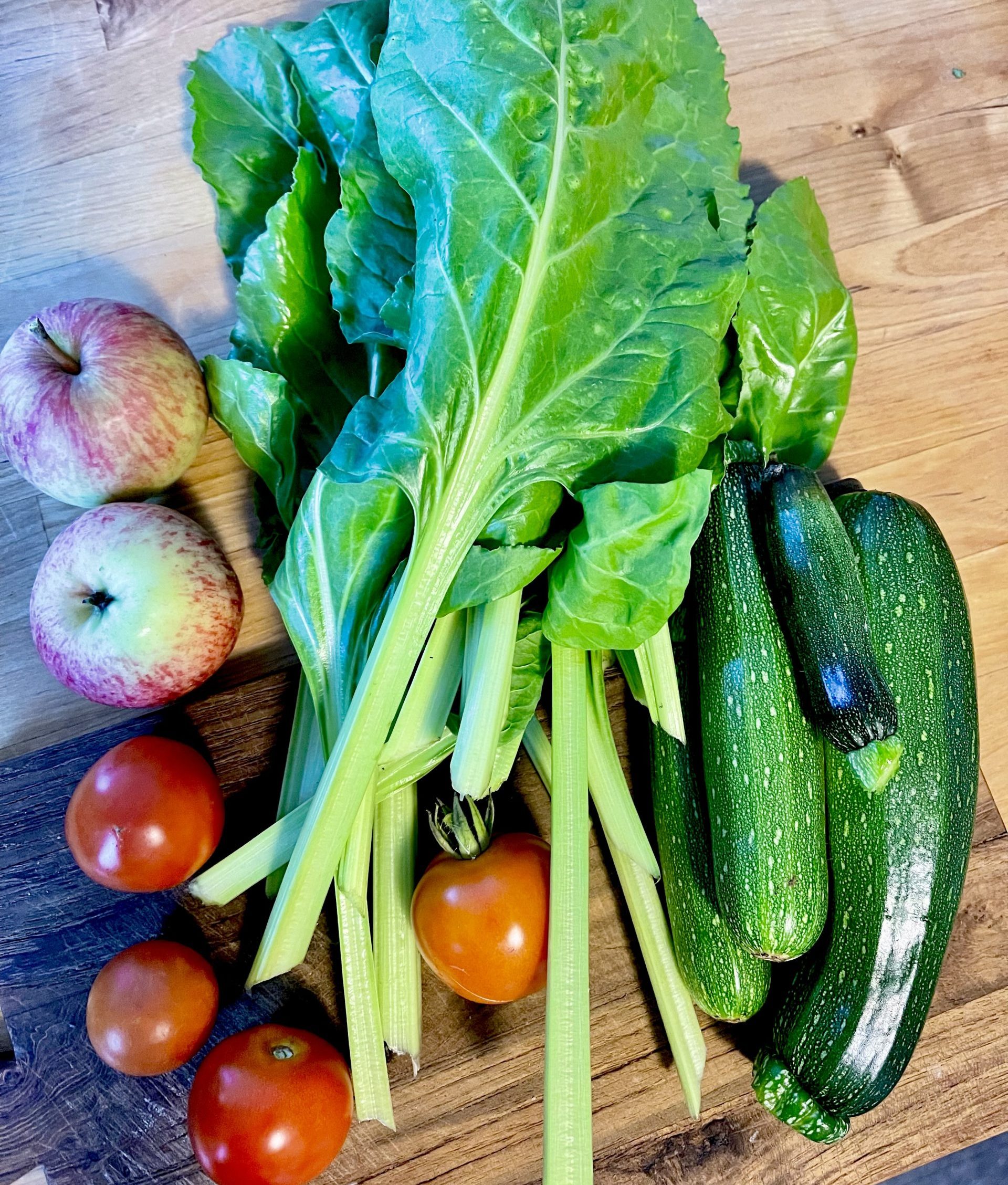
  • Vegetables: Onions, leeks, and leafy greens
  • Legumes: Lentils, chickpeas, and black beans
  • Grains: Oats, barley, and whole wheat
  • Nuts and Seeds: Almonds, chia seeds, and flaxseeds

How Much Fibre Do You Need?

General dietary guidelines suggest:

  • Men: 30–38 grams per day
  • Women: 21–25 grams per day
  • Children: 19–25 grams per day

A Natural Booster for Flu Season

Increasing your fibre intake can act as a “booster” to help ward off infection or lessen symptoms if you do get sick. According to the research team, the SCFAs produced from dietary fibre not only enhance immunity but also reduce serious complications from viruses like influenza.

So, to stay healthy, consider adding more fibre-rich foods to your plate. Not only will you support your gut health, but you’ll also give your immune system the tools it needs to fight off viruses more effectively.

Fibre may not make you completely flu-proof, but it could mean the difference between a severe infection and mild symptoms. So, this winter, let your diet be your defence, because often, the simplest solutions are the most powerful.

Health

Embracing Winter

Lessons from the Arctic and Beyond


When Kari Leibowitz moved to Tromsø, Norway—a city inside the Arctic Circle known for its long, dark winters—she anticipated battling winter blues and harsh conditions. Instead, she discovered an entirely new mindset: one that transformed her relationship with the season. Her book, How to Winter, highlights how we can all embrace the colder months.

Leibowitz’s insights, coupled with expert advice, reveal that thriving during winter isn’t just about surviving—it’s about reframing the season as a time for joy, rest, and renewal. Here’s how you can embrace winter, based on her findings and practical strategies.

1. Shift Your Mindset

Mindset is key to enjoying winter. People in Tromsø taught Leibowitz that instead of viewing winter as an obstacle, it’s possible to see it as an opportunity. This doesn’t mean ignoring the challenges, but rather finding positives within the season. For example:

  • Celebrate winter’s unique features: Think of cozy evenings, snowy landscapes, or the peacefulness of winter nights.
  • Reframe your conversations: Instead of complaining about the cold, highlight something you like: “The frost on the trees is beautiful,” or “I love how warm my sweater feels.”
  • Shift your focus: The goal is to shift your focus from what winter prevents you from doing to what it uniquely allows you to enjoy.

2. Embrace the Slowed Pace

Use this time of shorter days and cooler temperatures to build in extra rest:

  • Take naps or go to bed earlier.
  • Schedule restorative activities like yoga or a mindful walk.
  •  Say no to extra obligations to prioritise downtime.

By embracing rest rather than resisting it, you can avoid fatigue and flu and instead restore health and energy.

3. Bring Nature Inside

Winter’s darkness can dampen your mood, but small changes to your home can brighten your spirits.

  • Lighting: Use full-spectrum light bulbs to mimic natural light, or add warm-toned lighting for a cozy relaxing ambiance.
  • Scents: Surround yourself with scents that evoke happy memories, like fresh pine, peppermint, or baked cookies.
  • Plants: Indoor greenery can combat the winter blues. Consider low-maintenance options like pothos or snake plants, or bring your outdoor plants inside for the season.

These sensory changes create a nurturing space that feels like a refuge during the colder months.

5. Commit to Outdoor Time

Leibowitz recommends spending at least 15 minutes more outside each day. Whether it’s sipping coffee on the porch, taking a walk, or biking to work, fresh air and movement are natural mood boosters. Going outside regularly, is a key Norwegian strategy for maximising fresh air, embracing and enjoying winter. Despite their long dark nights, Norwegians and other Scandinavian countries like Denmark are consistently the happiest people in the world. Moving our bodies, being in nature and breathing fresh air are all natural antidepressants, and an antidote to the “winter blues”.

  • Dress for the weather. Invest in warm, comfortable gear so cold temperatures don’t keep you indoors.
  • Challenge your assumptions. Rather than perceiving the winter cold, dark or wet as gloomy, boring and depressing, we could just as easily experience it as cosy, magical and restorative. Often the weather feels less harsh once you’re outside, and the effect is refreshing.

6. Celebrate the Season’s Slowness

Winter is naturally slower, and that’s okay. Use this time to reflect, recharge, and savour quiet moments. Leibowitz emphasises that embracing winter doesn’t mean snapping your fingers and suddenly loving it—it’s about small, intentional steps toward seeing the season differently.

By adopting a winter-friendly mindset and building in rituals that support rest, creativity, and joy, you can learn to thrive—even when the days are short and the temperatures drop. Winter isn’t just something to endure; it’s a season full of potential for growth, connection, and celebration. As Leibowitz’s work shows, with the right perspective, winter can become one of the most rewarding times of the year

Further Reading: How to Winter: Harnessing Your Mindset to Thrive In Cold, Dark or Difficult Times by Kari Leibowitz

Food

Eating More Fruit and Veg to Alleviate Depression

Insights from Twin Studies

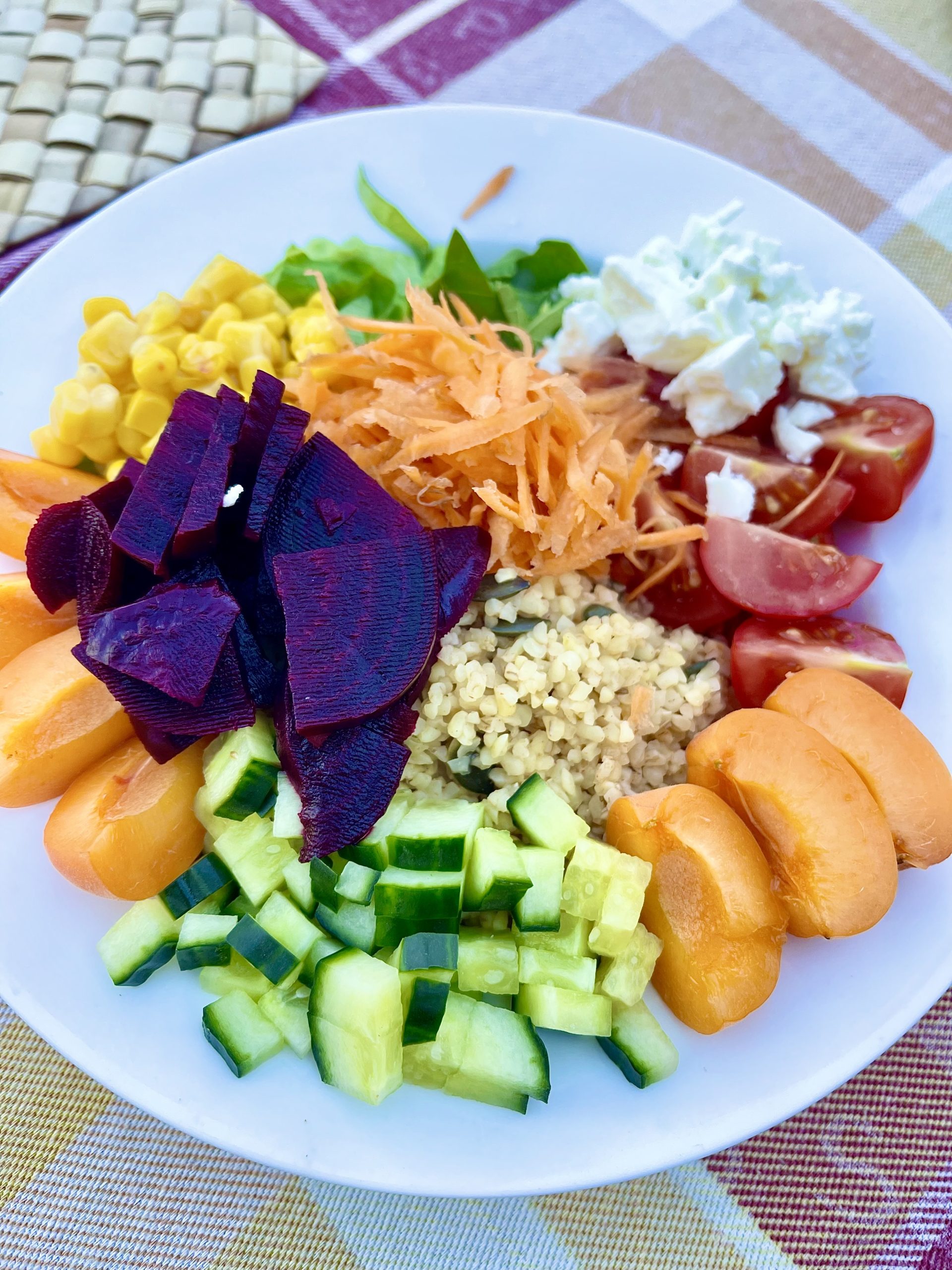
Think colour, eat the rainbow

The age-old advice to “eat your fruits and veggies” has gained new scientific backing, particularly in the realm of mental health. A recent international study led by researchers from the University of New South Wales (UNSW) Sydney’s Center for Healthy Brain Aging (CHeBA) has highlighted the potential of fruit and vegetable intake to alleviate depression symptoms. The study used the unique insights offered by twin studies, examining the impact of diet on depression while controlling for genetic and environmental factors.

Twin studies are a powerful research tool for disentangling the effects of genetics and environment. Identical twins share nearly 100% of their genes, while fraternal twins share about 50%. This allows researchers to isolate how lifestyle factors, like diet, influence traits such as mental health. In this study, 3,483 twins aged over 45 were followed across four longitudinal studies spanning up to 11 years. Participants were from Australia, Denmark, Sweden, and the U.S.

By focusing on twins, the researchers could reduce the influence of external confounding variables like socioeconomic status or childhood environment. This methodology strengthens the link between fruit and vegetable consumption and mental health outcomes, offering robust insights that previous studies often lacked.

Fruit, Veg, and Mental Health

The study found that higher fruit and vegetable consumption was associated with lower depressive symptoms over time. Specifically:

  • High intake of fruits and vegetables was linked to the greatest reduction in depressive symptoms compared to low intake.
  • Moderate vegetable intake also showed benefits, though moderate fruit intake did not show a significant difference compared to low intake.

Despite these findings, researchers noted that even “high” intake levels in the study fell below the dietary recommendations of most countries. For example, participants classified as having a high intake consumed an average of just 2.1 servings of fruit and 2.0 servings of vegetables daily—far below the World Health Organization’s recommendation of at least five servings per day.

This raises an important question: how much greater might the mental health benefits be if people consumed the recommended amount?

The Role of the Gut Microbiome

The researchers propose that the connection between diet and depression may be partly explained by the gut microbiome. Fruits and vegetables are rich in fiber, antioxidants, and vitamins, which nourish gut bacteria and reduce systemic inflammation—a key factor linked to depression. This burgeoning field of research underscores the profound interplay between diet, gut health, and mental well-being.

Practical Implications

For adults over 45, particularly those experiencing depressive symptoms, increasing fruit and vegetable intake could be a simple yet powerful step toward better mental health. Healthcare providers might consider monitoring and promoting dietary changes as part of a holistic approach to treating depression.

A Call to Action

This study adds to the growing evidence that what we eat profoundly affects our minds as well as our bodies. While more research is needed to confirm the findings and explore the mechanisms involved, one thing is clear: eating more fruits and vegetables is a win for your health, inside and out.

So, next time you’re planning a meal, think colorful—your gut, brain, and mood will thank you.

The study was published in the journal Scientific Reports.

Food

Diet and Pain

How Better Eating Can Ease Chronic Pain


Chronic pain affects 20-30% of the global population, disrupting lives and contributing to physical, emotional, and economic burdens. While chronic pain is often linked to conditions, new research from the University of South Australia (UniSA) suggests that the quality of one’s diet can play a critical role in reducing pain severity.

Diet Quality and Pain

Researchers examined data from 654 adults in Australia to assess dietary habits and scored participants’ diets based on the Dietary Guideline Index (DGI), which measures adherence to Australian dietary guidelines.

The DGI includes two components:
– Core foods: Vegetables, fruits, grains, lean meats, dairy, and alternatives.
– Non-core foods: Discretionary items high in sugar, fat, and salt, along with alcohol and unsaturated oils.

Participants’ pain levels, physical function (e.g., grip strength), and body composition were also measured.

Key Findings

  1. Diet Quality and Pain
    • Participants with higher DGI scores (better diet quality) reported less bodily pain, regardless of body weight or fat levels.
    • Women experienced a stronger relationship between better diet quality and reduced pain levels compared to men.
  2. Physical Function
    • Women with higher diet quality showed slightly better grip strength, even when accounting for body weight.
  3. Core Foods Matter
    • Greater consumption of core foods was associated with lower pain levels. These foods may help due to their anti-inflammatory and antioxidant properties, which mitigate pain.

Why Diet Quality Reduces Pain

The connection between diet and pain may be explained by the anti-inflammatory and antioxidant properties of core foods like fruits, vegetables, and lean proteins. Chronic pain is often associated with systemic inflammation, and a high-quality diet can help reduce this inflammation while providing essential nutrients to support overall health. On the other hand, poor diets high in sugar, salt, and unhealthy fats may exacerbate inflammation and contribute to increased pain levels.

Tips for a Pain-Reducing Diet

  1. Focus on Core Foods: Eat more vegetables, fruits, whole grains, lean proteins, and dairy alternatives.
  2. Limit discretionary foods high in sugar, salt, and unhealthy fats.
  3. Adopt an Anti-Inflammatory Diet: Include foods rich in omega-3 fatty acids (e.g., fatty fish, flaxseeds), antioxidants (e.g., berries, leafy greens), and whole grains.
  4. Stay Consistent: Aim to gradually improve your diet quality, rather than making drastic changes all at once.

While chronic pain often requires a multifaceted approach to management, this study emphasizes that diet quality plays a key role in reducing pain severity. By incorporating more nutritious, anti-inflammatory foods into your meals, you can support better overall health whilst freeing yourself from pain.

For those experiencing chronic pain, this research offers hope: the path to relief could start with something as simple as what’s on your plate.

The study was published in the journal Nutrition Research

Health

Staying Healthy This Christmas


The festive season is a time of joy, connection, and celebration. It’s also flu season. With colder weather and busy schedules, our health can take a knock. However, by embracing mindful rest and nourishing your body with immune-supporting foods, you can maintain vitality throughout the holidays.

Rest Amidst the Festivities

The hustle and bustle of Christmas can make it tempting to push yourself to keep up with social engagements and holiday preparations. However, rest is crucial for maintaining a strong immune system. Sleep allows your body to repair and regenerate, producing essential molecules like cytokines that help fight infection. Prioritising downtime and creating space for relaxation during this busy time will not only keep you healthier but also help you enjoy the season more fully.

Seasonal Vegetables for Immune Support

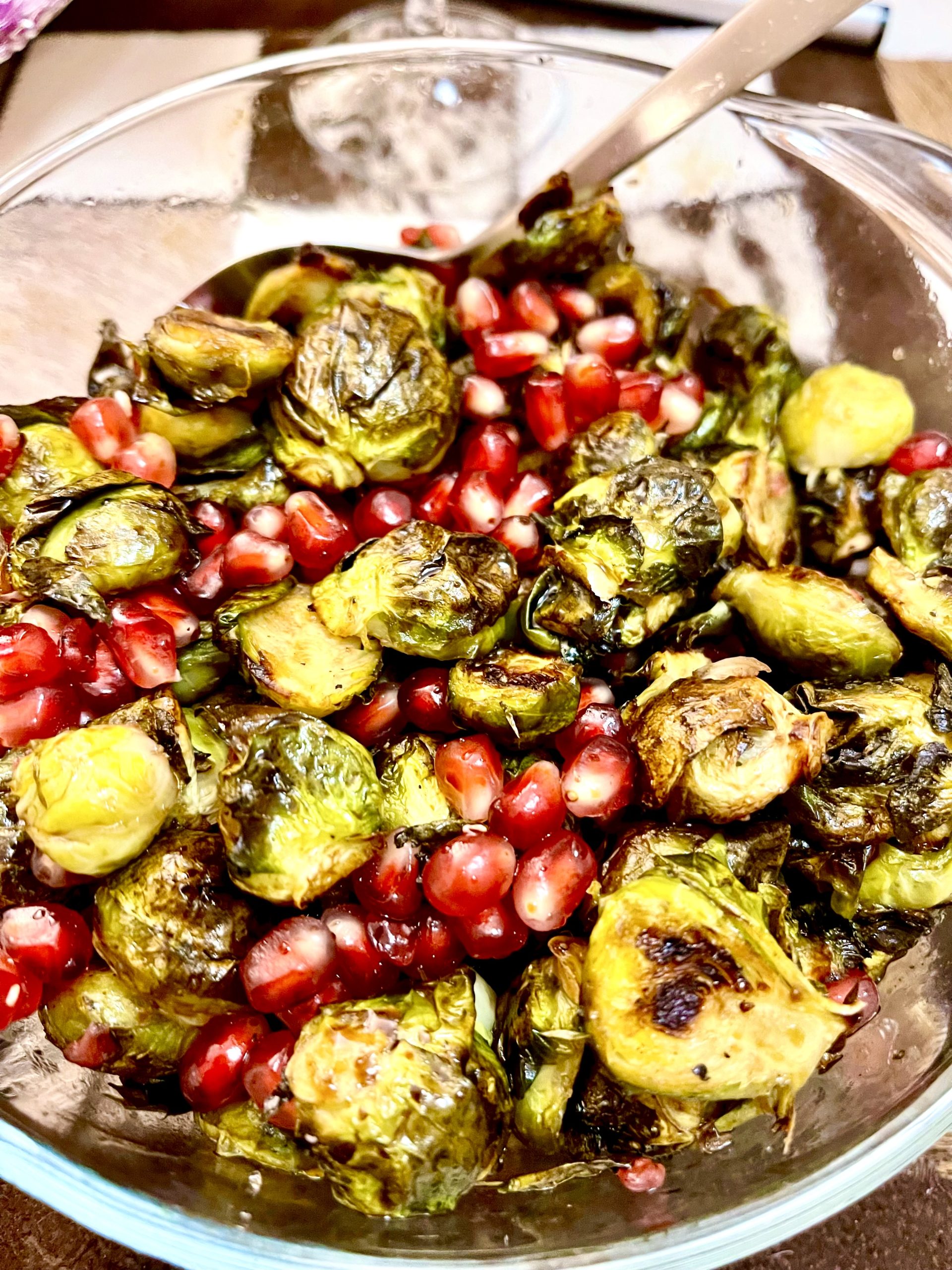
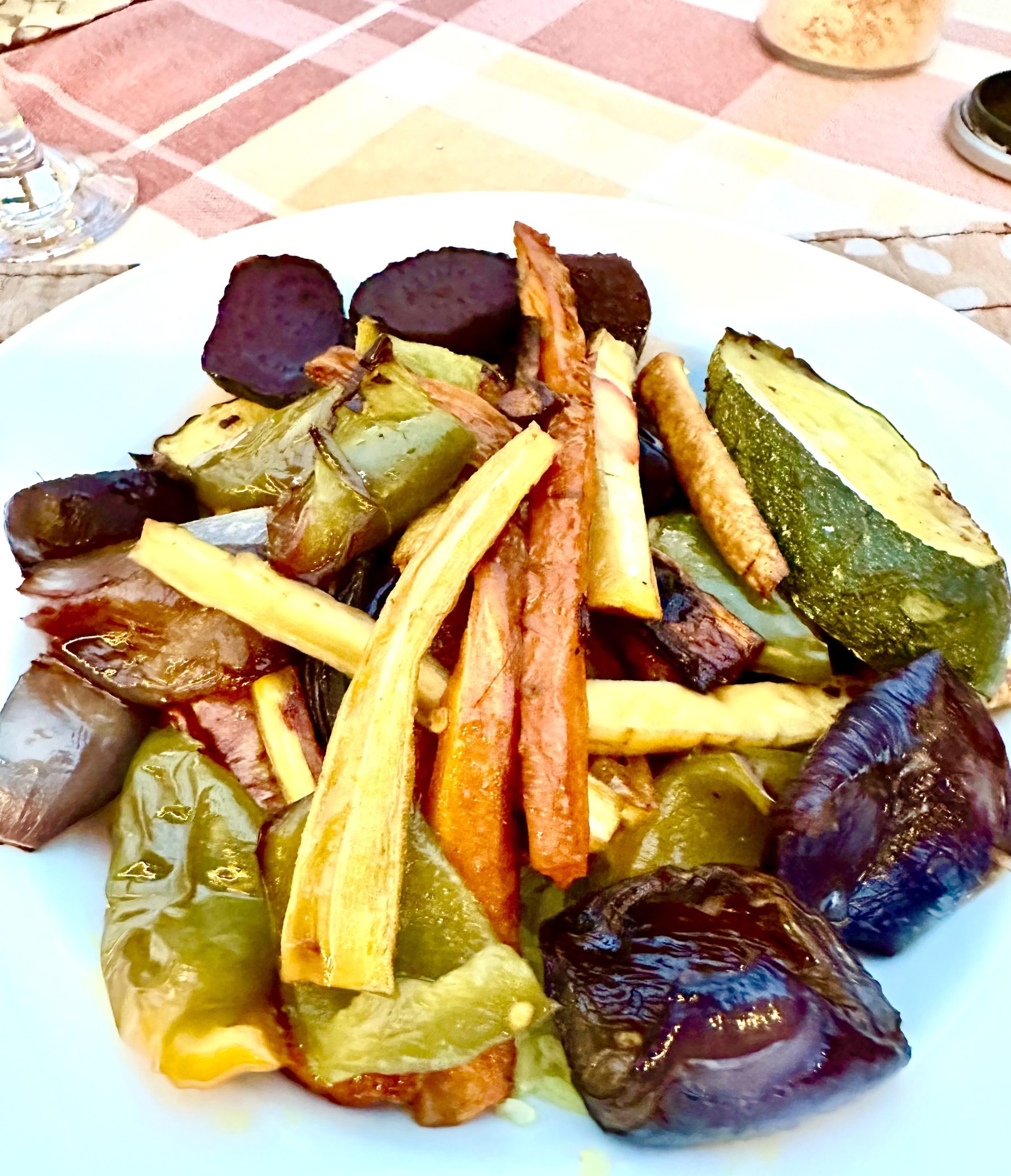
Seasonal winter vegetables, such as Brussels sprouts, are excellent sources of vitamin C, a nutrient essential for immune health. Vitamin C helps stimulate the production of white blood cells, which are vital for fighting illness. Roasted Brussels sprouts or a warm vegetable medley can add both flavour and nourishment to your festive meals.

Top Immune-Supporting Foods

To strengthen your immune system this Christmas, consider incorporating these expert-recommended foods into your diet:

  1. Citrus Fruits: Oranges, grapefruits, and lemons are packed with vitamin C and antioxidants, helping to protect immune cells from oxidative stress. A glass of freshly squeezed orange juice or lemon-infused water can be a simple and refreshing way to boost your intake.
  2. Yogurt: Rich in probiotics, yogurt supports gut health—a cornerstone of strong immunity. Opt for plain, unsweetened yogurt with live cultures, and pair it with berries or honey for a festive and nutritious snack.
  3. Garlic: Known for its antimicrobial and anti-inflammatory properties, garlic contains allicin, which can help reduce the severity and duration of colds. Add fresh garlic to soups, stews, or roasted vegetables to keep your immune system strong.
  4. Sweet Potatoes: Packed with beta carotene, sweet potatoes provide vitamin A, which supports healthy skin and tissue, a key barrier against infections. Roasted sweet potatoes or mashed sweet potatoes with a sprinkle of cinnamon can be a delicious addition to your Christmas table.
  5. Leafy Greens: Kale, spinach, and Swiss chard are rich in vitamins A, C, and E, all of which are essential for immune health. Add greens to soups, sautés, or salads for a nutrient-dense meal.
  6. Almonds: These vitamin E-rich nuts are an easy and tasty way to support your immune system. Snack on a handful of almonds or add them to festive desserts or salads.

Further Ways to Ensure Immune Health

  • Stay Hydrated: Water helps your body transport nutrients and remove waste, keeping your cells, including immune cells, functioning optimally.
  • Manage Stress: Christmas stress can dampen immune responses. Practice mindfulness, deep breathing, or yoga to maintain balance.
  • Exercise Regularly: Moderate-intensity exercise improves circulation, helping immune cells travel through the body efficiently.
  • Avoid Overindulgence: While it’s tempting to enjoy every festive treat, limit processed sugars, which can weaken immune function.

Enjoy the Season, Stay Vibrant

By combining adequate rest with a diet rich in seasonal, immune-supporting foods, you can protect your health and fully enjoy the magic of Christmas. Take time to listen to your body, nourish it well, and embrace the joy of the season with a vibrant, healthy spirit.

Health

Connection with Nature in Winter


As the temperatures drop and the days grow shorter, it can be tempting to retreat indoors and wait for winter to pass. Yet, this season offers a unique opportunity to connect with nature and embrace a slower, more reflective rhythm of life. Winter, with its stark beauty and quiet energy, invites us to align ourselves with the natural world and rediscover its wisdom.

Listening to Winter’s Lessons

Winter is a vital part of the cycle of life. In traditional societies, it was seen as a phase for rest and introspection. Like the trees shedding their leaves and animals hibernating, we too are called to slow down, reflect, and prepare for the renewal of spring. Historically, the long winter nights offered time for storytelling, nurturing relationships, and contemplating life’s deeper meanings. The modern world often resists this rhythm, demanding constant productivity. Yet, by embracing winter’s natural pause, we honour our humanity and allow ourselves to grow.

Experiencing Winter’s Beauty

Winter’s stark landscape offers its own kind of magic. Bare branches against a crisp blue sky, frost tracing the edges of fallen leaves, and the brilliant red of berries in hedgerows remind us of nature’s resilience and artistry. Taking time to witness these details, whether through a frosty morning walk or simply watching the sun rise and set, can be a grounding and restorative practice. Being outside, even in the cold, helps our bodies adapt to the season. The natural light aligns our circadian rhythms, while the fresh air revitalises our minds. Wrap up warmly, step into the chill, and let the elements remind you of your connection to the Earth, a connection that nourishes the soul and lifts the spirit.

The Restorative Power of Darkness

Winter also brings longer nights, which many see as a challenge. However, this darkness has its gifts. Research shows that we tend to sleep more deeply in winter, with increased REM sleep – essential for dreaming and visioning. These dreams can inspire new ideas and pathways, as the season itself nurtures the seeds of the coming year. 

Honouring the Cycles of Life

Winter is a reminder that time is cyclical. It’s a season of letting go, of clearing away what no longer serves us to make space for what will. This cyclical nature mirrors the rhythms of the natural world and offers us a chance to align our lives with its flow. By embracing winter rather than resisting it, we discover its wisdom: a time for rest, for visioning, and for quiet preparation. Nature shows us how to survive and even thrive in the cold, reminding us that every season has its purpose and beauty.