
Insights from Twin Studies
The age-old advice to “eat your fruits and veggies” has gained new scientific backing, particularly in the realm of mental health. A recent international study led by researchers from the University of New South Wales (UNSW) Sydney’s Center for Healthy Brain Aging (CHeBA) has highlighted the potential of fruit and vegetable intake to alleviate depression symptoms. The study used the unique insights offered by twin studies, examining the impact of diet on depression while controlling for genetic and environmental factors.
Twin studies are a powerful research tool for disentangling the effects of genetics and environment. Identical twins share nearly 100% of their genes, while fraternal twins share about 50%. This allows researchers to isolate how lifestyle factors, like diet, influence traits such as mental health. In this study, 3,483 twins aged over 45 were followed across four longitudinal studies spanning up to 11 years. Participants were from Australia, Denmark, Sweden, and the U.S.
By focusing on twins, the researchers could reduce the influence of external confounding variables like socioeconomic status or childhood environment. This methodology strengthens the link between fruit and vegetable consumption and mental health outcomes, offering robust insights that previous studies often lacked.
Fruit, Veg, and Mental Health
The study found that higher fruit and vegetable consumption was associated with lower depressive symptoms over time. Specifically:
- High intake of fruits and vegetables was linked to the greatest reduction in depressive symptoms compared to low intake.
- Moderate vegetable intake also showed benefits, though moderate fruit intake did not show a significant difference compared to low intake.
Despite these findings, researchers noted that even “high” intake levels in the study fell below the dietary recommendations of most countries. For example, participants classified as having a high intake consumed an average of just 2.1 servings of fruit and 2.0 servings of vegetables daily—far below the World Health Organization’s recommendation of at least five servings per day.
This raises an important question: how much greater might the mental health benefits be if people consumed the recommended amount?
The Role of the Gut Microbiome
The researchers propose that the connection between diet and depression may be partly explained by the gut microbiome. Fruits and vegetables are rich in fiber, antioxidants, and vitamins, which nourish gut bacteria and reduce systemic inflammation—a key factor linked to depression. This burgeoning field of research underscores the profound interplay between diet, gut health, and mental well-being.
Practical Implications
For adults over 45, particularly those experiencing depressive symptoms, increasing fruit and vegetable intake could be a simple yet powerful step toward better mental health. Healthcare providers might consider monitoring and promoting dietary changes as part of a holistic approach to treating depression.
A Call to Action
This study adds to the growing evidence that what we eat profoundly affects our minds as well as our bodies. While more research is needed to confirm the findings and explore the mechanisms involved, one thing is clear: eating more fruits and vegetables is a win for your health, inside and out.
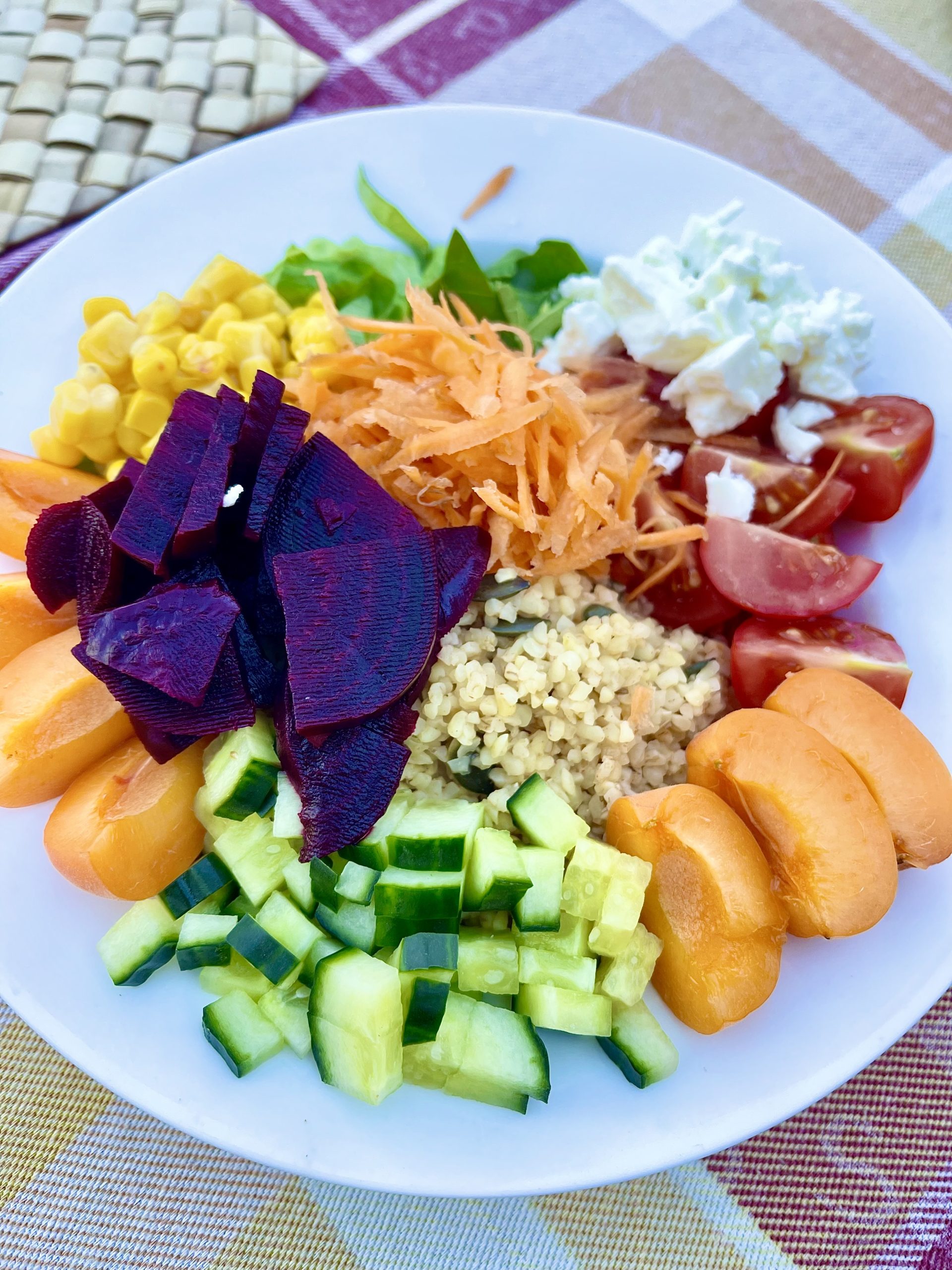
So, next time you’re planning a meal, think colorful—your gut, brain, and mood will thank you.
The study was published in the journal Scientific Reports.