Health

Nature on Prescription

A New Path to Mental Wellbeing

The healing power of nature
In a world where stress, anxiety, and depression are on the rise, a growing body of research suggests that one of the most effective treatments might be simpler than we think: getting outside.

Recent evidence, including the work of Dr Greenwood’s charity Dose of Nature, reveals that spending time in nature can be even more effective than traditional therapies like cognitive behavioural therapy (CBT). In fact, patients following a structured nature-based programme showed a 59% recovery rate, compared to 49% for NHS CBT. Their “reliably improved” rates also surpassed CBT, standing at 84% compared to 67%.

But why is nature so powerful?
Research shows that being in green spaces boosts immune function through the inhalation of phytoncides – natural chemicals released by plants. Listening to natural sounds like birdsong helps shift our nervous system from “fight or flight” to a calming “rest and digest” state, lowering blood pressure, heart rate, and stress hormones.

Noticing fractal patterns in nature – the repeating shapes in leaves, shells, and trees – increases brain waves associated with relaxation. Even touching soil can have profound effects: it contains a friendly bacterium, mycobacterium vaccae, linked to stress resilience and cognitive wellbeing.

Activities like picking up sticks, making mandalas from leaves, or simply lying under a tree reconnect us with a deep part of our mammalian brain, offering both healing and joy. Even moments of awe, like gazing at the stars, can reframe our worries, making us feel smaller — and strangely, more reassured — in the grand scheme of life.

As Dr Greenwood’s research highlights, nature isn’t just a nice backdrop for wellness activities – it’s an active healing partner. Prescribing nature for nature’s sake may be one of the most powerful tools we have for mental wellbeing.

The invitation is simple: step outside, breathe deeply, listen, touch, play – and let nature do what it does best: heal.

For more information, visit doseofnature.org.uk.
Food

Nature and Food on Prescription

Growing Your Way to Better Mental and Physical Health

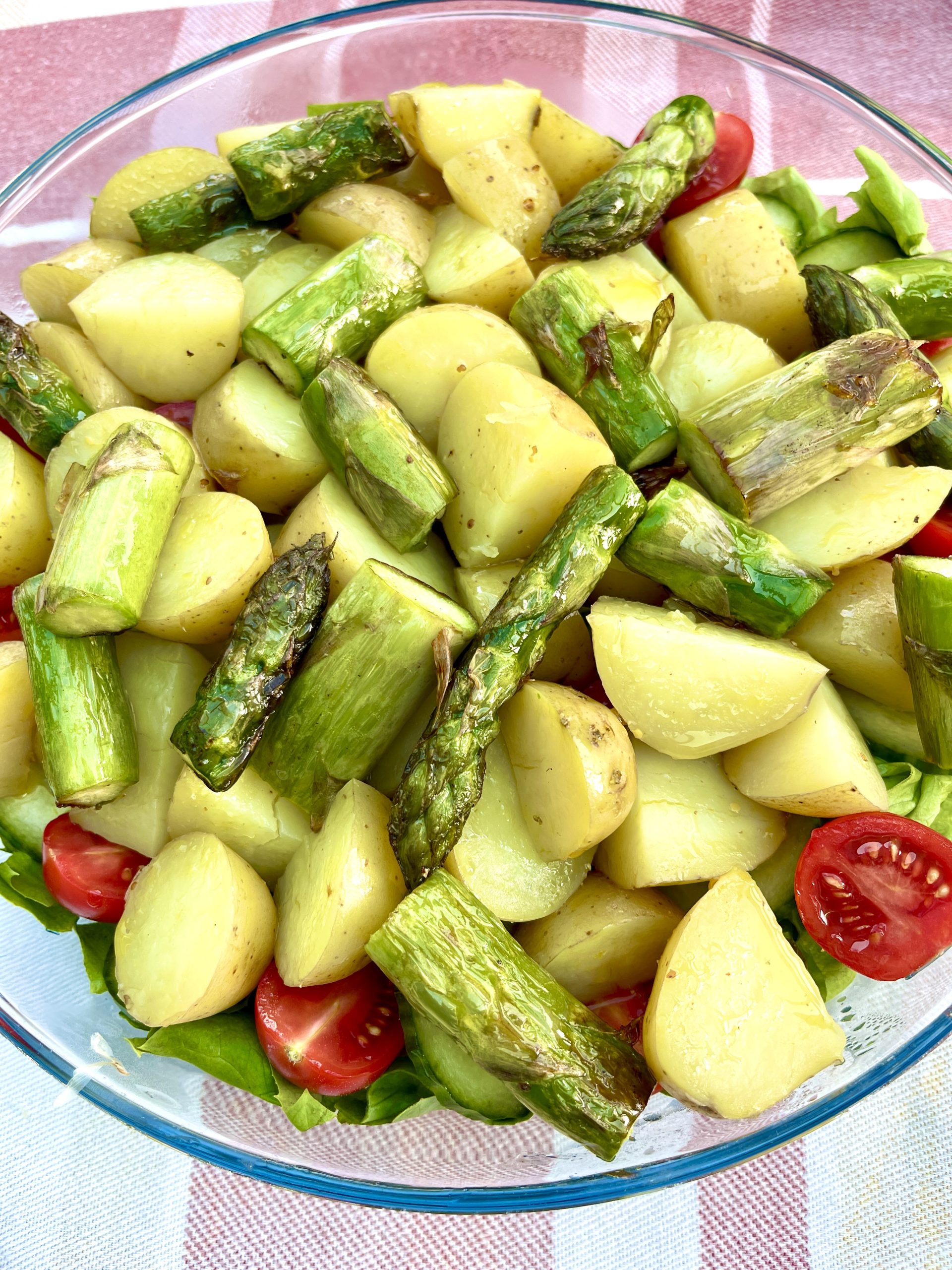
Warm salad with pan fried asparagus

Springtime is a great time to maximise the power of nature and natural nutrition to support your mental and physical wellbeing. Increasingly, doctors and therapists are turning to “green prescriptions” — encouraging time in nature as a tool for recovery – alongside a growing recognition that what we eat directly influences our mood and vitality. Making the most of fresh green spring produce while they’re at their peak, including asparagus, rhubarb, spinach and peas, can be a real investment in your health. Fresh, seasonal foods can be easily grown in the garden, pots, baskets and window sills. Spring brings a bounty of colourful, nutrient-rich greens that not only nourish the body but also support mental health, digestion, and energy levels. Here are a few spring stars you can grow and enjoy right now:

Asparagus
Rich in prebiotic fibre, asparagus feeds your healthy gut bacteria, supporting both digestive and mental health. It’s also rich in vitamins C and E, packed with folate, vital for energy and mood, and anti-inflammatory compounds that protect your cells. Asparagus crowns are easy to plant and will reward you year after year. This year, we’re harvesting our first asparagus spears at the allotment. Asparagus season runs from April to June and it’s great to enjoy while in season. We like panfrying asparagus and enjoy it in a mixed warm salad.

Spinach
A fast-growing spring green, spinach is a powerhouse of iron, vitamin K, and plant compounds that support eye health and immunity. Its high nitrate content can help lower blood pressure, boosting cardiovascular and brain health. We enjoy planting perpetual spinach and a few leaves in Spring can be a great addition to omelettes.

Peas
Nothing tastes quite like fresh garden peas and they’re not just delicious. They’re are a real garden favourite that can be grown easily in small spaces and can even thrive in pots. Peas are full of fibre, and blood-sugar balancing nutrients like magnesium and potassium. They’re one of the best plant-based sources of protein and a good source of iron, which is required for red blood cell production.

Broad Beans
Broad beans are rich in plant-based protein and magnesium, supporting heart health and sustained energy levels. They’re packed with plant-based protein, which increases feelings of fullness. Due to their high fibre content, they may help lower cholesterol and contribute to good digestion. Their cheerful green pods are easy to grow and bring a rewarding harvest by early summer.

Lettuce
Simple to sow and quick to harvest, lettuce varieties like Little Gem and romaine offer hydration, vitamin A for eye health, and vitamin K for strong bones. Growing your own means you’ll always have crisp, fresh leaves on hand. We love the pick and regrow variety that keeps yielding throughout the season.
Purple Sprouting Broccoli. Bursting with antioxidants, fibre, and vitamin C, this vibrant brassica supports heart health and a resilient immune system. It’s a little slower to grow but well worth the wait.

Spring onions
Spring onions are available all year round, but are at their best in spring and early summer. Like regular onions, they contain plenty of fibre, so they contribute to good gut health and help lower cholesterol. It’s a sheer joy to cut a few sprigs of spring onion chives from the garden to flavour dishes and garnish salads.

Rhubarb
While technically a vegetable, rhubarb is a tangy spring treat rich in vitamin K and anthocyanins, supporting heart health and digestion. Its bold pink stalks add colour to the garden and comes back every year. There are plenty of ways to enjoy rhubarb – in crumble and also for breakfast with yogurt.
By growing and eating these spring foods, we connect more deeply to the earth’s natural cycles – a connection that research shows is profoundly healing for both mind and body. Gardening itself provides its own therapy: soil contains mood-boosting microbes, and tending plants can reduce stress, anxiety, and even symptoms of depression.

This spring, why not combine your daily dose of nature with a plateful of health and let the earth and its bounty nourish your health.

Omelette with spinach and spring onions
Health

Mindful Nature Connection in Spring


The Season of Renewal, Mindfulness, and Wellness

As the days grow longer and the air carries the fresh scent of blooming flowers, spring emerges as a season of renewal and vitality. Nature awakens from its winter slumber, and with it comes an invitation to embrace the energy of new growth—not just in the natural world, but within ourselves.

Spring is a powerful time to reconnect with nature and practice mindfulness, allowing us to align with the rhythm of the season and cultivate a sense of well-being. The fresh greenery, delicate blossoms, and the joyful chorus of birdsong remind us to slow down, breathe deeply, and appreciate the present moment.

The Vitality of Spring: A Natural Energy Boost

Spring is synonymous with new life—buds burst open, trees unfurl their fresh green leaves, and the earth hums with energy. This transformation in nature can be deeply inspiring, encouraging us to shed the heaviness of winter and embrace new possibilities. Taking time to observe the changes around us, whether it’s the first cherry blossoms or the return of migrating birds, helps us cultivate awareness and gratitude for the beauty of the world.

Spending time outdoors in spring can invigorate both body and mind. Sunlight provides a natural boost of vitamin D, improving mood and energy levels. The scent of fresh flowers, the feel of warm breezes, and the sound of rustling leaves all contribute to a heightened sensory experience, drawing us into a deeper connection with the world around us.

Mindfulness in Bloom: Being Present with Nature

Springtime offers countless opportunities to engage in mindfulness practices. Here are a few simple ways to cultivate awareness and wellness during this season:

1. Take a Nature Walk: Strolling through a park, forest, or garden, focus on the sights, sounds, and scents. Notice the colours of the flowers, the buzzing of bees, the warmth of the sun on your skin. Walking mindfully can help clear the mind and reduce stress.

2. Practice Grounding: Stand barefoot on fresh grass or soft earth. Feel the connection between your body and the ground, allowing yourself to be fully present in the moment. This simple practice can help bring a sense of stability and calm.

3. Listen to Birdsong: The melodies of birds in spring are a natural form of sound therapy. Close your eyes and listen to their joyful calls, letting the sound wash over you like a meditation.

4. Observe New Growth: Take time to notice how nature changes each day—tiny leaves unfurling, blossoms appearing, or the first butterflies flitting about. This practice of observation fosters patience and appreciation for slow, steady transformation.

5. Garden or Plant Something New: Tending to plants, even if it’s just a small pot of herbs, is a grounding activity that strengthens our connection to nature’s cycles. Planting seeds and watching them grow mirrors our own personal growth and renewal.

A Season of Personal Growth and New Beginnings

Spring is not just a season of external change but also an opportunity for inner renewal. Just as nature sheds the old to make way for the new, we, too, can use this time to let go of what no longer serves us—whether it’s limiting beliefs, stress, or habits that hold us back.

Spring’s energy encourages us to take action on our intentions, embrace fresh opportunities, and step forward with optimism. It’s a time to nourish our bodies with seasonal foods, move more, and embrace creativity and spontaneity. By aligning with the rhythm of the season, we can cultivate a sense of wellness that carries us into the months ahead.

As you step into spring, take a moment to pause and immerse yourself in the beauty of the season. Breathe in the fresh air, listen to the whisper of the wind through the trees, and allow yourself to be present in the here and now. Nature’s renewal is an invitation—embrace it with an open heart and let it guide you toward greater mindfulness, joy, and well-being.

What did participants in our research in Mindful Nature Connection and Mental Health reveal through their personal experiences? Read more here.

Health

The Gut-Brain Connection: How Your Diet Impacts Mental Health

We’ve long known that what we eat affects our bodies, but emerging research is showing that our diets also have a profound impact on our minds. Scientists are uncovering strong links between gut health and mental well-being, suggesting that the food we consume can influence our mood, stress levels, and even the risk of depression and anxiety.

THE SCIENCE BEHIND THE GUT-BRAIN AXIS

The gut and brain are in constant communication through what’s known as the gut-brain axis. This connection involves the nervous system, immune system, and gut microbiome – the trillions of bacteria living in our digestive tract. These microbes help regulate neurotransmitters like serotonin and dopamine, which play key roles in mood and emotional stability. About 90% of the body’s serotonin is produced in the gut.
When gut health is compromised – whether due to poor diet, stress, or inflammation – it can trigger changes in brain function, contributing to mental health disorders. Chronic stress, for example, can disrupt gut bacteria, leading to increased inflammation and a higher risk of depression and anxiety.

NEW RESEARCH ON FOOD AND MENTAL HEALTH

Recent studies reinforce the link between diet and mental well-being. Ultra-processed foods have been associated with a 48% increased risk of anxiety and a 22% increased risk of depression. A Mediterranean-style diet rich in whole foods has been shown to reduce the risk of depression, anxiety, and ADHD, particularly in children and teenagers. People who eat more fruits, vegetables, legumes, fish, and yogurt report lower levels of stress. These findings suggest that what we put on our plates can influence our mental health over time—either fuelling our well-being or increasing our vulnerability to mood disorders.

WHAT TO EAT FOR A HEALTHIER MIND

There’s no single magic food for mental health, but certain dietary patterns can promote emotional resilience. Fermented foods (yogurt, kefir, kimchi, kombucha) help balance gut bacteria and may reduce symptoms of social anxiety. Fatty fish (salmon, sardines, mackerel) provide omega-3s, which have anti-inflammatory effects and support brain function. Colourful fruits and vegetables (berries, leafy greens, bell peppers) are rich in antioxidants that combat oxidative stress. Beans and legumes supply B vitamins, fibre, and minerals that support brain health. Nuts and seeds (almonds, walnuts, pumpkin seeds) have been linked to a lower risk of depression. Dark chocolate (70% cacao or higher) has been shown to improve mood and reduce fatigue.

By nourishing your gut with whole, nutrient-dense foods and minimising ultra-processed items, you can significantly support your emotional well-being.

Health

What to Eat to Invest in Your Health


We all want to be healthy, strong, vibrant, and free from chronic disease well into our seventies and beyond but apparently only one in ten of us achieves that. So what does it take to join the ranks of people who remain in good health at 70? A groundbreaking study published in Nature Medicine provides clear answers, showing that our diet choices in midlife can directly impact our health decades later.

The Key to Healthy Aging

The study tracked over 105,000 people aged 39 to 69 for three decades. It found that only 9.3% of participants reached 70 without developing a major chronic disease such as cancer, diabetes, stroke, or Parkinson’s. However, those who followed one of several science-backed eating patterns—such as the Mediterranean diet, the Alternative Healthy Eating Index (AHEI), or the MIND diet—had a significantly greater chance of aging healthily.

The study highlights one simple truth: there is no magic pill for longevity—only consistent, healthy eating habits. Here’s what you need to eat, and avoid, to invest in your long-term health:

What to Eat for Longevity and Health

1. Prioritise Fruits and Vegetables

Aim for at least five servings of vegetables daily, with a focus on leafy greens (such as spinach and kale) and a variety of colourful produce. Consume four servings of fruit per day, emphasising berries, apples, and pears for their high antioxidant content. Minimise fruit juice, which lacks fibre and can spike blood sugar levels.

2. Eat Whole Grains Daily

Strive for five to six servings of whole grains each day. Options include oats, quinoa, brown rice, buckwheat, barley, and ancient grains like freekeh. These grains provide fibre, B vitamins, and antioxidants that support heart health and lower inflammation.

3. Incorporate Healthy Fats

Use at least one tablespoon of olive oil daily—a key component of longevity-focused diets. Replace butter and saturated fats with plant-based oils like olive, avocado, and flaxseed oil. Studies show that swapping butter for plant-based oils can reduce the risk of early death by 17%.

4. Eat More Legumes and Pulses

Aim for two to three servings of beans, lentils, and chickpeas weekly. These protein-packed foods reduce the risk of colon cancer and cardiovascular disease. Even just one serving per week provides major health benefits.

5. Consume Fatty Fish Weekly

Eat at least one serving of fish per week, ideally an oily fish like salmon, sardines, or mackerel. These are rich in omega-3 fatty acids, which support brain health, reduce inflammation, and protect against heart disease. For vegetarians, walnuts and pumpkin seeds provide plant-based omega-3s.

What to Avoid for Healthy Aging

1. Cut Down on Ultra-Processed Foods (UPFs)

Diets high in UPFs (such as processed snacks, sugary drinks, and ready meals) lowered participants’ chance of healthy aging by 32%. These foods contain excess sugar, salt, and unhealthy fats, leading to higher risks of diabetes, heart disease, and cancer. Instead, choose whole, nutrient-dense foods with minimal processing.

2. Reduce Processed Meats

Processed meats like bacon, sausages, and deli meats have been linked to bowel cancer. The NHS recommends limiting or eliminating processed meats for long-term health. Opt for lean animal protein sources like poultry, fish, or plant-based alternatives.

The message from this study is clear: good nutrition is the most powerful tool we have for healthy aging. Rather than focusing on trends, fad diets, or miracle superfoods, the key is a balanced diet rich in whole, natural foods.

Your future self will thank you for the choices you make today! Invest in your health now, and enjoy a vibrant, disease-free life for decades to come.

Health

Spring Renewal

Supporting Your Body’s Natural Detox with Leafy Greens

As early spring unfolds, our bodies instinctively begin a process of renewal. Just as nature transitions, shedding the heaviness of winter, our systems also undergo a shift—releasing accumulated toxins and awakening our immune defenses. This natural detoxification process is essential for maintaining overall well-being, and the foods we eat can either support or hinder this transition.

Spring and the Body’s Natural Detox

In Traditional Chinese Medicine and holistic health practices, spring is considered the season of the liver—the body’s primary detoxification organ. During this time, the body works to clear out stagnation, support digestion, and prepare for increased energy levels. Symptoms like mild fatigue, headaches, sluggish digestion, or skin breakouts may be signs that your body is releasing stored toxins from winter.

One of the best ways to support this process is through food. “Food on prescription” is an emerging concept that highlights the healing power of nutrition, and early spring offers an abundance of nutrient-rich greens that can help cleanse the body and boost immunity.

Leafy Greens: The Ultimate Spring Cleanse

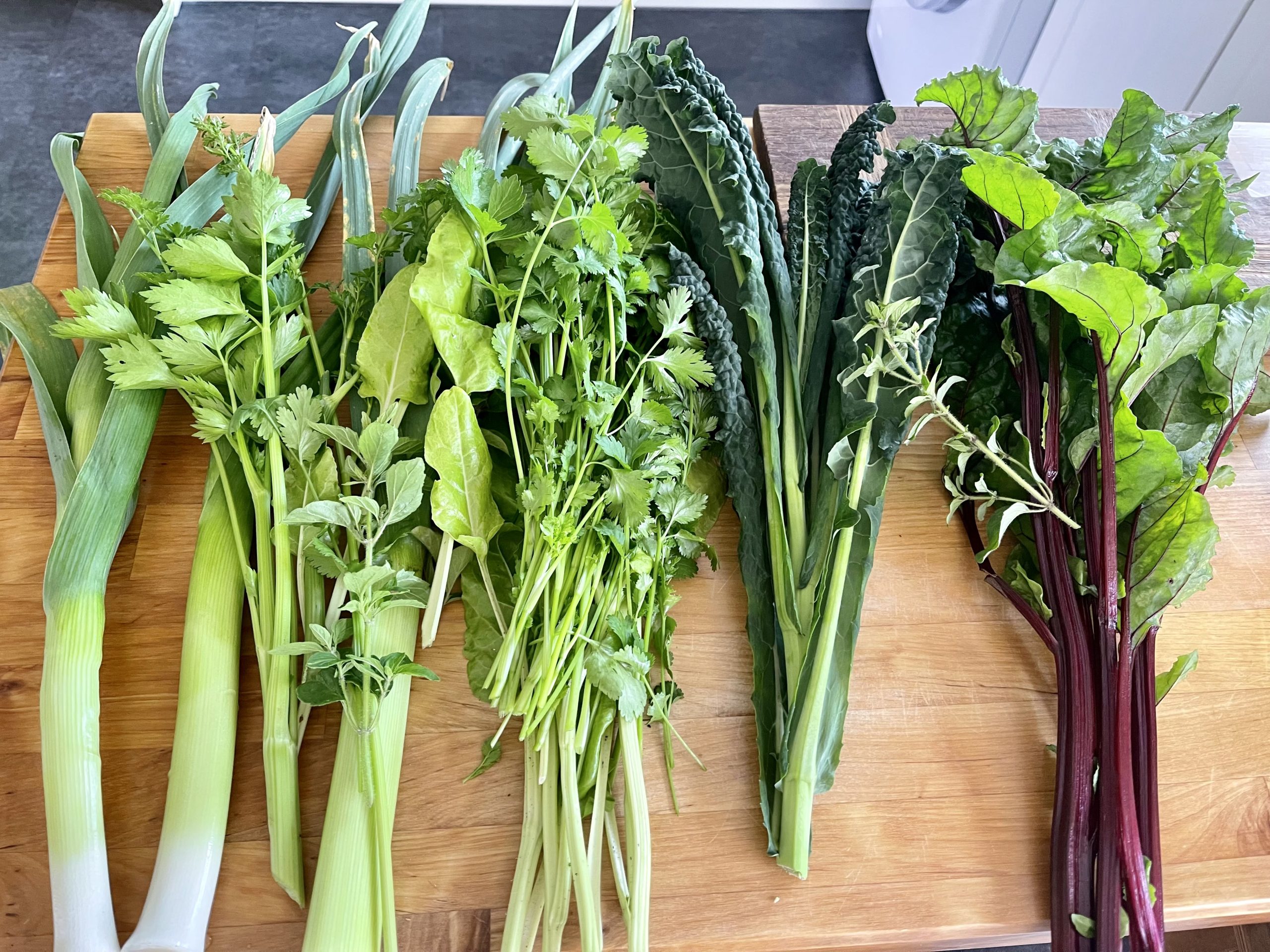
Leafy greens are nature’s detoxifiers. Packed with chlorophyll, antioxidants, fiber, and essential vitamins, they help the liver process toxins more efficiently while also providing key nutrients for immune function. Some of the best greens to incorporate this season include:

  • Dandelion Greens – Known for their liver-supporting properties, dandelion greens help flush out toxins and aid digestion.
  • Spinach & Kale – Rich in iron, folate, and vitamin C, these greens boost energy and support cellular repair.
  • Watercress – A powerhouse of antioxidants, watercress supports circulation and reduces inflammation.
  • Swiss Chard – High in magnesium and potassium, chard helps regulate hydration and supports kidney function.

How to Incorporate Leafy Greens into Your Diet

To maximize the benefits, aim to eat a variety of leafy greens daily. Here are some simple ways to incorporate them:

  • Morning Green Smoothie: Blend spinach, kale, cucumber, lemon, and ginger for a refreshing detox drink.
  • Spring Salads: Mix arugula, watercress, and dandelion greens with fruits and nuts for a revitalising meal.
  • Healing Soups: Add Swiss chard or kale to a light vegetable broth with garlic and turmeric for an immune-boosting soup.
  • Sauteed Greens: Lightly sauté spinach or dandelion greens with olive oil, garlic, and a pinch of sea salt for a simple yet nutritious side dish.

The Connection Between Detox & Immunity

A cleaner, well-supported liver leads to a stronger immune system. As toxins are eliminated more effectively, inflammation decreases, digestion improves, and energy levels rise. By embracing the foods that nature provides in early spring, we align our bodies with the rhythms of the season, promoting long-term wellness and vitality. You’ll not only support detoxification but also strengthen your immune system, leaving you feeling lighter, clearer, and more energised for the season ahead.