
Health

Summer Fruits, Simple Joys

Summer is a time of abundance. Warm sun, long days, and nature bursting into full expression—and one of its greatest gifts? Fruit.
Juicy, vibrant, sun-ripened fruit. Whether it’s biting into a perfectly ripe peach or blending fresh berries into your morning smoothie, eating fruit in summer is more than a treat—it’s an act of self-care.

Why Summer is the Perfect Time to Eat More Fruit

During summer, your body naturally craves foods that are hydrating, light, and rich in nutrients. Fruit checks every box. It’s packed with water, antioxidants, vitamins, and natural sugars that give you energy without weighing you down.

In traditional healing systems like Ayurveda, summer is associated with heat and fire (Pitta energy), and the cooling, sweet, and moist qualities of fruit help bring balance.

Health Benefits of Summer Fruit

Here are just a few reasons to fill your plate (or picnic basket) with nature’s candy:

1. Hydration Boost

Many summer fruits—like watermelon, strawberries, and oranges—contain over 90% water. Eating them helps keep you cool, refreshed, and supports healthy skin and digestion.

2. Antioxidants & Skin Health

Berries, cherries, and stone fruits are rich in antioxidants like vitamin C and anthocyanins. These support immune function, fight inflammation, and help protect your skin from sun-related damage.

3. Natural Energy

The natural fruit sugars (mainly fructose and glucose) provide a gentle energy lift—perfect for active summer days—without the crash of processed snacks.

4. Gut Health

Fibre in fruit supports digestion and healthy gut bacteria. Think apples, pears, kiwis, and figs—all summer staples.

5. Mood Support

Some studies suggest that eating more fruits and vegetables is linked to improved mood and mental well-being. There’s something uplifting about holding a bowl of colourful fruit—your brain recognises real nourishment.


Ways to Enjoy Summer Fruit Mindfully

  • Eat seasonally: Choose fruit that’s grown locally and in season for the freshest flavour and maximum nutrients.

  • Slow down: Eat fruit mindfully. Notice the texture, colour, scent, and taste. Let each bite be a mini meditation.

  • Get creative: Add fruit to salads, freeze into ice lollies, or blend into smoothies. Try grilled peaches or watermelon slices with sea salt and lime.

  • Keep it simple: Sometimes the best way to enjoy fruit is just as it is—fresh, sun-warmed, and eaten outdoors.


A Ritual of Joy

Eating fruit in summer is more than a dietary choice—it’s a celebration of the season. It’s a chance to connect with nature, nourish your body, and experience gratitude for the earth’s rhythms.

So go ahead—buy that punnet of strawberries. Slice the mango. Let the juice run down your chin. This is summer, and it’s sweet for a reason.

Health

Under the Stars

How Connecting with Nature at Night Can Heal the Mind

There’s something ancient and sacred about standing under the stars. The stillness, the soft rustle of leaves, and the quiet immensity of the night sky draw us out of ourselves and into something vast and timeless.

In a world that pulls us into screens, noise, and endless to-do lists, reconnecting with the natural world—especially at night—offers a gentle, powerful antidote. And it’s not just poetic—it’s profoundly good for your mental health.

The Healing Power of Nature

Decades of research have confirmed that spending time in green spaces like forests or parks improves mood, reduces stress, and enhances overall well-being. Blue spaces like lakes, rivers, and coastlines have also been shown to offer similar benefits. There’s another kind of nature connection we often overlook: the night sky.

A recent study found that people who feel more connected to the night sky report better mental health and greater happiness. It turns out that simply stepping outside and looking up may be a medicine we’ve forgotten.

Stargazing as Mindful Medicine

Mindful stargazing invites you to slow down. You don’t need fancy equipment or deep astronomical knowledge. Just your presence.

When you look up with curiosity, that curiosity can lead to wonder—a gateway to awe. And awe, psychologists have discovered, has powerful effects on our mental health. It quiets self-critical thinking, dissolves ego, and connects us to something beyond our individual concerns. As meditation teacher Sharon Salzberg says, “Awe is the absence of self-preoccupation.” In those moments under the stars, we’re no longer the centre of the universe—we’re a part of it.

Why Nature at Night is Different

While daytime nature immersion stimulates the senses and grounds us, night-time brings a different quality: stillness. The absence of visual overload can be deeply calming to the nervous system. It naturally shifts us from fight-or-flight into rest-and-digest mode, soothing the body and calming the mind (Capaldi et al., 2015). When we engage with the night sky mindfully—without agendas or inner chatter—we enter a timeless space where healing can happen.

August Sky Guide: What to Watch For

This August, the cosmos is putting on a show. Here are a few events to draw you outdoors and into presence:

1. Perseid Meteor Shower (Peaks August 11–13)
One of the most beloved meteor showers of the year. Expect up to 60–100 meteors per hour under dark skies. Best viewed after midnight. No telescope needed—just a reclining chair, warm blanket, and patience.

2. Crescent Moon & Venus (Early August)
In the first week of August, catch the delicate crescent moon meeting Venus low in the western sky after sunset—a beautiful, calming sight.

3. Saturn at Opposition (August 27)
Saturn will be closest to Earth and fully illuminated by the Sun. If you have binoculars or a telescope, this is your chance to glimpse its iconic rings.

Food

Eat Well to Sleep Well


How Your Daily Diet Can Transform Your Night’s Rest – Rapidly

Sleep and diet are two key pillars of wellness that are often treated as separate challenges. What if the key to better sleep wasn’t found in your bedtime routine, but on your plate?

Ground breaking new research shows that what you eat during the day—specifically your intake of fruits, vegetables, and healthy carbohydrates—can significantly impact how well you sleep that very night. Yes, within just 24 hours, your food choices can either support or sabotage your sleep.

Food as a Natural Sleep Aid

This study is the first to clearly draw a time-based link between diet and objectively measured sleep quality. Researchers used wrist monitors to track sleep fragmentation—a key measure of sleep quality that reflects how often a person wakes up or transitions from deep to light sleep during the night.

Participants who consumed five cups of fruits and vegetables per day experienced up to 16% better sleep quality than those who consumed none. That’s a meaningful shift, especially considering how quickly the effect took hold—often within the same night.

Why Sleep Fragmentation Matters

Sleep fragmentation isn’t just a minor annoyance. It’s linked to a host of serious health concerns, including:

  • Poor memory and learning
  • Increased risk of heart disease
  • Mood dysregulation
  • Greater stress and anxiety levels

While it’s well-documented that poor sleep can lead to unhealthy food choices like reaching for sugary snacks and high-fat comfort foods to stay awake, the new research shows the flip-side, that good food choices can actively improve sleep. This means your diet and sleep form a feedback loop. Eat better, sleep better. Sleep better, and you’re more likely to crave nutritious foods the next day – a virtuous cycle of wellness.

What can You Eat for Better Sleep?

The study’s findings highlight a few key dietary targets for optimal sleep quality:

  • Fruits and Vegetables: Aim for the daily recommended five cups. The vitamins, minerals, and plant compounds may support healthy brain function and calm the nervous system, helping you drift into deeper sleep.
  • Healthy Carbohydrates: Whole grains, sweet potatoes, brown rice and oats. These foods help regulate blood sugar and can increase the availability of tryptophan—a key amino acid needed for melatonin production.
  • Avoid Heavy Fats and Sugars Late in the Day: These can disrupt sleep cycles and lead to more awakenings during the night.

️ Better Sleep is Within Reach

Small changes can impact sleep and better rest is within your control starting with your grocery list. Add a handful of blueberries to your breakfast, toss some spinach into your lunch, snack on carrots or bell pepper, and swap refined grains for whole ones at dinner. By nourishing your body with plant-based, nutrient-rich foods, you may be giving your brain the building blocks it needs to rest, reset, and recharge. And the best part? You might feel the difference as soon as tonight.

Health

The Scents of Summer for Well-Being


Harnessing the power of nature’s fragrances for your health

During the summer months, when there’s an array of pleasant natural scents in the air, there’s great opportunity to include the sense of smell in your natural mindfulness. These summer fragrances are more than just pleasant aromas. Research is showing that the natural scents of plants can have tangible effects on our health, mood, and overall well-being. It’s a natural aromatherapy, backed not just by tradition or folklore, but by science. Professor Kathy Willis, author of Good Nature, emphasises that plant scents are “hidden gems of nature,” able to support health in subtle but profound ways – from calming anxiety to improving memory.

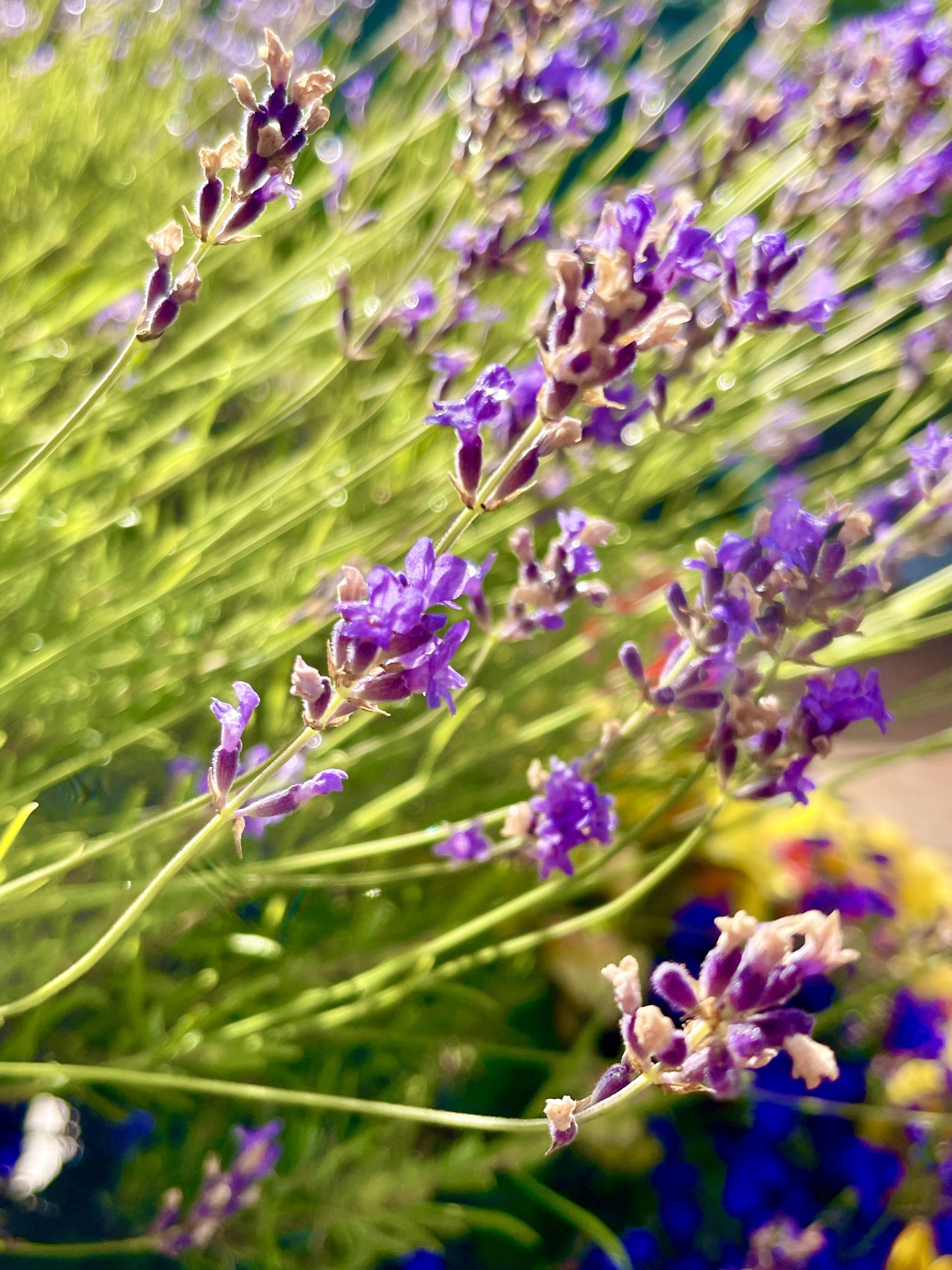
1. Lavender: The Scent of Restful Nights

There’s a reason lavender is a staple in sleep sprays and night-time teas. Scientific studies conducted in sleep chambers show that lavender can increase slow-wave deep sleep and the overall length of sleep. A few drops of lavender oil in your bedroom diffuser or a stroll past a blooming lavender bush in the evening could help reset your sleep cycle this summer.

2. Pine: A Breath of Calm

Whether you’re hiking through a pine forest or catching the whiff of a pine-scented breeze, the scent of pine can reduce anxiety within just 90 seconds. Studies have documented the clear physiological relaxation responses tied to pine, making it a powerful tool for calming the nervous system. A forest walk might just be nature’s best stress-relief session.

3. Rosemary: for Focus and Clarity

Rosemary is a brain booster. The scent compounds in rosemary stimulate neurotransmitters that support alertness and focus. Keep a rosemary plant in your kitchen or garden, or rub a sprig between your fingers for a natural energy lift during that afternoon slump.

4. Roses: for Relaxation and Calm 

Even a brief inhale of rose scent—just 90 seconds—can reduce stress and promote relaxation. In a fascinating study, participants exposed to the smell of roses while driving showed slower, safer driving and reported feeling more relaxed. Rose essential oil or a fresh-cut bouquet in your home or car can help you carry that calm with you.

5. Citrus: Uplifting and Healing

Citrus scents like lemon and orange don’t just make us feel refreshed—they may help reduce lung inflammation, according to early research on d-limonene, a key compound in citrus peel. This summer, consider zesting citrus into your water or using citrus-scented oils to support your respiratory health.

6. Cedar and Cypress: The Immune-Boosting Woods

The grounding, woody-peppery scents of cedar and cypress do more than connect us to nature—they appear to elevate levels of natural killer (NK) cells in the body. These immune cells are vital in the defense against viruses and even some cancers. Time spent in cedar forests or using cedarwood essential oil could be a wise immune investment.

7. Peppermint: Stay Sharp and Cool

That invigorating minty aroma from peppermint isn’t just a sensory delight—it’s also a cognitive enhancer. The carvones found in mint plants stimulate brain areas responsible for memory and alertness. Chewing minty gum or sipping on peppermint tea can help keep your mind sharp and focused through long summer days.

8. Sage: The Wise Herb

Traditionally associated with wisdom, sage is now being recognised by science for its cognitive-enhancing properties. The earthy, slightly peppery aroma of sage has been linked to improved memory and mental clarity. Smudging, diffusing sage essential oil, or simply crushing the leaves between your fingers can unlock its powerful scent-based effects.

How to Bring the Cents of Summer Into Your Life

  • Grow a summer scent garden: Lavender, rosemary, sage and mint all grow well in pots or beds with enough sun.

  • Take mindful nature walks: Visit pine or cedar-rich areas and pay close attention to the fragrances around you.

  • Use essential oils safely: Add a few drops to a diffuser, bath, or natural cleaning spray.

  • Make a summer scent sachet: Combine dried lavender, rosemary, and mint in a cloth pouch to keep in your car or under your pillow.

This summer, enjoy nature’s fragrances for greater wellness. The scents that surround us in summer aren’t just pleasant—they’re powerful when it comes to health and happiness.

Food

Growing Calm


How Planting and Harvesting Herbs Can Support Your Wellbeing

In a fast-paced world, there’s something quietly transformative about tending to a garden—especially when the plants you grow offer both flavour and healing. Herbs are among the easiest and most rewarding plants to cultivate, whether you have a sprawling garden or a sunny windowsill. Herbs deserve a special spot in your space and your wellness routine.

Herbs like oregano, thyme and marjoram come back every year and is therefore fairly effortless and very rewarding to have in the garden. 

Simple Joys of Growing Herbs

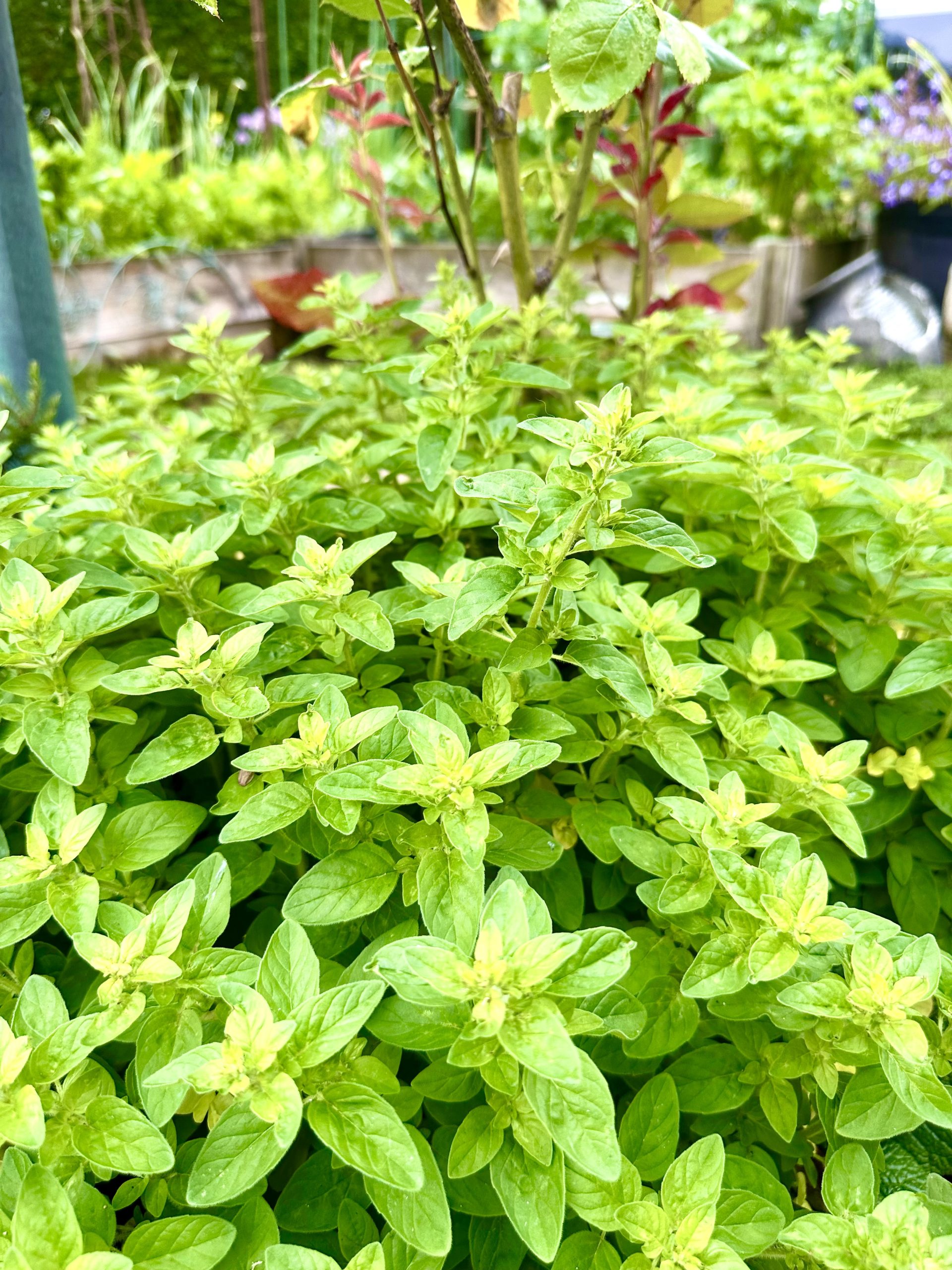
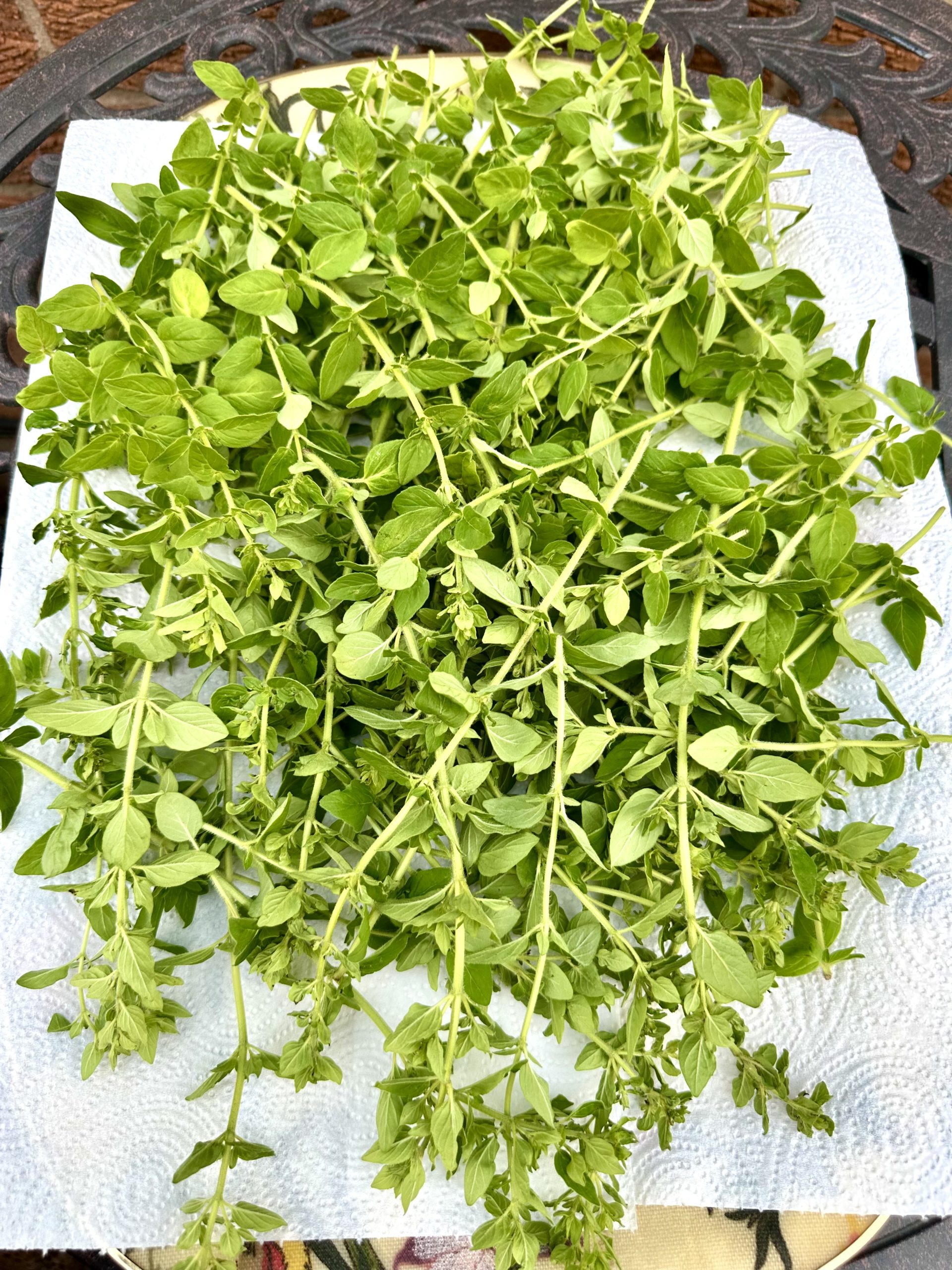
Today I harvested a handful of marjoram to dry for the store cupboard. Often overshadowed by its close relative oregano, marjoram is a tender, aromatic herb known for its sweet, slightly floral flavour. You can use marjoram fresh in salads, soups, roasted vegetables, pasta dishes or herbal teas. To preserve it for later use, dry the leaves in a warm, shaded spot and store them in an airtight jar.

Beyond its culinary uses, marjoram has been cherished for centuries for its medicinal properties.

According to herbal tradition and supported by modern research, marjoram offers several health benefits:

  • Anti-inflammatory and antioxidant properties, which may help combat oxidative stress.
  • Digestive support, easing bloating and promoting gut health.
  • Calming effects on the nervous system, making it a natural ally for stress, anxiety, and even insomnia.
  • Antimicrobial properties, supporting immune health.

Some herbalists even refer to marjoram as “the herb of happiness,” given its soothing effects on both body and mind.

One of the best things about growing herbs such as marjoram, oregano, thyme and rosemary, is how easy they are to grow. Whether you’re new to gardening or a seasoned green thumb, these are low-maintenance plants that thrive in most sunny environments.

Tending to Wellness, One Herb at a Time

Growing herbs is more than just cultivating a plant – it’s an invitation to slow down and connect with nature. The act of planting, nurturing, and harvesting your own herbs offers emotional and psychological benefits too. Gardening has been shown to reduce stress, improve mood, and provide a sense of purpose—making it a form of nature-based self-care.

So, if you’re looking for a simple, meaningful way to support your well-being, start with these magical, flavoursome, health-boosting herbs.

Growing Marjoram
Naturally drying herbs
Health

Nature Is Medicine


The Mental Health Benefits of Time Outdoors

In our hyperconnected world, many of us are spending more time in front of screens than under the sky. Most people go online daily, and a growing number of people are online most of the day. Yet as our lives grow more digital and urbanised, science is showing that the natural world may hold some of the most powerful tools for supporting our mental health.

Research increasingly affirms what many intuitively feel; spending time in nature is good for the mind. Whether you’re strolling through a park, hiking a trail, or sitting by the ocean, time in green and blue spaces is linked to lower stress, improved mood, sharper cognition, and greater overall emotional well-being.

The Cognitive and Emotional Power of Nature

Nature doesn’t just soothe our minds—it sharpens them. Studies show that exposure to green spaces improves attention, working memory, and cognitive flexibility. In contrast, urban environments can deplete our focus and increase stress. Even brief contact with natural elements—such as a 40-second glance at a green rooftop—can enhance performance on mentally fatiguing tasks.

The benefits go beyond brainpower. Being in nature has been associated with reduced symptoms of anxiety, depression, and even a lower lifetime risk of psychiatric disorders. Time outdoors can increase happiness, foster social connections, and give us a greater sense of meaning and purpose. Studies have shown that contact with nature is associated with an increase in happiness, subjective well-being, positive affect, positive social interactions, and a sense of meaning and purpose in life, as well as decreases in mental distress.

Connection Matters

Interestingly, it’s not just the amount of time spent in nature that matters—how connected we feel to nature also plays a big role. People with a strong sense of nature connectedness report higher levels of well-being, even when they’re not physically outdoors. This suggests that fostering an internal relationship with the natural world can be just as important as the external exposure.

Green and Blue Spaces for All

Both green spaces (parks, forests) and blue spaces (lakes, rivers, oceans) provide these mental health benefits, with some research suggesting that blue spaces may be even more restorative. While remote, biodiverse settings can amplify these effects, urban nature—trees, gardens, and local parks—also provide powerful boosts to mood and attention.

The Healing Power of Nature 

Spending time in nature doesn’t just help us feel better—it may help us be better. Exposure to nature has been linked to increased empathy, cooperation, and prosocial behaviour. In a world that often feels divided and disconnected, reconnecting with the natural world may be one of the most effective ways to restore not only individual well-being but also collective compassion and care.

So whenever you’re feeling overwhelmed, anxious, or burnt out, step outside – even if it’s just a walk around the block or a few minutes under a tree. Nature is more than a backdrop – it’s a balm, a teacher, and a powerful source of psychological healing.

Aim for at least two hours of recreational time in nature each week to gain the full mental health benefits, whether it’s all at once or spread throughout your days.

Let your next reset be under open skies.