Food

The Healing Garden:
 Fresh Herbs & Your Health

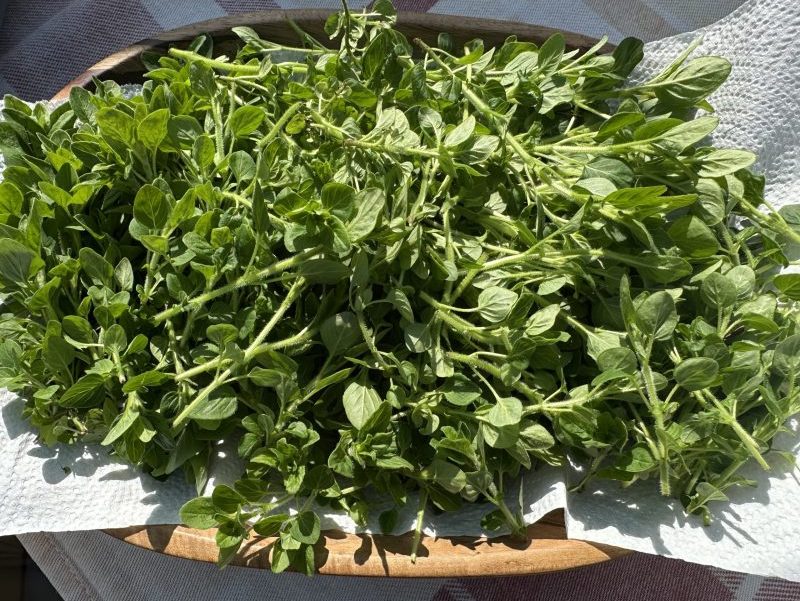
Drying origanum now ensures a good supply all year

Your garden holds one of nature’s finest medicine cabinets. Long before supplements lined pharmacy shelves, cooks and healers alike turned to the humble herb patch — and modern science is catching up with what they always knew.

More Than Just Flavour

A growing body of research reveals that the everyday herbs growing just outside your back door — parsley, rosemary, thyme, sage — deserve far more credit than they typically receive.

Herbs are, at their simplest, leafy greens. And like all leafy greens, they carry genuine nutritional value. Even used in small culinary quantities, they deliver a meaningful dose of antioxidant compounds — molecules that neutralise harmful free radicals in the body, protecting cells and DNA from oxidative stress and damage.

Scientists have identified hundreds of bioactive plant compounds in common culinary herbs. Many of these have been shown in studies to carry anti-inflammatory effects, and some show promise in protecting against serious conditions including certain cancers, heart disease and cognitive decline.

You can think of herbs as vegetables — in terms of their potential health benefits, they’re leafy greens loaded with nutrients, antioxidants and compounds that actively support your wellbeing.

Easy Herbs to Grow at Home

The good news is that the most health-supportive herbs are also among the easiest to grow. Whether you have a sprawling garden bed or a sunny kitchen windowsill, these six herbs are wonderfully forgiving and enormously rewarding.

Parsley: Rich in vitamins K, C, and A. Anti-inflammatory and supports bone health. Grows readily from seed in containers or beds.

Rosemary: Contains rosmarinic acid, linked to improved memory and reduced inflammation. A hardy perennial that thrives in full sun.

Thyme: A natural antimicrobial with compounds that may support respiratory health. Drought-tolerant and low-maintenance.

Sage: Traditionally used to support digestion and memory. Thrives in well-drained soil with minimal fuss.

Basil: Packed with anti-inflammatory flavonoids. A summer favourite that loves warmth and rewards frequent harvesting.

Chives: Members of the allium family, like garlic and onion, with compounds linked to heart and immune health. Grows prolifically.

Spring: When Fresh is Best

Spring is one of the most joyful times in the herb garden. Many perennial herbs — rosemary, thyme, chives, and sage — burst back to life after winter, offering their most tender and flavourful growth of the year. This fresh spring regrowth is also when concentration of beneficial plant compounds tends to be at its peak.

Incorporating fresh herbs into meals is one of the simplest and most pleasurable ways to boost your nutritional intake. Scatter a handful of freshly snipped parsley over roasted vegetables, tuck basil leaves into a salad, or muddle fresh mint into a glass of water. Even these small additions accumulate meaningful health benefits over time.

There’s also something deeply grounding about stepping into the garden in the morning, snipping a few sprigs still damp with dew, and folding them into your breakfast eggs or evening pasta. It’s a ritual that connects cooking to the living world — and your body notices the difference.

Drying Herbs for the Months Ahead

The abundance of summer and early autumn is the perfect time to preserve herbs for year-round cooking. Drying is the oldest and most straightforward method, requiring nothing more than a warm, well-ventilated space and a little patience.

HOW TO DRY HERBS AT HOME

  • Harvest in the morning, after dew has dried but before the heat of the day sets in.
  • Bundle stems loosely with twine and hang upside down in a dry, airy spot out of direct sunlight.
  • Most herbs dry fully within one to three weeks depending on moisture content.
  • Robust herbs like rosemary, thyme and sage retain excellent flavour when dried.
  • Store in airtight glass jars, away from heat and light, for up to a year.
  • Crumble dried herbs just before use to release their aromatic oils.

Dried herbs are more concentrated than fresh — generally a ratio of one teaspoon dried to one tablespoon fresh — meaning even a pinch carries genuine potency. A jar of home-dried rosemary or sage on your kitchen shelf is, in its quiet way, a little store of health waiting to be used.

Whether you reach for them fresh in Spring or crumble a dried sprig into a winter stew, herbs offer one of the most accessible, delicious, and time-honoured ways to nourish your body. The healing garden, it turns out, has always been closer than we thought.
Health

How Fruits & Vegetables Feed Your Gut

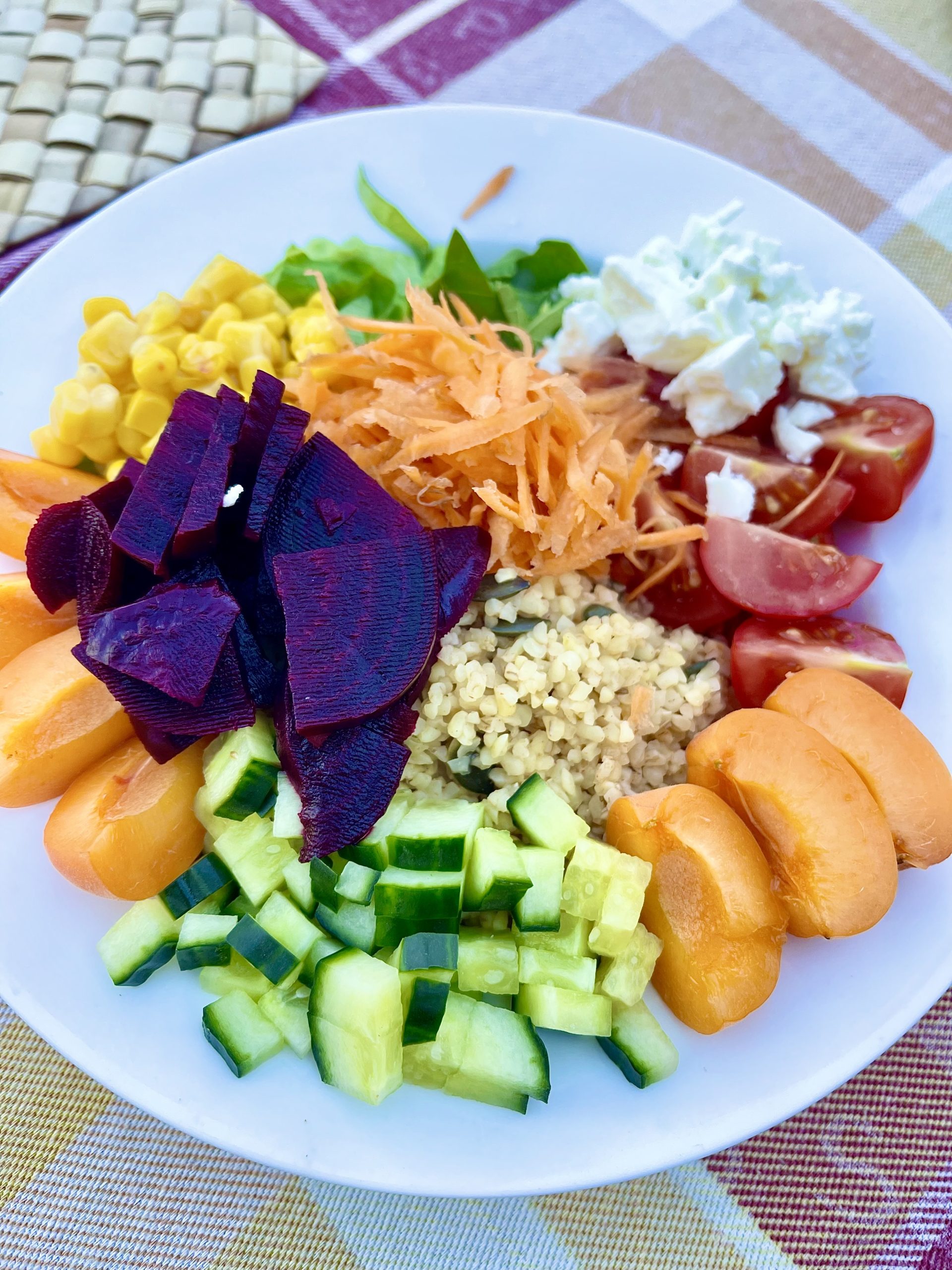
Think colour, eat the rainbow

We’ve all heard the advice: eat more fruits and vegetables. Now, exciting new research from suggests that when you do, you’re not just feeding yourself – you’re feeding your microbiome.

For the first time, researchers have confirmed that the natural bacteria found on fruits and vegetables can actually become part of the human gut. In other words, the microscopic life living on plants contributes directly to the diversity of bacteria living inside you. And that matters.

Your gut microbiome – the vast community of microorganisms in your digestive system – plays a powerful role in overall health. It has been linked to immunity, mood, metabolism, and even memory. The more diverse this inner ecosystem is, the more resilient and balanced it tends to be.

In this large study, scientists compared the bacteria from 156 different fruits and vegetables with thousands of human gut samples. They discovered that plant-associated bacteria contributed, on average, about 2% of overall gut bacterial diversity. That may sound small, yet in the complex world of the microbiome, diversity is everything.

One of the most beautiful ideas to emerge from this research is this: we are deeply connected to the natural world, not just metaphorically, but biologically. When we eat fresh produce, we are literally inviting nature inside.

It also highlights the importance of how our food is grown. Farming practices, soil health, and post-harvest treatments all influence the microbial life on plants, which may in turn influence our own inner ecosystem.

Even more fascinating Every fruit and vegetable has its own unique microbiome. This opens the door to the possibility of more personalised nutrition in the future — choosing specific plant foods to support individual health needs.

For now, the takeaway is simple and empowering:

  • Eat a wide variety of fruits and vegetables.
  • Choose fresh, whole produce whenever possible.
  • Aim for colour and diversity on your plate.

When you nourish your body with plants, you’re not just adding vitamins and fibre, you’re strengthening the living ecosystem within you. Nature doesn’t just surround us. It lives within us.

Food

Eating Well at Every Age

Why a Healthy Relationship with Food Matters More Than Perfection

Eating should be simple. It should keep us nourished, alive, well and bring some pleasure along the way. Yet for many of us, food becomes tangled up with guilt, rules, stress and worry. In a new book How to Eat Well at Every Age – Professor Jane Ogden offers a refreshing, psychology-led reminder: eating well isn’t about perfection. It’s about being good enough – for life.

Ogden’s book draws on nearly four decades of academic work alongside her passion for making psychology practical and accessible. Her central message is clear: developing a healthy relationship with food matters just as much as nutrition itself, from childhood right through to older age.

What Does “Eating Well” Really Mean?

At its core, healthy eating still involves the basics we know: plenty of fruit and vegetables, moderate protein, complex carbohydrates, and less fat, sugar and ultra-processed foods. But as Ogden emphasises, eating well is about far more than what’s on the plate

It’s also about when, where, why, and how we eat.

Planning meals in advance and eating at regular times helps reduce impulsive choices. Creating proper “eating spaces”, rather than eating in the car, at a desk, or on the go, helps us pay attention to food and actually remember eating it. Sitting down, minimising distractions and calling it “a meal” all support mindful eating.

One of the biggest challenges is emotional eating. While food can soothe in the short term, it often brings guilt and shame later. Ogden encourages finding non-food ways to regulate emotions, such as fresh air, music, conversation, while allowing food to do its real job: managing hunger.

Raising Children Who Trust Food – and Their Bodies

When it comes to children, Ogden argues that the relationship with food matters more than perfect nutrition. Children need guidance, but they also need food to feel safe and normal. She frames good food parenting around three pillars:

1. Be a role model

Children learn by watching. Eating together as a family, enjoying vegetables, stopping when full, being active and showing body confidence all send powerful messages without  lecturing.

2. Say the right things

Language shapes a child’s “food and body script” for life. Positive, neutral language about food support healthy approaches to food and bodies. Praising children for who they are, not how they look, matters deeply.

3. Manage the environment

Children can only eat what’s available. Stock the house with healthy food, keep fruit within reach, limit ultra-processed meals, turn off screens at mealtimes and persist with vegetables even when they’re rejected. Familiarity is often the key to acceptance.

Eating Well in Adulthood

For many adults, eating becomes synonymous with weight control. Diets, medications and surgeries promise solutions, yet often reinforce the idea that food is a problem. Ogden highlights that lasting change rarely comes from restriction alone. Instead, sustained healthy habits tend to emerge when people choose the right moment to change, believe change is possible and gradually build new routines into their identity. Whether the goal is eating more vegetables, cooking more meals, or reducing meat, success comes from embedding change into who you are, not from resisting food. This approach reduces rebound effects and allows eating well to feel natural.

Later Life: Eating Enough

As we age, the challenge often flips. Instead of overeating, many older adults struggle with undereating, weight loss and malnutrition. Appetite changes, routines shift and cooking can feel like too much effort. Ogden’s advice here is compassionate and practical: aim for good enough. Smaller, regular meals, social eating, supplements when needed and eating foods you enjoy all help maintain health. Food also becomes a vital connector, offering reasons to socialise, structure the day and maintain a sense of identity and pleasure.

Supporting Others to Eat Well as They Age

Caring for someone else often means caring through food. Making eating easy, sociable and enjoyable matters more than rules. Shopping, cooking, eating together and linking food to social activities can all help.
Ogden also highlights the importance of how we talk about bodies and weight. Praise should focus on health and vitality – “you look well,” “you’re looking stronger” – rather than weight gain, which can still trigger discomfort and stigma even in underweight individuals. In care settings, offering choice, encouraging social meals, providing snacks and using food to draw people into shared spaces can significantly improve wellbeing, confidence and mood.

A Lifelong Relationship Worth Protecting

The core message of How to Eat Well at Every Age is both simple and profound: Eating well is not just about nutrition—it’s about psychology, identity, relationships and kindness to ourselves and others. Feeding ourselves or those we care for imperfectly is human. But turning food into a problem is far more damaging. By aiming for “good enough,” we can nourish our bodies, protect our mental wellbeing and allow food to return to where it belongs – a supportive, enjoyable part of life.

How to Eat Well at Every Age by Professor Jane Ogden is published by Routledge in partnership with the British Psychological Society.

Food

January Food Wisdom

Nourishment, Comfort & Gentle Resets for Body and Mood

January often arrives carrying messages of reset, restrict, detox and start again. Yet winter itself tells a very different story. In nature, this is a season of rest, warmth, conservation and quiet strengthening.

True January wellness isn’t about extremes. It’s about nourishing comforts, seasonal wisdom, immune resilience and supporting both body and mood gently through the darkest weeks of the year. This is a month to eat in a way that feels steady, kind and sustaining.

Focus on Nourishment rather than Restriction in the Extreme

In winter, the body naturally craves warmth, regular meals and grounding foods. Extreme cleanses, fasting, or overly cold and raw diets can increase fatigue, cravings, low mood and immune vulnerability, especially after the busy holiday season.

Rather than asking “How can I undo December?”, January invites a gentler question: “How can I nourish myself back into balance?” A healthy reset in winter comes from adding nourishment, rather than taking it away.

The Healing Role of Comfort Foods

Comfort foods get an unfair reputation in January. Yet warmth, familiarity and satisfaction are not indulgences, they are regulating. Warming foods support digestion, circulation and nervous system safety, all of which are essential during cold, dark months.

Think:

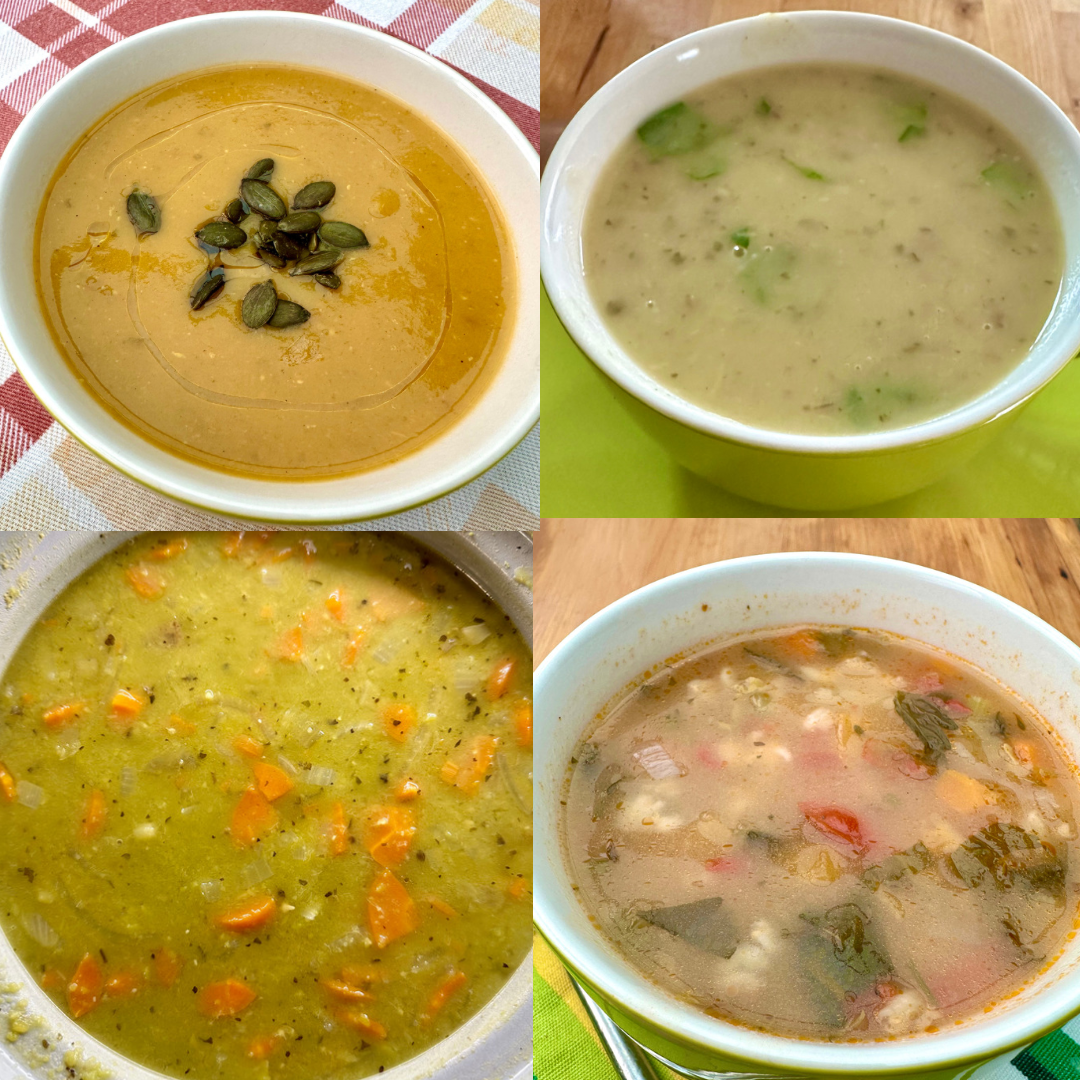
  • soups, stews, and broths
  • slow-cooked meals
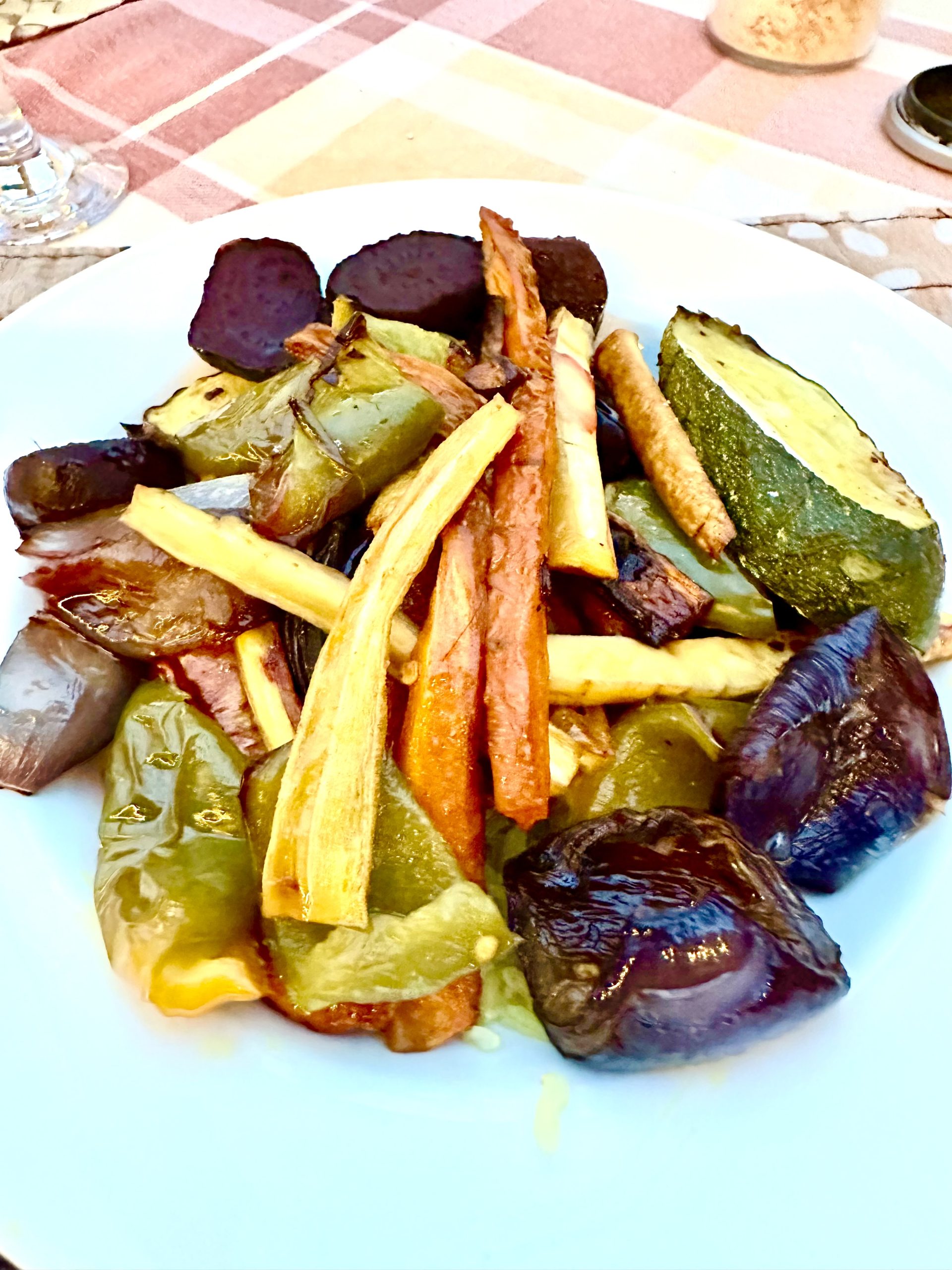
  • roasted vegetables
  • porridges, oats and warming breakfasts
  • spices like ginger, cinnamon, turmeric, cayenne and cloves.

These foods help the body feel grounded and supported, creating the conditions for sustainable health rather than willpower-driven eating.

Winter Produce as Natural Medicine

Seasonal winter foods are uniquely suited to January’s needs: rich in minerals, fibre and immune-supportive compounds.

Winter Staples to Embrace include:

  • Root vegetables: carrots, parsnips, beets, turnips, sweet potatoes
  • Squashes: butternut, pumpkin, acorn
  • Alliums: garlic, onions, leeks (natural immune allies)
  • Dark leafy greens: kale, chard, cabbage
  • Citrus fruits: oranges, lemons, grapefruits for brightness and vitamin C
  • Fermented foods: sauerkraut, kimchi, miso to support gut health.

Eating with the season is one of the simplest ways to support energy, digestion and immunity without rigid rules.

Mood Foods for Emotional Wellbeing

The January blues are often a biological and environmental response to reduced daylight, colder weather and post-holiday depletion. Food can gently support mood by stabilising blood sugar and nourishing the brain and nervous system.

Helpful mood-supportive foods include:

  • Complex carbohydrates (root vegetables, oats, squash) to support serotonin
  • Healthy fats (olive oil, nuts, seeds, avocado) for brain health
  • Omega 3 and vitamin D-rich foods like oily fish, eggs and fortified products for immune resilience, energy and uplifted mood.
  • Protein and fibre that keep you feeling full and satisfied, preventing energy crashes and unhealthy snacking. Sources include lean meats, fish, eggs, beans, lentils and nuts.
  • Magnesium-rich foods (leafy greens, beans, cacao) to support calm and ease tension.

Warm, satisfying meals also send a powerful signal of safety and care to the body, essential for emotional well-being.

A Gentle January Reset That Actually Lasts

Rather than a punishing, rigid regime, a healthy January reset may look like:

  • eating regular, balanced meals
  • cooking more warming foods at home
  • adding nourishment before removing anything
  • reducing ultra-processed foods
  • listening to hunger, fullness and energy cues.

These small, steady shifts support metabolism, immunity and mood without triggering the cycle of restriction and rebound.

January Nourishment Is an Act of Self-Respect

Food wisdom in January is about care rather than control. When we choose foods that warm the body, stabilise mood, strengthen immunity and comfort the nervous system, we lay the foundation for health that unfolds naturally over the year ahead.

Food

Recovering the Lost Art of Home Cooking

Rekindling Nourishment This Christmas

In a world that moves fast, scrolls screens and delivers meals to our door in minutes, home cooking has quietly become a lost art. We still enjoy our food, we’ve just become disconnected from the slow, sensory magic of preparing it.

This Christmas, let us return to the kitchen – not with pressure, perfectionism, but with simplicity, presence and nourishment. Home-cooked meals don’t need to be elaborate to be healing. And that fruits and vegetables – nature’s most vibrant medicines – are powerful allies in grounding, nourishing and reconnecting us to true wellbeing. This season is the perfect time to rekindle a gentle, joyful relationship with cooking.

Why Home Cooking Matters for Wellness

Home cooking is about wellness, ritual and connection. When you cook, you naturally:

  • slow down
  • tune into your senses
  • return to the present moment
  • reconnect with your body’s needs
  • nourish yourself and others on a deeper level.

Cooking becomes an act of grounding, a way to settle the nervous system and create warmth in both the home and the heart. In winter especially, when your body craves comfort and your mind needs ease, simple homemade meals can support immunity, improve digestion and lift your mood.

A Return to Simplicity in the Kitchen

The biggest misconception about home cooking is that it has to be time-consuming or complicated. The truth is: simple food is healing food.

This Christmas, embrace minimalism in the kitchen:

  • a handful of fresh vegetables roasted with olive oil
  • a warm fruit compote simmered with cinnamon
  • hearty soups that take 10 minutes of chopping and do the rest on their own
  • colorful salads layered with citrus, pomegranates, nuts, or herbs.

These dishes don’t require advanced skills – just a willingness to be intentional. Simplicity also invites creativity. Start with what’s fresh, seasonal and available.

Let Fruits and Vegetables Be the Stars

Fruits and vegetables are nature’s wellness gifts. They hold the very nourishment that helps us stay energised, balanced and resilient. Bring them back to the centre of your Christmas meals:

1. Winter Fruits for Comfort and Vitamin Boosts

Citrus, apples, pears, pomegranates, cranberries – these fruits help support immunity, offer antioxidants and bring colour to festive plates.

Enjoy:

  • sliced oranges drizzled with honey and cinnamon
  • warm baked apples stuffed with nuts and dried berries
  • a festive fruit platter with mint and dark chocolate shavings.

2. Seasonal Vegetables for Warmth and Grounding

Root vegetables, squash, leafy greens and cruciferous veggies provide steady energy, fibre and deep nourishment.

Enjoy:

  • roasted carrots and parsnips
  • creamy butternut squash soup
  • sautéed Brussels sprouts with lemon and garlic
  • kale salad with cranberry vinaigrette.

When fruits and vegetables become the foundation of your meals, everything feels brighter, healthier and more vibrant, enhancing joy and comfort.

Bringing the Heart Back Into the Kitchen

Rekindling the art of home cooking is about the relationship you form with the food and cooking.

This Christmas, enjoy:

  • Cooking as Ceremony

Light a candle. Play soft music. Let this be a moment to unwind, not another task on your list.

  • Savouring the Senses

Feel the textures. Smell the spices. Listen to the sizzle. Let cooking anchor you in your body.

  • Sharing the Experience

Invite a loved one to prepare food with you. Make a simple recipe with a child. Prepare a nourishing dish for someone who needs care.

  • Taking Pressure Off

This isn’t about perfection. It’s about nourishment. Use what you have. Keep it simple (the best tasting food is always the easiest to make).

The Gift of Nourishment

When you cook at home this Christmas, you’re offering yourself far more than a meal. You’re giving your body nutrients, your mind stillness and your spirit connection. You’re creating warmth from the inside out. You’re forming rituals that strengthen your wellbeing long after the holidays end.

This season, let the kitchen become a place of healing again. Let fruits and vegetables bring colour, vitality and balance to your table. And let simplicity guide you into a renewed, heartfelt relationship with nourishment. Because the most meaningful gifts are often the ones we create with our own hands.

Food

Vitamin D and the Darker Months

How to Stay Healthy Through Autumn and Winter

As the days grow shorter and the sun dips lower, many of us feel a subtle shift in energy levels, mood, maybe even health. One quiet reason could be a drop in vitamin D, often called the “sunshine vitamin.” Essential for bone health, immunity and mood regulation, vitamin D becomes harder to get naturally once autumn arrives.

Why Vitamin D Levels Drop

Our skin produces vitamin D when exposed to sunlight, specifically UVB rays. But from October to March in northern regions like the UK, sunlight is too weak for our skin to make much at all. We also spend more time indoors and cover up against the cold. Because dietary sources are limited, most people experience a seasonal decline.

Research found that nearly half of the global population has insufficient vitamin D levels, with the risk much higher during winter. Severe deficiency is linked to bone weakness, immune dysfunction and increased risk of illness.

Symptoms to Watch For

Low vitamin D can be subtle at first. Common signs include:

  • Fatigue and low mood, sometimes mistaken for winter blues.
  • Muscle weakness or aches, especially in the back or legs.
  • Frequent colds or slower recovery from illness.
  • Bone pain or fragility, particularly in older adults.

If you’re unsure of your Vitamin D levels, a blood test can reveal your results.

How to Replenish Vitamin D

1. Get outside when you can. Even in cooler months, spending time outdoors supports general health and mood. Exposure to natural light aids energy levels and sleep.

2. Eat vitamin D-rich foods. Include oily fish (salmon, mackerel, sardines, trout) and eggs. UV-exposed mushrooms can also provide a plant-based boost.

3. Consider a supplement. The UK’s NHS recommends adults take 10 micrograms (400 IU) daily from October to March. Those with darker skin, limited sun exposure or health conditions affecting absorption may need higher doses, ideally guided by a healthcare professional.

4. Support absorption naturally. Ensure you’re getting enough magnesium and vitamin K2, both of which help your body use vitamin D effectively. Regular movement and weight-bearing exercise also support bone and muscle health.

A Seasonal Wellness Habit

Think of vitamin D care as part of your autumn and winter rhythm — a gentle self-care ritual for your immune system, bones and mood. By stepping outdoors, eating well and supplementing wisely, you’ll carry your energy and resilience through the darker months and into spring with strength and balance.