

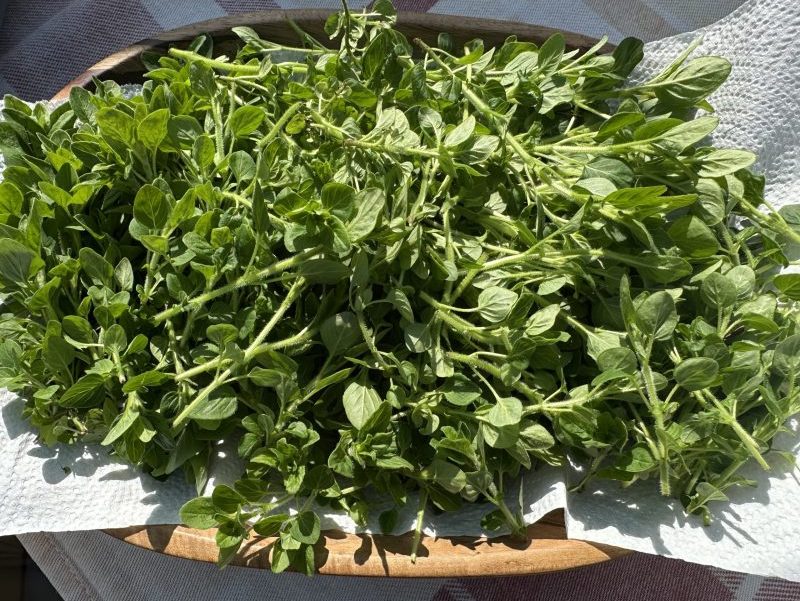
Your garden holds one of nature’s finest medicine cabinets. Long before supplements lined pharmacy shelves, cooks and healers alike turned to the humble herb patch — and modern science is catching up with what they always knew.
More Than Just Flavour
A growing body of research reveals that the everyday herbs growing just outside your back door — parsley, rosemary, thyme, sage — deserve far more credit than they typically receive.
Herbs are, at their simplest, leafy greens. And like all leafy greens, they carry genuine nutritional value. Even used in small culinary quantities, they deliver a meaningful dose of antioxidant compounds — molecules that neutralise harmful free radicals in the body, protecting cells and DNA from oxidative stress and damage.
Scientists have identified hundreds of bioactive plant compounds in common culinary herbs. Many of these have been shown in studies to carry anti-inflammatory effects, and some show promise in protecting against serious conditions including certain cancers, heart disease and cognitive decline.
You can think of herbs as vegetables — in terms of their potential health benefits, they’re leafy greens loaded with nutrients, antioxidants and compounds that actively support your wellbeing.
Easy Herbs to Grow at Home
The good news is that the most health-supportive herbs are also among the easiest to grow. Whether you have a sprawling garden bed or a sunny kitchen windowsill, these six herbs are wonderfully forgiving and enormously rewarding.
Parsley: Rich in vitamins K, C, and A. Anti-inflammatory and supports bone health. Grows readily from seed in containers or beds.
Rosemary: Contains rosmarinic acid, linked to improved memory and reduced inflammation. A hardy perennial that thrives in full sun.
Thyme: A natural antimicrobial with compounds that may support respiratory health. Drought-tolerant and low-maintenance.
Sage: Traditionally used to support digestion and memory. Thrives in well-drained soil with minimal fuss.
Basil: Packed with anti-inflammatory flavonoids. A summer favourite that loves warmth and rewards frequent harvesting.
Chives: Members of the allium family, like garlic and onion, with compounds linked to heart and immune health. Grows prolifically.
Spring: When Fresh is Best
Spring is one of the most joyful times in the herb garden. Many perennial herbs — rosemary, thyme, chives, and sage — burst back to life after winter, offering their most tender and flavourful growth of the year. This fresh spring regrowth is also when concentration of beneficial plant compounds tends to be at its peak.
Incorporating fresh herbs into meals is one of the simplest and most pleasurable ways to boost your nutritional intake. Scatter a handful of freshly snipped parsley over roasted vegetables, tuck basil leaves into a salad, or muddle fresh mint into a glass of water. Even these small additions accumulate meaningful health benefits over time.
There’s also something deeply grounding about stepping into the garden in the morning, snipping a few sprigs still damp with dew, and folding them into your breakfast eggs or evening pasta. It’s a ritual that connects cooking to the living world — and your body notices the difference.
Drying Herbs for the Months Ahead
The abundance of summer and early autumn is the perfect time to preserve herbs for year-round cooking. Drying is the oldest and most straightforward method, requiring nothing more than a warm, well-ventilated space and a little patience.
HOW TO DRY HERBS AT HOME
- Harvest in the morning, after dew has dried but before the heat of the day sets in.
- Bundle stems loosely with twine and hang upside down in a dry, airy spot out of direct sunlight.
- Most herbs dry fully within one to three weeks depending on moisture content.
- Robust herbs like rosemary, thyme and sage retain excellent flavour when dried.
- Store in airtight glass jars, away from heat and light, for up to a year.
- Crumble dried herbs just before use to release their aromatic oils.
Dried herbs are more concentrated than fresh — generally a ratio of one teaspoon dried to one tablespoon fresh — meaning even a pinch carries genuine potency. A jar of home-dried rosemary or sage on your kitchen shelf is, in its quiet way, a little store of health waiting to be used.
Whether you reach for them fresh in Spring or crumble a dried sprig into a winter stew, herbs offer one of the most accessible, delicious, and time-honoured ways to nourish your body. The healing garden, it turns out, has always been closer than we thought.