
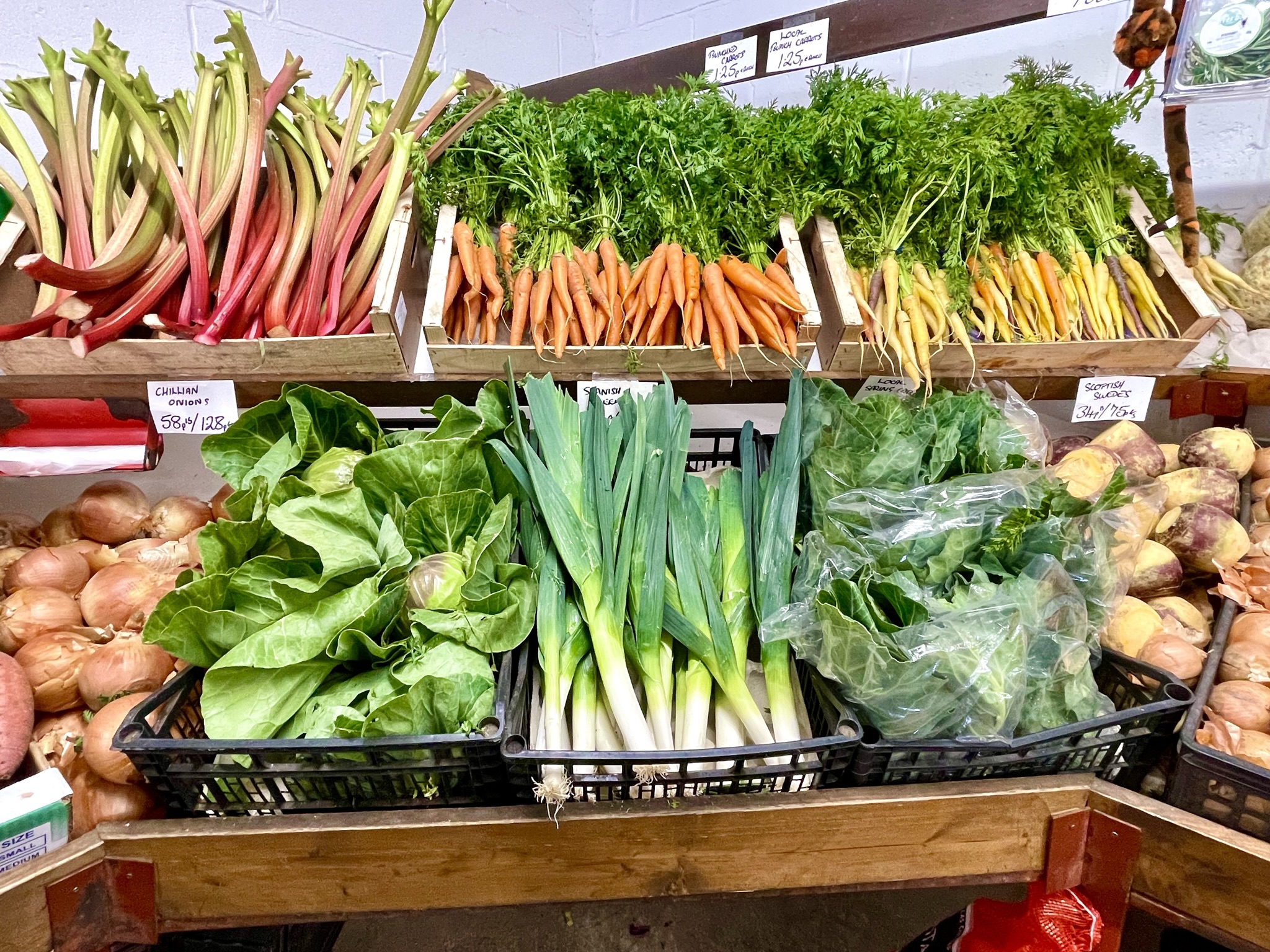
A third of people recently surveyed by Jackson-Stops said they would like to buy direct from farmers, a similar percentage wanted to eat seasonally and 39 per cent said they would like to eat only UK-grown produce. Another 40 per cent wanted to buy more items second-hand, 29 per cent hankered after an allotment or vegetable patch, and 23 per cent of those surveyed would prefer to have their milk delivered.
A Return to Simplicity and Sustainability
In an age characterised by rapid urbanisation and technological advancements, a fascinating trend is emerging – a trend that’s bringing people closer to nature and a simpler way of life. The desire to reconnect with the natural world and embrace a more sustainable lifestyle has gained significant traction in recent years.
A Desire for Direct Supply Chain
One striking revelation from the survey is the growing interest in buying directly from farmers. This not only signifies a shift towards supporting local economies but also represents a longing for a more authentic connection with the food we consume. People are recognising the value of knowing where their food comes from and the story behind it.
Seasonal Eating and UK-Grown Produce
Eating seasonally and consuming UK-grown produce are closely tied to the desire for sustainability. Seasonal eating not only results in fresher and more flavoursome meals but also reduces the environmental footprint associated with out-of-season produce that’s often transported across long distances. The preference for UK-grown produce aligns with the growing awareness of food miles and the importance of supporting local agriculture to bolster self-reliance.
The Second-Hand Renaissance
In an era of fast fashion and disposable consumerism, the inclination to buy more second-hand items (“Thrifting”) is a remarkable shift. This movement recognises the significance of reducing waste, conserving resources, and giving a new lease of life to pre-loved items. It’s a step towards a circular economy where products are used for longer periods, minimising the need for constant production and consumption.
Reclaiming the Green Spaces
The longing for an allotment or a vegetable patch indicates a strong desire to reconnect with the land and cultivate a hands-on relationship with the earth. As urban areas expand, green spaces often dwindle, and the craving for personal gardens showcases a yearning to grow one’s own food, fostering self-sufficiency and a deeper appreciation for the natural world.
The Return of Nostalgia: Milk Delivery
The preference for having milk delivered harkens back to a bygone era when doorstep deliveries were the norm. This trend symbolises a return to a simpler time, where relationships with local suppliers were more personal and community-centric. It also reflects a willingness to reduce plastic waste associated with store-bought milk containers. The Modern Milkman delivers milk and bread, orange juice and locally made oat milk.
The Predicted Path Back to Nature
This trend back to nature was predicted by visionaries who foresaw the eventual consequences of an overly industrialised and disconnected lifestyle. The pace of modern life often leaves us yearning for more meaningful experiences and a stronger connection to our surroundings. A substantial portion of society is embracing the call to return to simplicity, sustainability, and a more harmonious coexistence with nature.
The resurgence of interest in sustainable practices, direct connections with producers, and the yearning for a simpler life demonstrates a heartening shift in societal values. The “trend back to nature” is not just a fleeting fad but a conscious choice to create a future that aligns with the rhythms of the Earth. As more individuals embrace this movement, it has the potential to reshape our communities, economies, and the way we perceive the world around us.