
We often hear the phrase, “Listen to your gut.” As it turns out, this age-old saying holds more truth than we might have imagined. Emerging research has shed light on the fascinating link between happiness, gut health, and mental well-being. Our gut, often referred to as our “second brain,” plays a pivotal role in influencing not only our physical health but also our emotional state. So, how can you maximise the significance of gut health in promoting happiness and delve into the importance of fibre-rich foods that nurture both our gut and mind.
The Gut-Mental Health Connection
The gut-brain axis is a bidirectional communication network between the gut and the brain. It enables the transmission of chemical signals, hormones, and neurotransmitters, which significantly impact our mood, emotions, and overall mental health. The gut contains trillions of bacteria collectively known as the gut microbiota, which play a vital role in maintaining the balance between physical and mental well-being.
- Serotonin Production: Serotonin, often referred to as the “happiness hormone,” is predominantly produced in the gut. This neurotransmitter regulates mood, sleep, and appetite. A healthy gut microbiota can boost serotonin production, positively influencing our mood and reducing the risk of depression and anxiety.
- Inflammation and Immune Response: An imbalanced gut microbiome can lead to chronic inflammation, which has been associated with mood disorders and cognitive decline. By promoting a healthy gut, we can reduce inflammation and enhance our body’s immune response, indirectly improving mental health.
The Role of Fibre
One of the key factors in maintaining a healthy gut is a diet rich in fibre. Fibre is a type of carbohydrate that the human body cannot digest entirely. Instead, it passes through the digestive system, providing numerous benefits to our gut health.
- Gut Microbiota Nourishment: Fibre acts as a prebiotic, providing essential nourishment to beneficial gut bacteria. These bacteria ferment fibre to produce short-chain fatty acids (SCFAs), such as butyrate, propionate, and acetate, which promote gut health and reduce inflammation.
- Regulating Bowel Movements: Fibre adds bulk to stool and helps regulate bowel movements, preventing issues such as constipation or diarrhea, which can negatively impact our mood and well-being.
Fibre-Rich Foods for a Happy Gut
Now that we understand the importance of fibre, let’s explore some delicious and nutritious foods that are high in this gut-friendly nutrient:
- Whole Grains: Incorporate whole grains like oats, quinoa, brown rice, and whole wheat into your diet to increase fiber intake.
- Fruits: Opt for fruits like apples, pears, berries, and bananas, which provide a good amount of soluble and insoluble fiber.
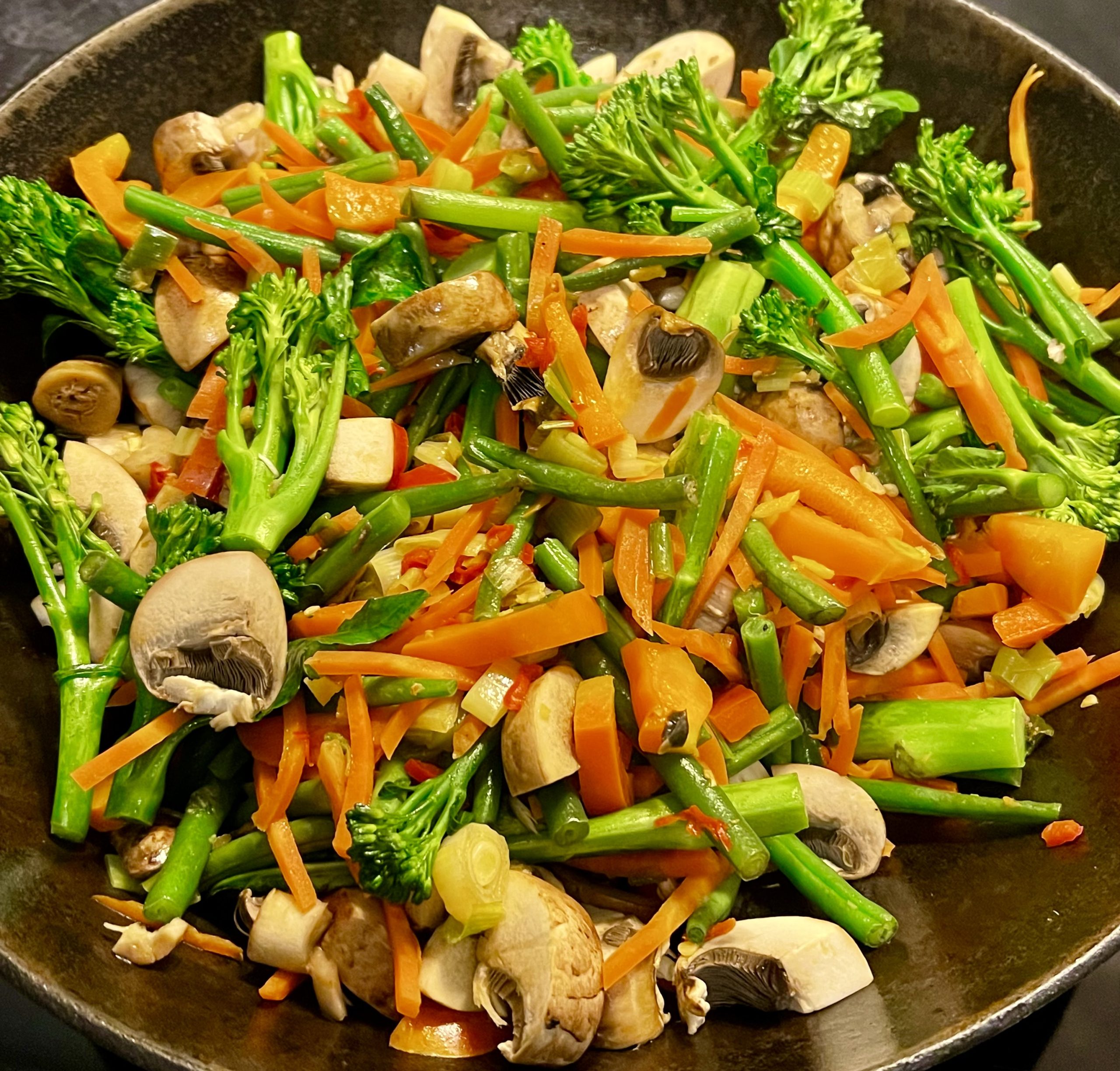
- Vegetables: Include a variety of vegetables such as broccoli, carrots, Brussels sprouts, and sweet potatoes, as they are excellent sources of fiber.
- Legumes: Lentils, chickpeas, black beans, and other legumes are rich in fiber and make for hearty and satisfying meals.
Caring for our gut health goes beyond just improving our digestion; it directly impacts our mental well-being and happiness. By nourishing our gut with fiber-rich foods and promoting a diverse and healthy gut microbiome, we can enhance our mood, reduce the risk of mental health issues, and enjoy a more balanced and fulfilling life. The road to happiness begins with a happy gut.