Food

Addressing Anxiety and Depression with Mindfulness


The Joy of Cooking and Eating Mindfully

In today’s fast-paced world, many people struggle with anxiety and depression. One effective strategy for managing these conditions is through mindfulness, particularly when it comes to cooking and eating. Mindfulness, the practice of being fully present in the moment, has been shown to improve mental health. Here’s how integrating mindfulness into your culinary habits can enhance your well-being.

Mindful Cooking

Cooking your own meals can be a deeply mindful activity. It’s not just about preparing food; it’s about engaging all your senses. When you cook, take a moment to notice the sizzle of oil in the pan, the aroma of herbs and spices, the vibrant colours of fresh vegetables, and the tactile sensation of chopping greens. This sensory awareness anchors you in the present moment, helping to reduce stress and promote relaxation.

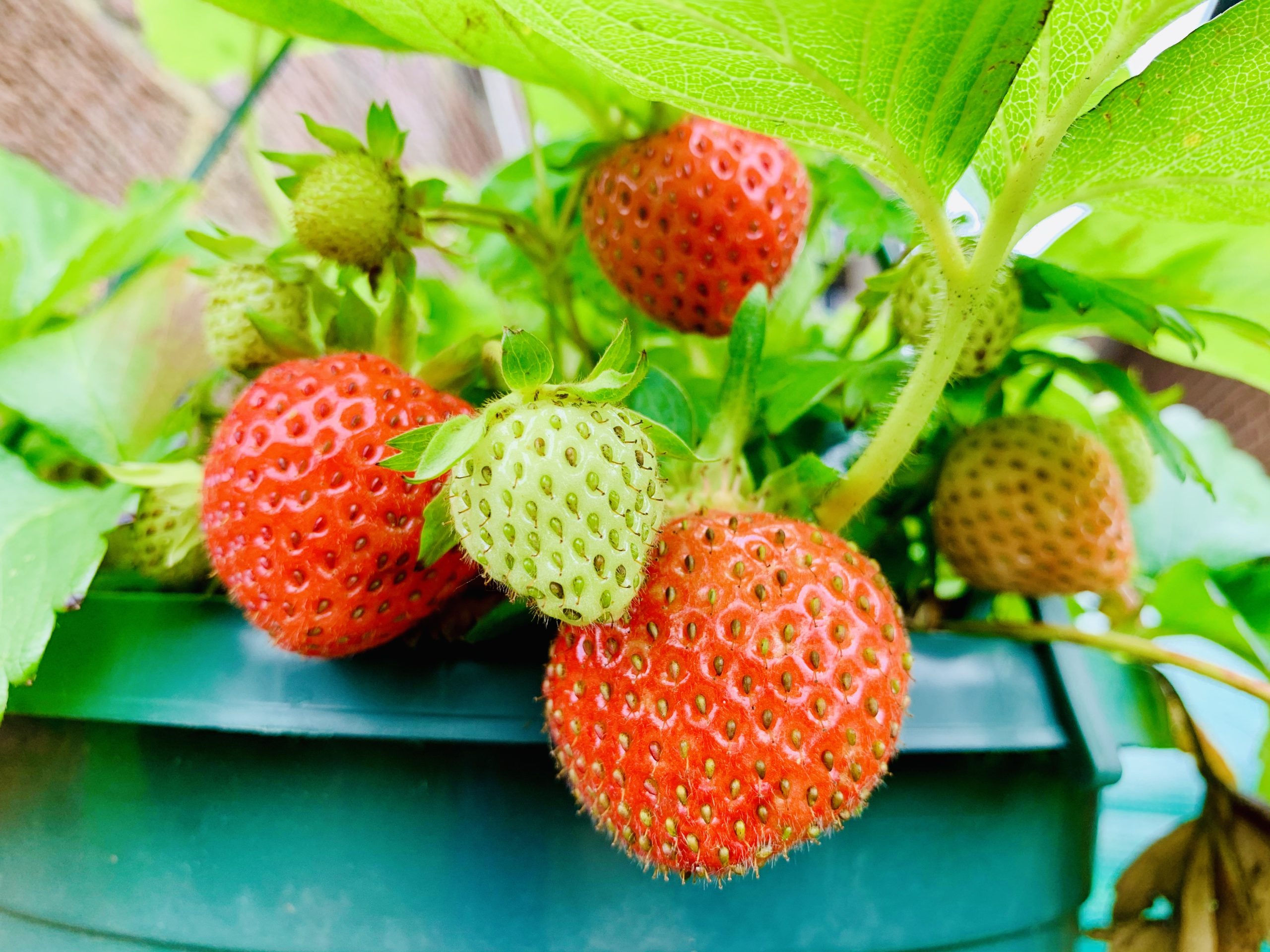
Nutritional expert, Dr Ramsey, suggests that by choosing whole foods over highly processed ones, you not only improve your nutrition but also encourage mindfulness. For example, instead of indulging in ice cream, try a bowl of full-fat yogurt with berries, pistachios, honey, and dark chocolate shavings. This simple swap not only enhances your nutrient intake but also requires you to be more intentional about what you’re eating.

The Mindful Eating Experience

Mindful eating involves paying full attention to the experience of eating and drinking, both inside and outside the body. When you eat mindfully, you savour each bite, appreciating the textures and flavours of your food. This practice helps you develop a greater appreciation for your meals and can instill a sense of gratitude for your food and body.

Lynn Rossy, health psychologist and author of The Mindfulness-Based Eating Solution, highlights that mindful eating encourages you to listen to your hunger and fullness cues. By being aware of these signals, you can better understand your emotional relationship with food. For instance, if you reach for sweets when stressed, mindfulness can help you recognize this pattern and explore healthier ways to cope with your emotions, such as talking to a loved one or engaging in self-care activities.

Connecting with Food and Community

Engaging with food beyond the kitchen can also enhance mindfulness and mental health. Buying fresh, in-season produce, visiting local farmers markets, foraging or growing your own food can create a deeper connection to what you eat. These activities provide a sense of purpose and joy, reinforcing the mindfulness practice.

Connecting with the local food sources can foster a sense of community and contentment. This connection with nature and place not only enriches your diet but also promotes mental well-being by instilling a sense of belonging and satisfaction.

Personalising Your Mindful Eating

It’s important to remember that your individual experience with food is unique. While certain foods may be linked to improved mood, personal preferences and cultural connections play a significant role. For example, the comfort derived from your grandmother’s macaroni and cheese or your mother’s chicken noodle soup is unique to you and can have a profound emotional impact.

Nutritionist, Kara Lydon, author of the e-book “Nourish Your Namaste”, says foods like poultry, eggs, dairy, whole grains, legumes, nuts, seeds and leafy greens are particularly rich in B vitamins which help the brain make mood-regulating neurotransmitters. Such foods also contain tryptophan, the precursor to serotonin, the happy hormone. Lydon emphasises that each person has a different set of foods that evoke positive emotional responses based on factors like tradition and memory. These personal connections can be just as important as nutritional value in boosting your mood and overall well-being. Empower yourself more with knowledge and wisdom on how to use your food to boost your mood.

Incorporating mindfulness into your cooking and eating routines can be a powerful tool for self-care and mental health. By being present and intentional with your food choices, you can improve your mental health, deepen your connection to your meals, and find joy in the everyday act of eating. Whether it’s through cooking a meal from scratch or savouring a simple, wholesome snack, mindfulness offers a path to greater emotional awareness and well-being.


Nature

Blue Prescribing

The Healing Power of Water

In a world increasingly dominated by urban landscapes, the disconnection from nature has been linked to a rise in mental health issues. Emerging research underscores the profound impact natural environments have on human health, both mental and physical. Among these natural environments, “blue spaces”—areas featuring bodies of water like lakes, rivers, and oceans—are garnering attention for their unique and potent health benefits.

The Science Behind Blue Spaces

Natural settings are known to trigger immediate positive changes in our bodies. Viewing natural scenery can lower salivary cortisol, improve blood flow, reduce blood pressure, and alter brain activity in beneficial ways. Moreover, exposure to environmental microbes can strengthen our immune systems. While green spaces such as parks and forests have long been celebrated for these effects, blue spaces might offer even greater benefits.

Psychological and Physiological Benefits

Kate Campbell, a health psychology researcher, highlights how blue spaces provide a sensory escape from daily stresses. The soothing sounds of crashing waves, the smell of salty air, and the tactile sensation of sand underfoot can induce a state of relaxation and mental respite. This connection to water is deeply ingrained, harking back to evolutionary times when proximity to water signified food, safety, and comfort.

The concept of “blue health” was bolstered by a University of Sussex study that found people reported the highest levels of happiness when in blue spaces. Subsequent research from Glasgow Caledonian University (GCU) demonstrated that time spent in blue spaces reduces stress, anxiety, obesity, cardiovascular disease, and the risk of premature death. The findings also linked these environments to improved body mass index (BMI) and overall health.

The Therapeutic Potential of Blue Prescribing

In response to these findings, healthcare practitioners are beginning to explore “blue prescribing.” This innovative approach involves directing patients to spend time in blue spaces as part of their treatment plans. For example, the Wildfowl and Wetlands Trust (WWT) runs a Blue Prescribing scheme, offering guided walks and sensory activities in wetland areas. Participants, including those with chronic conditions or mental health issues, have reported significant improvements in their well-being.

Participants found that regular visits to blue spaces dramatically improved mental health issues such as depression and anxiety, underscoring the potential of blue spaces to provide therapeutic benefits that traditional treatments might not achieve.

Broader Implications and Future Research

The benefits of blue spaces extend beyond individual health. Enhancing and preserving these environments can also address broader societal issues such as urban liveability, climate resilience, and biodiversity. Ongoing research, including a feasibility study by the University of Exeter, aims to further validate blue spaces as a clinical treatment, potentially transforming healthcare approaches. By fostering greater access to blue spaces, we can enhance public health, enrich our communities, and reconnect with the soothing, healing power of water.

Food

The Link Between Mental Health and Gut-health

How Diet Impacts Anxiety


In our pursuit of mental well-being, we often look to therapies, medications, and lifestyle changes. What about the food on our plates? Can what we eat truly influence our mental health, particularly conditions like anxiety? The answer, according to research and specialist nutritionists is a resounding YES.

Understanding the Brain-Gut Connection

The link between the gut and the brain is well-documented, and recent studies suggest that what we eat can significantly impact our mental health. Our diet influences the brain in three main ways: the production of neurotransmitters, gut health, and inflammation.

Production of Neurotransmitters

Neurotransmitters like serotonin and dopamine play a crucial role in regulating mood and emotions. Certain nutrients found in our diet, such as B vitamins and omega-3 fatty acids, are essential for the production of these neurotransmitters. Foods high in tryptophan, like eggs, nuts, seeds, whole grains and legumes, can boost serotonin levels, contributing to a brighter mood and emotional balance.

Gut Health

The gut-brain axis, a two-way connection between the brain and the micro-organisms in the gut, is influenced by what we eat. An imbalance in the gut microbiome, known as dysbiosis, can disrupt neurotransmitter production and lead to mental health disorders like anxiety and depression. Inflammation in the gut caused by a poor diet high in ultra-processed foods and sugar has been linked to mental health issues.

Inflammation

Chronic inflammation, triggered by poor dietary choices, is associated with various health problems, including mental health conditions. Consuming anti-inflammatory foods like berries, fruit and vegetables, can help reduce inflammation in the body and improve mental health.

Impact of Diet on Anxiety

While no single diet can cure anxiety, certain dietary patterns can exacerbate or alleviate its symptoms. Ultra-processed foods high in sugar can cause spikes and crashes in blood sugar levels, leading to irritability and anxiety. Eating at regular intervals throughout the day and consuming foods high in protein, good fats, and fibre can help stabilise blood sugar levels and prevent mood swings.

Eating Mindfully

How we eat is as important as what we eat. Eating in a rushed, stressed manner can lead to digestive issues and exacerbate anxiety symptoms. Practicing mindful eating techniques, such as chewing food thoroughly and savouring each bite, can reduce stress levels and promote relaxation.

Foods that Support Mental Health

  1. Magnesium-Rich Foods: Spinach, pumpkin seeds, avocados, and bananas are rich in magnesium, which helps to regulate cortisol levels and blood pressure, crucial for managing anxiety.
  2. Complex Carbohydrates: Whole grains, fibre-rich fruits, and vegetables release sugar into the blood slowly, preventing spikes and lows in blood sugar levels and stabilising mood.
  3. Gut-Friendly Foods: Probiotics found in fermented foods like sauerkraut and kefir, and prebiotics found in vegetables and whole grains, support gut health and have been linked to improved mood and reduced anxiety.
  4. Other Beneficial Foods: Nuts, berries, and foods rich in omega-3 fatty acids support neurotransmitter function and help manage anxiety symptoms.

A healthy diet can be a powerful tool as part of a holistic approach to mental health. By nourishing our bodies with the right foods, we can support our mental health and overall well-being.

Nature

It’s May, the Veil is Thin, Let’s Connect with the Spirits of Nature 

Nature’s Signs, Symbols, and Synchronicity


In the busy-ness of modern life, finding moments of peace and serenity can be a challenge. Yet, nature offers us a sanctuary of stillness and reflection, inviting us to immerse ourselves in its beauty and wisdom. When we mindfully engage, we can learn to observe and interpret the signs, symbols, and metaphors that nature presents, guiding us towards a deeper understanding of ourselves and the world around us.

The Language of Nature

Nature communicates with us in a language of its own, speaking through the rustle of leaves, the dance of sunlight, and the whispers of the wind. Each element of the natural world carries its own symbolism and significance, offering insights into our innermost thoughts and emotions.

The Sacred Circle of Life

One of nature’s most powerful symbols is the circle, representing the cycle of life, death, and rebirth. From the rising and setting of the sun to the changing seasons, the circle reminds us of the eternal rhythm of existence. By observing the cyclical patterns in nature, we can learn to embrace the ebb and flow of life with grace and acceptance.

The Wisdom of Trees

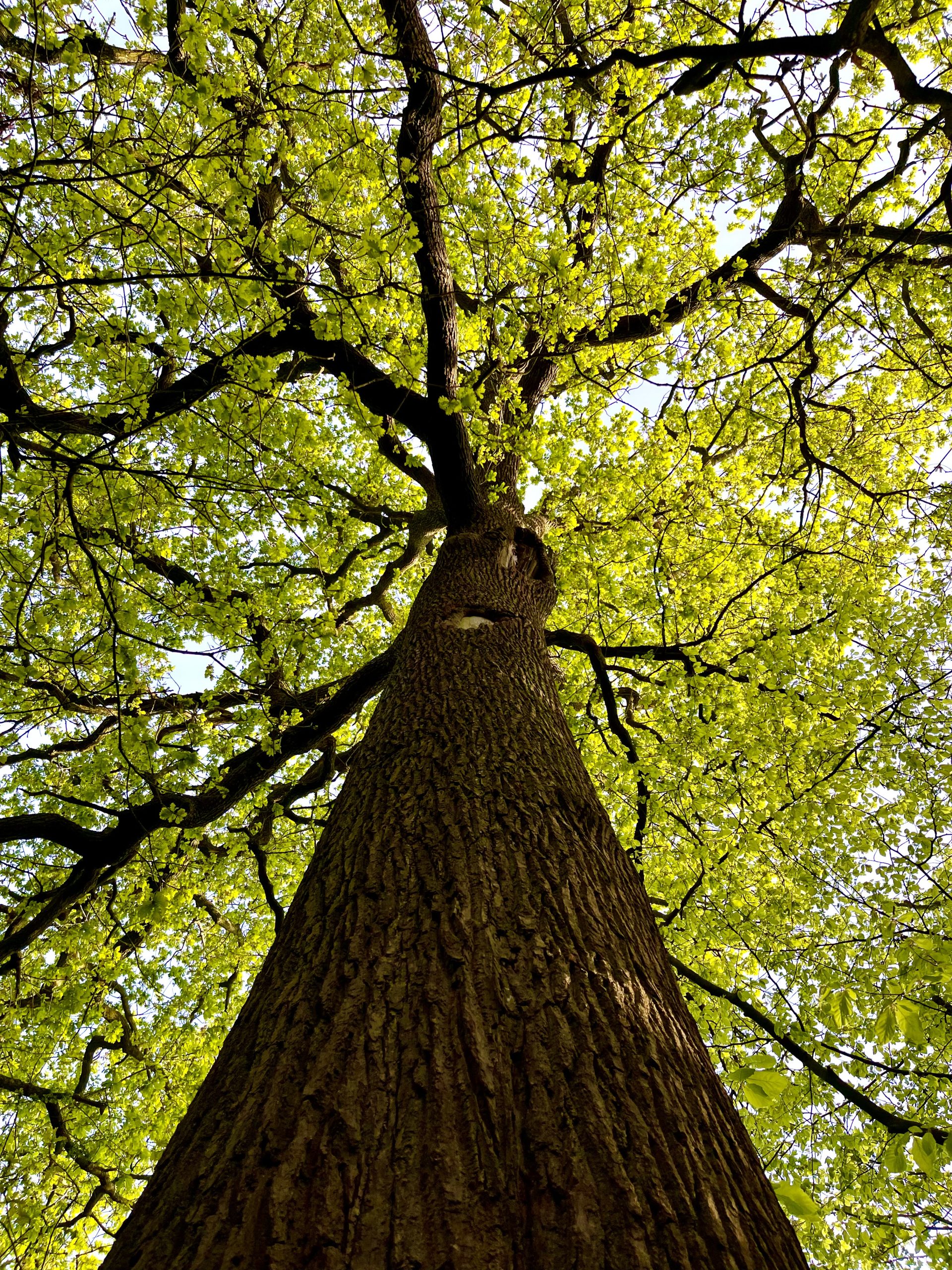
Trees stand as ancient guardians of wisdom, rooted firmly in the earth yet reaching towards the sky. As symbols of strength, resilience, and growth, trees teach us the importance of staying grounded while aspiring to new heights. By connecting with the energy of trees, we can find solace and inspiration in their quiet strength and unwavering presence.

The Dance of Water

Water flows in graceful arcs, carving its path through the landscape with gentle persistence. Symbolising emotion, intuition, and adaptability, water reminds us to go with the flow and trust in the journey. Whether gazing upon a tranquil lake or listening to the soothing rhythm of raindrops, we can find peace in the fluidity of water’s movement.

The Flight of Birds

Birds take to the skies with freedom and grace, soaring above the earthly realm with effortless elegance. As symbols of freedom, perspective, and spirituality, birds encourage us to rise above our limitations and embrace the vastness of the universe. By observing the flight of birds, we can cultivate a sense of liberation and expansiveness in our own lives.

The Quiet Wisdom of Stones

Stones hold the ancient wisdom of the earth, silent witnesses to the passage of time. With their solid presence and grounding energy, stones symbolise stability, balance, and endurance. By meditating with stones or creating stone mandalas, we can tap into their quiet wisdom and find inner peace amidst life’s challenges.

Find Magic in Nature Spirits

Nature spirits, such as fairies, nymphs and dragons, often depicted as mystical beings in folklore and mythology, play a significant role in our connection with nature. Nature spirits are believed to inhabit trees, flowers, rivers, mountains, and other natural features, embodying the essence and energy of their surroundings. In folklore and mythology, fairies are believed to inhabit forests, meadows, and other natural settings, where they care for plants, animals, and the environment. May is the time when the veil is thinnest and they can be perceived easier. Whether we believe in them as literal beings or symbolic representations, the idea of these mystical beings can inspire a childlike curiosity and encourages us to see the world around us with a sense of wonder, magic and enchantment. Engaging with the concept of nature spirits can deepen our appreciation for the intricate web of life and the unseen forces at work in the natural world. Whether we perceive them as guardians of the forest or simply as symbolic representations of the Earth’s vitality, acknowledging nature spirits can enrich our mindfulness practice and foster a sense of interconnectedness with all living things.

Practicing Mindfulness in Nature

To fully engage with the signs, symbols, and metaphors of nature, we must approach each moment with a spirit of mindfulness and presence. Here are some simple practices to deepen your connection with nature:

  1. Nature Walks: Take regular walks in nature, paying attention to the sights, sounds, and sensations around you.
  2. Nature Journaling: Keep a journal to record your observations, thoughts, and feelings while in nature.
  3. Meditation: Find a quiet spot in nature to sit and meditate, focusing on your breath and the natural world around you. Connect with a tree, tune into its wisdom and receive its unique message to you.
  4. Symbolic Rituals: Create rituals or ceremonies using elements from nature, such as stones, flowers, or water, to honour the cycles of life.
  5. Creative Expression: Use art, poetry, or storytelling to express your experiences and insights gained from nature.

As we open ourselves to the wisdom of nature, we awaken to the beauty, wonder, and interconnectedness of all things. The signs, symbols, and synchronicities of nature, beautifully facilitate our transformative journey of self-discovery, imagination, inspiration, and joy along the way.

Nature

Connecting with Nature

7 Free and Effortless Ways to Boost Your Wellbeing

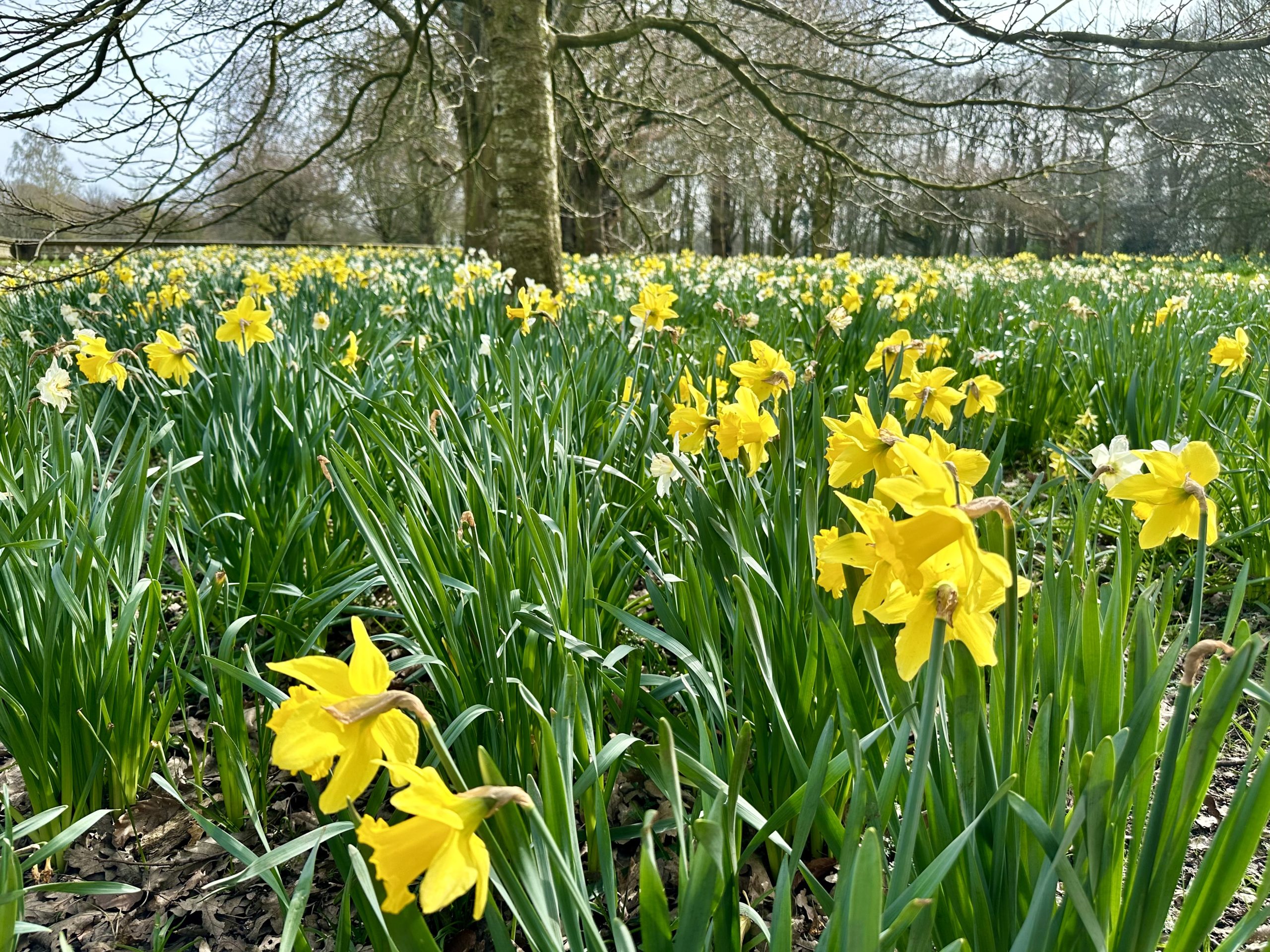
As spring unfolds its vibrant colours and fragrances, there’s an innate sense of positivity and renewal in the air. Harnessing the power of the changing seasons, it’s the perfect time to embark on a journey towards greater happiness and wellbeing. While grand resolutions may seem daunting, science suggests that small, effortless changes can pave the way for a brighter, more joyful life.

Professor Paul Dolan, a distinguished expert in behavioral science, emphasizes the importance of finding happiness in the everyday moments. Combining activities that bring pleasure with those that infuse purpose can have a profound impact on our mood and overall attitude. In this quest for happiness, nature emerges as a potent ally, offering countless opportunities for rejuvenation and connection. Let’s explore seven science-backed, nature-specific ways to enhance your wellbeing:

1. Witness the Sunrise: Step outside and bask in the awe-inspiring beauty of a sunrise. Research published in the Journal of Environmental Psychology highlights the profound effect of natural phenomena on our mental state. Whether it’s the golden hues painting the sky or the tranquil stillness of dawn, allowing yourself to be immersed in the splendor of nature can uplift your mood and instill a sense of wonder.

2. Take a Breath of Fresh Air: Engage in “cyclic sighing,” a practice shown to have a greater mood-boosting effect than mindfulness. Deep inhalations followed by slow exhalations can induce a sense of calm and relaxation, aligning your body with its natural rhythms. Spend a few minutes each day practicing this breathing exercise amidst the soothing embrace of nature.

3. Listen to Birdsong: Studies have found that listening to birdsong alleviates anxiety, calms stress, lifts the mood and shows time-lasting improvements in mental well-being.

4. Plan a Nature Excursion: Anticipation can be a potent source of happiness. Whether it’s a weekend getaway or a simple day trip, immerse yourself in the joy of planning and envisioning your outdoor adventure. The mere thought of exploring nature’s wonders can evoke feelings of excitement and anticipation, fuelling your spirits with newfound vigour.

5. Engage in Gardening: Dedicate 10 minutes to tending to your garden or clearing a green space. The act of nurturing plants not only fosters a sense of accomplishment but also exposes you to beneficial soil bacteria known to elevate mood. Allow the earthy scent of soil and the vibrant colours of foliage to replenish your senses and rejuvenate your spirit.

6. Seek Serenity by Water: Whether it’s a leisurely stroll along the shore or a moment of quiet contemplation by a tranquil lake, immerse yourself in the calming presence of water. Research suggests that “blue space” exerts a profound positive effect on mental health, surpassing even the benefits of green space. Let the gentle rhythm of waves and the vast expanse of water soothe your mind and invigorate your soul.

7. Share Moments of Vulnerability: Strengthen your bonds with loved ones by opening up and sharing your innermost thoughts and feelings. Research underscores the transformative power of authentic connections, highlighting the significance of genuine interactions in fostering happiness and wellbeing. Whether it’s a heartfelt conversation amidst the beauty of nature or a shared moment of vulnerability under the canopy of trees, cherish the intimacy of human connection as you navigate life’s journey.

By maximising the profound connection between nature and wellbeing, we can cultivate a deeper sense of joy, gratitude, and harmony with the natural world. So, venture outdoors, breathe in the crisp air, and allow nature to be your nourishing nurturing source of wellness, happiness and fulfilment.

Health

Spring Detox

Kitchari

As the days grow longer and the temperature begins to rise, Spring emerges as the perfect time for rejuvenation and renewal. In Spring we may feel inspired to spring clean the house, but why not also assist the body with a spring detox? Just as nature sheds its winter coat and bursts forth with new life, our bodies too can benefit from a spring detox to cleanse and revitalise from within. The concept of a spring detoxification has formed a part of Ayurvedic wisdom for thousands of years. Ayurveda, the ancient Indian system of medicine, emphasises the importance of aligning our lifestyle with the rhythms of nature to maintain balance and harmony within the body. Ayurveda aims to balance the three doshas or types of energies in the body, namely vata, pitta and kapha. According to Ayurveda, early Spring is associated with the kapha dosha, characterised by qualities of heaviness, dampness, and stagnation. To counteract these qualities and support our bodies’ natural detoxification processes, Ayurvedic principles suggest incorporating cleansing foods and practices into our daily routine.

One key aspect of a spring detox is focusing on lighter, easily digestible foods that help to stimulate metabolism and promote detoxification. Fresh fruits and vegetables, especially those that are in season during Spring, such as leafy greens, asparagus, artichokes, and berries, can now take centre stage in our meals. These foods are not only nutrient-dense but also rich in antioxidants and fibre, which support the body’s detoxification pathways and help to flush out toxins.

Nettle Tea
In addition to incorporating detoxifying foods into our diet, Ayurveda also recommends incorporating cleansing practices such as fasting, drinking plenty of water, and engaging in gentle exercise like yoga or walking. Tea made of fresh nettle is a great Ayurvedic spring detox practice. Alongside dietary and lifestyle changes, Ayurveda also places importance on supporting our digestive fire, or Agni, during a spring detox. Incorporating warming spices such as ginger, turmeric, cumin, and coriander into our meals can help to stoke the digestive fire and enhance digestion, ensuring that we properly assimilate nutrients and eliminate waste. Kitchari incorporates all these warming and cleansing spices and is an easy, delicious, nourishing detox dish to make in Spring.

A spring detox is cleansing and rejuvenation, and a great way to align with the natural rhythms of the season to support the body’s innate ability to heal and thrive. By nourishing ourselves with seasonal, cleansing foods, practicing mindful eating, and incorporating gentle cleansing practices into our daily routine, we can emerge from winter’s hibernation feeling refreshed, revitalised, and ready to embrace the vibrant energy of Spring.