Health

Christmas Delight

Alotment-grown Winter Veg

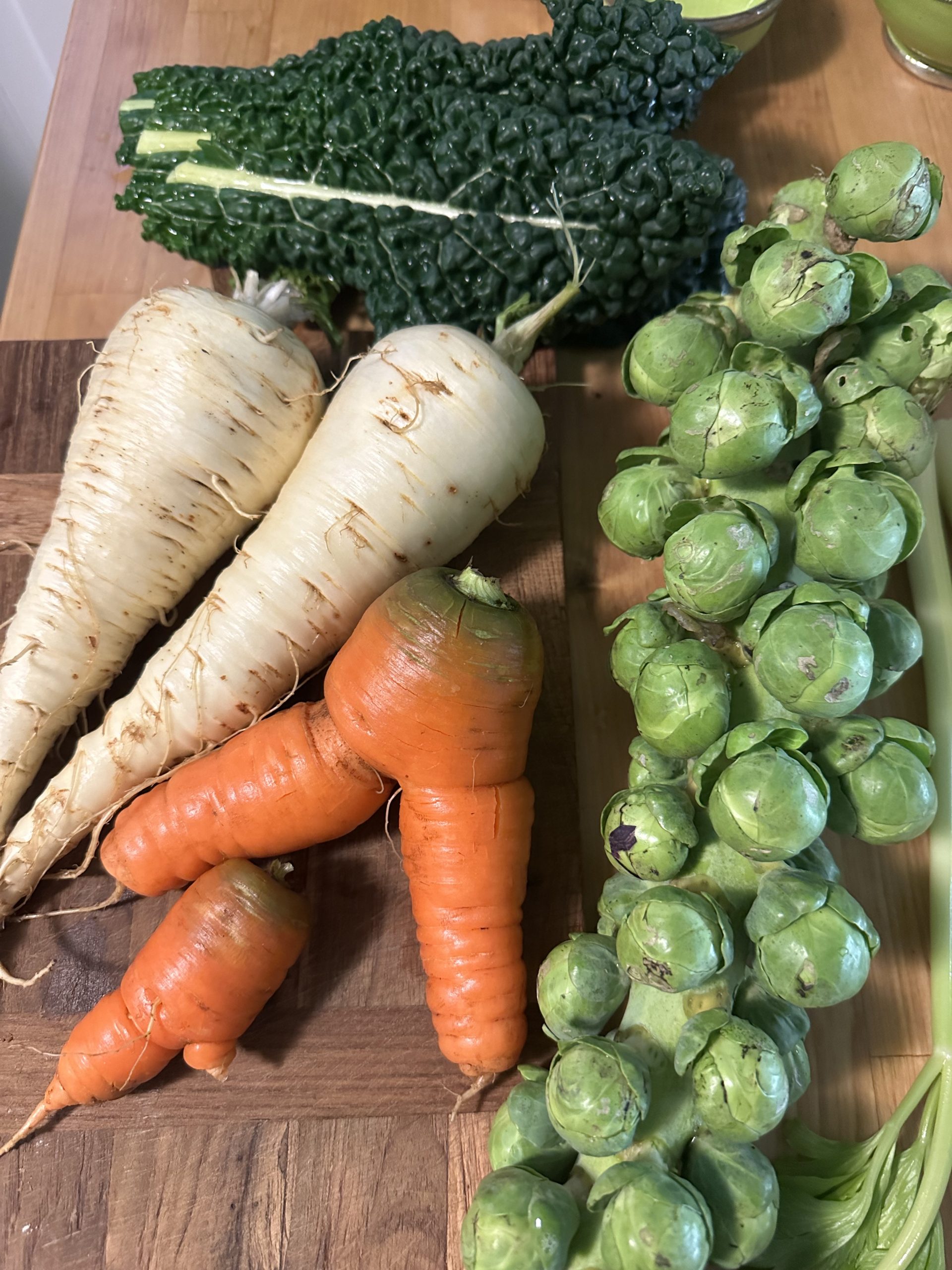
Unwrapping the Health Benefits of Brussels Sprouts

Not everyone’s favourite and often an underestimated holiday gem, these tiny powerhouses of nutrition are only around for a short while and worth embracing fully.

Magical Health Benefits Pact in a Tiny Parcel

Not only are they low in calories which is great for the season of indulgence, the Brussell sprout is practically an entire winter medicine cabinet in miniature cabbage form. A serving of 100g contains the equivalent of Vitamin C of 5 oranges, a real boost for the immune system and overall health. They also contain minerals such as iron, potassium and magnesium to strengthen your system.

They’re packed in antioxidants which combats oxidative stress and supporting cellular health. Sprouts are rich in fibre to benefits digestion. Incorporating these greens can add a healthy balance to holiday meals. Sprouts contain various other vitamins such as Vitamin K which is crucial for bone health.

Get Creative with Your Sprouts

Enjoy your sprouts steamed, stir-fried, roasted or sautéd throughout the season. They make a delicious Bubble and Squeak perfect for Christmas left-overs. Savour the joy of the season while striking a balance between holiday indulgences and nutritious choices enjoying flavours, taste and well-being.


Health

Winter Comfort in a Bowl

Nourishing Soups for Immune System Wellness

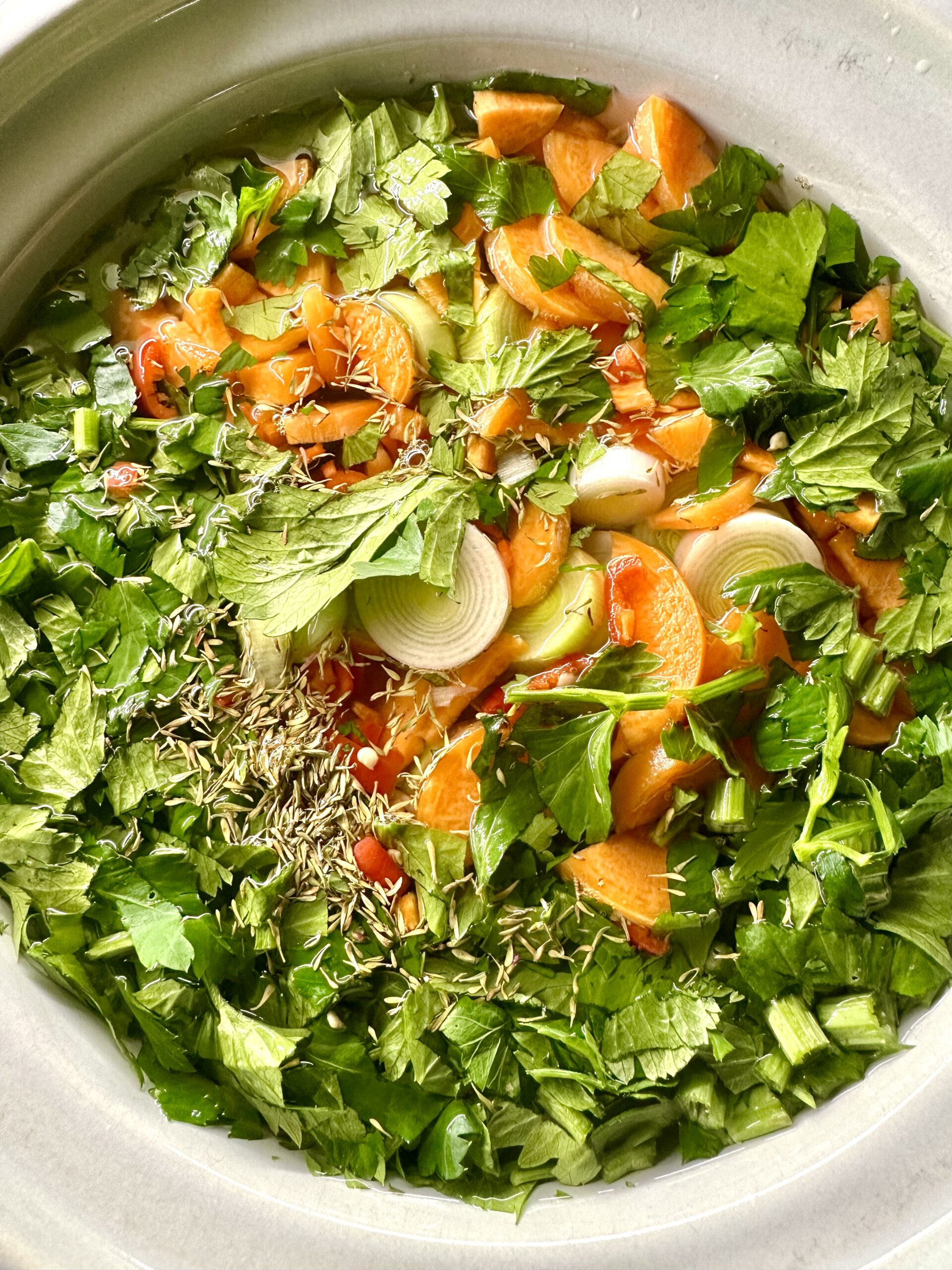
There’s nothing like the comfort of a warm bowl of soup on a cold winters day. If your body calls for something nourishing and you don’t feel like labouring in the kitchen, a one pot vegetable meal is the thing. Cutting up and combining a few humble vegetables in a big pot, can make a simple, homemade soup in no time. Besides, its a great way to boost immune system health during the colder months.

Pro-active Self-care during Winter

Taking pro-active care during the flu season can support your immune system and keep you healthy. Nutrient-packed soups serve as a delicious defense against winter ailments. Soups are simple and you can combine powerhouse ingredients such as greens, herbs, ginger, garlic, and turmeric for their immune-boosting properties. Incorporate a variety of vegetables for a well-rounded soup.

Get Creative with Versatile Recipes

I’m a lover of soup and in winter it tends to be our lunch. I’m always looking for new soups ideas and recently came across Potato and Apple Soup. It’s worth experimenting with. I also enjoy this simple Turmeric-tomato Soup that packs flavour and anti-inflammatory properties. A trusted favourite remains a Scottish Vegetable Broth. Enjoy the flexibility of this broth which you can adapt to personal tastes and preferences. Enjoy a hearty Spilt-pea Soup, a tasty Minestrone or celebrate the fragrance and flavours of Christmas with this Spicy Pumpkin Soup.

Embrace the season with comforting, health-boosting homemade soups and enjoy the holistic benefits of a bowl of comfort that warms both body and soul.

Health

Embracing the Season

The Joy, Beauty, and Health Benefits of Autumn Walks

As the autumn air becomes crisp and invigorating, there’s no better time to step outside and immerse yourself in the beauty of autumn. Autumn captivates the senses, and one of the best ways to fully appreciate it is by taking leisurely walks amidst nature’s transformation. Let’s explore the many reasons why autumn walks are a source of joy, beauty, and health.

The Visual Feast of Autumn

Autumn is a time of unparalleled visual splendour. The changing leaves create a mesmerising display of colours, from fiery reds and oranges to deep yellows and rich browns. It’s like walking through a painting, and the vibrant foliage can instantly lift your spirits. The canopy of trees seems to burst into a glorious symphony of hues that bathes the world in warmth and beauty.

Autumn walks offer a unique opportunity to connect with nature on a profound level. As you wander through the woods or meander down tree-lined streets, you’ll be enchanted by the sheer beauty of the season. The rustling leaves underfoot and the gentle sound of the wind in the branches create a soothing, natural soundtrack that complements the visual spectacle.

The Joy of Crunching Leaves

One of the simple pleasures of autumn walks is the satisfaction of crunching fallen leaves underfoot. There’s something strangely gratifying about the sound and sensation of leaves breaking beneath your shoes. Who can resist kicking up leaves and delighting in the music of rustling and crunching sounds. Not only is this an enjoyable sensory experience, but it also encourages movement and play. Autumn walks can bring out the child in all of us, as we frolic in the fallen leaves and revel in the tactile joys of the season.

Health Benefits of Autumn Walks

While the aesthetic and emotional rewards of autumn walks are undeniable, there are also several tangible health benefits to consider:

  • Fresh Air:

    Autumn air is crisp and clean, making it perfect for invigorating outdoor activities. Breathing in fresh air and the smells of nature can boost your mood, increase your energy levels, and enhance your overall well-being.

  • Exercise:

    Walking is a low-impact exercise. It can help, maintain healthy weight, reduce stress, energise and improve heart health.

  • Mental Health:

    Being surrounded by the beauty of nature has a calming and de-stressing effect. Many people find that autumn walks help them relax, clear their energy and minds, and improve their mental health.

  • Immune System Boost:

    Regular outdoor activity can strengthen your immune system, helping you ward off infections during the cold and flu season.

  • Social Connection:

    Autumn walks are an excellent opportunity to connect with friends and family. Shared experiences in nature can foster stronger bonds and create lasting memories.

Make the most of Autumn’s beauty and nature’s most enchanting display. Taking leisurely walks during this season is a simple yet powerful way to connect with the world around us and enjoy the benefits to our physical and mental well-being. Whether you explore a nearby park, wander through a forest, or simply stroll through your neighbourhood, you’ll find that the magic of autumn is right at your doorstep, waiting to be discovered with every step you take. Savour the season and nourish your body and soul.

Food

Enjoy Nature’s Medicine

Link between fruits, veggies & microbiome confirmed for the first time
Our understanding of the human microbiome, the microorganisms that inhabit our bodies, has expanded significantly. It plays a crucial role in our overall health, from digestion to immune function. Now, a groundbreaking study, confirms the vital connection between fruits, vegetables, and the microbiome, shedding light on how our dietary choices can influence our internal micro-world and our health.

The Microbiome Unveiled

The human microbiome consists of trillions of microorganisms, primarily bacteria, living in and on our bodies. These tiny companions play a pivotal role in maintaining our health. They help digest food, produce essential nutrients, and even protect against harmful pathogens. However, the balance and diversity of these microorganisms can be influenced by various factors, and diet is a significant one.

The Link Confirmed

Science now confirms what many have suspected – the consumption of fruits and vegetables significantly impacts the composition and diversity of the microbiome. Here’s how:

  1. Boosting Microbial Diversity: Fruits and vegetables, with their rich array of dietary fibres, act as a source of nourishment for beneficial gut bacteria. A diverse microbiome is generally associated with better health and a stronger immune system.

  2. Enhanced Gut Health: The fibre in these plant-based foods helps maintain a healthy gut lining and supports the growth of bacteria that are known to be beneficial for digestive health.

  3. Nutrient Production: Some microbes in the gut can break down the plant compounds from fruits and vegetables, converting them into essential nutrients that our bodies can absorb and use.

  4. Reduced Inflammation: A diet high in fruits and vegetables has been linked to reduced inflammation in the body, and a balanced microbiome is a key player in regulating this inflammatory response.

Implications for Health

This confirmed link between fruits, vegetables, and the microbiome carries significant implications for our health and wellbeing. It underscores the importance of a balanced diet rich in plant-based foods, not only for the essential vitamins and minerals they provide but also for their positive impact on our internal microbial communities.

This breakthrough offers yet another reason to embrace a diet filled with a variety of colourful fruits and vegetables. By doing so, we not only support our own health but also the health of the microorganisms that play such a crucial role in our well-being. This research, confirms the importance of maintaining a balanced diet that is rich in plant-based foods. By nourishing our microbiome, we can further enhance our overall health and wellbeing. 

Further reading:
The connection between gut-health and mental health 
New Atlas Story: Link between fruits, veggies & microbiome confirmed for the first time
Original Study

Food

Autumn is Harvest Season

The harvest season makes a visit to the allotment a joy.
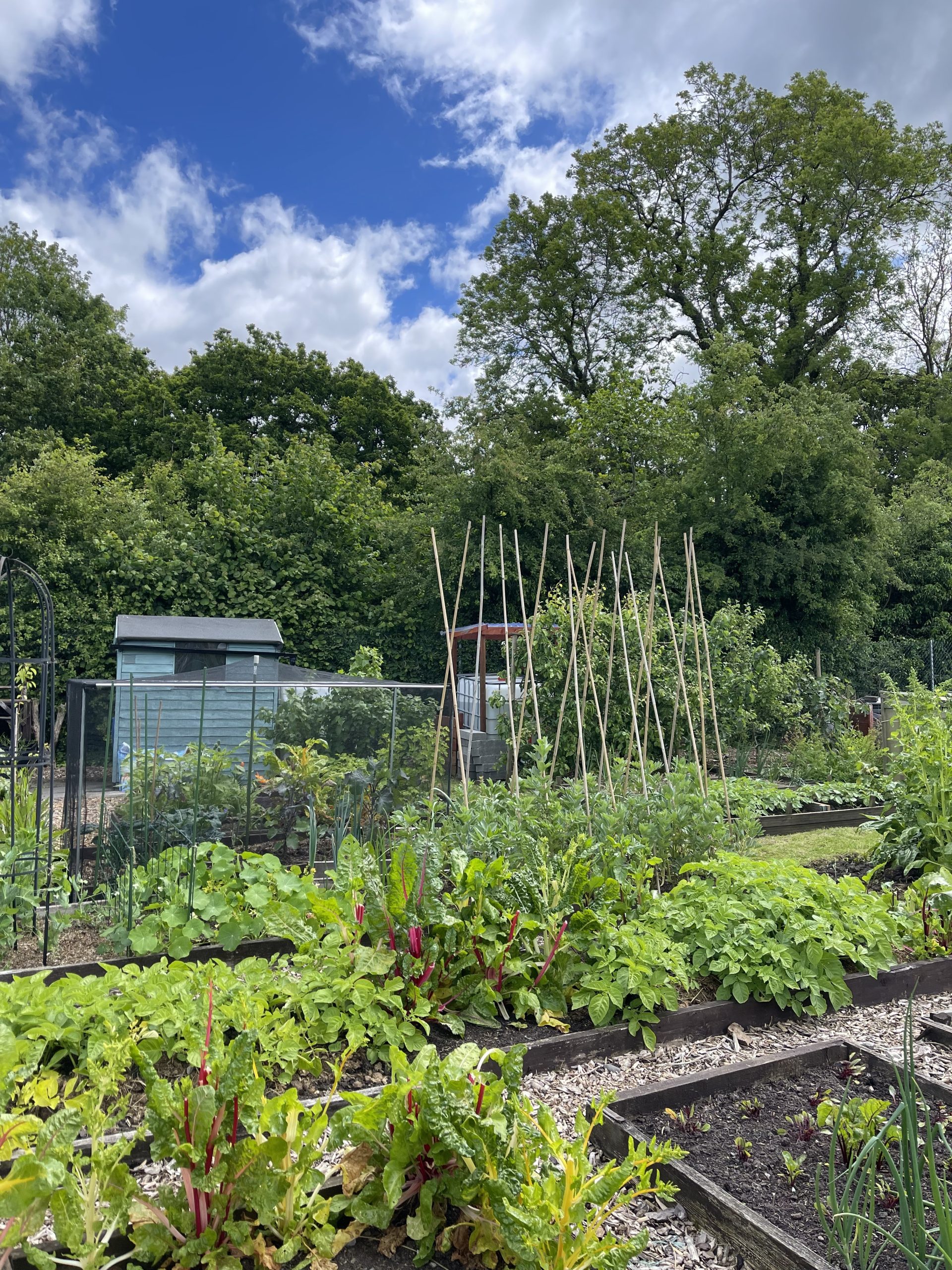
There’s always something to come back with for the pot: courgettes, onions, potatoes, leeks, peas, beans and beetroot. This is the time for roast veg, soups and stews. This week we enjoyed turning our bounty into a potato, leek and fennel bake. Fennel offers great health benefits being high in Vitamin C and antioxidants.

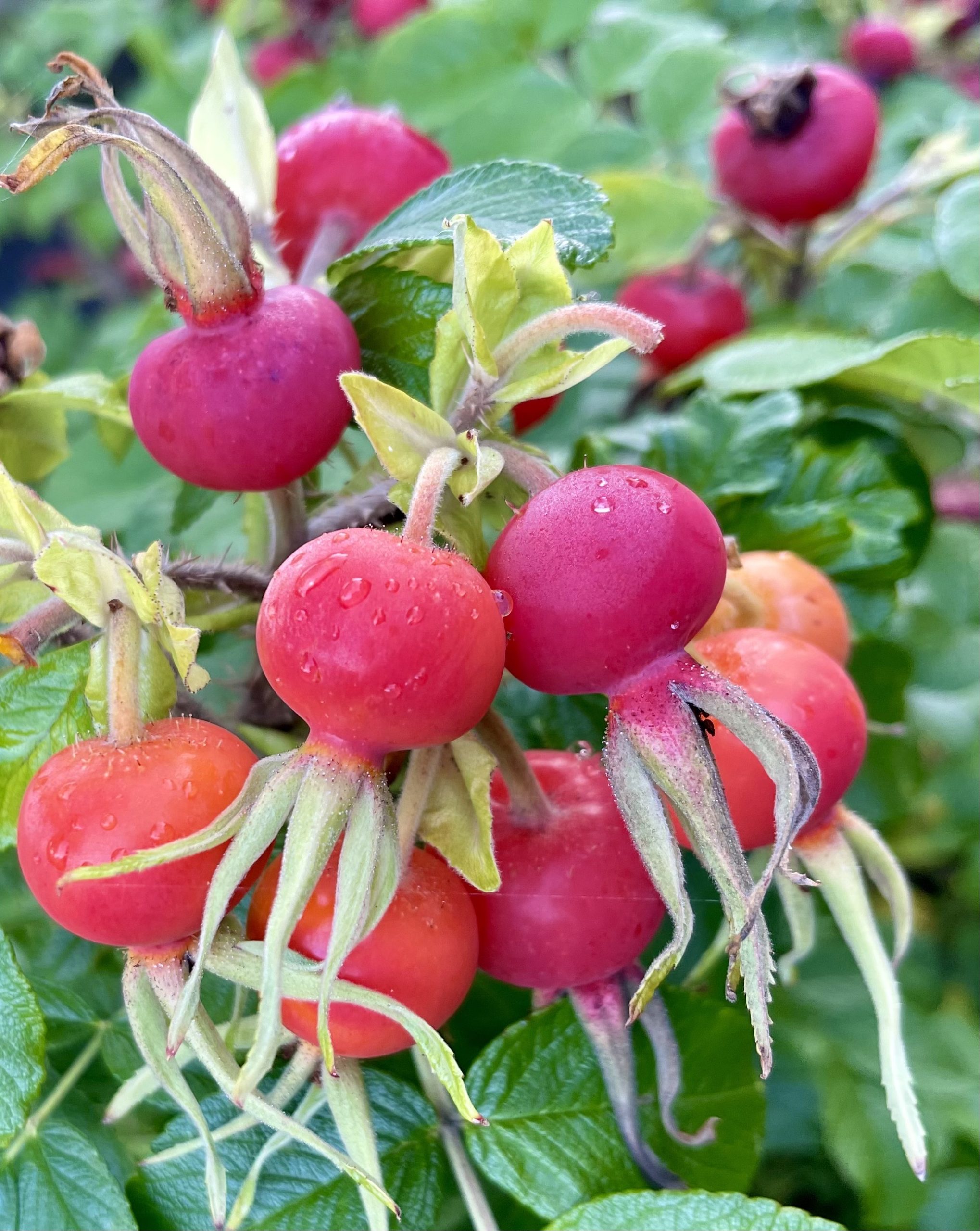
There’s still much to forage and this weekend we foraged rose hips, the fruit of the wild rose. All varieties of rose hips are edible and medicinal. Rose hips are easy to identify, especially if you can identify it as a rose earlier in the season when it’s in flower. Wild rose is commonplace and grows nearly everywhere. They can be a shrub or sometimes grow as a vine. Rose hips are extremely high in vitamin C, one of the highest natural sources. There is over 20 times more vitamin C in rose hip berries than oranges, making them very beneficial for the immune system. They can be used in a tea for this purpose.

We had our first hand in making rose hip syrup. Rose hip syrup has been used traditionally to keep colds and ‘flu at bay during winter.  It also has natural anti-inflammatory properties and helps to ease the discomfort of arthritis. They are high in antioxidants, and can help the body rid itself of impurities. It’s really fun to forage, explore and experiment. The magic of nature is that it provides its natural nourishing and healing bounty at exactly the time we need it. Forage safely by consulting the Woodland Trust.

Health

The Health Benefits of Gardening

According to a new study recently published in The Lancet Planetary Health, the simple act of tending to plants can have a profound impact on your well-being and mental health.

Cultivating Well-being

In a groundbreaking experiment, novice gardeners were given small plots of land to tend, while researchers from the University of Colorado Boulder closely monitored their progress over the course of a year. The results were nothing short of remarkable. Participants not only increased their fibre intake and physical activity, but they also experienced significant reductions in perceived stress and anxiety levels.

A Stress-Reducing Sanctuary

These findings echo previous research that has consistently shown the stress-relieving effects of gardening. Whether you have access to an allotment, a small garden at home or a window box, spending time with plants can moderate stress and alleviate signs of depression. The act of nurturing living things seems to have a soothing effect on the human psyche.

Greenery Indoors

But what if you don’t have access to outdoor space? You can still enjoy the benefits of gardening indoors. Herbs like rosemary, thyme, and basil thrive in pots on windowsills. They not only provide fresh flavours for your meals but also bring a touch of nature into your home, enhancing your well-being.

More Natural Paths to Serenity

Gardening isn’t the only way to cultivate a sense of serenity. Here are three additional natural approaches:

Head to the Woods

In Japan, a practice known as ‘forest bathing’ has gained popularity among stressed workers. It involves immersing oneself in the tranquility of the woods. Scientific studies have shown that this practice boosts immunity, reduces stress, and alleviates depression.

Coming Up Roses

Surprisingly, even the sight of red roses can induce relaxation. A study in Complementary Therapies In Medicine found that test subjects reported feeling ‘relaxed,’ ‘comfortable,’ and ‘natural’ when exposed to red roses.

Pots of Gold

If you’re dealing with workplace anxiety, consider adding some pot plants to your office space. A study in the UK discovered that rooms filled with plants not only made employees happier and more satisfied but also increased productivity by a remarkable 15%.

Community Gardens

Volunteering in community gardens has the benefit of social interaction. Gardening is a green gateway to improved health and well-being. Your mind and body will benefit from it.