
Why What You Eat May Be the Most Powerful Medicine You Have
Imagine if your doctor’s first response to a diagnosis wasn’t a prescription pad — but a conversation about what you were eating. That future is closer than you think. And for many people around the world, the shift to food as medicine isn’t a trend. It’s a lifeline.
We are living through a global chronic disease crisis, and poor nutrition sits at the very heart of it. The good news? Food, real nourishing, whole food, is one of the most powerful tools we have to turn the tide.
The Scale of the Problem
Chronic non-communicable diseases now account for 75% of all non-pandemic-related deaths worldwide — that’s 43 million people every year (WHO, 2021). Seven of the ten leading causes of death globally are chronic diseases, including heart disease, stroke, cancer, and type 2 diabetes. And poor nutrition is one of the primary drivers of almost all of them.
Globally, researchers estimate that poor diet is responsible for:
- 11 million deaths every year — making suboptimal nutrition one of the leading risk factors for premature death worldwide (Global Burden of Disease Study).
- 255 million disability-adjusted life-years lost annually due to diet-related illness (Nature Medicine, 2023).
- Approximately one-third of all coronary heart disease deaths worldwide and nearly three-quarters of new type 2 diabetes cases globally (Think Global Health, 2024).
We Are Overfed and Undernourished
Here is the paradox at the centre of modern nutrition: billions of people are consuming more than enough calories, and yet are profoundly undernourished. The global food system is producing enormous quantities of food — but far too much of it is calorie-dense and nutrient-depleted.
A landmark 2024 study found that more than half the global population consumes inadequate levels of multiple essential micronutrients, including calcium, iron, and vitamins C and E. 68% of the global population has inadequate iodine intake. 67% have inadequate vitamin E. 66% have inadequate calcium. 65% have inadequate iron. Between 713 and 757 million people were chronically undernourished in 2023 — equivalent to roughly one in eleven people on the planet (UN SOFI Report, 2024). We are eating. But we are not truly nourishing ourselves.
Whole Foods and Chronic Disease Prevention
A major study found that diets emphasising high-quality, plant-rich whole foods were consistently associated with significantly reduced risk of cardiovascular disease, type 2 diabetes, cancer, and all-cause mortality. A longitudinal study found that higher intake of vegetables, whole grains, and plant-based foods could simultaneously reduce the risk of developing multiple chronic diseases.
Nutrients and Immune Function
Malnutrition is recognised as a major contributor to impaired immune function globally. When the body lacks the vitamins and minerals it needs to operate its natural defence systems, susceptibility to infection, inflammation, and disease rises significantly. Nutritional deficiencies don’t just cause visible illness; they quietly undermine the body’s capacity to heal and protect itself daily.
Gut Health and Systemic Wellbeing
The gut microbiome plays a central role in immune function, mood, inflammation, and metabolic health. Approximately 70% of the immune system is housed in the gut. What we eat directly shapes the health of this ecosystem. Fibre-rich, diverse, whole-food diets support a thriving microbiome; highly processed, sugar-laden diets degrade it, with consequences that ripple through the entire body.
Where to Begin: Nourishing Yourself Back to Health
Empowerment yourself by using food as medicine. The principles are grounded in decades of research and are accessible to everyone:
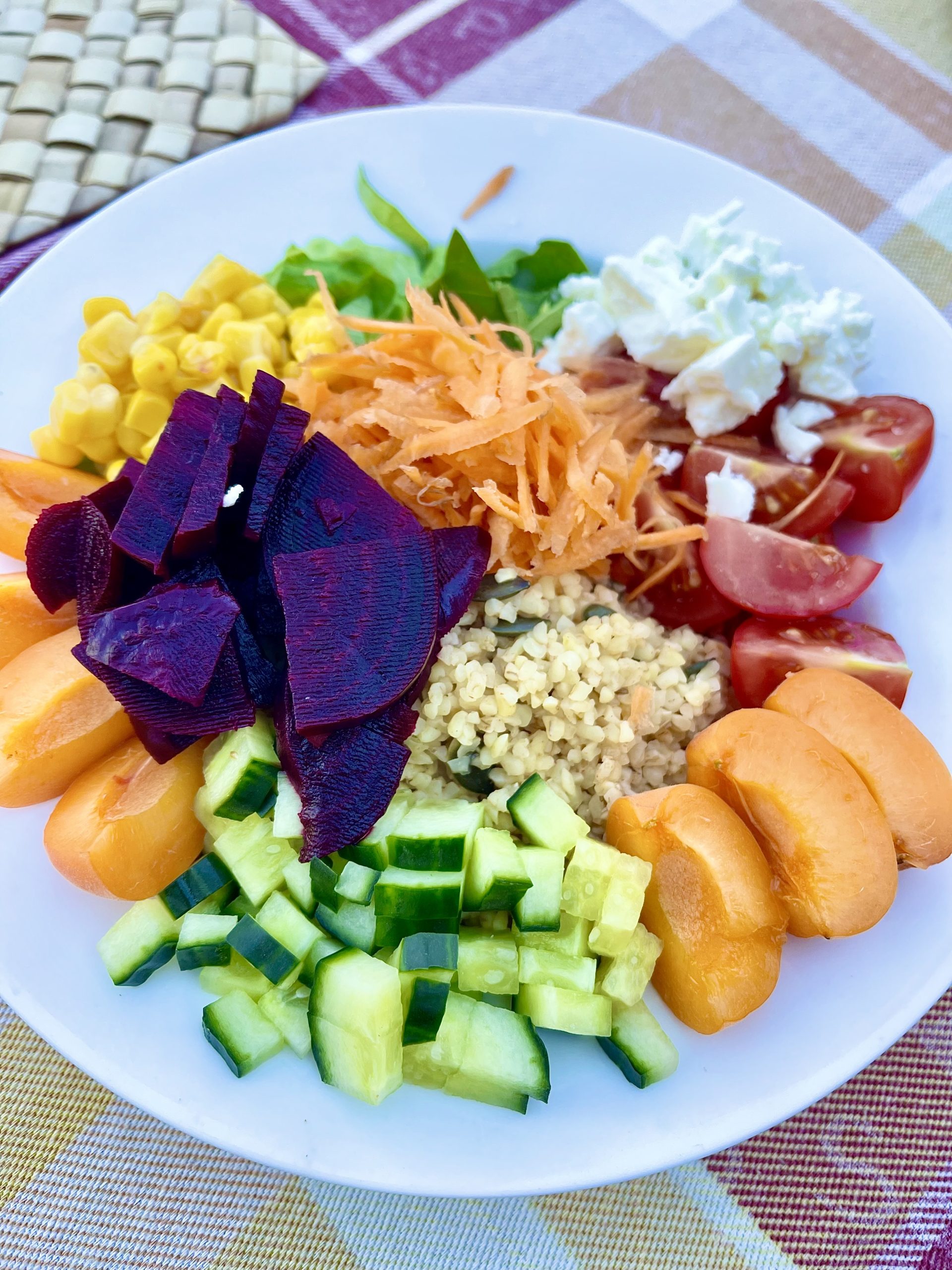
- Prioritise whole foods — vegetables, fruits, legumes, whole grains, nuts, seeds, and quality proteins. These are the foods your body was designed to thrive on.
- Reduce ultra-processed foods — products engineered for palatability rather than nourishment. These displace the nutrients your body needs and feed inflammation.
- Eat for diversity — a wide variety of plant foods feeds a diverse, resilient gut microbiome, which in turn supports immunity, mood, and metabolic health.
- Address deficiencies — consider working with a practitioner to identify and address specific micronutrient gaps, particularly if you experience fatigue, poor immunity, or persistent health challenges.
- Understand that nourishment is not just about calories — it is about the quality, density, and diversity of the nutrients you consume every single day.
The body is a dynamic, intelligent system with a profound capacity to heal when it is given proper nourishment.
Food on prescription is perhaps the most sensible and evidence-based shift we could make in how we approach health. Every meal is an opportunity to reduce inflammation, support immunity, balance blood sugar, nourish the gut, and give the body the raw materials it needs to function at its best.
Prevention is better than cure and is exponentially more powerful .
The tools for better heath are available to all of us, and they begin, quite literally, with what we choose to put on our fork.
“Prevention is not just better than cure. It is exponentially more powerful — and it begins on your plate.”
The world does not have to continue on its current trajectory of rising chronic disease and mounting healthcare costs. The tools to change course are available to all of us — and they begin, quite literally, with what we choose to put on our fork.
Ready to Explore Food as Medicine?
Whether you are managing a chronic condition, seeking to prevent one, or simply ready to take your health into your own hands — nourishing your body with intention is the most powerful place to begin. Support and guidance are available. Your health journey starts here.