Food

The Allotment Harvest

What Growing Your Own Food Really Feeds
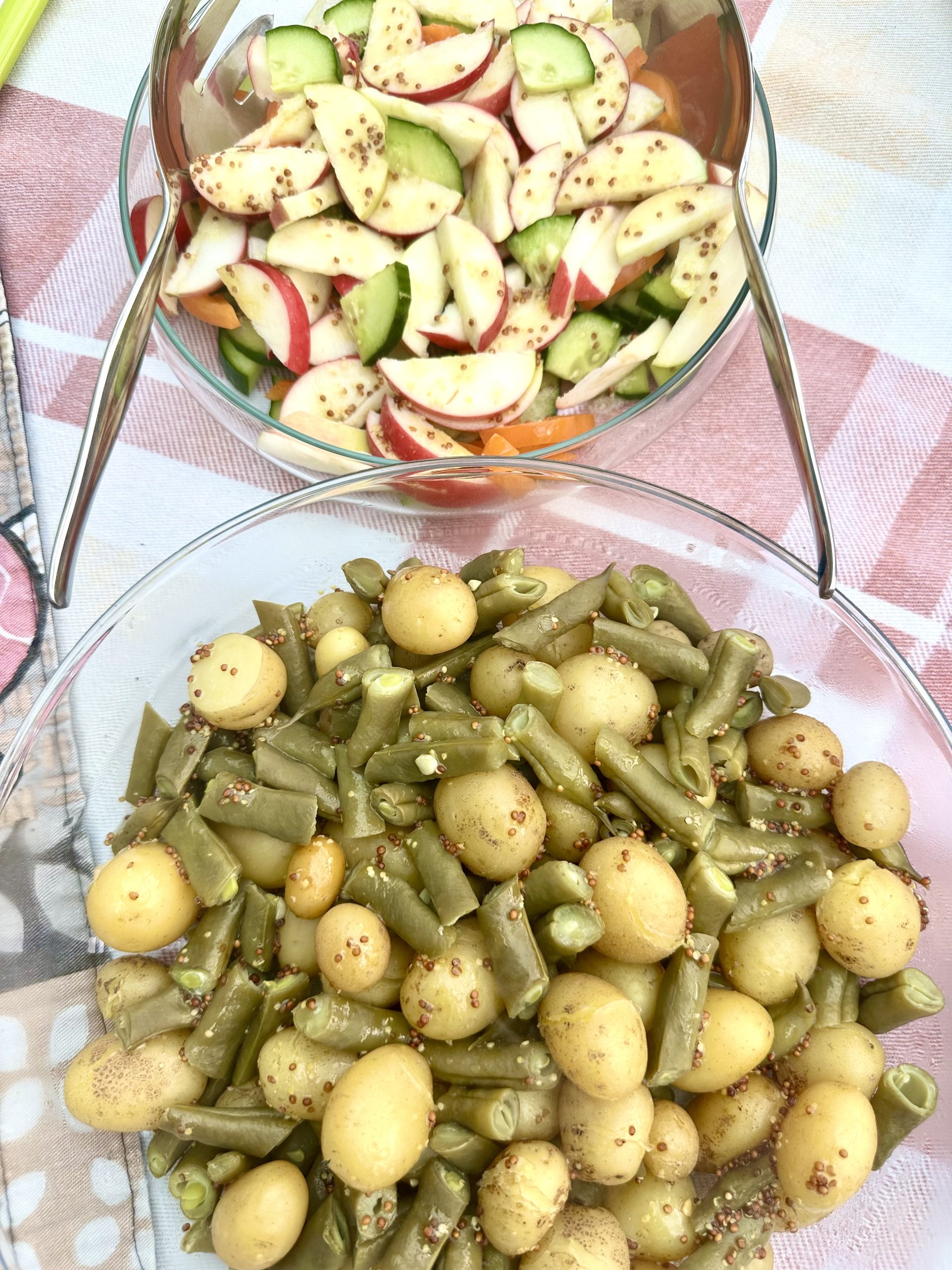

There’s a particular kind of joy that comes with harvest time. Not just the pleasure of eating something you’ve grown, but something quieter and deeper that ripens alongside the vegetables themselves.

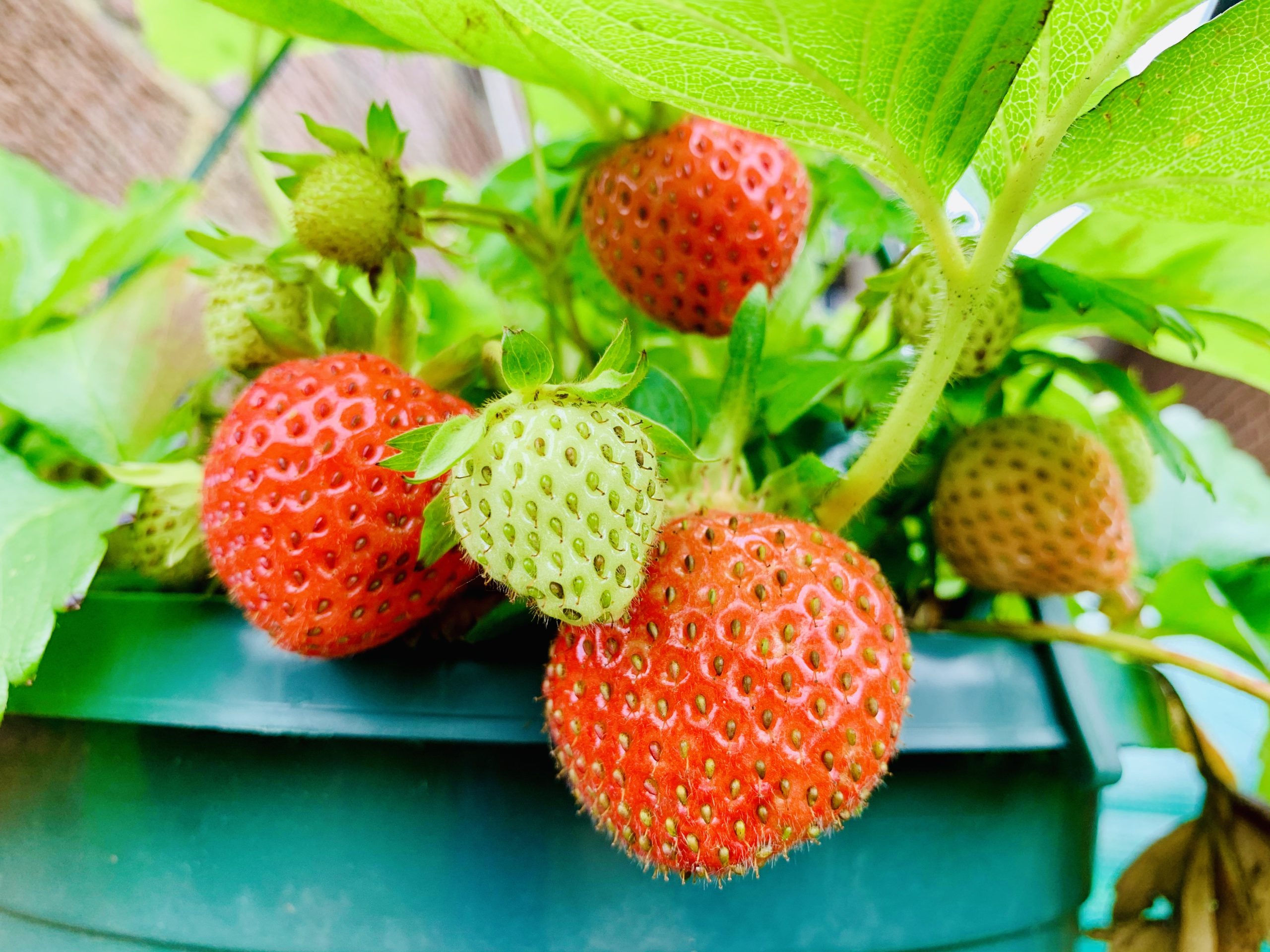
Having an allotment isn’t always easy. There are challenges along the way, weather to contend with, weeds that seem to have a mind of their own, and the odd disappointment when something simply doesn’t take. But from midsummer right through the harvest season, there’s always something new to bring home to the kitchen. Picking just enough beans and peas for the week, pulling up a few beetroots, cutting a courgette still warm from the sun. These small moments bring a joy that goes far beyond the food itself.

This week we started digging up the first potatoes, and the onions, which have been drying gently in the sun, are almost ready to store. There’s something wonderfully grounding about that rhythm, working in step with the seasons.

The Benefits of Growing Your Own

Growing your own food gets you outside in the fresh air and gets the body moving. It also teaches you, in the most direct way possible, what’s actually in season. Eating fresh brings real benefits, both for health and for flavour, and it invites a different kind of creativity into the kitchen. Instead of deciding what to cook and then shopping for it, you look at what you’ve harvested and let the meal take shape around that.
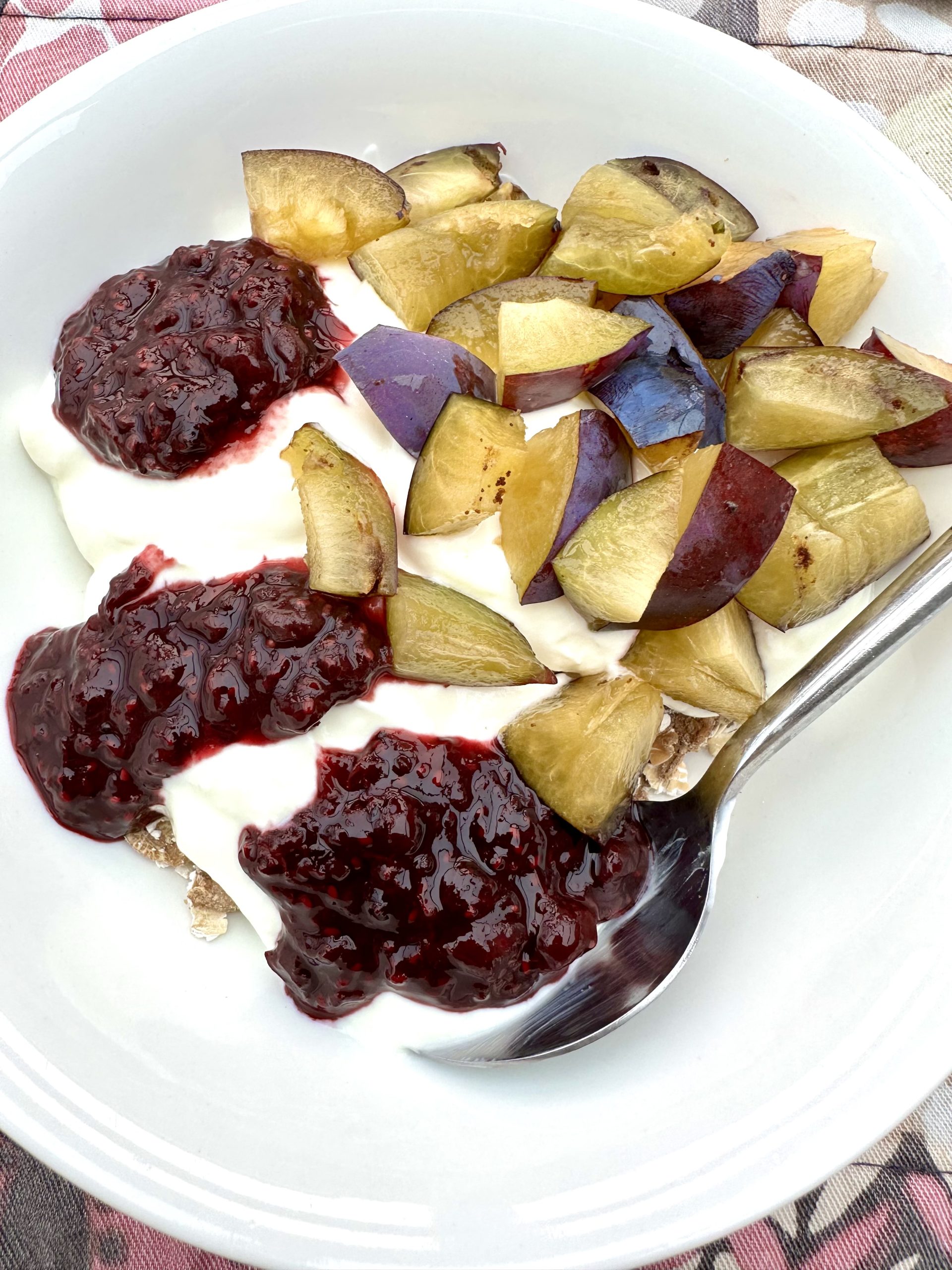
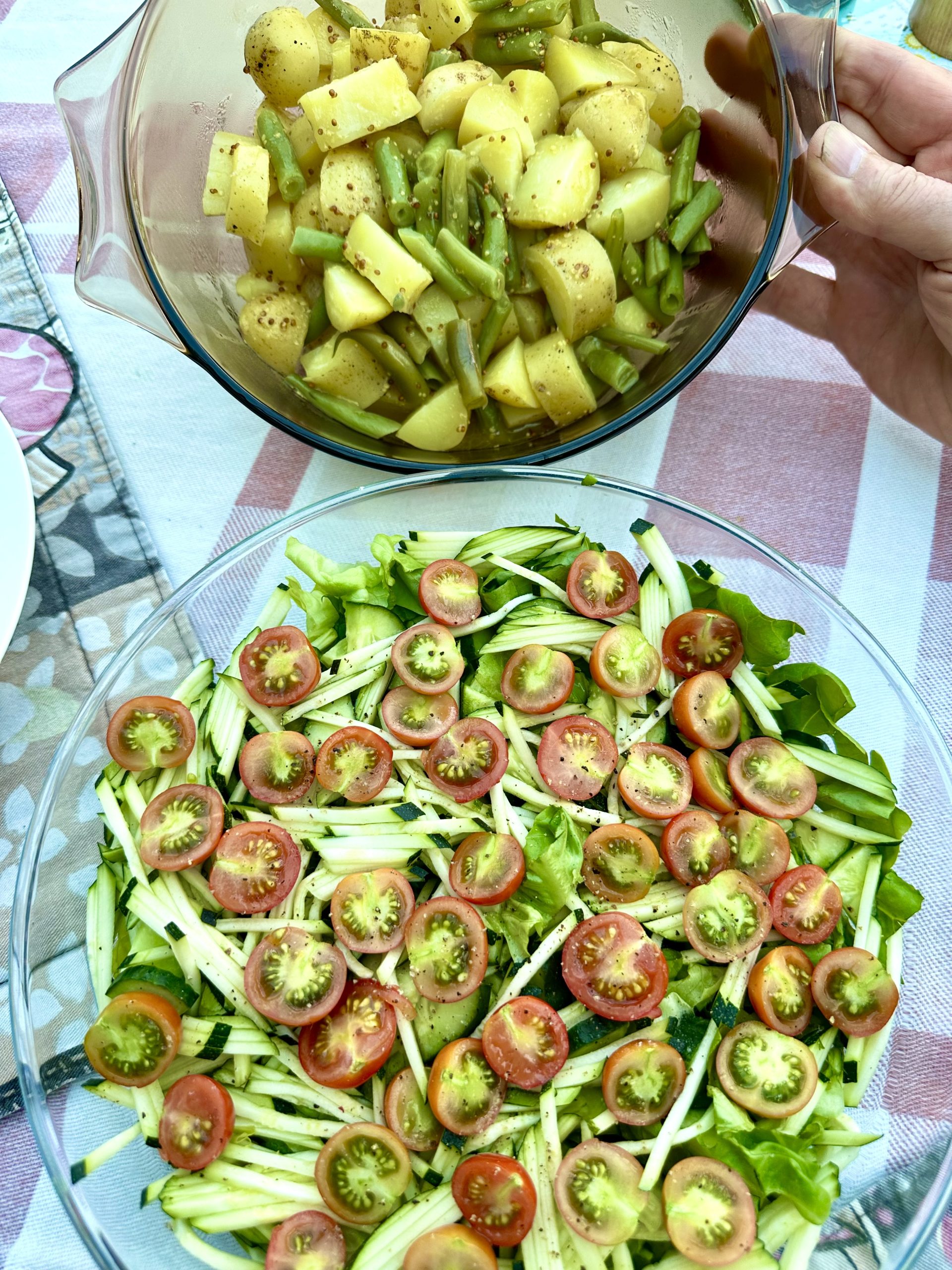
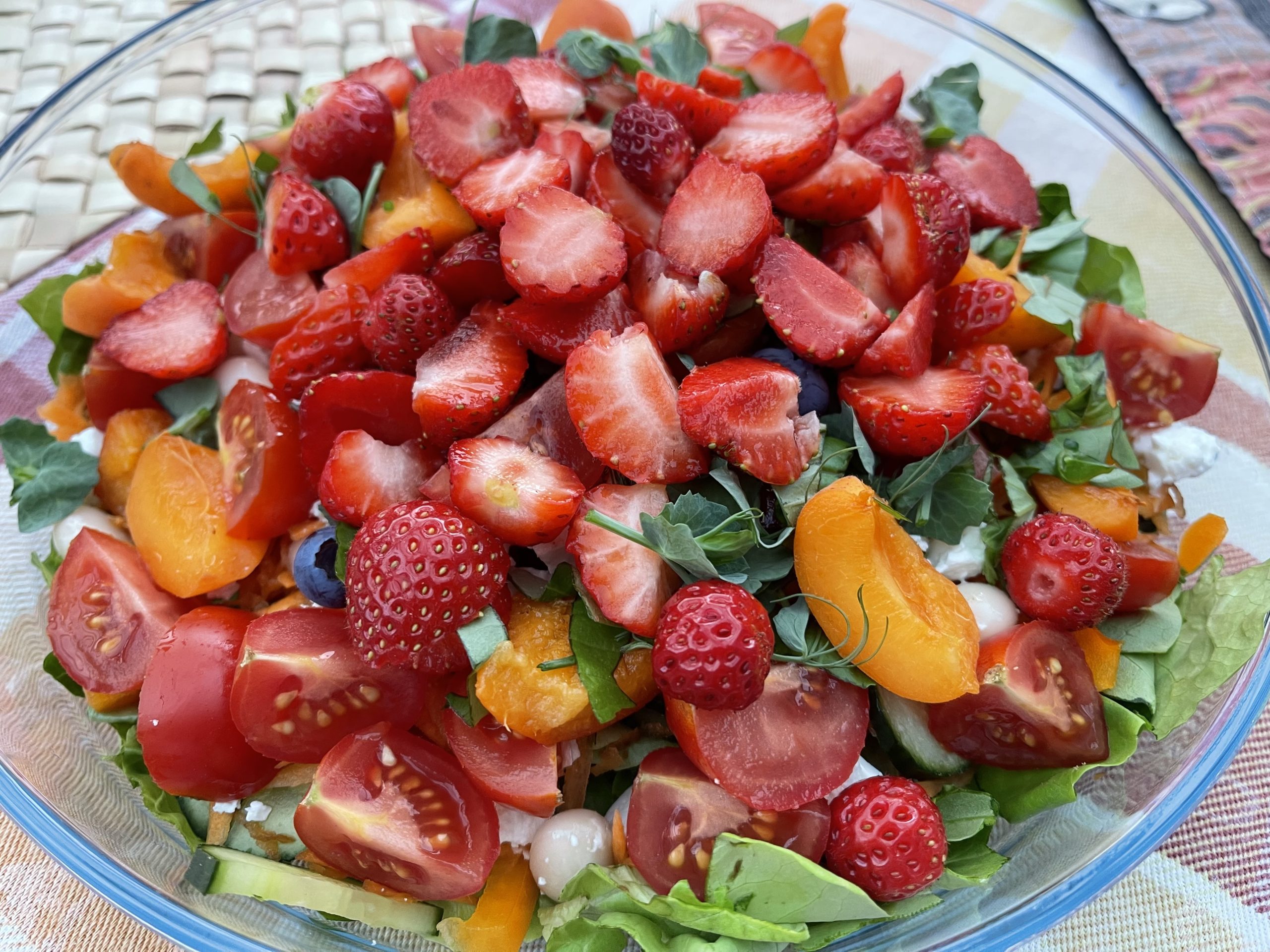
With the plums ripening now, breakfast has become yoghurt and fresh fruit, spooned over with the blackcurrant confit we made last month. Lunch is a garden salad, full of whatever’s ready that day, and in the evening the courgettes, onions and tomatoes find their way into a simple, satisfying pasta. None of it is complicated. All of it tastes like the season it came from.
Abundance, Shared

There’s a deep appreciation that grows alongside the vegetables, an appreciation for the goodness of nature and the abundance of the season. This week, fellow allotmenteers shared their cucumbers, tomatoes and pattypan squashes with us. In turn, we shared our plums, potatoes and onions with neighbours and family.

That simple exchange does something valuable. It gets people talking, interacting, sharing in the simple pleasure of tending to nature and watching it grow into fullness. Community gardening research points to exactly this, describing gardens as spaces of social networking and genuine intimacy with nature, benefits that ripple outward well beyond the plot itself. It’s a lovely reminder that growing food was never only about the food. It’s about connection: to the land, to the rhythm of the seasons, and to each other.

Research consistently backs up what allotment growers experience for themselves. A large questionnaire study of allotment gardeners in Tokyo found that, compared with non-gardeners, allotment holders reported better general health, fewer health complaints, better mental health and stronger social cohesion, even after accounting for other lifestyle factors. In the UK, a comparative study of allotment gardeners found lower perceived stress levels among older gardeners than similar-aged people attending indoor exercise classes, and linked access to a garden with better overall wellbeing. A broader review of the evidence has also found that gardening interventions are associated with reductions in depression, anxiety and loneliness, alongside greater life satisfaction, happiness and a sense of belonging. And there does seem to be a sweet spot. One study found that mental resilience peaked when people gardened for one to four hours a week, with related research suggesting even two to three sessions a week is enough to notice a difference.

If you have even a small patch of soil, a balcony, or access to a community plot, this might be your invitation to begin. You don’t need to grow everything. Even one courgette plant will teach you something about patience, abundance, and the quiet joy of eating in season.
Food

Stay Hydrated by Enjoying Your Seasonal Fruit and Veg

Most of us know that drink more water is important to stay hydrated in summer. However it’s worth knowing that a significant portion of your daily hydration can actually come from your food, not just your glass. Fresh fruit and vegetables contain anywhere from 80% to 97% water, and eating them in season means you’re getting peak nutrition alongside that natural hydration boost. This summer, nature has done the planning for you.

Why seasonal matters in many  ways

When produce is picked at the right time and grown close to home, it’s richer in vitamins, antioxidants, and phytonutrients. The flavour difference is noticeable too — and that matters, because when food tastes wonderful, you eat more of it.

If you can, visit your local farmers’ market this summer. What’s on those stalls right now has been grown for where you live, harvested at its best, and it hasn’t lost days or weeks of nutritional value getting to you.

Summer’s natural hydrators

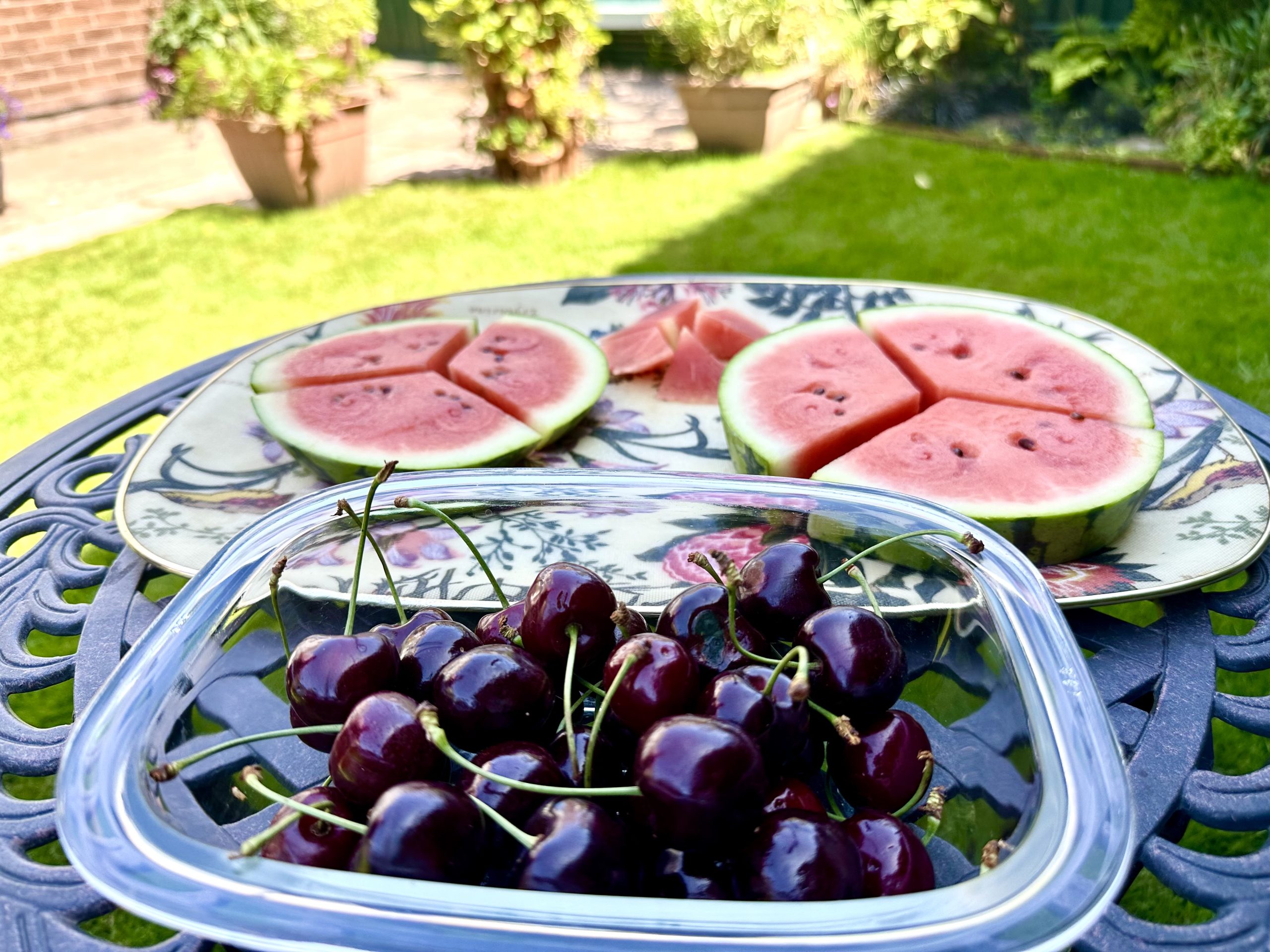
Watermelon is arguably the star of the season — around 92% water — and it brings so much more than refreshment. Research shows it supports heart health, liver health and has antioxidant, anti-inflammatory, and anti-diabetic properties. Cucumbers are similarly impressive, sitting at over 95% water content, making them one of the most hydrating foods you can eat.

Then there are tomatoes, which are the richest dietary source of lycopene — a powerful antioxidant linked to reduced risk of heart disease and cancer. Peaches bring antioxidant and anti-inflammatory benefits in every bite, while mangoes deliver soluble fibre, vitamins, minerals, and antioxidants in one of summer’s most vibrant packages.

Cherries and blackberries are both rich in polyphenols — plant compounds that support immunity, reduce fatigue, and may offer protection against diabetes and inflammatory conditions. Avocados, often thought of as a year-round staple, are actually a summer fruit, and they’re associated with improved gut health, better heart health, and a reduction in LDL cholesterol.

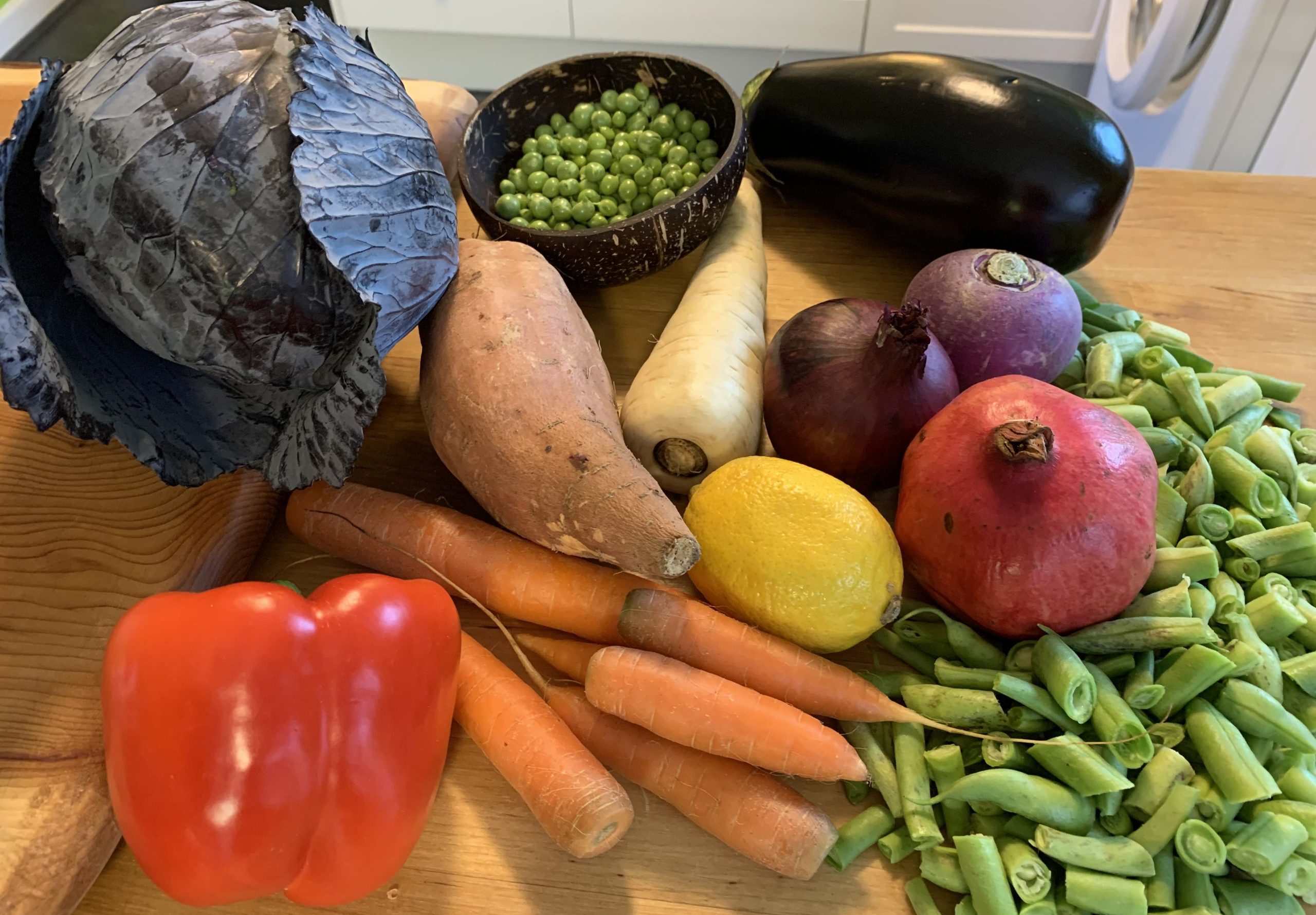
On the vegetable side, bell peppers are packed with flavonoids and polyphenols with anti-inflammatory benefits, carrots offer a powerful mix of carotenoids and polyphenols with anticancer and immune-supportive properties, and beetroot brings both antioxidant and anti-inflammatory action. These aren’t just side dishes — they’re functional foods in the truest sense.

Raw dishes that let summer shine

The best way to honour fresh seasonal produce is often the simplest — eating it raw or lightly dressed preserves the most nutrients and lets the natural flavours come through.

Here are a few ideas to inspire you:

  • A summer chopped salad with cucumber, cherry tomatoes, bell pepper, raw corn cut straight from the cob, and fresh avocado — dressed with lemon juice, olive oil, and a handful of fresh herbs. Colourful, hydrating, and deeply nourishing.
  • A watermelon and blackberry bowl with a squeeze of lime and fresh mint — as beautiful to look at as it is to eat, and naturally cooling on a warm day.
  • A rainbow crudité plate with raw carrots, cucumber slices, and bell pepper strips alongside a tahini or avocado dip — ideal for grazing through the afternoon.
  • A peach and tomato salad with basil, a drizzle of good olive oil, and a pinch of sea salt. This one surprises people every time, and it’s extraordinary when both are perfectly ripe.
  • A fresh mango and avocado salsa with red onion, lime, and coriander — wonderful as a side, on top of fish, or just scooped up with whatever’s to hand.

A simple principle to carry with you

When you eat what’s in season, you’re eating what your body actually needs for that time of year. Summer produce is hydrating, cooling, rich in antioxidants, and designed — by nature — to support you through the heat. You don’t need to overhaul your diet or follow a complicated plan. Just start with what’s freshest and most colourful, and let the season guide you.

Your plate this summer can do far more than feed you. It can hydrate you, protect you, and delight you — one seasonal mouthful at a time.

Health

Your Most Powerful Medicine


Might Already Be Outside

There is something ancient in us that already knows what the latest research is only just beginning to confirm — that the natural world is not simply a backdrop to our lives, but a living, breathing partner in our wellbeing. That feeling when you step outside is the key. You step out into a garden, a park or a woodland path and something in you just settles. Your shoulders drop. Your breath slows. Your mind softens. We tend to describe this as a bit of fresh air and a change of scene. But what if it is something far more profound — a biological conversation that has been happening between your body and the earth for thousands of years?

Science is starting to reveal just how deep that conversation goes. Some of the most compelling findings are coming from the most unexpected places — like the soil beneath your feet.

A remarkable piece of research from the University of Bristol shows how the body communicates with the brain and why a healthy immune system is important for maintaining mental health that has significant implications for how we think about nature, mood, and mental health.

The mood-lifting bacteria living in everyday soil

Researchers from the University of Bristol and University College London set out to understand why cancer patients treated with a common soil bacterium — Mycobacterium vaccae — reported notable improvements in their quality of life. What they discovered was fascinating.

When exposed to Mycobacterium vaccae, a friendly bacterium found naturally in soil, brain cells were activated to produce serotonin — the very same chemical messenger that antidepressants work to increase. The bacteria appeared to be triggering serotonin release directly, representing an entirely new mechanism compared to pharmaceutical antidepressants.

To put this simply: getting your hands in the earth, walking barefoot on grass, digging in a garden — these seemingly ordinary acts expose you to microorganisms that may, quite literally, make you feel happier.

MIND-BODY CONNECTION:
Serotonin

Serotonin, the chemical of calm, connection and confidence, is one of your most important neurotransmitters — a chemical messenger woven throughout your gut, your brain, your nerves, and your blood. It’s often called the “wellbeing molecule,” and that reputation is well earned.

Low serotonin has been linked to a wide range of difficulties including low mood, anxiety, aggression, obsessive thinking, and even physical conditions like irritable bowel syndrome and fibromyalgia. Conventional antidepressants work by preventing the brain from reabsorbing serotonin too quickly — essentially helping the body hold onto more of what it produces.

What’s extraordinary about the research findings is that Mycobacterium vaccae appeared to work differently from existing antidepressants. Rather than preventing reuptake, it appeared to increase serotonin release directly — a third, distinct pathway. Nature may have found a way in that pharmaceutical science hadn’t yet mapped.

Your immune system and your emotional life are in constant dialogue. The question is: what are we giving them to talk about? The researchers also suggested this connection helps explain why immune imbalance may make some people more vulnerable to mood disorders — because the gut-brain axis, the immune system, and our emotional states are not separate systems. They are one conversation.

NATURE ON PRESCRIPTION
What this means for how you live and how you heal

Here are some of the most accessible ways to let nature support your nervous system and your serotonin, starting today:

  • Garden or get your hands in soil – Even a few minutes of gardening, potting plants, or simply pressing your palms into earth exposes you to beneficial microorganisms and signals safety to your nervous system.
  • Forest bathing (Shinrin-yoku) – Japanese research shows that spending time among trees reduces cortisol, lowers blood pressure, and boosts natural killer cell activity. No goal, no steps to count — just presence.
  • Walk barefoot on grass or earth – Grounding (or earthing) research suggests that direct skin contact with the earth supports regulation of the autonomic nervous system. It also exposes you to soil microbiota through skin contact.
  • Tend something living – A houseplant, a window box, a herb garden on your kitchen sill. The act of caring for a living thing activates nurturing neural pathways and keeps you in a gentle, present-moment awareness.
  • Sit near water – The sound of flowing water has measurable effects on brainwave activity, shifting us toward alpha waves associated with calm, creative, and meditative states.
  • Morning light, every day – Sunlight exposure within the first hour of waking supports serotonin production and helps regulate your circadian rhythm — the foundation of mood, energy, and sleep quality.

THE BIGGER PICTURE
We are one with nature

There is a thread running through the most compelling wellbeing research of our time: the body knows things the rational mind has forgotten. It knows how to heal. It knows how to regulate. It knows how to come back to balance — and it does this most naturally when we give it the conditions it was designed for.

The soil bacteria research is one beautiful example of how our biology is literally wired for nature connection. Our immune systems, our gut microbiomes, our nervous systems — they evolved over hundreds of thousands of years in constant contact with the natural world. The modern epidemic of anxiety, low mood, and chronic stress may, in part, be a reflection of how far we have drifted from that contact.

This doesn’t mean nature replaces professional care. What it does mean is that stepping outside, putting your hands in soil, watching the light change through the leaves — these are not small or trivial acts. They are acts of deep biological intelligence. They are, in the most literal sense, medicine.

Perhaps the most powerful prescription has always been the one we can fill for free — in any garden, park, or patch of living earth we can find.

ABOUT THE AUTHOR


Narina Riskowitz is a Complementary Therapist (MSc Positive Pyschology, Derby University). She has worked
with numerous clients in her 20+ years of practising and is also trained in Time Line Therapy, Hypnotherapy and
Reiki Energy.

Learn more about Narina’s work here → https://www.brightfuturenow.co.uk/about-us/

Food

You Are What You Eat


And So Is Your Mind

A growing body of science is rewriting the relationship between what’s on your plate and your mental health. Here’s what researchers are discovering, and what it means for all of us.

Key Findings

  • Diets rich in fruits, vegetables, and minimally processed foods are consistently linked to improved mood, lower depression risk, and reduced psychological distress.
  • Dietary interventions, including nutritional counselling and broad-spectrum supplements, provide the strongest experimental evidence yet for nutrition’s direct role in mental health.
  • The gut microbiome is emerging as a critical pathway connecting food choices to brain chemistry, immune function, and even ADHD symptoms in children.
  • Real-world programs in prisons, schools and workplaces are already using nutritional interventions to improve behaviour and focus.

For decades, the connection between food and mood was dismissed as folk wisdom. Eat your greens to feel better? Comfort food for the blues? Nice ideas at best. That is changing rapidly. A new generation of researchers is building a rigorous, evidence-based case that what we eat shapes not just our waistline, but our thoughts, our emotions, and our mental health outcomes in measurable, significant ways.

The study field is called nutritional psychiatry, and its findings are beginning to ripple outward from research labs into clinical guidelines, hospital programs, schools, and prisons around the world.

The Ultra-Processed Problem

Start with a sobering statistic. More than half of all calories consumed by American adults — and over 60% consumed by children and teenagers — come from ultra-processed foods: highly engineered products built mostly from refined ingredients and chemical additives. These are not simply “unhealthy” in the traditional sense of too much fat or sugar. They are nutritionally hollow in ways that appear to have real consequences for the brain.

Meta-analysis of clinical trials consistently show that diets high in ultra-processed foods increase the risk of depression, while Mediterranean-style eating patterns – emphasising whole grains, legumes, fish, olive oil, and abundant vegetables – reduce both symptoms and risk. The World Health Organisation has incorporated unhealthy diet as a recognised mental health risk factor, in large part due to research by Australian epidemiologist Felice Jacka and her team at Deakin University’s Food & Mood Centre.

How Food Talks to Your Brain

The mechanisms are becoming clearer. The vitamins and minerals in whole foods act as essential cofactors for enzymes throughout the body, including those that produce the brain’s neurotransmitters. Take iron: it’s required to convert the amino acid tyrosine into dopamine. When iron levels drop, so can dopamine, and with it, concentration and motivation. Deficiency isn’t dramatic. It can be quiet, cumulative, and easily overlooked.

Then there is the gut-brain axis – perhaps the most exciting frontier in the field. The gut microbiome, the vast ecosystem of bacteria living in our digestive tract, communicates with the brain through immune, metabolic, and neural pathways. A diverse, plant-rich diet feeds beneficial gut bacteria. Polyphenols, the chemicals found in colourful plants, are a key fuel. Gut health researcher Tim Spector of King’s College London suggests aiming for around 30 different plants per week, a count that includes fruits, vegetables, whole grains, nuts, and spices.

Foods Linked to Better Mental Health Outcomes

  • Oily fish (omega-3 rich)
  • Leafy green vegetables
  • Fermented foods & probiotics
  • Legumes & whole grains
  • Berries & colorful produce
  • Nuts & seeds
  • Olive oil & healthy fats
  • A wide variety of plants (30+ per week)

New research from the Food & Mood Centre found that women who consumed a daily serving of fermented dairy with probiotic bacteria showed increased volume in the hippocampus – a brain region central to memory and mood – and greater connectivity between the hippocampus and the frontal lobe. These changes correlated with a rise in probiotic gut bacteria, offering a striking direct line between what someone ate and measurable shifts in brain structure.

Depression, Diet & Hard Evidence

The most robust experimental proof for nutrition’s role in mental health comes from dietary intervention studies targeting depression. The landmark SMILES trial, led by Jacka’s team, enrolled adults with moderate to severe major depressive disorder and split them into two groups: one received nutritional counseling over 12 weeks; the other received social support on the same schedule. The nutritional counseling group showed significantly greater improvement in symptoms – and a substantially higher rate of full remission.

Meta-analysis pooling data from multiple randomised controlled trials confirm the pattern: dietary improvement reduces depressive symptoms. The effect is real, measurable, and clinically meaningful.

What This Means for You

The practical message from the science is refreshingly simple: eat a wide variety of minimally processed whole foods, prioritise plants, and consider that every meal is, in a real sense, a message sent to your brain. You don’t need to follow a specific named diet or count polyphenols. You need variety, quality, and an awareness that the gut and the mind are one connected system.

Sources include work from the Food & Mood Centre, University of Canterbury, Stanford Metabolic Psychiatry Clinic, and the Center for Nutritional Psychology

Health

Growing Your Own with Love

The Garden-to-table Joy

The simple joy of stepping outside, scissors in hand, and picking only what you need – perfectly fresh, perfectly healthy, perfectly flavourful. We have a small kitchen garden. You don’t need a farm, just a few pots, some sunshine, and the desire to grow your own and eat well.

Pick a stem, not a bunch

One of the quiet pleasures of growing your own is the freedom to harvest on your own terms. Need just two stalks of celery for a lunchtime salad? Walk out and snip them. No limp supermarket bunches sitting in the fridge, going to waste by Thursday.

This morning I gathered a small harvest: tender spinach leaves still cool from the night, a handful of celery tops, fresh flat-leaf parsley, and a few sprigs of oregano. From garden to cutting board in under two minutes.

Fresh-picked spinach, celery, parsley and oregano laid on a wooden cutting board

A salad you can’t buy

Spinach leaves straight from the plant. Celery leaves adding a most flavourful crunch. Perfect for a quick and delicious salad. A scatter of freshly picked parsley over the top.

You simply cannot replicate this level of freshness from a supermarket shelf. The flavour is brighter. The leaves are alive. And there’s something deeply satisfying about eating something you tended yourself.

A fresh garden salad with tomatoes, olives, white cheese, and fresh herbs on a white plate

Fresh bunches of parsley, mint, marjoram and celery leaves on a cutting board with a lemon

Homegrown herbs are in a different league

Shop-bought herbs are often picked days or weeks before they reach your kitchen. They’ve travelled, been chilled, and lost a good share of their essential oils + the very thing that gives them flavour and fragrance.

Cut from your garden minutes before cooking? Entirely different. The aroma fills the room the moment the knife touches them. A few sprigs do the work of a whole supermarket pack. I like growing what grows easily and abundantly:

  • Flat-leaf Parsley
  • Fresh Mint
  • Marjoram
  • Celery Tops
  • Thyme
  • Oregano.

Vibrant tabouleh salad in a glass bowl with bulgur wheat, pomegranate, tomato, cucumber, feta and fresh herbs

Garden Tabouleh — alive with flavour

For dinner, a tabouleh that practically hums with freshness. Bulgur wheat with a generous hand of the garden harvest: mint, marjoram, celery leaves and parsley — all cut moments before going in. Pomegranate seeds for jewel-like bursts of sweetness. Cool cucumber. Ripe tomato. A crumble of feta. Dressed simply with olive oil and lemon.

The difference homegrown herbs make to a dish like this is remarkable. The mint is intensely aromatic. The parsley is bright and flavourful. Together they lift every mouthful. No amount of dried herbs from a jar can come close.

You don’t need much space to change how you eat

A few pots on a windowsill. A small raised bed. Even a single herb planted in the garden corner. Grow what you love to eat, harvest only what you need, and discover what food is supposed to taste like. Besides the richer flavours, eating fresh offer health benefits such as antioxidants, a range of vitamins and polyphenols. The aromas of the food preparation is an uplifting joy in itself.

Food

The Healing Garden:
 Fresh Herbs & Your Health

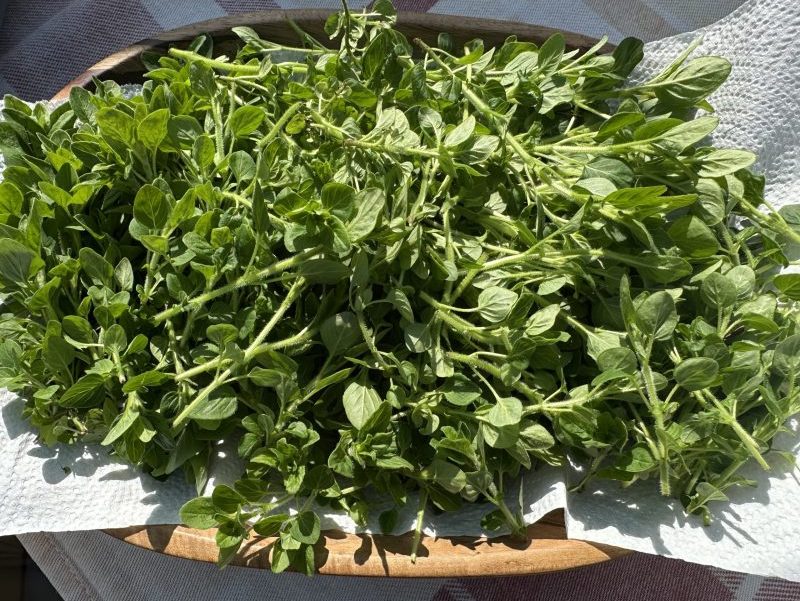
Drying origanum now ensures a good supply all year

Your garden holds one of nature’s finest medicine cabinets. Long before supplements lined pharmacy shelves, cooks and healers alike turned to the humble herb patch — and modern science is catching up with what they always knew.

More Than Just Flavour

A growing body of research reveals that the everyday herbs growing just outside your back door — parsley, rosemary, thyme, sage — deserve far more credit than they typically receive.

Herbs are, at their simplest, leafy greens. And like all leafy greens, they carry genuine nutritional value. Even used in small culinary quantities, they deliver a meaningful dose of antioxidant compounds — molecules that neutralise harmful free radicals in the body, protecting cells and DNA from oxidative stress and damage.

Scientists have identified hundreds of bioactive plant compounds in common culinary herbs. Many of these have been shown in studies to carry anti-inflammatory effects, and some show promise in protecting against serious conditions including certain cancers, heart disease and cognitive decline.

You can think of herbs as vegetables — in terms of their potential health benefits, they’re leafy greens loaded with nutrients, antioxidants and compounds that actively support your wellbeing.

Easy Herbs to Grow at Home

The good news is that the most health-supportive herbs are also among the easiest to grow. Whether you have a sprawling garden bed or a sunny kitchen windowsill, these six herbs are wonderfully forgiving and enormously rewarding.

Parsley: Rich in vitamins K, C, and A. Anti-inflammatory and supports bone health. Grows readily from seed in containers or beds.

Rosemary: Contains rosmarinic acid, linked to improved memory and reduced inflammation. A hardy perennial that thrives in full sun.

Thyme: A natural antimicrobial with compounds that may support respiratory health. Drought-tolerant and low-maintenance.

Sage: Traditionally used to support digestion and memory. Thrives in well-drained soil with minimal fuss.

Basil: Packed with anti-inflammatory flavonoids. A summer favourite that loves warmth and rewards frequent harvesting.

Chives: Members of the allium family, like garlic and onion, with compounds linked to heart and immune health. Grows prolifically.

Spring: When Fresh is Best

Spring is one of the most joyful times in the herb garden. Many perennial herbs — rosemary, thyme, chives, and sage — burst back to life after winter, offering their most tender and flavourful growth of the year. This fresh spring regrowth is also when concentration of beneficial plant compounds tends to be at its peak.

Incorporating fresh herbs into meals is one of the simplest and most pleasurable ways to boost your nutritional intake. Scatter a handful of freshly snipped parsley over roasted vegetables, tuck basil leaves into a salad, or muddle fresh mint into a glass of water. Even these small additions accumulate meaningful health benefits over time.

There’s also something deeply grounding about stepping into the garden in the morning, snipping a few sprigs still damp with dew, and folding them into your breakfast eggs or evening pasta. It’s a ritual that connects cooking to the living world — and your body notices the difference.

Drying Herbs for the Months Ahead

The abundance of summer and early autumn is the perfect time to preserve herbs for year-round cooking. Drying is the oldest and most straightforward method, requiring nothing more than a warm, well-ventilated space and a little patience.

HOW TO DRY HERBS AT HOME

  • Harvest in the morning, after dew has dried but before the heat of the day sets in.
  • Bundle stems loosely with twine and hang upside down in a dry, airy spot out of direct sunlight.
  • Most herbs dry fully within one to three weeks depending on moisture content.
  • Robust herbs like rosemary, thyme and sage retain excellent flavour when dried.
  • Store in airtight glass jars, away from heat and light, for up to a year.
  • Crumble dried herbs just before use to release their aromatic oils.

Dried herbs are more concentrated than fresh — generally a ratio of one teaspoon dried to one tablespoon fresh — meaning even a pinch carries genuine potency. A jar of home-dried rosemary or sage on your kitchen shelf is, in its quiet way, a little store of health waiting to be used.

Whether you reach for them fresh in Spring or crumble a dried sprig into a winter stew, herbs offer one of the most accessible, delicious, and time-honoured ways to nourish your body. The healing garden, it turns out, has always been closer than we thought.