

Food

January Food Wisdom

Nourishment, Comfort & Gentle Resets for Body and Mood

January often arrives carrying messages of reset, restrict, detox and start again. Yet winter itself tells a very different story. In nature, this is a season of rest, warmth, conservation and quiet strengthening.

True January wellness isn’t about extremes. It’s about nourishing comforts, seasonal wisdom, immune resilience and supporting both body and mood gently through the darkest weeks of the year. This is a month to eat in a way that feels steady, kind and sustaining.

Focus on Nourishment rather than Restriction in the Extreme

In winter, the body naturally craves warmth, regular meals and grounding foods. Extreme cleanses, fasting, or overly cold and raw diets can increase fatigue, cravings, low mood and immune vulnerability, especially after the busy holiday season.

Rather than asking “How can I undo December?”, January invites a gentler question: “How can I nourish myself back into balance?” A healthy reset in winter comes from adding nourishment, rather than taking it away.

The Healing Role of Comfort Foods

Comfort foods get an unfair reputation in January. Yet warmth, familiarity and satisfaction are not indulgences, they are regulating. Warming foods support digestion, circulation and nervous system safety, all of which are essential during cold, dark months.

Think:

  • soups, stews, and broths
  • slow-cooked meals
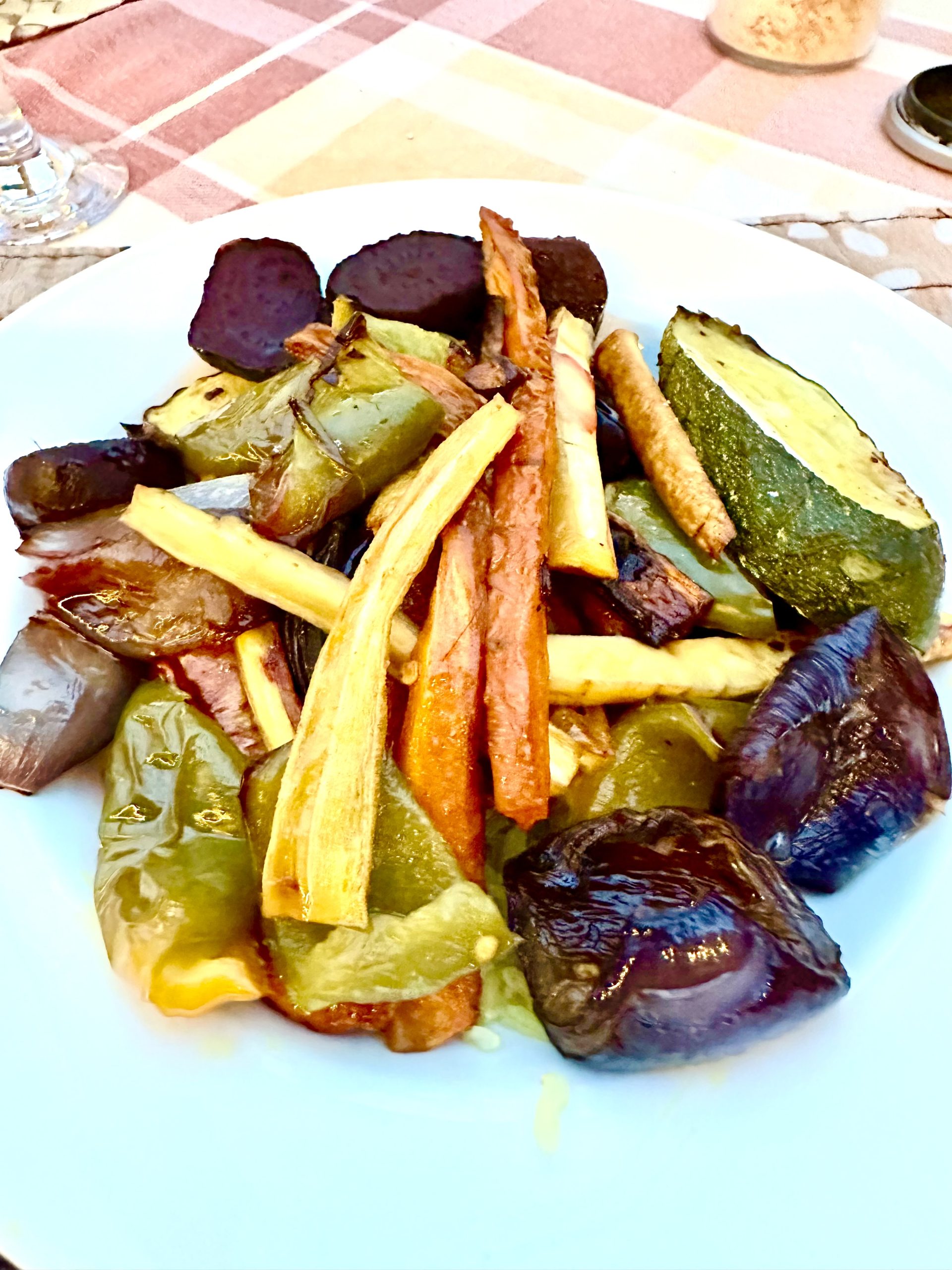
  • roasted vegetables
  • porridges, oats and warming breakfasts
  • spices like ginger, cinnamon, turmeric, cayenne and cloves.

These foods help the body feel grounded and supported, creating the conditions for sustainable health rather than willpower-driven eating.

Winter Produce as Natural Medicine

Seasonal winter foods are uniquely suited to January’s needs: rich in minerals, fibre and immune-supportive compounds.

Winter Staples to Embrace include:

  • Root vegetables: carrots, parsnips, beets, turnips, sweet potatoes
  • Squashes: butternut, pumpkin, acorn
  • Alliums: garlic, onions, leeks (natural immune allies)
  • Dark leafy greens: kale, chard, cabbage
  • Citrus fruits: oranges, lemons, grapefruits for brightness and vitamin C
  • Fermented foods: sauerkraut, kimchi, miso to support gut health.

Eating with the season is one of the simplest ways to support energy, digestion and immunity without rigid rules.

Mood Foods for Emotional Wellbeing

The January blues are often a biological and environmental response to reduced daylight, colder weather and post-holiday depletion. Food can gently support mood by stabilising blood sugar and nourishing the brain and nervous system.

Helpful mood-supportive foods include:

  • Complex carbohydrates (root vegetables, oats, squash) to support serotonin
  • Healthy fats (olive oil, nuts, seeds, avocado) for brain health
  • Omega 3 and vitamin D-rich foods like oily fish, eggs and fortified products for immune resilience, energy and uplifted mood.
  • Protein and fibre that keep you feeling full and satisfied, preventing energy crashes and unhealthy snacking. Sources include lean meats, fish, eggs, beans, lentils and nuts.
  • Magnesium-rich foods (leafy greens, beans, cacao) to support calm and ease tension.

Warm, satisfying meals also send a powerful signal of safety and care to the body, essential for emotional well-being.

A Gentle January Reset That Actually Lasts

Rather than a punishing, rigid regime, a healthy January reset may look like:

  • eating regular, balanced meals
  • cooking more warming foods at home
  • adding nourishment before removing anything
  • reducing ultra-processed foods
  • listening to hunger, fullness and energy cues.

These small, steady shifts support metabolism, immunity and mood without triggering the cycle of restriction and rebound.

January Nourishment Is an Act of Self-Respect

Food wisdom in January is about care rather than control. When we choose foods that warm the body, stabilise mood, strengthen immunity and comfort the nervous system, we lay the foundation for health that unfolds naturally over the year ahead.

Health

Winter Wisdom

What Japanese Philosophy Teaches Us About Stillness, Simplicity and the Quiet Season
Winter is a season of depth. In Japanese culture, winter is honoured as a time of refinement, inner listening and quiet strength. Rather than resisting the cold or the slowing of life, winter invites us to turn inward, to strip away excess and to reconnect with what is essential. Here we explore some timeless Japanese concepts that offer gentle guidance for living winter with presence, clarity and grace.

Wabi-Sabi: Finding Beauty in the Quiet and Imperfect

Wabi-sabi is the art of appreciating impermanence, simplicity and imperfection. In winter, wabi-sabi lives in:

  • bare branches against a grey sky
  • frost on old wood
  • the silence of early mornings
  • cracks in ice that remind us nothing lasts forever.

Winter shows us that beauty does not need to be lush or loud. It can be muted, minimal, incomplete and still deeply moving. Wabi-sabi invites us to soften our expectations of ourselves during this season, to accept slower days, lower energy and unfinished moments without judgment.

Seijaku: The Power of Sacred Stillness

Seijaku refers to inner calm; a deep stillness that exists beneath the noise of the world. Winter naturally cultivates seijaku. The land rests. Sounds soften. Life pauses between breaths. Rather than filling the quiet, Japanese wisdom encourages us to listen to it. In seijaku, we learn that stillness is not emptiness; it is presence without distraction. It is where insight emerges, where emotions settle and where the nervous system finds repair. Winter asks: Can you allow stillness to hold you, rather than rushing to escape it?

Shinrin-yoku: Forest Bathing in Winter’s Embrace

Shinrin-yoku, or forest bathing, is the practice of immersing oneself in nature; not so much for exercise, rather to receive. Winter forests offer a different medicine:

  • quieter trails
  • sharper air
  • heightened awareness
  • deeper introspection.

Without leaves and color, the senses sharpen. You notice textures, breath, subtle movement and the rhythm of your own body. In winter, nature does not disappear; it simplifies. In that simplicity, we remember how to be. Even a short winter walk becomes a ritual of grounding, clarity and connection.

Mushin: A Clear Mind, an Open Heart

Mushin translates to “no-mind” – a state of mental clarity, free from attachment, overthinking and inner resistance. Winter naturally supports mushin. There is less external stimulation, fewer demands and more space between moments. In mushin, we stop forcing answers. We allow feelings to move without judgment. We trust what arises with openness, without needing to control it. An open heart. A quiet mind. A willingness to meet life as it is.

Ma: Honouring the Space Between

Ma is the sacred pause, the space between things. Winter is Ma embodied. It is the space between years, between growth cycles, between who we were and who we are becoming. Ma reminds us that meaning can be found as much in action as in rest, silence and intervals of non-doing. When we honour Ma, we stop rushing transitions and allow integration to happen naturally

Kanso: Simplicity as Nourishment

Kanso emphasizes simplicity and the removal of excess. Winter calls for this naturally:

  • simpler routines
  • quieter schedules
  • fewer social obligations
  • warmer, more grounding choices.

Kanso teaches that clarity emerges when life is quiet. Simplicity becomes a form of care.

Winter as a Teacher

Japanese winter wisdom reminds us that nature doesn’t bloom year-round.

It asks us to:

  • rest without guilt
  • simplify without fear
  • feel without rushing
  • listen without fixing
  • be without striving.

Winter is not a season to overcome. It is a season to be with. In the stillness, something ancient awakens:

  • a quieter strength,
  • a gentler clarity,
  • a deeper connection to self.

And when Spring arrives, it does so from patience, presence and trust.

Food

Recovering the Lost Art of Home Cooking

Rekindling Nourishment This Christmas

In a world that moves fast, scrolls screens and delivers meals to our door in minutes, home cooking has quietly become a lost art. We still enjoy our food, we’ve just become disconnected from the slow, sensory magic of preparing it.

This Christmas, let us return to the kitchen – not with pressure, perfectionism, but with simplicity, presence and nourishment. Home-cooked meals don’t need to be elaborate to be healing. And that fruits and vegetables – nature’s most vibrant medicines – are powerful allies in grounding, nourishing and reconnecting us to true wellbeing. This season is the perfect time to rekindle a gentle, joyful relationship with cooking.

Why Home Cooking Matters for Wellness

Home cooking is about wellness, ritual and connection. When you cook, you naturally:

  • slow down
  • tune into your senses
  • return to the present moment
  • reconnect with your body’s needs
  • nourish yourself and others on a deeper level.

Cooking becomes an act of grounding, a way to settle the nervous system and create warmth in both the home and the heart. In winter especially, when your body craves comfort and your mind needs ease, simple homemade meals can support immunity, improve digestion and lift your mood.

A Return to Simplicity in the Kitchen

The biggest misconception about home cooking is that it has to be time-consuming or complicated. The truth is: simple food is healing food.

This Christmas, embrace minimalism in the kitchen:

  • a handful of fresh vegetables roasted with olive oil
  • a warm fruit compote simmered with cinnamon
  • hearty soups that take 10 minutes of chopping and do the rest on their own
  • colorful salads layered with citrus, pomegranates, nuts, or herbs.

These dishes don’t require advanced skills – just a willingness to be intentional. Simplicity also invites creativity. Start with what’s fresh, seasonal and available.

Let Fruits and Vegetables Be the Stars

Fruits and vegetables are nature’s wellness gifts. They hold the very nourishment that helps us stay energised, balanced and resilient. Bring them back to the centre of your Christmas meals:

1. Winter Fruits for Comfort and Vitamin Boosts

Citrus, apples, pears, pomegranates, cranberries – these fruits help support immunity, offer antioxidants and bring colour to festive plates.

Enjoy:

  • sliced oranges drizzled with honey and cinnamon
  • warm baked apples stuffed with nuts and dried berries
  • a festive fruit platter with mint and dark chocolate shavings.

2. Seasonal Vegetables for Warmth and Grounding

Root vegetables, squash, leafy greens and cruciferous veggies provide steady energy, fibre and deep nourishment.

Enjoy:

  • roasted carrots and parsnips
  • creamy butternut squash soup
  • sautéed Brussels sprouts with lemon and garlic
  • kale salad with cranberry vinaigrette.

When fruits and vegetables become the foundation of your meals, everything feels brighter, healthier and more vibrant, enhancing joy and comfort.

Bringing the Heart Back Into the Kitchen

Rekindling the art of home cooking is about the relationship you form with the food and cooking.

This Christmas, enjoy:

  • Cooking as Ceremony

Light a candle. Play soft music. Let this be a moment to unwind, not another task on your list.

  • Savouring the Senses

Feel the textures. Smell the spices. Listen to the sizzle. Let cooking anchor you in your body.

  • Sharing the Experience

Invite a loved one to prepare food with you. Make a simple recipe with a child. Prepare a nourishing dish for someone who needs care.

  • Taking Pressure Off

This isn’t about perfection. It’s about nourishment. Use what you have. Keep it simple (the best tasting food is always the easiest to make).

The Gift of Nourishment

When you cook at home this Christmas, you’re offering yourself far more than a meal. You’re giving your body nutrients, your mind stillness and your spirit connection. You’re creating warmth from the inside out. You’re forming rituals that strengthen your wellbeing long after the holidays end.

This season, let the kitchen become a place of healing again. Let fruits and vegetables bring colour, vitality and balance to your table. And let simplicity guide you into a renewed, heartfelt relationship with nourishment. Because the most meaningful gifts are often the ones we create with our own hands.

Mindfulness

Finding the Magic in Winter

Reconnecting With Nature’s Quiet Wisdom

Winter can be a challenging season. We’re conditioned to perceive it as cold, harsh or stagnant. But when we soften into it mindfully, winter can reveal its unique quiet, potent magic. Winter invites us to slow down, look inward and reconnect with nature in ways that are subtle, intimate and deeply restorative. Instead of pushing against the cold or longing for spring, we can choose to lean into the rhythm of the season and let it support our wellbeing.

Here we explore ways to find the magic in winter by reconnecting with the natural world around you.

1. Let the Quiet Become Your Sanctuary

Winter hushes the world. Snow absorbs sound. Bare trees soften the landscape. There’s a natural stillness that encourages us to pause. Spending even a few moments outside, breathing into a cold morning, listening to the sound of the breeze, can create space for clarity, grounding and emotional reset. Nature’s quiet becomes a mirror for your own inner quiet.

Mindfully step outside at dawn or dusk. Notice what you hear. Notice the quiet. Let the silence settle your system.

2. Connect With the Elements You Can Feel

Winter invites a more tactile relationship with nature. Feel the crisp air on your cheeks. Notice the way your breath clouds in the morning light. Watch frost forming delicate patterns on the window. These small moments awaken your senses and bring you fully into your body.

There’s magic in how the world changes texture this time of year – sharper, brighter, cleaner, slower. Let yourself be touched by the season.

3. Follow the Seasonal Light

Winter light is its own kind of medicine as it glows low, golden and soft. It stretches long shadows and turns even mundane landscapes into something poetic. Take slow walks during the short daylight hours and notice how the light shifts through the trees, across rooftops or over snow. Let the gentle glow be a reminder that illumination still exists, even in the darkest months.

4. Observe Nature’s Rest and Honour Your Own

Look around: trees release their leaves, animals retreat to burrows, plants go dormant. Everything is resting, conserving, regenerating. Winter gives us permission to do the same. Instead of seeing rest as laziness or inactivity, see it as nature’s wisdom. A necessary part of the cycle. A preparation for growth. A nourishment beneath the surface. Your body and mind crave this seasonal pause. Honour it.

5. Seek the Small, Hidden Signs of Life

Even in winter’s stillness, the earth is never truly asleep. There is subtle life everywhere:

  • buds forming on bare branches
  • birds adapting their songs
  • the tracks of animals in fresh snow
  • moss staying vibrant green
  • winter berries adding spots of colour.

When you start looking for these small signs, you reconnect with nature’s resilience, and so your own. These are tiny reminders that life continues. Light returns. Renewal is inevitable.

6. Create Seasonal Rituals

Magic grows in ritual. Light a candle at sunset to honour the early darkness. Brew tea from leaves, herbs and spices like ginger and cinnamon. Sit near a window and watch the weather shift. Keep a winter journal where you record what you observe outdoors. These rituals reconnect you with the rhythm of the earth, helping your nervous system feel synced, safe and supported.

7. Let Winter Slow You and Teach You

Winter is the season of introspection. The season that teaches us:

  • how to be still
  • how to listen
  • how to trust the unseen
  • how to slow down and restore ourselves
  • how to let the inner world matter just as much as the outer.

Winter magic is not loud or showy. It’s subtle, quiet and deeply felt. It asks us to be present, to soften, to slow down and to notice the beauty in the barren.

Finding Wonder in the Wintering

When you allow yourself to connect with nature during winter, you reconnect with your own essence. You remember that your life, like the seasons, has cycles of expansion and contraction, movement and stillness, light and shadow.

Winter is a void, a vessel for transformation, a space for healing, a pause before the next bloom. There is magic here for you to notice and to let in.

Magical books great for gifts:
Wintering by Katherine May
How to Winter by Kari Leibowitz

Food

Vitamin D and the Darker Months

How to Stay Healthy Through Autumn and Winter

As the days grow shorter and the sun dips lower, many of us feel a subtle shift in energy levels, mood, maybe even health. One quiet reason could be a drop in vitamin D, often called the “sunshine vitamin.” Essential for bone health, immunity and mood regulation, vitamin D becomes harder to get naturally once autumn arrives.

Why Vitamin D Levels Drop

Our skin produces vitamin D when exposed to sunlight, specifically UVB rays. But from October to March in northern regions like the UK, sunlight is too weak for our skin to make much at all. We also spend more time indoors and cover up against the cold. Because dietary sources are limited, most people experience a seasonal decline.

Research found that nearly half of the global population has insufficient vitamin D levels, with the risk much higher during winter. Severe deficiency is linked to bone weakness, immune dysfunction and increased risk of illness.

Symptoms to Watch For

Low vitamin D can be subtle at first. Common signs include:

  • Fatigue and low mood, sometimes mistaken for winter blues.
  • Muscle weakness or aches, especially in the back or legs.
  • Frequent colds or slower recovery from illness.
  • Bone pain or fragility, particularly in older adults.

If you’re unsure of your Vitamin D levels, a blood test can reveal your results.

How to Replenish Vitamin D

1. Get outside when you can. Even in cooler months, spending time outdoors supports general health and mood. Exposure to natural light aids energy levels and sleep.

2. Eat vitamin D-rich foods. Include oily fish (salmon, mackerel, sardines, trout) and eggs. UV-exposed mushrooms can also provide a plant-based boost.

3. Consider a supplement. The UK’s NHS recommends adults take 10 micrograms (400 IU) daily from October to March. Those with darker skin, limited sun exposure or health conditions affecting absorption may need higher doses, ideally guided by a healthcare professional.

4. Support absorption naturally. Ensure you’re getting enough magnesium and vitamin K2, both of which help your body use vitamin D effectively. Regular movement and weight-bearing exercise also support bone and muscle health.

A Seasonal Wellness Habit

Think of vitamin D care as part of your autumn and winter rhythm — a gentle self-care ritual for your immune system, bones and mood. By stepping outdoors, eating well and supplementing wisely, you’ll carry your energy and resilience through the darker months and into spring with strength and balance.

Nature

Longevity Through Nature Connection

While we still enjoy autumn in the northern hemisphere, the world around us takes on magical colours and smells. Autumn invites us to slow down, reflect and reconnect. Nature is a vital part of our health and longevity as can be seen among several cultures across the world. The Danish as example, have come out tops for longevity and we can learn a lot from them about how they celebrate the healing power of nature, especially as the seasons turn.

The Danish Way: Hygge and Friluftsliv

In Denmark, as temperatures drop and days grow shorter, people don’t retreat indoors entirely – they embrace the change. The Danish concept of friluftsliv (literally “open-air life”) encourages spending time outdoors year-round, finding joy in simplicity and fresh air. Whether it’s cycling to work through crisp morning fog, gathering for bonfire evenings, or walking in golden forests, the Danes know that regular contact with nature nurtures both body and soul.

Combined with hygge, the art of cozy connection, the Danes strike a beautiful balance – venturing out to breathe in the cool autumn air, then returning home to warmth, candlelight, and good company. This rhythm between outer and inner worlds creates resilience, happiness and a deep sense of belonging.

The Japanese Approach: Shinrin-Yoku and Wabi-sabi

The Japanese also have a nature-centred way of living that supports longevity, for example shinrin-yoku, or forest bathing. This mindful practice invites people to immerse themselves in the forest atmosphere, to walk slowly, breathe deeply and engage the senses fully.

Science backs what tradition has long known: spending time in nature reduces stress hormones, lowers blood pressure, strengthens immunity, and improves mental clarity.

Autumn, in Japan, is particularly special – a time of momijigari, or “red leaf viewing.” Families and friends travel to admire the fiery beauty of changing leaves, celebrating wabi-sabi, the appreciation of impermanence and the natural cycle of life. This seasonal mindfulness helps cultivate gratitude and peace – qualities that profoundly support longevity.

Why Autumn Is the Perfect Time to Reconnect

Autumn’s quieter energy invites reflection and renewal. It’s a season that mirrors midlife – rich, colorful, yet fleeting. Getting outside during these months isn’t just about exercise; it’s about syncing with the natural rhythm of letting go and preparing for rest.

Spending time in nature during autumn can:

  • Support immune health as the seasons shift
  • Improve sleep and mood through exposure to natural light
  • Encourage mindfulness through sensory experiences — the crunch of leaves, the smell of wood smoke, the feeling of cool air
  • Foster community through shared outdoor rituals

Simple Ways to Bring Nature Into Your Autumn Routine

  1. Take mindful walks – leave your phone behind and notice textures, colors, and scents.
  2. Gather around firelight – whether it’s candles, a fire pit, or a wood stove, invite others to share warmth and conversation.
  3. Bring the outdoors in – decorate with autumn leaves, branches, or pinecones; open windows for fresh air.
  4. Practice gratitude – reflect on what you’re ready to release, just as the trees let go of their leaves.
  5. Try a “mini forest bath” – spend 15 minutes in your local park, breathing deeply and observing without judgment.

Autumn is a special time to slow down, breathe and find beauty in change. So, maximise the season, wrap up, step outside and let nature remind you that life, like the turning leaves, is always renewing itself.