Food

Clearer Vision, Healthier Life

How to Care for Your Eyes Naturally

Modern life isn’t kind to our eyes. Hours spent indoors under artificial light, constant screen time and lengthy scrolling all take their toll. It’s no surprise that short-sightedness (myopia) is on the rise worldwide, with estimates suggesting that by 2050, half of the global population will need some form of corrective lenses. But here’s the good news: experts like neuro-optometrist Dr Bryce Appelbaum believe that, with the right lifestyle changes, vision exercises and a little time outdoors, we can protect and even improve our eyesight at any age.

Vision vs Eyesight

Many people think of eyesight simply as how clearly they can see. But vision is broader; it’s how the brain interprets, organises and responds to what our eyes take in. Strain, blurry vision, headaches and brain fog are often signs of a stressed eye-brain system. When overloaded with screen use and indoor living, this system struggles. Supporting vision health means supporting overall brain health, balance, attention and even emotional wellbeing.

Train Your Eyes, Strengthen Your Focus

Dr. Appelbaum suggests simple habits can protect your eyes from strain and slow age-related decline:

  • The 20-20-20 Rule: Every 20 minutes, take 20 seconds to look at something 20 feet away – ideally a tree, the horizon or anything outdoors.
  • Eye “push-ups”: Shift your focus from something close (like your finger) to something distant, holding each for five seconds. This builds flexibility in the focusing muscles.
  • Eye stretches: Move your gaze up, down, left, right to keep muscles working smoothly. These micro-movements, much like stretches for the body, strengthen stamina and help delay the need for stronger prescriptions.

Why Nature Is Your Eye’s Best Friend

Our visual system evolved to scan open horizons, not a tiny screen inches from our face. Time outdoors relieves “tunnel vision” and calms the nervous system. When we walk in nature, the constantly changing scenery engages both central and peripheral vision, improving balance and reducing stress. Gazing at distant hills or trees not only rests tired eyes, it also signals to the brain that you’re safe.

What to Eat for Eye Health

Nutrition plays a crucial role in maintaining clear vision and protecting eye tissues. The best foods for eye health include:

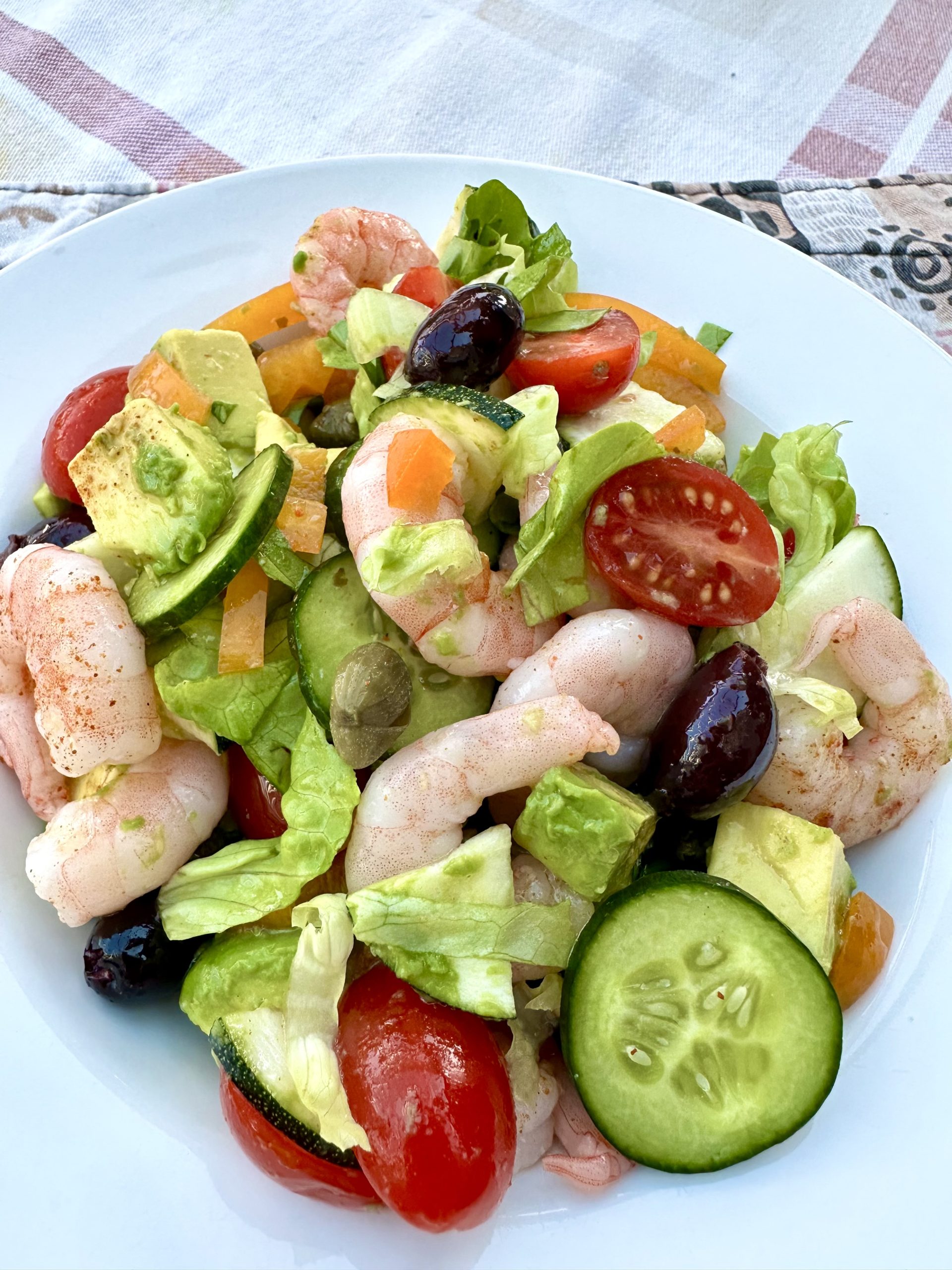
  • Leafy greens like spinach, kale and collards; packed with lutein and zeaxanthin, antioxidants that protect the retina from UV damage.
  • Egg yolks, another rich source of lutein.
  • Citrus fruits high in vitamin C, helping reduce the risk of macular degeneration.
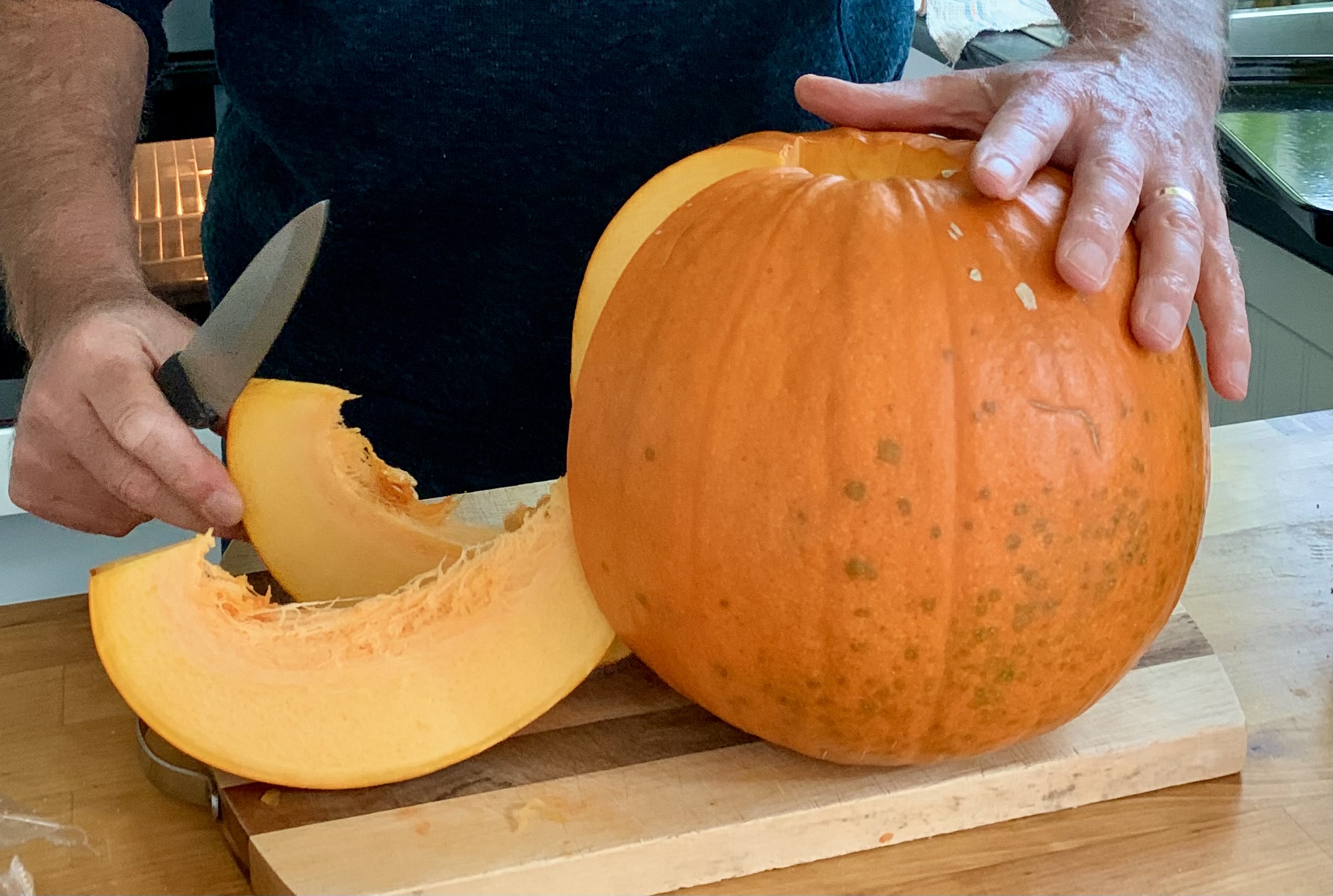
  • Carrots, sweet potatoes and squash, all high in beta-carotene (a precursor to vitamin A).
  • Oily fish like salmon, sardines and mackerel, rich in omega-3 fatty acids, which support retinal health and reduce dry eye.

Eating for eye health is the same as eating for brain health, because the two are deeply connected.

Light, Sleep and Healthy Habits

Screens before bed or first thing in the morning disrupt circadian rhythms by sending the wrong signals to the brain’s melatonin system. For better sleep (and sharper daytime focus), swap bedtime scrolling for a real book and greet the day with natural sunlight instead of blue light.

Clearer Eyes, Brighter Life

Eye health isn’t just about avoiding glasses; it’s about supporting your brain, your body and your wellbeing. By eating nutrient-rich foods, building simple vision exercises into your day and reconnecting with the natural world, you can give your eyes (and your mind) the care they deserve.

In his book, Eye Power, Dr. Appelbaum suggests, improving vision is possible at any stage of life. Sometimes, all it takes is stepping away from the screen, looking up at the sky, and letting your eyes rediscover the world in its full, vivid clarity.
Nature

The Healing Power of Nature

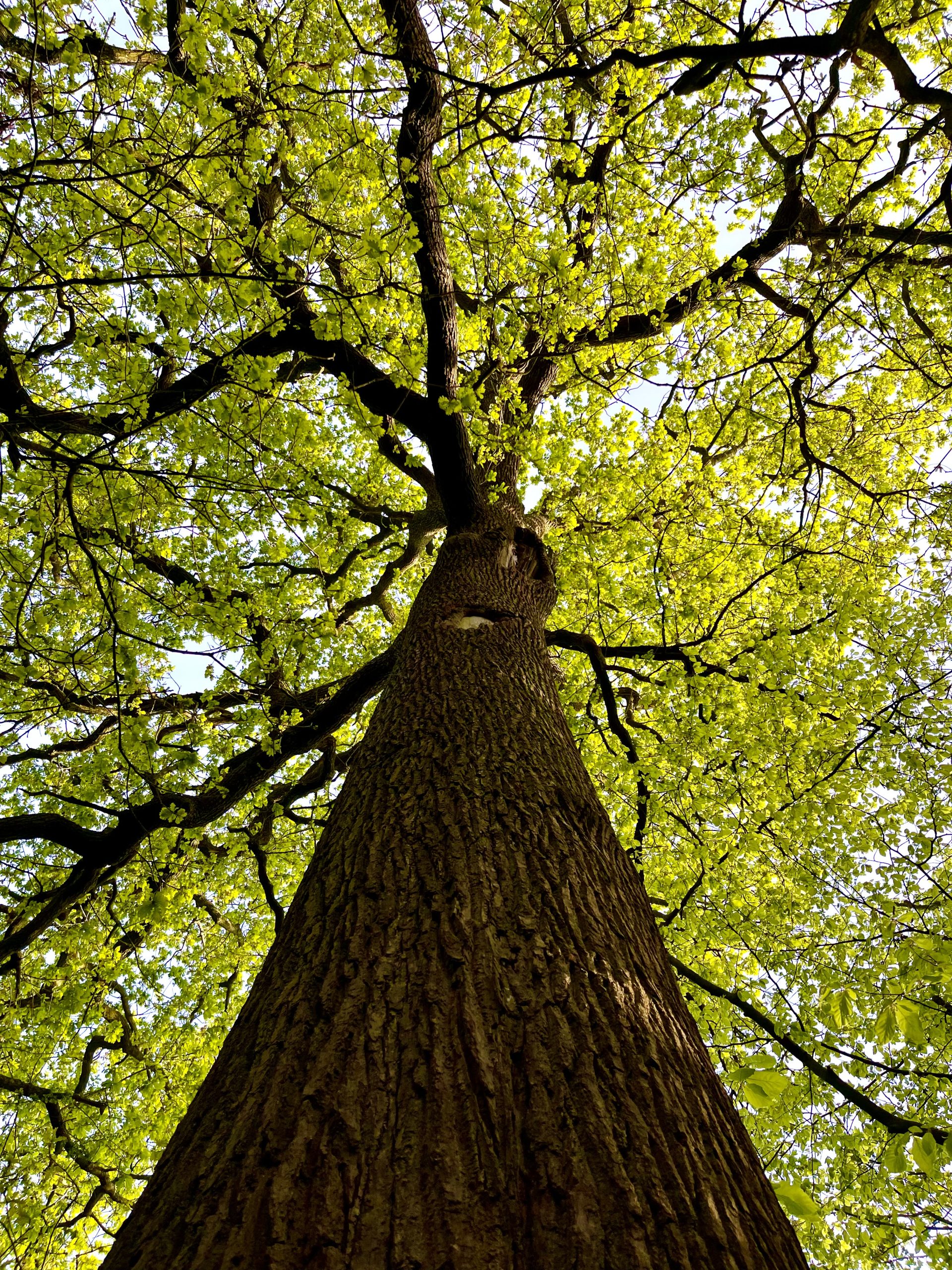
Concrete pavements, glowing screens and indoor lifestyle can keep us separated from the earth beneath our feet. Yet, something as simple as stepping barefoot on the ground and resting your hand on a tree can be profoundly therapeutic. Scientists call this practice grounding or earthing; a natural transfer of the Earth’s electrons into the body. Research suggests this simple act can reduce stress, lower inflammation, improve sleep and calm the nervous system. Trees, with their roots in the soil and branches stretching to the sky, act as powerful conduits in this process. By touching them whilst barefoot, you are aligning your own rhythms with the subtle electrical flow of nature itself. Just 15 minutes of this ancient connection can bring clarity, balance, and peace.

Forest Bathing and Nature Therapy

In Japan, this practice has evolved into a well-recognised form of natural therapy known as shinrin-yoku, or forest bathing. Doctors sometimes prescribe it to treat anxiety, fatigue and stress-related conditions. Research found that forest bathing had measurable benefits on both physiological and psychological wellbeing, including lower cortisol (the stress hormone), reduced heart rate, improved immune function and enhanced mood.

The concept is simple: immerse yourself in nature with open awareness. Breathe in the forest air, notice the play of light through the leaves, feel the textures of bark, or simply listen to birdsong. This isn’t about hiking miles, it’s about slowing down and letting nature restore you.

Nature as Medicine

In the UK, the idea of “nature on prescription” is gaining momentum. Health professionals are increasingly recommending time in green spaces as a way to manage stress, boost mood and even improve cardiovascular health. The beauty of this approach is that it’s free, accessible and without side effects, other than the joy of connection.

Modern research confirms what humans have always intuitively known: time spent in natural environments heals. Whether it’s grounding through barefoot tree connection, forest bathing or simply sitting quietly in a park, these practices help regulate the nervous system, reduce “technostress” and promote overall wellbeing.

How to Do It Yourself

  • Grounding practice: Stand barefoot on grass, soil, or sand. Place one or both hands on a tree and breathe deeply. Notice how your body feels after a few minutes.
  • Forest bathing: Spend at least 15–20 minutes in a natural environment. Walk slowly, engage your senses and allow yourself to “just be” rather than “do.”
  • Micro-doses of nature: If you can’t get to a forest, even small daily moments in green spaces, a garden, local park or riverside can bring benefits.

A Return to Wholeness

Nature doesn’t just soothe the mind, it rebalances the whole body. By touching a tree barefoot or stepping into a woodland, you are reminding your nervous system of its natural state – calm, regulated and connected.

In uncertain times, when stress and anxiety feel overwhelming, the remedy may be simpler than we think. Sometimes the most powerful prescription isn’t found in a bottle, but under your feet and in the branches above your head.

Food

The Joy of Foraging 


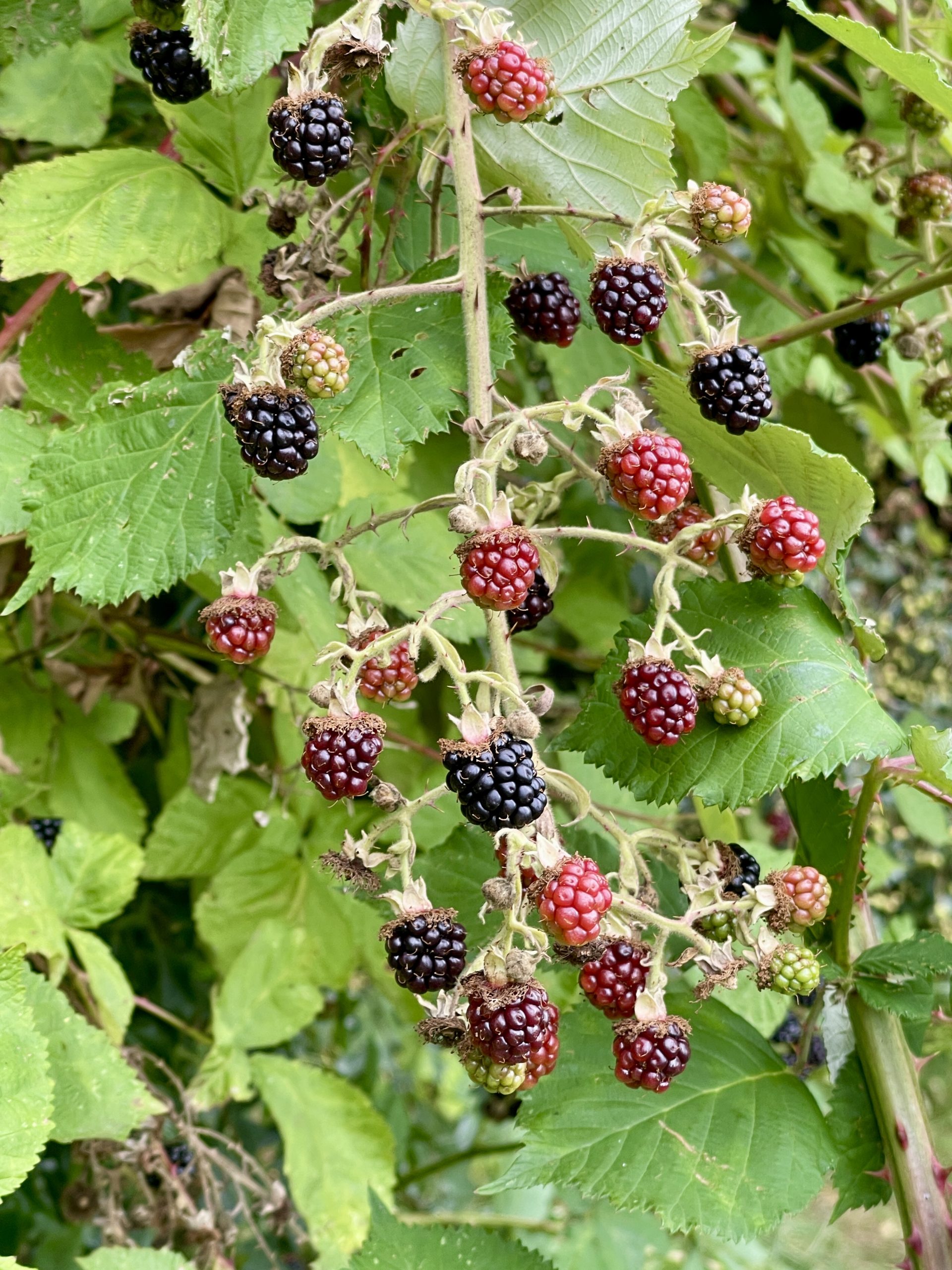
Late Summer and Autumn, when nature offers a vibrant harvest in the hedgerows and woodlands, is a great time for foraging. From juicy blackberries to flavour-packed damsons, crab apples and rosehips, nature brims with treasures waiting to be discovered. Foraging is not just about food — it’s a nourishing practice for body, mind, and spirit.

Health from the Hedgerows

Wild fruits and berries are packed with nutrients that support vitality and resilience through the changing seasons. Some late summer and autumn favourites include:

  • Plums & Damsons – Rich in antioxidants, vitamin C, and fibre, these sweet-sour fruits support digestion, boost immunity, and help regulate blood sugar.
  • Sloes – These small, deep-purple fruits from the blackthorn tree are too tart to eat raw but wonderful in syrups, jams, and warming drinks. They are rich in vitamin C and tannins, which support circulation and immunity.
  • Rose-hips – The bright red fruits of the wild rose are one of the richest plant sources of vitamin C, long used to support immunity, skin health, and joint function. Rose-hip syrup is a traditional autumn tonic.
  • Crab Apples – Though sharp when raw, crab apples are high in pectin and antioxidants. They’re perfect for jellies, chutneys, and sauces that aid digestion and provide a natural source of immune-boosting vitamins.
  • Blackberries – Rich in vitamin C and antioxidants, they’re great for jams and in apple and blackberry crumble. 

Adding these seasonal fruits to your diet not only enhances flavour but also fortifies your body against the colder months ahead.

Nature Connection and Mindfulness

Foraging invites you to step away from screens and into the sensory world. The scent of fallen leaves, the gleam of ripening fruit, the sound of birdsong overhead — these moments ground us in the present. Studies show that even short periods in nature reduce stress, lift mood, and improve overall wellbeing.

Exercise Without Realising It

Walking along hedgerows, reaching for fruit, or bending to gather windfall crab apples all provide natural movement. It’s gentle exercise disguised as play — a way to strengthen your body while filling your basket.

Creativity in the Kitchen

Foraging doesn’t end in the field — it continues in your kitchen. Autumn fruits inspire traditional recipes and creative twists:

  • Plum and damson compotes for yoghurt or porridge.
  • Sloe-infused spirits or syrup for warming winter drinks.
  • Rosehip syrup drizzled on pancakes or stirred into tea.
  • Crab apple jelly paired with cheese or roasted vegetables.

These flavours tell a story of the season and connect us to ancient traditions of preserving food and health during the colder months.

Foraging as a Wellness Practice

When you forage, you’re not just collecting fruit — you’re collecting experiences that enrich your health:

  • Physical – Nutrient-rich seasonal food and outdoor movement.
  • Emotional – The joy of discovery and the calm of being in nature.
  • Creative – Experimenting with recipes and traditional preserves.
  • Communal – Sharing homemade gifts or cooking with family.

Foraging Responsibly

Foraging carries responsibility: only pick what you can identify with certainty, leave plenty behind for wildlife, and harvest mindfully from unpolluted areas.

Bringing It Home

The hedgerows of late summer and autumn remind us of the generosity of nature. Each plum, sloe, rose-hip or crab apple carries not just nourishment but also connection — to the land, to the seasons, and to our deeper selves.

So, take a walk, carry a basket, and let the fruits of the season guide you home to health, joy, and creativity.

Food

Food and Brain Health

We often think of healthy eating as something that protects our heart, weight or energy levels, but what about our brain? New research suggests that what we put on our plate could play a big role in how our memory and thinking skills stay sharp as we age.
A major review of data from more than 62,500 older adults has found that following certain diets could lower the risk of cognitive decline by as much as 40%. That’s a significant number and it highlights just how closely food and brain health are connected.

The Diets That Protect the Brain

Scientists at Shandong University in China analysed 15 studies looking at diet and ageing. They concluded that people who followed the Mediterranean diet or the MIND diet were much less likely to develop memory or thinking problems compared with those who ate less healthily.

  • The Mediterranean diet is inspired by traditional eating patterns in countries such as Greece and Italy. It’s rich in vegetables, fruits, wholegrains, nuts, legumes, fish and olive oil.
  • The MIND diet (short for Mediterranean-DASH Intervention for Neurodegenerative Delay) was developed specifically to protect brain health. While similar to the Mediterranean approach, it puts extra emphasis on berries and green leafy vegetables, which are thought to help reduce inflammation in the brain.

Both diets limit red meat, sugar, and highly processed foods, all of which may contribute to inflammation and ageing in the body.

What the Science Shows

Scientists have long suspected that diet influences how our brains age, but past research has been mixed. By pooling results from multiple studies, the Shandong University team created a clearer picture: older adults with healthier diets were around 40% less likely to experience cognitive decline.

Of course, experts caution that diet is only one piece of the puzzle. Factors such as lifestyle, wealth and overall health habits also play a role. Dr Oliver Shannon from Newcastle University points out that the findings are consistent with previous clinical trials. He adds: “Making small dietary changes towards a healthier diet, such as eating more vegetables, pulses, whole-grains and fish, could help older adults better maintain their memory and thinking skills as they age.”

Simple Ways to Support Your Brain with Food

The good news is that you don’t have to overhaul your whole diet overnight. Even small, consistent changes can add up over time. Here are some easy ways to get started:

  • Add a handful of berries to your breakfast a few times a week.
  • Include leafy greens like spinach, kale or rocket with your lunch or dinner.
  • Swap red meat for fish or legumes (beans, chickpeas, lentils) a few nights a week.
  • Cook with olive oil instead of butter or margarine.
  • Snack smart with nuts or seeds instead of crisps or sweets.

While diet is not the only factor in cognitive health, it’s one we can influence every day. Eating more whole, plant-based, and nutrient-rich foods supports your brain whilst also benefiting your heart health, energy, and overall wellbeing.

Health

Summer Fruits, Simple Joys

Summer is a time of abundance. Warm sun, long days, and nature bursting into full expression—and one of its greatest gifts? Fruit.
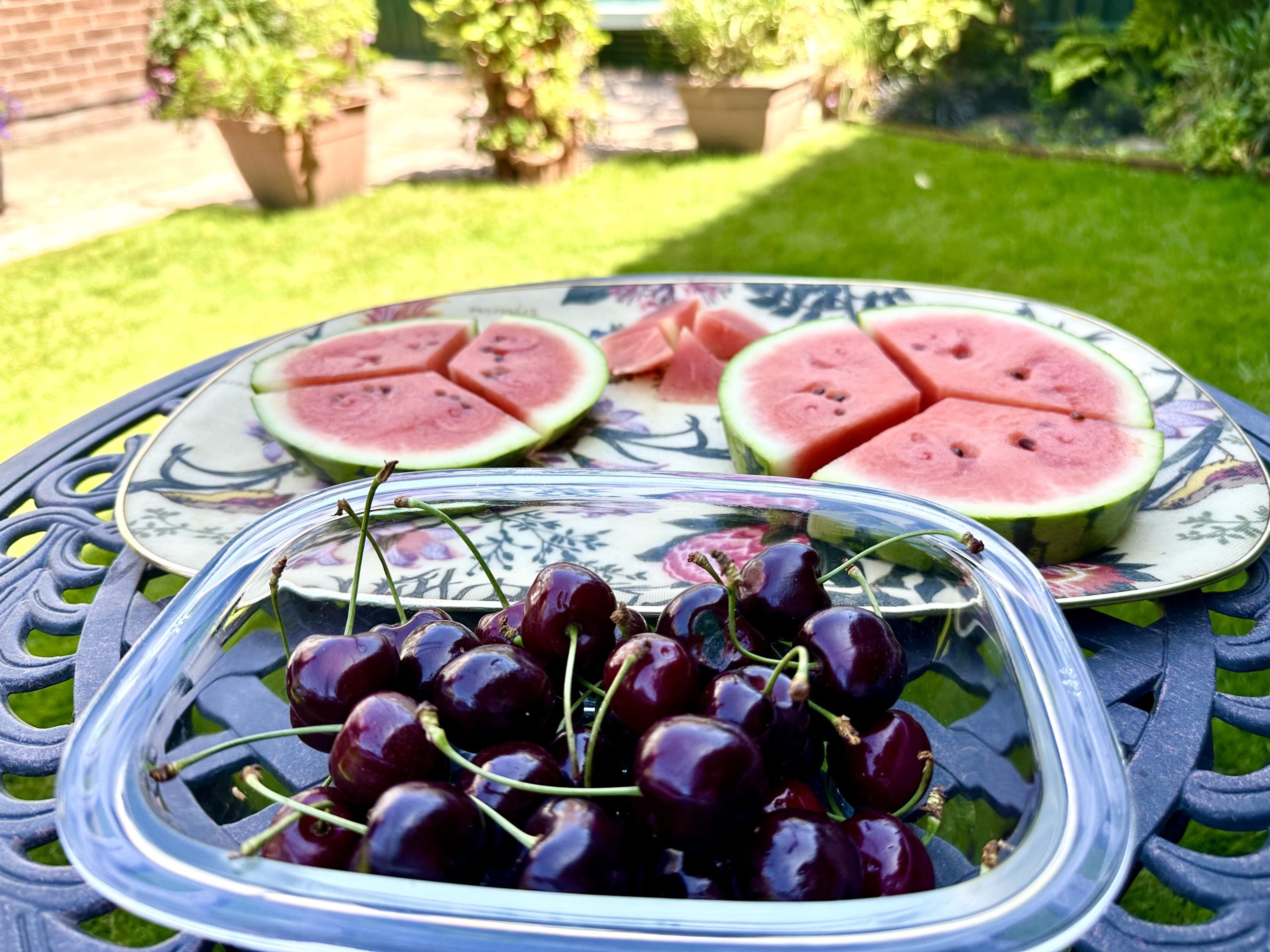
Juicy, vibrant, sun-ripened fruit. Whether it’s biting into a perfectly ripe peach or blending fresh berries into your morning smoothie, eating fruit in summer is more than a treat—it’s an act of self-care.

Why Summer is the Perfect Time to Eat More Fruit

During summer, your body naturally craves foods that are hydrating, light, and rich in nutrients. Fruit checks every box. It’s packed with water, antioxidants, vitamins, and natural sugars that give you energy without weighing you down.

In traditional healing systems like Ayurveda, summer is associated with heat and fire (Pitta energy), and the cooling, sweet, and moist qualities of fruit help bring balance.

Health Benefits of Summer Fruit

Here are just a few reasons to fill your plate (or picnic basket) with nature’s candy:

1. Hydration Boost

Many summer fruits—like watermelon, strawberries, and oranges—contain over 90% water. Eating them helps keep you cool, refreshed, and supports healthy skin and digestion.

2. Antioxidants & Skin Health

Berries, cherries, and stone fruits are rich in antioxidants like vitamin C and anthocyanins. These support immune function, fight inflammation, and help protect your skin from sun-related damage.

3. Natural Energy

The natural fruit sugars (mainly fructose and glucose) provide a gentle energy lift—perfect for active summer days—without the crash of processed snacks.

4. Gut Health

Fibre in fruit supports digestion and healthy gut bacteria. Think apples, pears, kiwis, and figs—all summer staples.

5. Mood Support

Some studies suggest that eating more fruits and vegetables is linked to improved mood and mental well-being. There’s something uplifting about holding a bowl of colourful fruit—your brain recognises real nourishment.


Ways to Enjoy Summer Fruit Mindfully

  • Eat seasonally: Choose fruit that’s grown locally and in season for the freshest flavour and maximum nutrients.

  • Slow down: Eat fruit mindfully. Notice the texture, colour, scent, and taste. Let each bite be a mini meditation.

  • Get creative: Add fruit to salads, freeze into ice lollies, or blend into smoothies. Try grilled peaches or watermelon slices with sea salt and lime.

  • Keep it simple: Sometimes the best way to enjoy fruit is just as it is—fresh, sun-warmed, and eaten outdoors.


A Ritual of Joy

Eating fruit in summer is more than a dietary choice—it’s a celebration of the season. It’s a chance to connect with nature, nourish your body, and experience gratitude for the earth’s rhythms.

So go ahead—buy that punnet of strawberries. Slice the mango. Let the juice run down your chin. This is summer, and it’s sweet for a reason.

Health

Under the Stars

How Connecting with Nature at Night Can Heal the Mind

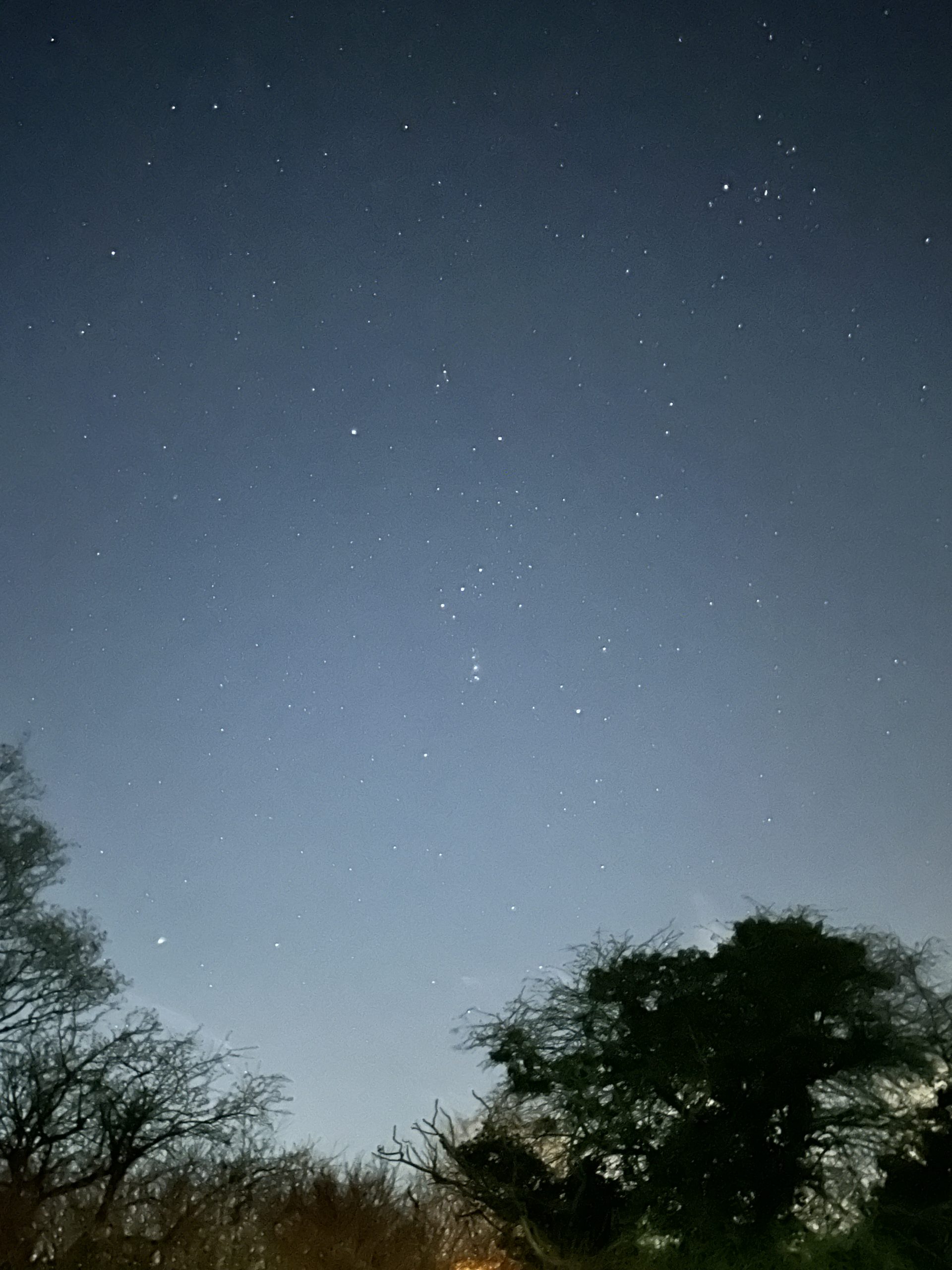
There’s something ancient and sacred about standing under the stars. The stillness, the soft rustle of leaves, and the quiet immensity of the night sky draw us out of ourselves and into something vast and timeless.

In a world that pulls us into screens, noise, and endless to-do lists, reconnecting with the natural world—especially at night—offers a gentle, powerful antidote. And it’s not just poetic—it’s profoundly good for your mental health.

The Healing Power of Nature

Decades of research have confirmed that spending time in green spaces like forests or parks improves mood, reduces stress, and enhances overall well-being. Blue spaces like lakes, rivers, and coastlines have also been shown to offer similar benefits. There’s another kind of nature connection we often overlook: the night sky.

A recent study found that people who feel more connected to the night sky report better mental health and greater happiness. It turns out that simply stepping outside and looking up may be a medicine we’ve forgotten.

Stargazing as Mindful Medicine

Mindful stargazing invites you to slow down. You don’t need fancy equipment or deep astronomical knowledge. Just your presence.

When you look up with curiosity, that curiosity can lead to wonder—a gateway to awe. And awe, psychologists have discovered, has powerful effects on our mental health. It quiets self-critical thinking, dissolves ego, and connects us to something beyond our individual concerns. As meditation teacher Sharon Salzberg says, “Awe is the absence of self-preoccupation.” In those moments under the stars, we’re no longer the centre of the universe—we’re a part of it.

Why Nature at Night is Different

While daytime nature immersion stimulates the senses and grounds us, night-time brings a different quality: stillness. The absence of visual overload can be deeply calming to the nervous system. It naturally shifts us from fight-or-flight into rest-and-digest mode, soothing the body and calming the mind (Capaldi et al., 2015). When we engage with the night sky mindfully—without agendas or inner chatter—we enter a timeless space where healing can happen.

August Sky Guide: What to Watch For

This August, the cosmos is putting on a show. Here are a few events to draw you outdoors and into presence:

1. Perseid Meteor Shower (Peaks August 11–13)
One of the most beloved meteor showers of the year. Expect up to 60–100 meteors per hour under dark skies. Best viewed after midnight. No telescope needed—just a reclining chair, warm blanket, and patience.

2. Crescent Moon & Venus (Early August)
In the first week of August, catch the delicate crescent moon meeting Venus low in the western sky after sunset—a beautiful, calming sight.

3. Saturn at Opposition (August 27)
Saturn will be closest to Earth and fully illuminated by the Sun. If you have binoculars or a telescope, this is your chance to glimpse its iconic rings.