
 We often think of healthy eating as something that protects our heart, weight or energy levels, but what about our brain? New research suggests that what we put on our plate could play a big role in how our memory and thinking skills stay sharp as we age.
A major review of data from more than 62,500 older adults has found that following certain diets could lower the risk of cognitive decline by as much as 40%. That’s a significant number and it highlights just how closely food and brain health are connected.
The Diets That Protect the Brain
Scientists at Shandong University in China analysed 15 studies looking at diet and ageing. They concluded that people who followed the Mediterranean diet or the MIND diet were much less likely to develop memory or thinking problems compared with those who ate less healthily.
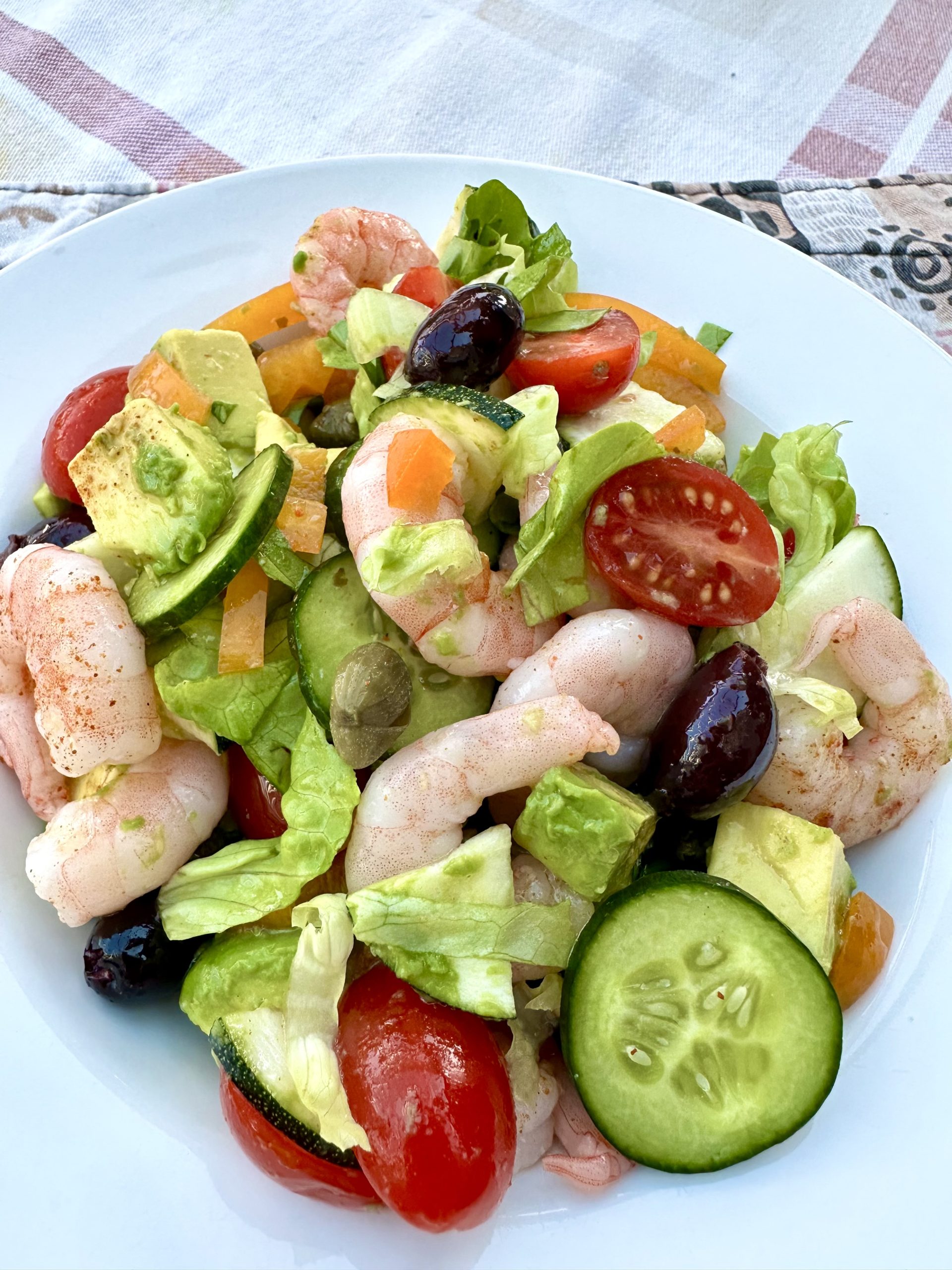
- The Mediterranean diet is inspired by traditional eating patterns in countries such as Greece and Italy. It’s rich in vegetables, fruits, wholegrains, nuts, legumes, fish and olive oil.
- The MIND diet (short for Mediterranean-DASH Intervention for Neurodegenerative Delay) was developed specifically to protect brain health. While similar to the Mediterranean approach, it puts extra emphasis on berries and green leafy vegetables, which are thought to help reduce inflammation in the brain.
Both diets limit red meat, sugar, and highly processed foods, all of which may contribute to inflammation and ageing in the body.
What the Science Shows
Scientists have long suspected that diet influences how our brains age, but past research has been mixed. By pooling results from multiple studies, the Shandong University team created a clearer picture: older adults with healthier diets were around 40% less likely to experience cognitive decline.
Of course, experts caution that diet is only one piece of the puzzle. Factors such as lifestyle, wealth and overall health habits also play a role. Dr Oliver Shannon from Newcastle University points out that the findings are consistent with previous clinical trials. He adds: “Making small dietary changes towards a healthier diet, such as eating more vegetables, pulses, whole-grains and fish, could help older adults better maintain their memory and thinking skills as they age.”
Simple Ways to Support Your Brain with Food
The good news is that you don’t have to overhaul your whole diet overnight. Even small, consistent changes can add up over time. Here are some easy ways to get started:
- Add a handful of berries to your breakfast a few times a week.
- Include leafy greens like spinach, kale or rocket with your lunch or dinner.
- Swap red meat for fish or legumes (beans, chickpeas, lentils) a few nights a week.
- Cook with olive oil instead of butter or margarine.
- Snack smart with nuts or seeds instead of crisps or sweets.
While diet is not the only factor in cognitive health, it’s one we can influence every day. Eating more whole, plant-based, and nutrient-rich foods supports your brain whilst also benefiting your heart health, energy, and overall wellbeing.