
Late Summer and Autumn, when nature offers a vibrant harvest in the hedgerows and woodlands, is a great time for foraging. From juicy blackberries to flavour-packed damsons, crab apples and rosehips, nature brims with treasures waiting to be discovered. Foraging is not just about food — it’s a nourishing practice for body, mind, and spirit.
Health from the Hedgerows
Wild fruits and berries are packed with nutrients that support vitality and resilience through the changing seasons. Some late summer and autumn favourites include:
- Plums & Damsons – Rich in antioxidants, vitamin C, and fibre, these sweet-sour fruits support digestion, boost immunity, and help regulate blood sugar.
- Sloes – These small, deep-purple fruits from the blackthorn tree are too tart to eat raw but wonderful in syrups, jams, and warming drinks. They are rich in vitamin C and tannins, which support circulation and immunity.
- Rose-hips – The bright red fruits of the wild rose are one of the richest plant sources of vitamin C, long used to support immunity, skin health, and joint function. Rose-hip syrup is a traditional autumn tonic.
- Crab Apples – Though sharp when raw, crab apples are high in pectin and antioxidants. They’re perfect for jellies, chutneys, and sauces that aid digestion and provide a natural source of immune-boosting vitamins.
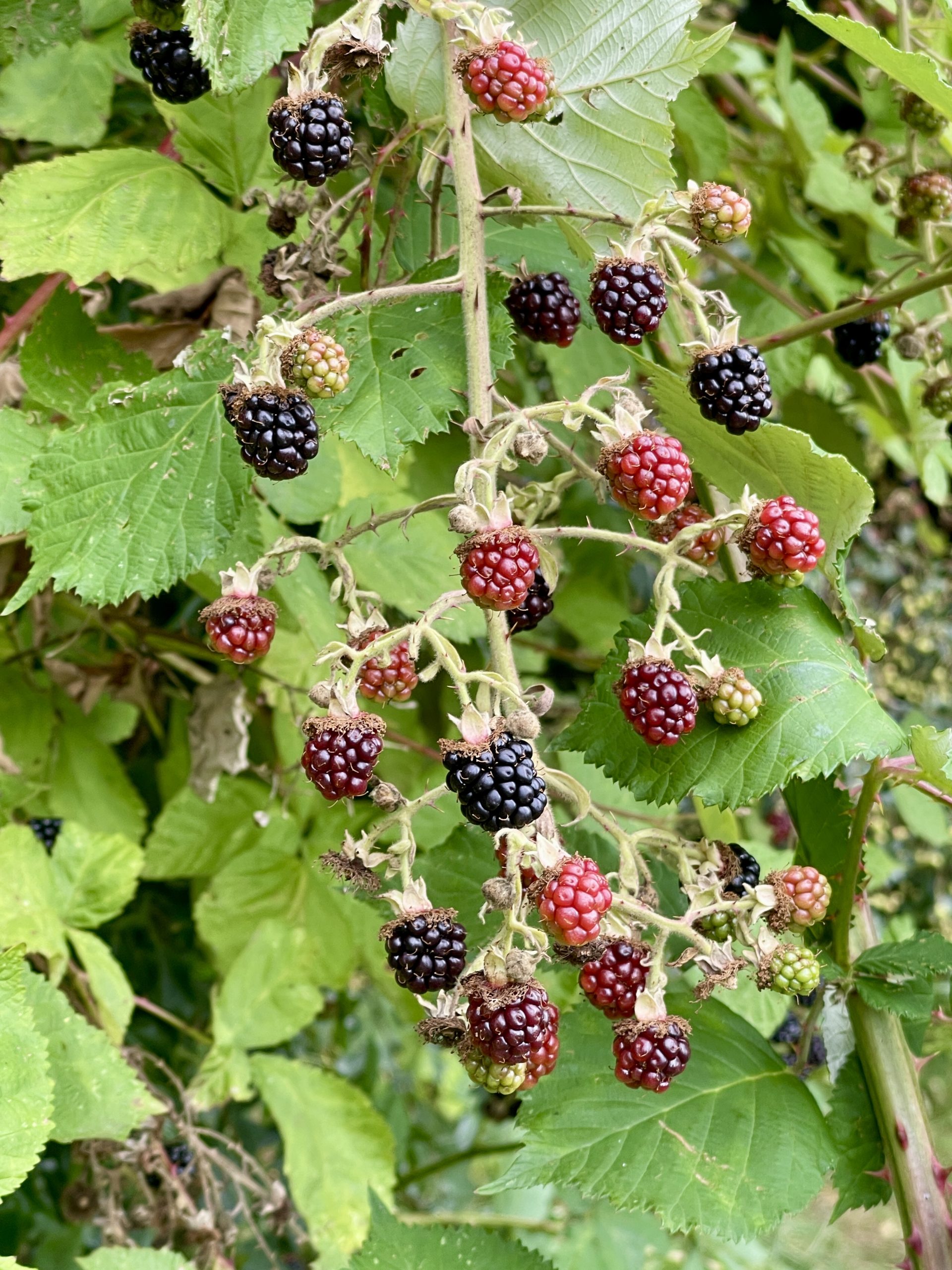
- Blackberries – Rich in vitamin C and antioxidants, they’re great for jams and in apple and blackberry crumble.
Adding these seasonal fruits to your diet not only enhances flavour but also fortifies your body against the colder months ahead.
Nature Connection and Mindfulness
Foraging invites you to step away from screens and into the sensory world. The scent of fallen leaves, the gleam of ripening fruit, the sound of birdsong overhead — these moments ground us in the present. Studies show that even short periods in nature reduce stress, lift mood, and improve overall wellbeing.
Exercise Without Realising It
Walking along hedgerows, reaching for fruit, or bending to gather windfall crab apples all provide natural movement. It’s gentle exercise disguised as play — a way to strengthen your body while filling your basket.
Creativity in the Kitchen
Foraging doesn’t end in the field — it continues in your kitchen. Autumn fruits inspire traditional recipes and creative twists:
- Plum and damson compotes for yoghurt or porridge.
- Sloe-infused spirits or syrup for warming winter drinks.
- Rosehip syrup drizzled on pancakes or stirred into tea.
- Crab apple jelly paired with cheese or roasted vegetables.
These flavours tell a story of the season and connect us to ancient traditions of preserving food and health during the colder months.
Foraging as a Wellness Practice
When you forage, you’re not just collecting fruit — you’re collecting experiences that enrich your health:
- Physical – Nutrient-rich seasonal food and outdoor movement.
- Emotional – The joy of discovery and the calm of being in nature.
- Creative – Experimenting with recipes and traditional preserves.
- Communal – Sharing homemade gifts or cooking with family.
Foraging Responsibly
Foraging carries responsibility: only pick what you can identify with certainty, leave plenty behind for wildlife, and harvest mindfully from unpolluted areas.
Bringing It Home
The hedgerows of late summer and autumn remind us of the generosity of nature. Each plum, sloe, rose-hip or crab apple carries not just nourishment but also connection — to the land, to the seasons, and to our deeper selves.
So, take a walk, carry a basket, and let the fruits of the season guide you home to health, joy, and creativity.