

 What Japanese Philosophy Teaches Us About Stillness, Simplicity and the Quiet Season
Winter is a season of depth. In Japanese culture, winter is honoured as a time of refinement, inner listening and quiet strength. Rather than resisting the cold or the slowing of life, winter invites us to turn inward, to strip away excess and to reconnect with what is essential. Here we explore some timeless Japanese concepts that offer gentle guidance for living winter with presence, clarity and grace.
Wabi-Sabi: Finding Beauty in the Quiet and Imperfect
Wabi-sabi is the art of appreciating impermanence, simplicity and imperfection. In winter, wabi-sabi lives in:
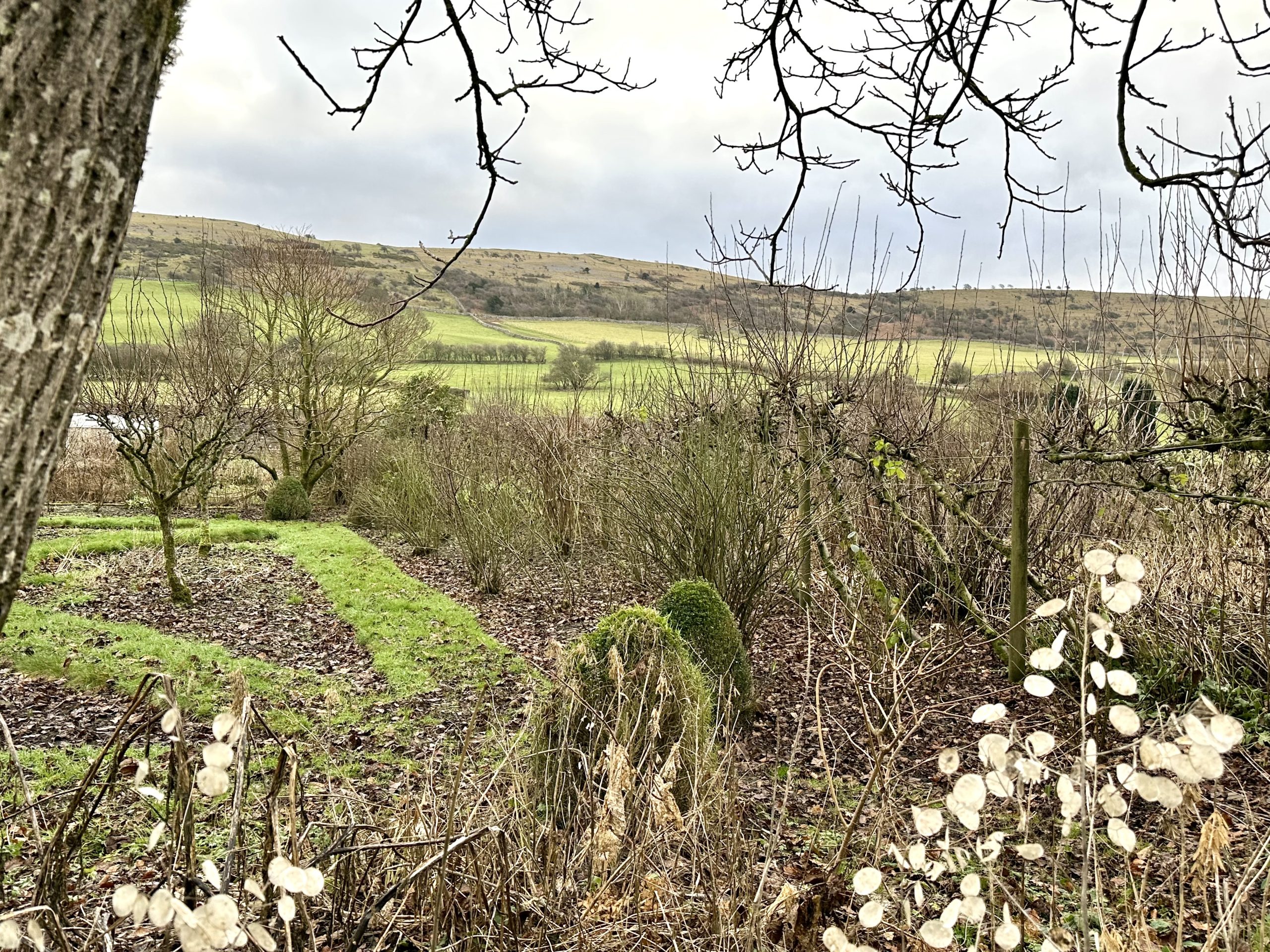
- bare branches against a grey sky
- frost on old wood
- the silence of early mornings
- cracks in ice that remind us nothing lasts forever.
Winter shows us that beauty does not need to be lush or loud. It can be muted, minimal, incomplete and still deeply moving. Wabi-sabi invites us to soften our expectations of ourselves during this season, to accept slower days, lower energy and unfinished moments without judgment.
Seijaku: The Power of Sacred Stillness
Seijaku refers to inner calm; a deep stillness that exists beneath the noise of the world. Winter naturally cultivates seijaku. The land rests. Sounds soften. Life pauses between breaths. Rather than filling the quiet, Japanese wisdom encourages us to listen to it. In seijaku, we learn that stillness is not emptiness; it is presence without distraction. It is where insight emerges, where emotions settle and where the nervous system finds repair. Winter asks: Can you allow stillness to hold you, rather than rushing to escape it?
Shinrin-yoku: Forest Bathing in Winter’s Embrace
Shinrin-yoku, or forest bathing, is the practice of immersing oneself in nature; not so much for exercise, rather to receive. Winter forests offer a different medicine:
- quieter trails
- sharper air
- heightened awareness
- deeper introspection.
Without leaves and color, the senses sharpen. You notice textures, breath, subtle movement and the rhythm of your own body. In winter, nature does not disappear; it simplifies. In that simplicity, we remember how to be. Even a short winter walk becomes a ritual of grounding, clarity and connection.
Mushin: A Clear Mind, an Open Heart
Mushin translates to “no-mind” – a state of mental clarity, free from attachment, overthinking and inner resistance. Winter naturally supports mushin. There is less external stimulation, fewer demands and more space between moments. In mushin, we stop forcing answers. We allow feelings to move without judgment. We trust what arises with openness, without needing to control it. An open heart. A quiet mind. A willingness to meet life as it is.
Ma: Honouring the Space Between
Ma is the sacred pause, the space between things. Winter is Ma embodied. It is the space between years, between growth cycles, between who we were and who we are becoming. Ma reminds us that meaning can be found as much in action as in rest, silence and intervals of non-doing. When we honour Ma, we stop rushing transitions and allow integration to happen naturally
Kanso: Simplicity as Nourishment
Kanso emphasizes simplicity and the removal of excess. Winter calls for this naturally:
- simpler routines
- quieter schedules
- fewer social obligations
- warmer, more grounding choices.
Kanso teaches that clarity emerges when life is quiet. Simplicity becomes a form of care.
Winter as a Teacher
Japanese winter wisdom reminds us that nature doesn’t bloom year-round.
It asks us to:
- rest without guilt
- simplify without fear
- feel without rushing
- listen without fixing
- be without striving.
Winter is not a season to overcome. It is a season to be with. In the stillness, something ancient awakens:
- a quieter strength,
- a gentler clarity,
- a deeper connection to self.
And when Spring arrives, it does so from patience, presence and trust.