Health

A Trend Back to Nature 


A third of people recently surveyed by Jackson-Stops said they would like to buy direct from farmers, a similar percentage wanted to eat seasonally and 39 per cent said they would like to eat only UK-grown produce. Another 40 per cent wanted to buy more items second-hand, 29 per cent hankered after an allotment or vegetable patch, and 23 per cent of those surveyed would prefer to have their milk delivered.

A Return to Simplicity and Sustainability

In an age characterised by rapid urbanisation and technological advancements, a fascinating trend is emerging – a trend that’s bringing people closer to nature and a simpler way of life. The desire to reconnect with the natural world and embrace a more sustainable lifestyle has gained significant traction in recent years.

A Desire for Direct Supply Chain

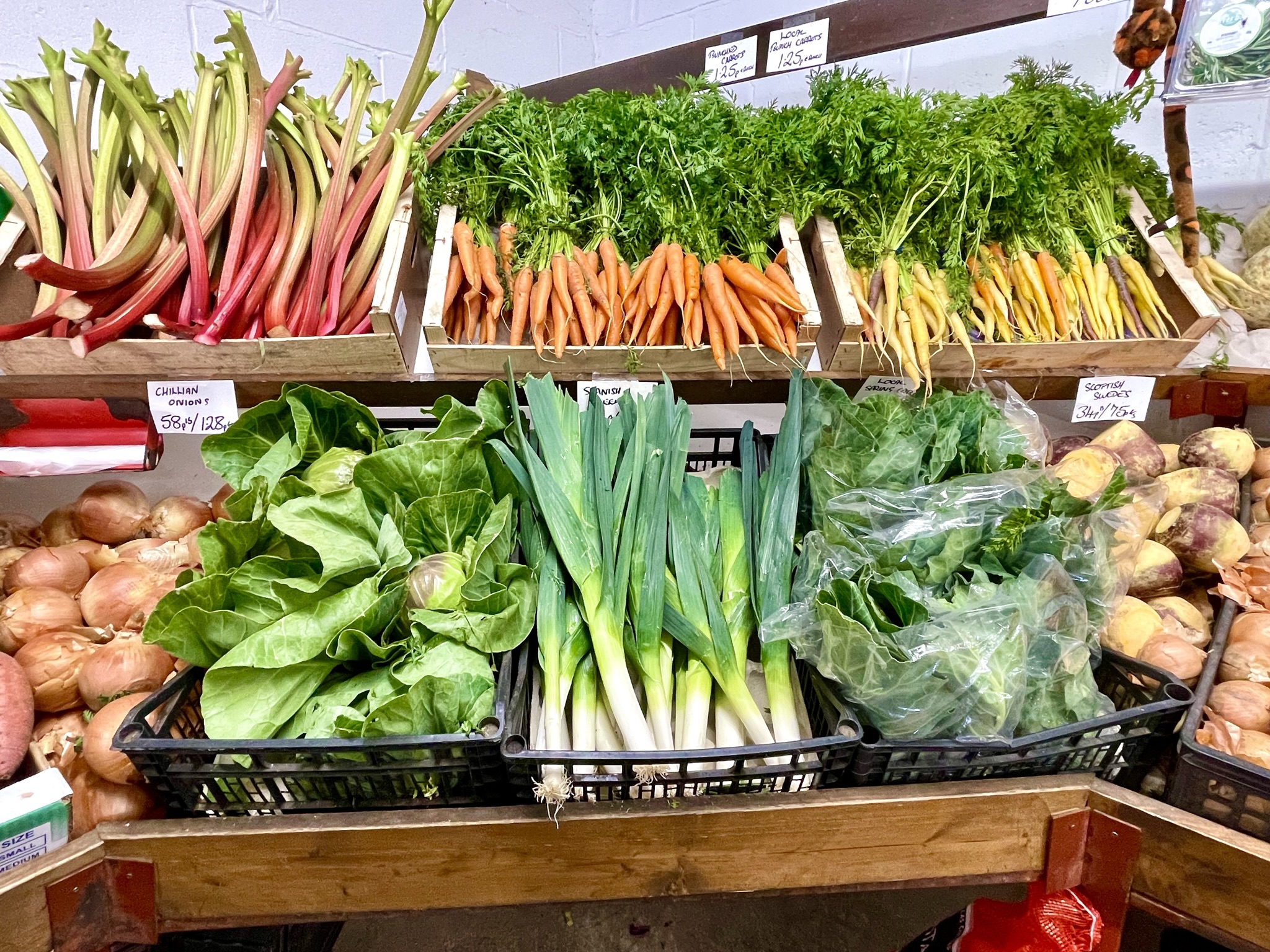
One striking revelation from the survey is the growing interest in buying directly from farmers. This not only signifies a shift towards supporting local economies but also represents a longing for a more authentic connection with the food we consume. People are recognising the value of knowing where their food comes from and the story behind it.

Seasonal Eating and UK-Grown Produce

Eating seasonally and consuming UK-grown produce are closely tied to the desire for sustainability. Seasonal eating not only results in fresher and more flavoursome meals but also reduces the environmental footprint associated with out-of-season produce that’s often transported across long distances. The preference for UK-grown produce aligns with the growing awareness of food miles and the importance of supporting local agriculture to bolster self-reliance.

The Second-Hand Renaissance

In an era of fast fashion and disposable consumerism, the inclination to buy more second-hand items (“Thrifting”) is a remarkable shift. This movement recognises the significance of reducing waste, conserving resources, and giving a new lease of life to pre-loved items. It’s a step towards a circular economy where products are used for longer periods, minimising the need for constant production and consumption.

Reclaiming the Green Spaces

The longing for an allotment or a vegetable patch indicates a strong desire to reconnect with the land and cultivate a hands-on relationship with the earth. As urban areas expand, green spaces often dwindle, and the craving for personal gardens showcases a yearning to grow one’s own food, fostering self-sufficiency and a deeper appreciation for the natural world.

The Return of Nostalgia: Milk Delivery

The preference for having milk delivered harkens back to a bygone era when doorstep deliveries were the norm. This trend symbolises a return to a simpler time, where relationships with local suppliers were more personal and community-centric. It also reflects a willingness to reduce plastic waste associated with store-bought milk containers. The Modern Milkman delivers milk and bread, orange juice and locally made oat milk.

The Predicted Path Back to Nature

This trend back to nature was predicted by visionaries who foresaw the eventual consequences of an overly industrialised and disconnected lifestyle. The pace of modern life often leaves us yearning for more meaningful experiences and a stronger connection to our surroundings. A substantial portion of society is embracing the call to return to simplicity, sustainability, and a more harmonious coexistence with nature.

The resurgence of interest in sustainable practices, direct connections with producers, and the yearning for a simpler life demonstrates a heartening shift in societal values. The “trend back to nature” is not just a fleeting fad but a conscious choice to create a future that aligns with the rhythms of the Earth. As more individuals embrace this movement, it has the potential to reshape our communities, economies, and the way we perceive the world around us.

Health

The Connection Between Gut Health and Mental Well-being


We often hear the phrase, “Listen to your gut.” As it turns out, this age-old saying holds more truth than we might have imagined. Emerging research has shed light on the fascinating link between happiness, gut health, and mental well-being. Our gut, often referred to as our “second brain,” plays a pivotal role in influencing not only our physical health but also our emotional state. So, how can you maximise the significance of gut health in promoting happiness and delve into the importance of fibre-rich foods that nurture both our gut and mind.

The Gut-Mental Health Connection

The gut-brain axis is a bidirectional communication network between the gut and the brain. It enables the transmission of chemical signals, hormones, and neurotransmitters, which significantly impact our mood, emotions, and overall mental health. The gut contains trillions of bacteria collectively known as the gut microbiota, which play a vital role in maintaining the balance between physical and mental well-being.

  • Serotonin Production: Serotonin, often referred to as the “happiness hormone,” is predominantly produced in the gut. This neurotransmitter regulates mood, sleep, and appetite. A healthy gut microbiota can boost serotonin production, positively influencing our mood and reducing the risk of depression and anxiety.
  • Inflammation and Immune Response: An imbalanced gut microbiome can lead to chronic inflammation, which has been associated with mood disorders and cognitive decline. By promoting a healthy gut, we can reduce inflammation and enhance our body’s immune response, indirectly improving mental health.
The Role of Fibre

One of the key factors in maintaining a healthy gut is a diet rich in fibre. Fibre is a type of carbohydrate that the human body cannot digest entirely. Instead, it passes through the digestive system, providing numerous benefits to our gut health.

  • Gut Microbiota Nourishment: Fibre acts as a prebiotic, providing essential nourishment to beneficial gut bacteria. These bacteria ferment fibre to produce short-chain fatty acids (SCFAs), such as butyrate, propionate, and acetate, which promote gut health and reduce inflammation.
  • Regulating Bowel Movements: Fibre adds bulk to stool and helps regulate bowel movements, preventing issues such as constipation or diarrhea, which can negatively impact our mood and well-being.
Fibre-Rich Foods for a Happy Gut

Now that we understand the importance of fibre, let’s explore some delicious and nutritious foods that are high in this gut-friendly nutrient:

  • Whole Grains: Incorporate whole grains like oats, quinoa, brown rice, and whole wheat into your diet to increase fiber intake.
  • Fruits: Opt for fruits like apples, pears, berries, and bananas, which provide a good amount of soluble and insoluble fiber.
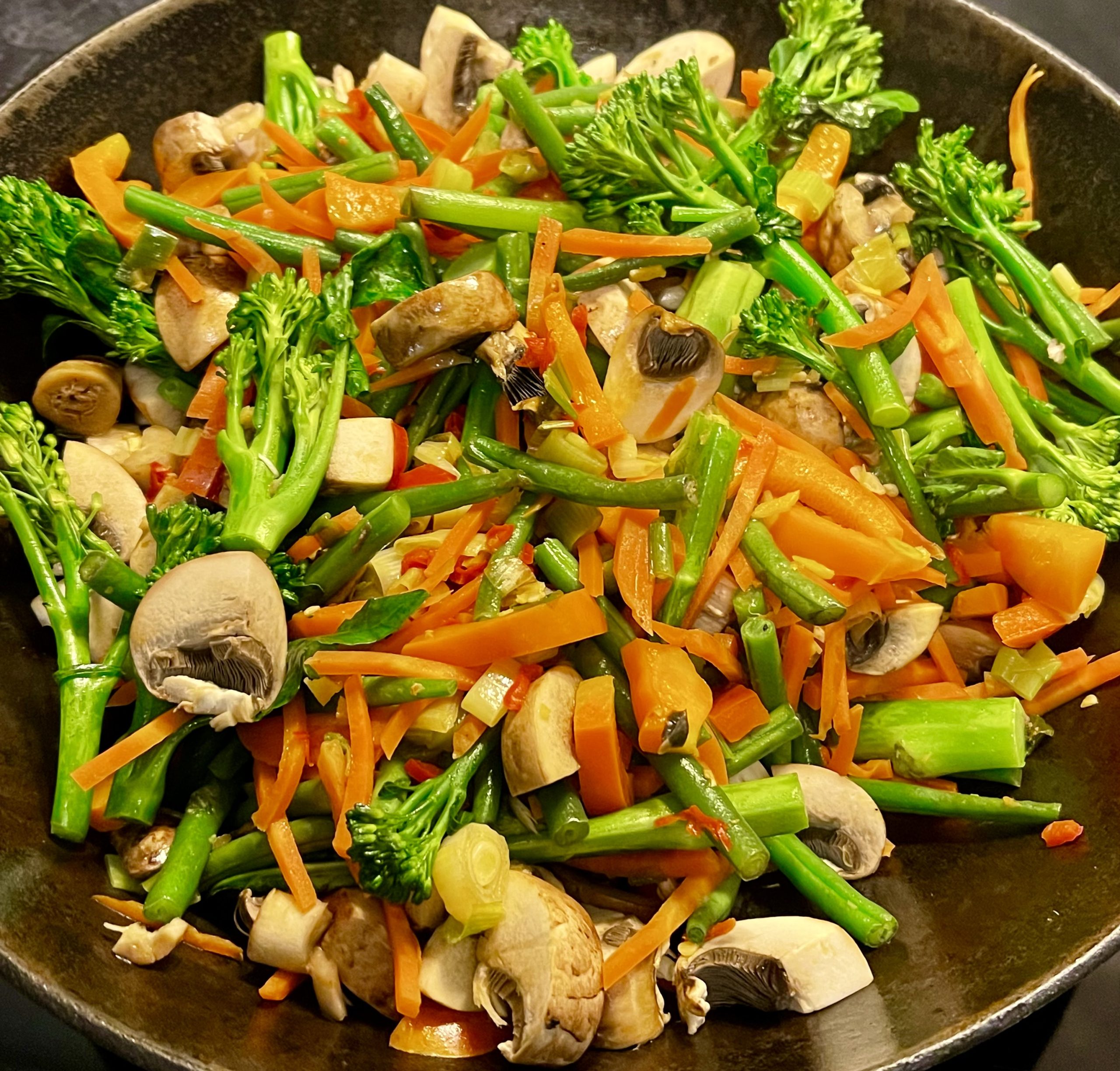
  • Vegetables: Include a variety of vegetables such as broccoli, carrots, Brussels sprouts, and sweet potatoes, as they are excellent sources of fiber.
  • Legumes: Lentils, chickpeas, black beans, and other legumes are rich in fiber and make for hearty and satisfying meals.

Caring for our gut health goes beyond just improving our digestion; it directly impacts our mental well-being and happiness. By nourishing our gut with fiber-rich foods and promoting a diverse and healthy gut microbiome, we can enhance our mood, reduce the risk of mental health issues, and enjoy a more balanced and fulfilling life. The road to happiness begins with a happy gut.

Health

No-Cook Summer

38f191dc-b09e-4847-b3a8-c100361c54b2
Delicious Salad Ideas to Beat the Heat
Summer’s heat often leaves us wishing for lighter and refreshing meals that don’t require turning on the hob or oven. Embracing a no-cook approach to summer dining saves you electricity, keeps your kitchen cool and allows you to create delicious and nutritious salads that are bursting with flavour. Here’s some mouthwatering salad ideas that’s cooling refreshing and full of flavour and goodness. From protein packed bean salad to refreshing watermelon and feta salad, there’s a variety of flavours and textures to suit every palate. Get creative with salad ingredients, experiment with dressings, add fruit and savour the fresh and vibrant flavours that summer has to offer.

F8BC7BAD-0305-4531-B133-B536EA3C9BC9
Make a Meal of Bean Salad
From black beans to cannellini beans to kidney beans, having a can of beans in your cupboard means that you can whip up an easy, nutritious meal in no time.

Chickpea Salad with Herbs:
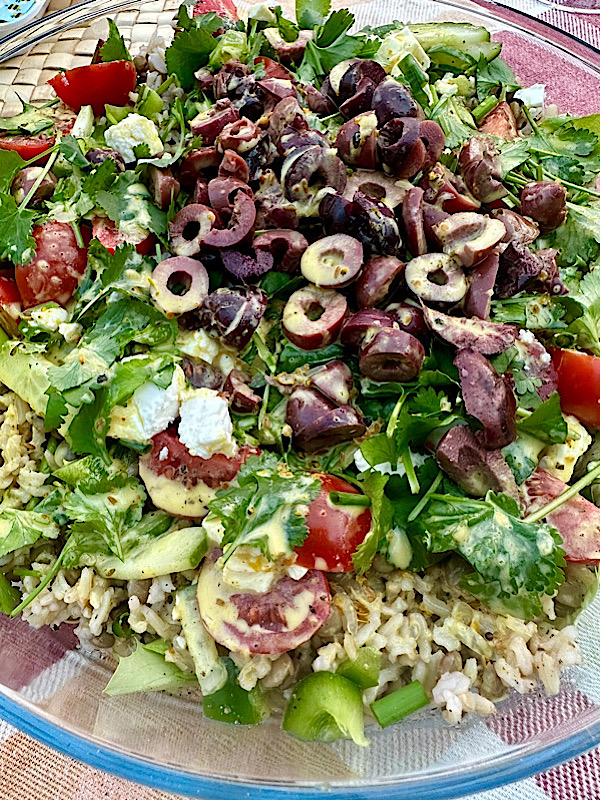
Create a protein-packed salad by combining chickpeas with an array of colorful vegetables and aromatic herbs. Toss chickpeas with cherry tomatoes, diced cucumbers, red onions, and a generous amount of chopped parsley and mint. Drizzle with lemon juice and extra virgin olive oil, and sprinkle some crumbled feta cheese for a burst of tanginess.

Sprout your Own
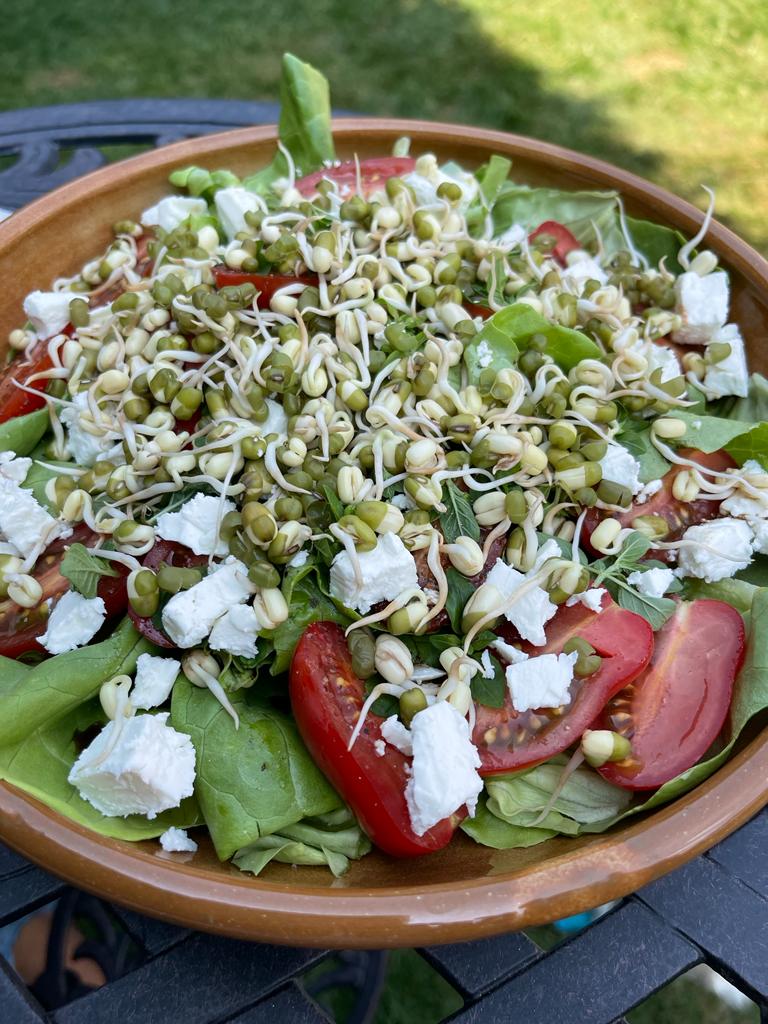
The warm months are ideal for sprouting.  Mung bean sprouts effortlessly in three days and it’s top on the list for plant-based protein.
222d3964-e40e-4277-a71e-b6fdc4040197

Create an Exotic Holiday Experience in the Garden

Caprese Salad Skewers
Capture the essence of summer with a classic Caprese salad presented in a fun and portable way. Skewer cherry tomatoes, mozzarella balls, and fresh basil leaves, drizzle with balsamic glaze and extra virgin olive oil. These delightful skewers make a refreshing appetizer or a light snack for a sunny afternoon.

Watermelon and Feta Salad
Celebrate the summer season with a sweet and savory watermelon and feta salad. The combination of juicy watermelon cubes, creamy feta cheese, fresh mint leaves, and a drizzle of balsamic glaze creates a harmonious blend of flavors. It’s a perfect balance of refreshing and satisfying.

Looking for more inspiration?

Try these BBC Good Food top 10 no cook family meals 

Health

Embrace the Outdoors

IMG_9491
Unlocking Summer’s Physical and Mental Health Benefits
Summer is at its peak. The sun shines high and bright, inviting us to step outside and immerse ourselves in nature’s beauty. Not only is it enjoyable and relaxing, summer offers numerous physical and mental health benefits that can be harnessed by embracing the great outdoors for as long as you can. From simple activities like walking barefoot to practicing awe in nature, this season presents abundant opportunities for enhancing well-being and connecting with the magic of nature.

Nature Therapy

In our fast-paced lives, we often overlook the therapeutic effects of spending time in nature. By simply being outdoors, whether walking in a park or sitting on a sunlit bench, we can reap significant mental health benefits. Studies have shown that exposure to natural environments reduces stress levels, improves mood, and increases feelings of vitality and well-being. So, take a break from the screens and immerse yourself in the sights, sounds, and scents of nature.

Take a Walk
Walking is one of the simplest yet most effective forms of exercise. It not only strengthens muscles and improves cardiovascular health but also boosts mental well-being. Utilise the summer weather to explore local trails, parks, or nearby neighbourhoods. Walking regularly not only provides physical benefits but also promotes mental clarity, reduces anxiety, and increases creativity.

Grounding: Barefoot Connection
The warm weather and soft ground offer the perfect opportunity to kick off your shoes and walk barefoot. This practice, known as grounding or earthing, involves direct contact between your feet and the Earth’s surface. It allows us to reconnect with the natural energies around us. Emerging research suggests that grounding can reduce inflammation, improve sleep, and promote relaxation. So, find a grassy patch, sandy beach, or a mossy forest floor and let your feet experience the healing energy of the Earth.

Cultivate Awe in Nature
The grandeur of nature can inspire a sense of awe, a feeling of wonder and transcendence that has profound effects on our well-being. Take time to appreciate the intricate beauty of a flower, the vastness of a mountain range, or the mesmerising ebb and flow of the ocean. Intentionally cultivating awe helps shift our attention away from daily worries and stresses, fostering a sense of connectedness, gratitude, and perspective.

Delight in Birdsongs
The magic of birdsongs are a delightful reminder of the enchanting world around us. Research suggests that bird-watching or simply being in the presence of nature’s sounds can enhance mood, decrease stress levels, and improve cognitive function. So, when out and about bring your awareness to the variety of birdsong and add an extra element of awe to your walk.

Sunshine and Vitamin D
Sunlight plays a crucial role in our overall health and well-being. Exposure to sunlight triggers the production of vitamin D in our bodies, which is essential for bone health, immune function, and mood regulation. Spending time outdoors allows us to soak up the sun’s rays and maintain optimal vitamin D levels.

Summer offers a golden opportunity to embrace the great outdoors and maximise its physical and mental health benefits. So, step outside to nurture your well-being and revitalise your spirits.

Health

Growing Your Greens

IMG_9310
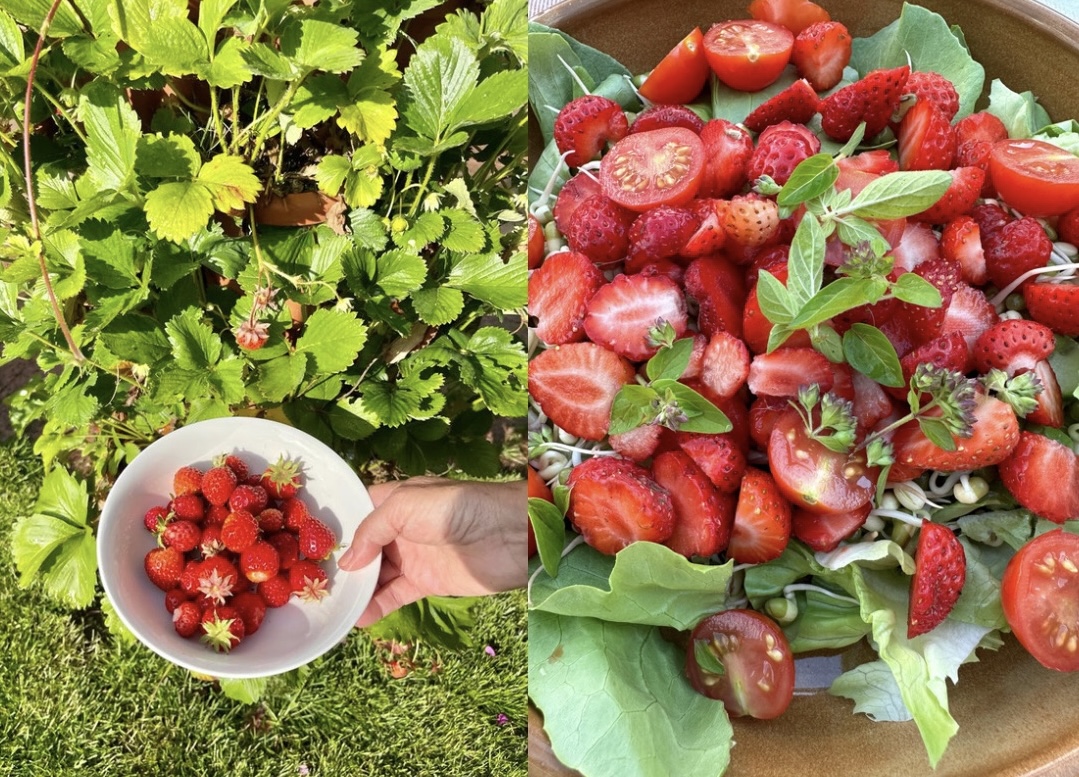
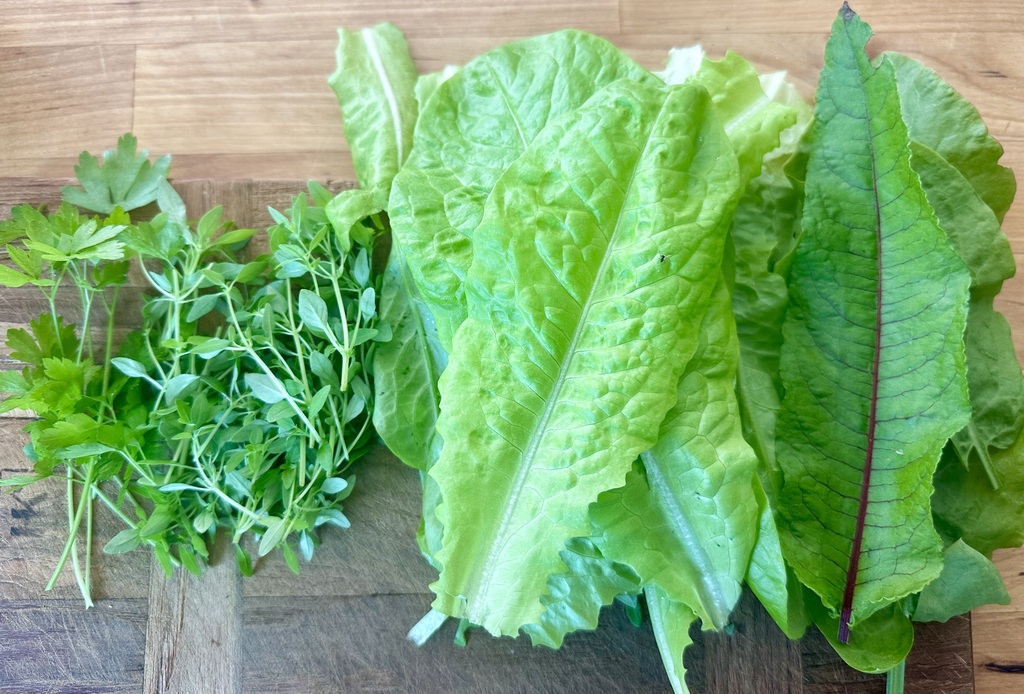
When we first started growing vegetables during the 2020 lockdown, my dream was to keep it simple and at least have those staple greens growing in the garden so that you always have something fresh to add to those trusted cupboard staples to create a meal. That dream has now become a reality with spinach and sorrel growing back year after year. Lettuce is still an experiment to find the right spot. They did well in a hanging basket and now we have the cut and regrow lettuce in a tub, raised sufficient to protect from snails. Oregano has already been harvested and dried to replenish the spice cupboard, the Parsley is well established outside in a shady spot. Basil is nurtured in the window sill.

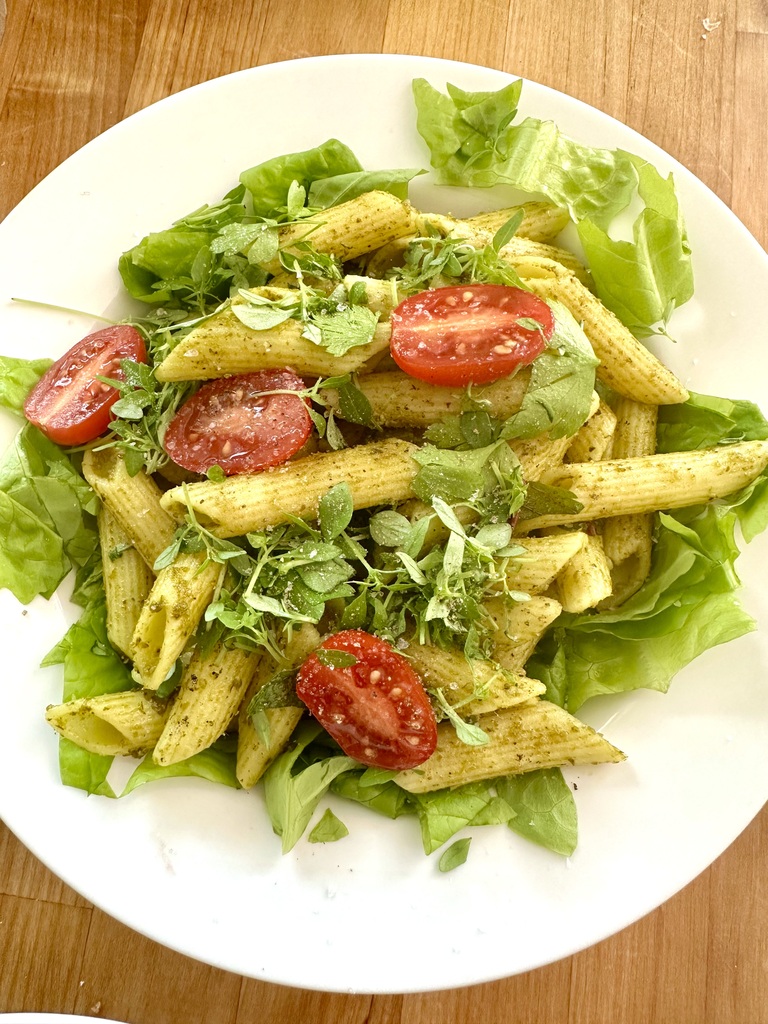
Today I picked lettuce, sorrel, parsley and basil and made a pasta salad for lunch with a handful of fresh garden greens – tasty, nourishing, and a delight that makes food preparation a pleasure.

IMG_9311

Health

Food for Mental Health 

IMG_9213
The Mind Diet is recommended to boost your brain and keep it healthy and young. The Mind diet is based on the Mediterranean Diet – a diet or rather lifestyle practice that comes out tops year after year for supporting heart health, brain health, bone strength, weight maintenance and longevity.

News research has also shown that following a Mediterranean-style food plan makes such an impact, that it might be on par with walking an extra 4,000 steps per day.

To follow the Mediterranean diet, which is inspired by the cuisines of countries situated near the Mediterranean Sea (but can be adapted to any cultural preferences), fuel your days with low-fat dairy, fish, seafood, eggs, poultry, whole grains, olive oil, nuts and seeds. Limit red meat, enjoy red wine every so often, and limit highly-processed foods and added sugars.

The mind diet is designed to help maintain and possibly boost brain function throughout your life. A study publised January 2022 in the journal Alzheimer’s Research & Therapy, the MIND diet was linked to a lower risk of dementia within the first 6 years of follow-ups. To follow the MIND diet, feast on fruits (berries get a special gold star), vegetables (especially dark, leafy greens), beans, legumes, whole grains, nuts, seeds, fish, seafood and olive oil. Wine in moderation has some proven health benefits.