Nature

Longevity Through Nature Connection

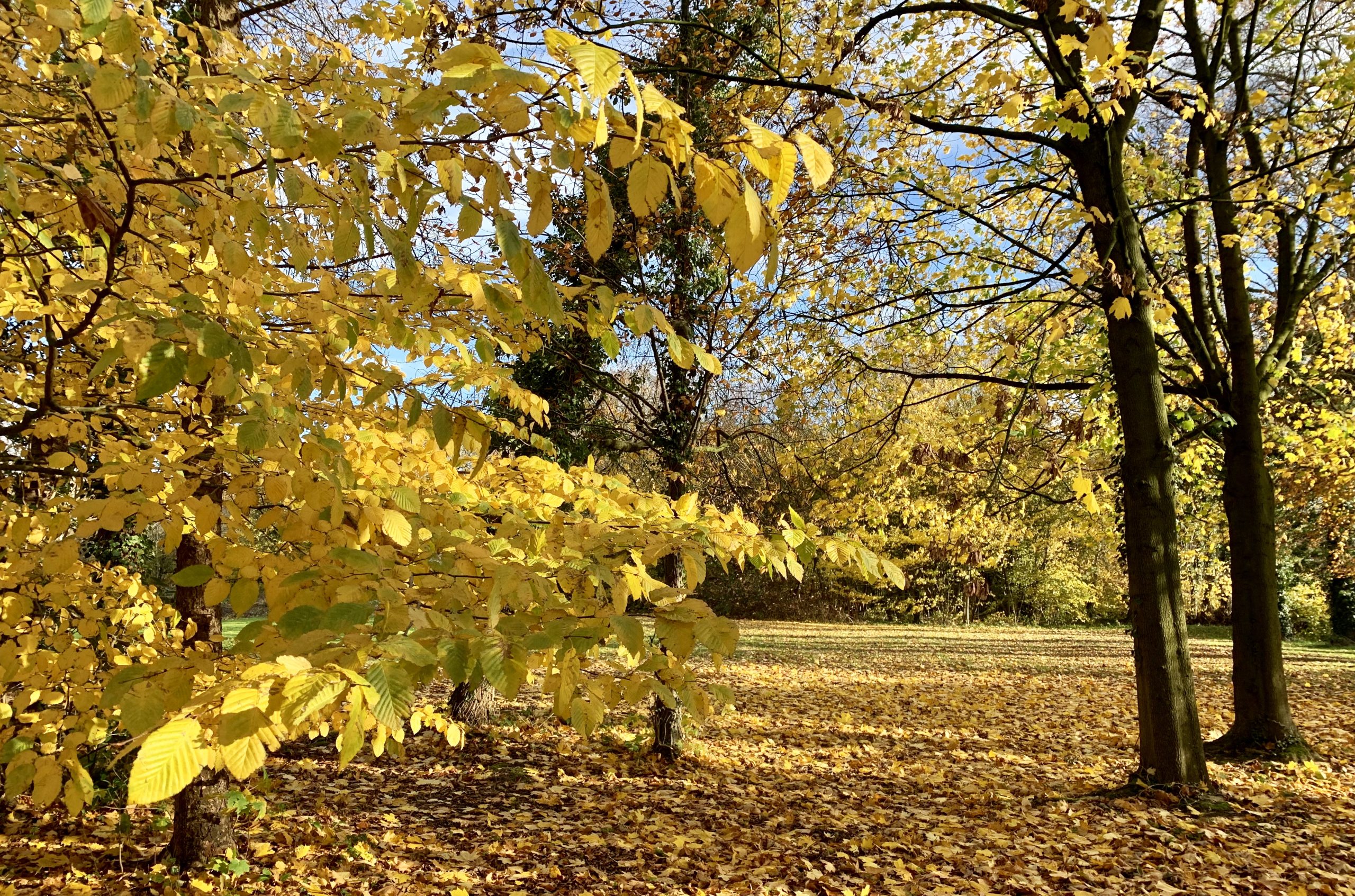
While we still enjoy autumn in the northern hemisphere, the world around us takes on magical colours and smells. Autumn invites us to slow down, reflect and reconnect. Nature is a vital part of our health and longevity as can be seen among several cultures across the world. The Danish as example, have come out tops for longevity and we can learn a lot from them about how they celebrate the healing power of nature, especially as the seasons turn.

The Danish Way: Hygge and Friluftsliv

In Denmark, as temperatures drop and days grow shorter, people don’t retreat indoors entirely – they embrace the change. The Danish concept of friluftsliv (literally “open-air life”) encourages spending time outdoors year-round, finding joy in simplicity and fresh air. Whether it’s cycling to work through crisp morning fog, gathering for bonfire evenings, or walking in golden forests, the Danes know that regular contact with nature nurtures both body and soul.

Combined with hygge, the art of cozy connection, the Danes strike a beautiful balance – venturing out to breathe in the cool autumn air, then returning home to warmth, candlelight, and good company. This rhythm between outer and inner worlds creates resilience, happiness and a deep sense of belonging.

The Japanese Approach: Shinrin-Yoku and Wabi-sabi

The Japanese also have a nature-centred way of living that supports longevity, for example shinrin-yoku, or forest bathing. This mindful practice invites people to immerse themselves in the forest atmosphere, to walk slowly, breathe deeply and engage the senses fully.

Science backs what tradition has long known: spending time in nature reduces stress hormones, lowers blood pressure, strengthens immunity, and improves mental clarity.

Autumn, in Japan, is particularly special – a time of momijigari, or “red leaf viewing.” Families and friends travel to admire the fiery beauty of changing leaves, celebrating wabi-sabi, the appreciation of impermanence and the natural cycle of life. This seasonal mindfulness helps cultivate gratitude and peace – qualities that profoundly support longevity.

Why Autumn Is the Perfect Time to Reconnect

Autumn’s quieter energy invites reflection and renewal. It’s a season that mirrors midlife – rich, colorful, yet fleeting. Getting outside during these months isn’t just about exercise; it’s about syncing with the natural rhythm of letting go and preparing for rest.

Spending time in nature during autumn can:

  • Support immune health as the seasons shift
  • Improve sleep and mood through exposure to natural light
  • Encourage mindfulness through sensory experiences — the crunch of leaves, the smell of wood smoke, the feeling of cool air
  • Foster community through shared outdoor rituals

Simple Ways to Bring Nature Into Your Autumn Routine

  1. Take mindful walks – leave your phone behind and notice textures, colors, and scents.
  2. Gather around firelight – whether it’s candles, a fire pit, or a wood stove, invite others to share warmth and conversation.
  3. Bring the outdoors in – decorate with autumn leaves, branches, or pinecones; open windows for fresh air.
  4. Practice gratitude – reflect on what you’re ready to release, just as the trees let go of their leaves.
  5. Try a “mini forest bath” – spend 15 minutes in your local park, breathing deeply and observing without judgment.

Autumn is a special time to slow down, breathe and find beauty in change. So, maximise the season, wrap up, step outside and let nature remind you that life, like the turning leaves, is always renewing itself.
Food

Clearer Vision, Healthier Life

How to Care for Your Eyes Naturally
Modern life isn’t kind to our eyes. Hours spent indoors under artificial light, constant screen time and lengthy scrolling all take their toll. It’s no surprise that short-sightedness (myopia) is on the rise worldwide, with estimates suggesting that by 2050, half of the global population will need some form of corrective lenses. But here’s the good news: experts like neuro-optometrist Dr Bryce Appelbaum believe that, with the right lifestyle changes, vision exercises and a little time outdoors, we can protect and even improve our eyesight at any age.

Vision vs Eyesight

Many people think of eyesight simply as how clearly they can see. But vision is broader; it’s how the brain interprets, organises and responds to what our eyes take in. Strain, blurry vision, headaches and brain fog are often signs of a stressed eye-brain system. When overloaded with screen use and indoor living, this system struggles. Supporting vision health means supporting overall brain health, balance, attention and even emotional wellbeing.

Train Your Eyes, Strengthen Your Focus

Dr. Appelbaum suggests simple habits can protect your eyes from strain and slow age-related decline:

  • The 20-20-20 Rule: Every 20 minutes, take 20 seconds to look at something 20 feet away – ideally a tree, the horizon or anything outdoors.
  • Eye “push-ups”: Shift your focus from something close (like your finger) to something distant, holding each for five seconds. This builds flexibility in the focusing muscles.
  • Eye stretches: Move your gaze up, down, left, right to keep muscles working smoothly. These micro-movements, much like stretches for the body, strengthen stamina and help delay the need for stronger prescriptions.

Why Nature Is Your Eye’s Best Friend

Our visual system evolved to scan open horizons, not a tiny screen inches from our face. Time outdoors relieves “tunnel vision” and calms the nervous system. When we walk in nature, the constantly changing scenery engages both central and peripheral vision, improving balance and reducing stress. Gazing at distant hills or trees not only rests tired eyes, it also signals to the brain that you’re safe.

What to Eat for Eye Health

Nutrition plays a crucial role in maintaining clear vision and protecting eye tissues. The best foods for eye health include:

  • Leafy greens like spinach, kale and collards; packed with lutein and zeaxanthin, antioxidants that protect the retina from UV damage.
  • Egg yolks, another rich source of lutein.
  • Citrus fruits high in vitamin C, helping reduce the risk of macular degeneration.
  • Carrots, sweet potatoes and squash, all high in beta-carotene (a precursor to vitamin A).
  • Oily fish like salmon, sardines and mackerel, rich in omega-3 fatty acids, which support retinal health and reduce dry eye.

Eating for eye health is the same as eating for brain health, because the two are deeply connected.

Light, Sleep and Healthy Habits

Screens before bed or first thing in the morning disrupt circadian rhythms by sending the wrong signals to the brain’s melatonin system. For better sleep (and sharper daytime focus), swap bedtime scrolling for a real book and greet the day with natural sunlight instead of blue light.

Clearer Eyes, Brighter Life

Eye health isn’t just about avoiding glasses; it’s about supporting your brain, your body and your wellbeing. By eating nutrient-rich foods, building simple vision exercises into your day and reconnecting with the natural world, you can give your eyes (and your mind) the care they deserve.

In his book, Eye Power, Dr. Appelbaum suggests, improving vision is possible at any stage of life. Sometimes, all it takes is stepping away from the screen, looking up at the sky, and letting your eyes rediscover the world in its full, vivid clarity.

Nature

The Healing Power of Nature

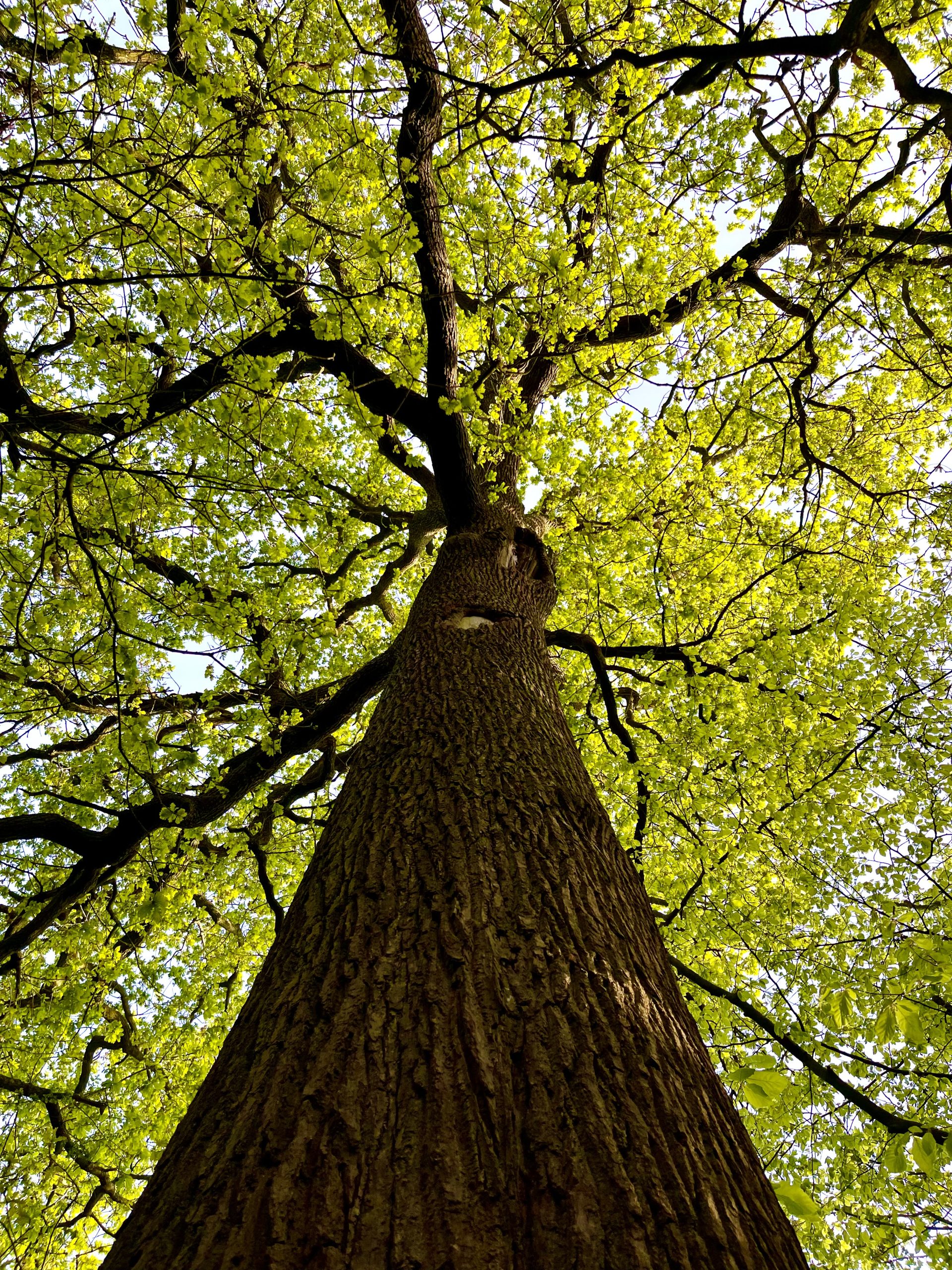
Concrete pavements, glowing screens and indoor lifestyle can keep us separated from the earth beneath our feet. Yet, something as simple as stepping barefoot on the ground and resting your hand on a tree can be profoundly therapeutic. Scientists call this practice grounding or earthing; a natural transfer of the Earth’s electrons into the body. Research suggests this simple act can reduce stress, lower inflammation, improve sleep and calm the nervous system. Trees, with their roots in the soil and branches stretching to the sky, act as powerful conduits in this process. By touching them whilst barefoot, you are aligning your own rhythms with the subtle electrical flow of nature itself. Just 15 minutes of this ancient connection can bring clarity, balance, and peace.

Forest Bathing and Nature Therapy

In Japan, this practice has evolved into a well-recognised form of natural therapy known as shinrin-yoku, or forest bathing. Doctors sometimes prescribe it to treat anxiety, fatigue and stress-related conditions. Research found that forest bathing had measurable benefits on both physiological and psychological wellbeing, including lower cortisol (the stress hormone), reduced heart rate, improved immune function and enhanced mood.

The concept is simple: immerse yourself in nature with open awareness. Breathe in the forest air, notice the play of light through the leaves, feel the textures of bark, or simply listen to birdsong. This isn’t about hiking miles, it’s about slowing down and letting nature restore you.

Nature as Medicine

In the UK, the idea of “nature on prescription” is gaining momentum. Health professionals are increasingly recommending time in green spaces as a way to manage stress, boost mood and even improve cardiovascular health. The beauty of this approach is that it’s free, accessible and without side effects, other than the joy of connection.

Modern research confirms what humans have always intuitively known: time spent in natural environments heals. Whether it’s grounding through barefoot tree connection, forest bathing or simply sitting quietly in a park, these practices help regulate the nervous system, reduce “technostress” and promote overall wellbeing.

How to Do It Yourself

  • Grounding practice: Stand barefoot on grass, soil, or sand. Place one or both hands on a tree and breathe deeply. Notice how your body feels after a few minutes.
  • Forest bathing: Spend at least 15–20 minutes in a natural environment. Walk slowly, engage your senses and allow yourself to “just be” rather than “do.”
  • Micro-doses of nature: If you can’t get to a forest, even small daily moments in green spaces, a garden, local park or riverside can bring benefits.

A Return to Wholeness

Nature doesn’t just soothe the mind, it rebalances the whole body. By touching a tree barefoot or stepping into a woodland, you are reminding your nervous system of its natural state – calm, regulated and connected.

In uncertain times, when stress and anxiety feel overwhelming, the remedy may be simpler than we think. Sometimes the most powerful prescription isn’t found in a bottle, but under your feet and in the branches above your head.

Food

The Joy of Foraging 


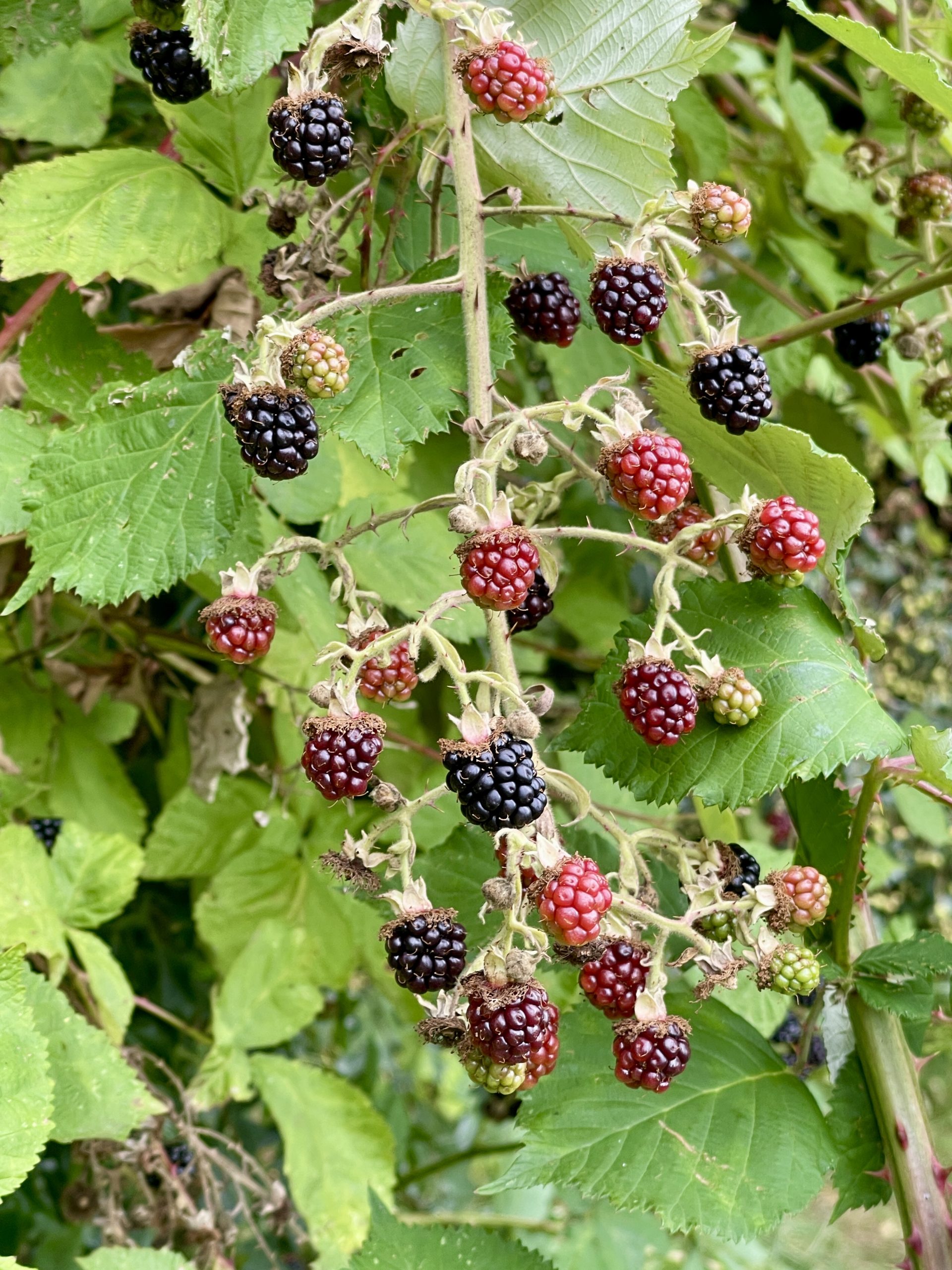
Late Summer and Autumn, when nature offers a vibrant harvest in the hedgerows and woodlands, is a great time for foraging. From juicy blackberries to flavour-packed damsons, crab apples and rosehips, nature brims with treasures waiting to be discovered. Foraging is not just about food — it’s a nourishing practice for body, mind, and spirit.

Health from the Hedgerows

Wild fruits and berries are packed with nutrients that support vitality and resilience through the changing seasons. Some late summer and autumn favourites include:

  • Plums & Damsons – Rich in antioxidants, vitamin C, and fibre, these sweet-sour fruits support digestion, boost immunity, and help regulate blood sugar.
  • Sloes – These small, deep-purple fruits from the blackthorn tree are too tart to eat raw but wonderful in syrups, jams, and warming drinks. They are rich in vitamin C and tannins, which support circulation and immunity.
  • Rose-hips – The bright red fruits of the wild rose are one of the richest plant sources of vitamin C, long used to support immunity, skin health, and joint function. Rose-hip syrup is a traditional autumn tonic.
  • Crab Apples – Though sharp when raw, crab apples are high in pectin and antioxidants. They’re perfect for jellies, chutneys, and sauces that aid digestion and provide a natural source of immune-boosting vitamins.
  • Blackberries – Rich in vitamin C and antioxidants, they’re great for jams and in apple and blackberry crumble. 

Adding these seasonal fruits to your diet not only enhances flavour but also fortifies your body against the colder months ahead.

Nature Connection and Mindfulness

Foraging invites you to step away from screens and into the sensory world. The scent of fallen leaves, the gleam of ripening fruit, the sound of birdsong overhead — these moments ground us in the present. Studies show that even short periods in nature reduce stress, lift mood, and improve overall wellbeing.

Exercise Without Realising It

Walking along hedgerows, reaching for fruit, or bending to gather windfall crab apples all provide natural movement. It’s gentle exercise disguised as play — a way to strengthen your body while filling your basket.

Creativity in the Kitchen

Foraging doesn’t end in the field — it continues in your kitchen. Autumn fruits inspire traditional recipes and creative twists:

  • Plum and damson compotes for yoghurt or porridge.
  • Sloe-infused spirits or syrup for warming winter drinks.
  • Rosehip syrup drizzled on pancakes or stirred into tea.
  • Crab apple jelly paired with cheese or roasted vegetables.

These flavours tell a story of the season and connect us to ancient traditions of preserving food and health during the colder months.

Foraging as a Wellness Practice

When you forage, you’re not just collecting fruit — you’re collecting experiences that enrich your health:

  • Physical – Nutrient-rich seasonal food and outdoor movement.
  • Emotional – The joy of discovery and the calm of being in nature.
  • Creative – Experimenting with recipes and traditional preserves.
  • Communal – Sharing homemade gifts or cooking with family.

Foraging Responsibly

Foraging carries responsibility: only pick what you can identify with certainty, leave plenty behind for wildlife, and harvest mindfully from unpolluted areas.

Bringing It Home

The hedgerows of late summer and autumn remind us of the generosity of nature. Each plum, sloe, rose-hip or crab apple carries not just nourishment but also connection — to the land, to the seasons, and to our deeper selves.

So, take a walk, carry a basket, and let the fruits of the season guide you home to health, joy, and creativity.

Health

The Scents of Summer for Well-Being


Harnessing the power of nature’s fragrances for your health

During the summer months, when there’s an array of pleasant natural scents in the air, there’s great opportunity to include the sense of smell in your natural mindfulness. These summer fragrances are more than just pleasant aromas. Research is showing that the natural scents of plants can have tangible effects on our health, mood, and overall well-being. It’s a natural aromatherapy, backed not just by tradition or folklore, but by science. Professor Kathy Willis, author of Good Nature, emphasises that plant scents are “hidden gems of nature,” able to support health in subtle but profound ways – from calming anxiety to improving memory.

1. Lavender: The Scent of Restful Nights

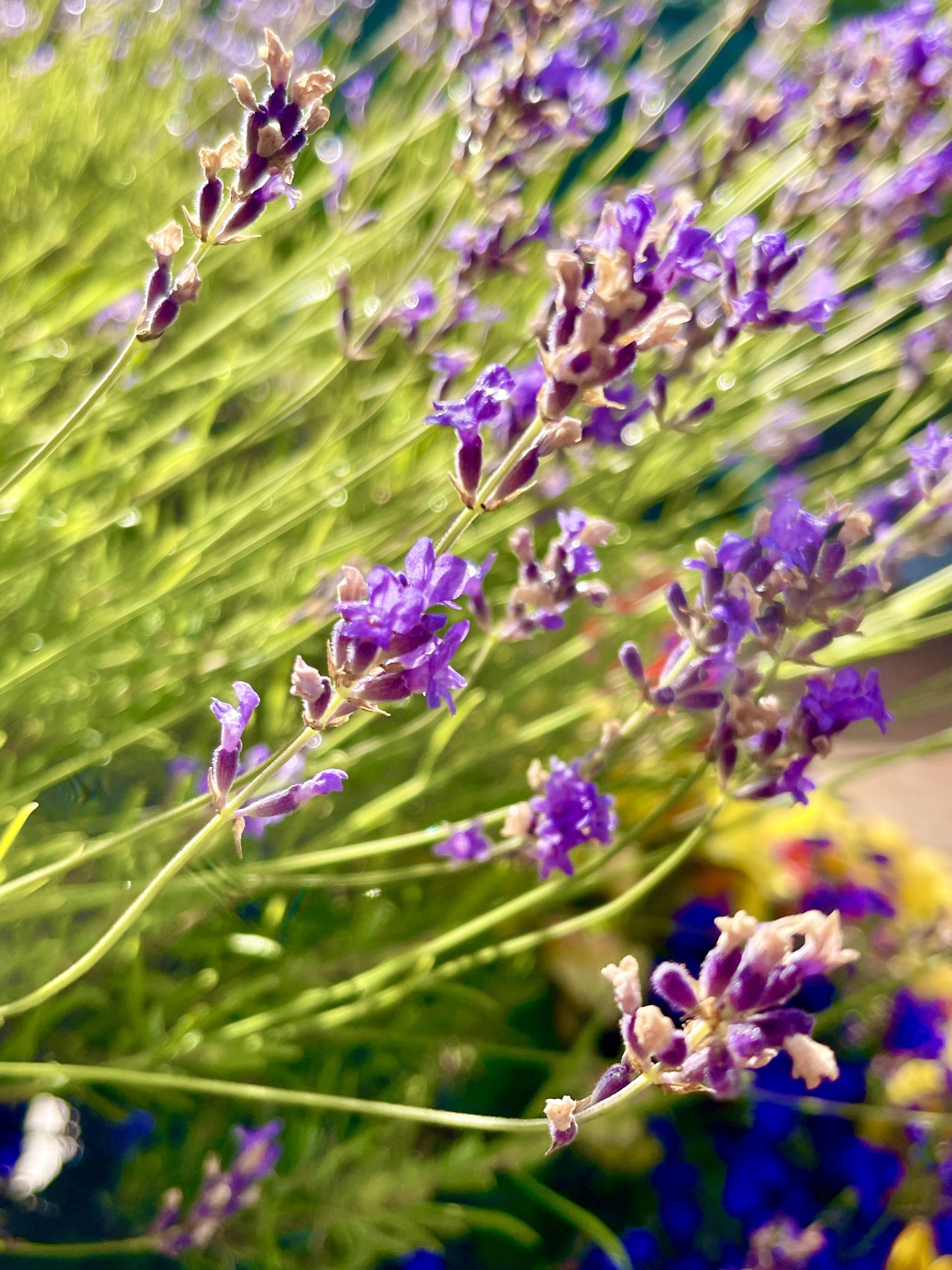
There’s a reason lavender is a staple in sleep sprays and night-time teas. Scientific studies conducted in sleep chambers show that lavender can increase slow-wave deep sleep and the overall length of sleep. A few drops of lavender oil in your bedroom diffuser or a stroll past a blooming lavender bush in the evening could help reset your sleep cycle this summer.

2. Pine: A Breath of Calm

Whether you’re hiking through a pine forest or catching the whiff of a pine-scented breeze, the scent of pine can reduce anxiety within just 90 seconds. Studies have documented the clear physiological relaxation responses tied to pine, making it a powerful tool for calming the nervous system. A forest walk might just be nature’s best stress-relief session.

3. Rosemary: for Focus and Clarity

Rosemary is a brain booster. The scent compounds in rosemary stimulate neurotransmitters that support alertness and focus. Keep a rosemary plant in your kitchen or garden, or rub a sprig between your fingers for a natural energy lift during that afternoon slump.

4. Roses: for Relaxation and Calm 

Even a brief inhale of rose scent—just 90 seconds—can reduce stress and promote relaxation. In a fascinating study, participants exposed to the smell of roses while driving showed slower, safer driving and reported feeling more relaxed. Rose essential oil or a fresh-cut bouquet in your home or car can help you carry that calm with you.

5. Citrus: Uplifting and Healing

Citrus scents like lemon and orange don’t just make us feel refreshed—they may help reduce lung inflammation, according to early research on d-limonene, a key compound in citrus peel. This summer, consider zesting citrus into your water or using citrus-scented oils to support your respiratory health.

6. Cedar and Cypress: The Immune-Boosting Woods

The grounding, woody-peppery scents of cedar and cypress do more than connect us to nature—they appear to elevate levels of natural killer (NK) cells in the body. These immune cells are vital in the defense against viruses and even some cancers. Time spent in cedar forests or using cedarwood essential oil could be a wise immune investment.

7. Peppermint: Stay Sharp and Cool

That invigorating minty aroma from peppermint isn’t just a sensory delight—it’s also a cognitive enhancer. The carvones found in mint plants stimulate brain areas responsible for memory and alertness. Chewing minty gum or sipping on peppermint tea can help keep your mind sharp and focused through long summer days.

8. Sage: The Wise Herb

Traditionally associated with wisdom, sage is now being recognised by science for its cognitive-enhancing properties. The earthy, slightly peppery aroma of sage has been linked to improved memory and mental clarity. Smudging, diffusing sage essential oil, or simply crushing the leaves between your fingers can unlock its powerful scent-based effects.

How to Bring the Cents of Summer Into Your Life

  • Grow a summer scent garden: Lavender, rosemary, sage and mint all grow well in pots or beds with enough sun.

  • Take mindful nature walks: Visit pine or cedar-rich areas and pay close attention to the fragrances around you.

  • Use essential oils safely: Add a few drops to a diffuser, bath, or natural cleaning spray.

  • Make a summer scent sachet: Combine dried lavender, rosemary, and mint in a cloth pouch to keep in your car or under your pillow.

This summer, enjoy nature’s fragrances for greater wellness. The scents that surround us in summer aren’t just pleasant—they’re powerful when it comes to health and happiness.

Health

Nature Is Medicine


The Mental Health Benefits of Time Outdoors

In our hyperconnected world, many of us are spending more time in front of screens than under the sky. Most people go online daily, and a growing number of people are online most of the day. Yet as our lives grow more digital and urbanised, science is showing that the natural world may hold some of the most powerful tools for supporting our mental health.

Research increasingly affirms what many intuitively feel; spending time in nature is good for the mind. Whether you’re strolling through a park, hiking a trail, or sitting by the ocean, time in green and blue spaces is linked to lower stress, improved mood, sharper cognition, and greater overall emotional well-being.

The Cognitive and Emotional Power of Nature

Nature doesn’t just soothe our minds—it sharpens them. Studies show that exposure to green spaces improves attention, working memory, and cognitive flexibility. In contrast, urban environments can deplete our focus and increase stress. Even brief contact with natural elements—such as a 40-second glance at a green rooftop—can enhance performance on mentally fatiguing tasks.

The benefits go beyond brainpower. Being in nature has been associated with reduced symptoms of anxiety, depression, and even a lower lifetime risk of psychiatric disorders. Time outdoors can increase happiness, foster social connections, and give us a greater sense of meaning and purpose. Studies have shown that contact with nature is associated with an increase in happiness, subjective well-being, positive affect, positive social interactions, and a sense of meaning and purpose in life, as well as decreases in mental distress.

Connection Matters

Interestingly, it’s not just the amount of time spent in nature that matters—how connected we feel to nature also plays a big role. People with a strong sense of nature connectedness report higher levels of well-being, even when they’re not physically outdoors. This suggests that fostering an internal relationship with the natural world can be just as important as the external exposure.

Green and Blue Spaces for All

Both green spaces (parks, forests) and blue spaces (lakes, rivers, oceans) provide these mental health benefits, with some research suggesting that blue spaces may be even more restorative. While remote, biodiverse settings can amplify these effects, urban nature—trees, gardens, and local parks—also provide powerful boosts to mood and attention.

The Healing Power of Nature 

Spending time in nature doesn’t just help us feel better—it may help us be better. Exposure to nature has been linked to increased empathy, cooperation, and prosocial behaviour. In a world that often feels divided and disconnected, reconnecting with the natural world may be one of the most effective ways to restore not only individual well-being but also collective compassion and care.

So whenever you’re feeling overwhelmed, anxious, or burnt out, step outside – even if it’s just a walk around the block or a few minutes under a tree. Nature is more than a backdrop – it’s a balm, a teacher, and a powerful source of psychological healing.

Aim for at least two hours of recreational time in nature each week to gain the full mental health benefits, whether it’s all at once or spread throughout your days.

Let your next reset be under open skies.