
Health

Connection with Nature in Winter


As the temperatures drop and the days grow shorter, it can be tempting to retreat indoors and wait for winter to pass. Yet, this season offers a unique opportunity to connect with nature and embrace a slower, more reflective rhythm of life. Winter, with its stark beauty and quiet energy, invites us to align ourselves with the natural world and rediscover its wisdom.

Listening to Winter’s Lessons

Winter is a vital part of the cycle of life. In traditional societies, it was seen as a phase for rest and introspection. Like the trees shedding their leaves and animals hibernating, we too are called to slow down, reflect, and prepare for the renewal of spring. Historically, the long winter nights offered time for storytelling, nurturing relationships, and contemplating life’s deeper meanings. The modern world often resists this rhythm, demanding constant productivity. Yet, by embracing winter’s natural pause, we honour our humanity and allow ourselves to grow.

Experiencing Winter’s Beauty

Winter’s stark landscape offers its own kind of magic. Bare branches against a crisp blue sky, frost tracing the edges of fallen leaves, and the brilliant red of berries in hedgerows remind us of nature’s resilience and artistry. Taking time to witness these details, whether through a frosty morning walk or simply watching the sun rise and set, can be a grounding and restorative practice. Being outside, even in the cold, helps our bodies adapt to the season. The natural light aligns our circadian rhythms, while the fresh air revitalises our minds. Wrap up warmly, step into the chill, and let the elements remind you of your connection to the Earth, a connection that nourishes the soul and lifts the spirit.

The Restorative Power of Darkness

Winter also brings longer nights, which many see as a challenge. However, this darkness has its gifts. Research shows that we tend to sleep more deeply in winter, with increased REM sleep – essential for dreaming and visioning. These dreams can inspire new ideas and pathways, as the season itself nurtures the seeds of the coming year. 

Honouring the Cycles of Life

Winter is a reminder that time is cyclical. It’s a season of letting go, of clearing away what no longer serves us to make space for what will. This cyclical nature mirrors the rhythms of the natural world and offers us a chance to align our lives with its flow. By embracing winter rather than resisting it, we discover its wisdom: a time for rest, for visioning, and for quiet preparation. Nature shows us how to survive and even thrive in the cold, reminding us that every season has its purpose and beauty.

Health

Green Spaces Improve Our Well-Being


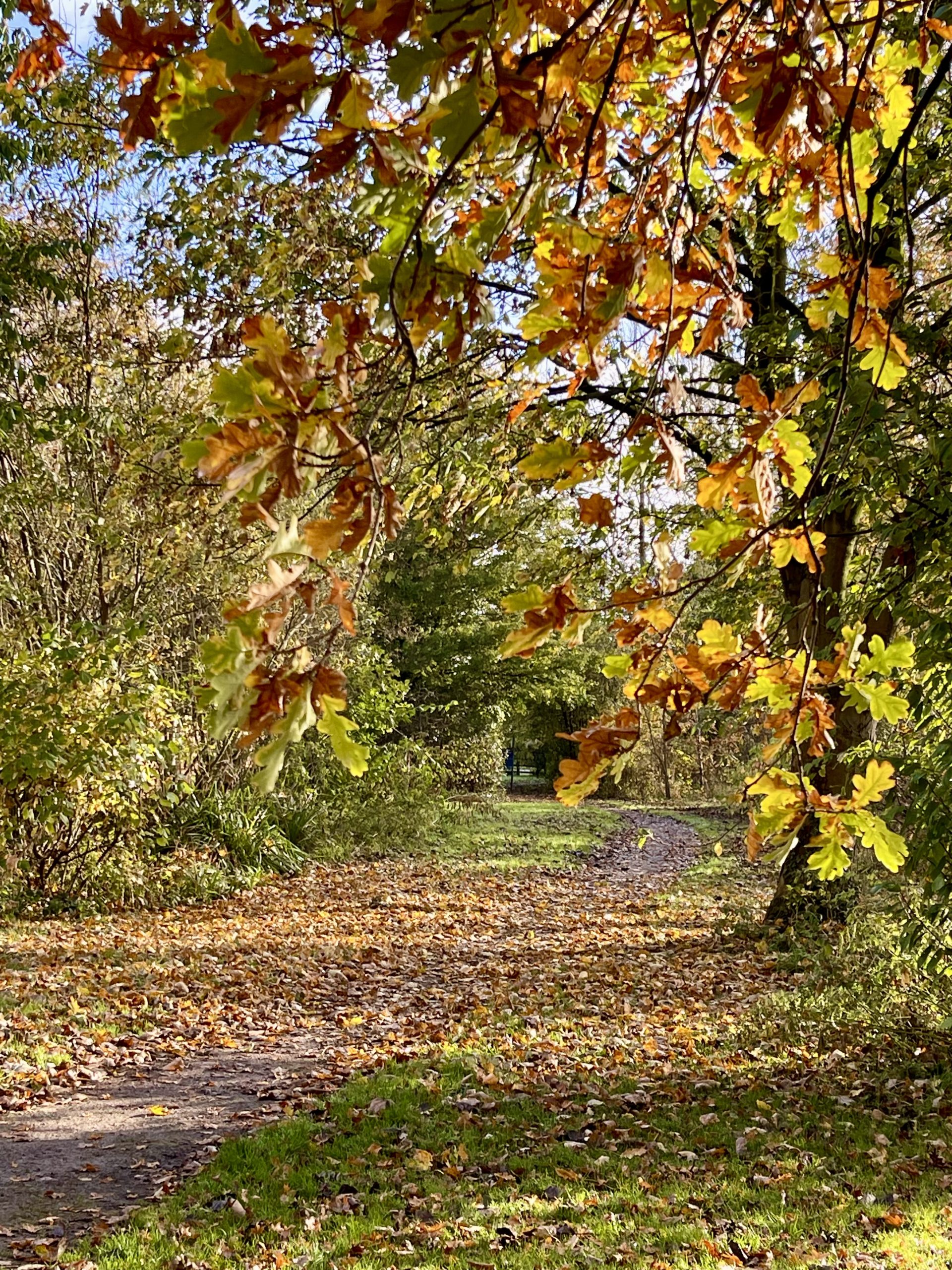
The connection between nature and improved health has become increasingly evident. Nature has a positive effect on both physical and mental health. Research into the benefits of nature has surged in recent years, underscoring how vital time outdoors can be for our well-being.

Spending time in green spaces like parks, forests, or even tree-lined streets has been linked to numerous health advantages. Studies suggest that exposure to nature can lead to lower blood pressure, a stronger immune system, a reduced risk of cardiovascular disease, and improved sleep quality. Intriguingly, time outdoors may even slow the aging process by preserving the length of telomeres, the protective caps on our chromosomes.

Research in England has shown that 2 hours a week in nature can boost health and wellbeing. The mental health benefits are just as significant. Time in nature has been shown to reduce stress, alleviate depressive symptoms, and enhance cognitive function. For example, a study involving nearly 100 participants found that a 40-minute walk in nature improved complex cognitive functions like problem-solving and multitasking more effectively than a walk through an urban environment.

Moreover, access to greenery can address disparities in health outcomes. Research has revealed that communities with less green space—often lower-income areas—tend to face higher health risks. However, increasing access to nature in these regions can help reduce health inequalities. Studies have shown that greater exposure to greenery provides a more substantial boost to the health of vulnerable populations, suggesting a pathway for policy-driven improvements in community well-being.

In a world that often feels fast-paced and stressful, nature offers a valuable respite. Spending time outdoors encourages physical activity and fosters social connections, both of which are crucial for maintaining a healthy mind and body. Prioritising green spaces is not just about aesthetics; it’s about improving the quality of life for all. So, whether it’s a short walk in the park or simply sitting under a tree, embracing the outdoors can be a simple yet effective way to enhance our health.

Nature

The Importance of Reconnecting Children with Nature

Insights from the National Trust’s Report and The Lost Words


A National Trust’s Natural Childhood report
highlighted a growing concern: modern childhood is becoming increasingly disconnected from the natural world. With children spending more time indoors, this decline in outdoor freedom has been linked to rising rates of obesity, mental health issues, and a diminishing sense of wellbeing. The evidence is clear that nature plays a crucial role in a child’s development, both mentally and physically.

Author Robert Macfarlane and illustrator Jackie Morris tackled this disconnection with their book The Lost Words. Inspired by studies revealing children’s growing familiarity with digital media over nature, Macfarlane crafted a poetic and visual “spell book” designed to revive nature literacy. The book serves as a bridge between children and nature, teaching them to recognise and appreciate common plants and animals that are vanishing from both their vocabulary and daily experiences.

The cultural impact of The Lost Words has been immense. It sparked a wave of fundraising campaigns to ensure that the book reached schools across Scotland, Greater London, parts of England and Wales, and even 220 hospices across Britain. Its influence also extended to concerts, folk music adaptations, and art exhibitions. All of these initiatives serve one goal: to reconnect children and adults alike with the magic of the natural world.

Macfarlane’s work, rooted in a broader concern raised by the National Trust, reminds us that restoring a child’s connection to nature is not just about the past. It is about ensuring a healthier, more balanced future for both children and the environment they will grow up to protect. In his words: “It is not just children who need nature; nature needs children too.”

Health

Embrace Nature to Boost Your Well-Being

F0fbe033 2ec9 4204 A31c 5b44f9600559

Inspiration from Kate Humble

Nature has a profound impact on our well-being -TV presenter Kate Humble offers simple yet powerful ways to harness its benefits. Here are her top tips:

  1. Take a 15-Minute “Holiday:

    Enjoy a mindful walk without distractions, immersing yourself in nature’s beauty. It’s great for your mental health and your sense of wellbeing. A walk around a park is great, but do it mindfully. Think of it as a tiny little holiday in your day, even if it’s 15 minutes. Go and smell the roses, listen to buzzing bees, and look at the sky. Sometimes just looking up is all you need to do to feel better.

  2. Start Gardening:

    Grow plants, even in small spaces, to connect with nature and improve mental health. Grow flowers, vegetables and d herbs. It’s good for you and it helps the environment. The joy of putting a seed in the earth and seeing something grow will make you feel wonderful too.

  3. Make Eco-Friendly Changes:

    Small lifestyle tweaks, like reducing waste or using public transport, can enhance your well-being and help the planet. Every small bit adds up and can help nature recover essential habitats for wildlife.

  4. Find Daily Joys:

    Take screen brakes, slow down and find satisfaction in small, meaningful tasks. Enjoy preparing a meal with fresh ingredients. Tidying up and decluttering create space and can be very satisfying.

  5. Try Cold-Water Swimming:

    Experience the invigorating effects of wild swimming for a refreshing boost. It’s energising and uplifting. 

For more inspiration from Kate, enjoy her book A Year of Living Simply

Health

The Benefits of Daily Walking


Walking is one of the simplest yet most effective ways to improve your health. Recent research highlights that even short walks and a leisurely pace can have significant benefits.

Physical Health Benefits

  1. Cardiovascular Health: Regular walking helps lower blood pressure and reduces the risk of heart disease.
  2. Weight Management: Walking, even for short periods, helps in burning calories and maintaining a healthy weight.
  3. Bone Health: It strengthens bones and improves balance, reducing the risk of osteoporosis.

Mental Health Boost

  1. Mood Enhancement: Walking releases endorphins, which help improve mood and reduce stress.
  2. Cognitive Function: Regular walking can improve memory and cognitive function, potentially lowering the risk of dementia.

Embrace Short Walks and Dawdling

It’s perfectly fine to walk at a leisurely pace. The key is consistency and making walking a part of your daily routine.

Practical Tips

  • Aim for Daily Walks: Even 10-15 minutes can make a difference.
  • Enjoy the Journey: Take time to enjoy your surroundings, which can make walking more enjoyable and less of a chore.
  • Incorporate Walking into Your Day: Park further from your destination or take short walking breaks during the day.

Walking is a low-impact, accessible exercise that offers extensive health benefits. Whether you take a brisk walk or a leisurely stroll, every step counts towards a healthier you.

Health

Walking for Back Pain

A Simple Step Towards Relief

Back pain can affect anyone at any time. With nearly 60% of people experiencing it at some point, finding effective and accessible solutions is crucial. Recent research sheds light on a surprisingly simple yet potent remedy: walking. This blog explores how regular strolls can alleviate back pain and improve overall well-being.

The Power of a Daily Walk

According to a study conducted by Macquarie University in Sydney, walking for just 30 minutes five times a week can significantly reduce the recurrence of lower back pain. The study, published in The Lancet, involved 701 patients who had recently experienced lower back pain. Those who incorporated regular walks into their routine reported remaining pain-free nearly twice as long as those who did not, with the walking group averaging 208 days without pain compared to 112 days for the non-walking group.

Why Walking Works

While the precise mechanisms by which walking alleviates back pain are still being studied, several factors likely contribute to its effectiveness:

  • Gentle Movements: Walking involves gentle, oscillatory movements that help load and strengthen spinal structures and muscles without causing strain.
  • Endorphin Release: Like other forms of exercise, walking triggers the release of endorphins—natural chemicals in the brain that promote a sense of well-being and act as pain relievers.
  • Stress Relief: Walking, especially in natural settings, provides mental relaxation and stress relief, which can help reduce muscle tension and pain.
  • Improved Posture and Muscle Tone: Regular walking helps enhance posture and strengthen the muscles supporting the spine, reducing the risk of future pain episodes.

Broad Health Benefits of Walking

Beyond its benefits for back pain, walking is a powerful tool for overall health. It supports cardiovascular health, enhances bone density, helps maintain a healthy weight, and boosts mental health. According to Dr. Natasha Pocovi of Macquarie University, walking not only improves quality of life but also reduces the need for healthcare support and the amount of time taken off work by approximately half.

How to Start Walking for Back Pain Relief

Incorporating walking into your daily routine is simple and requires no special equipment. Here’s how to get started:

  1. Set a Goal: Aim for 30 minutes of walking, five days a week. You can split this into shorter sessions if needed.
  2. Choose Comfortable Footwear: Wear supportive shoes to protect your feet and joints.
  3. Start Slowly: If you’re new to walking, start with shorter distances and gradually increase your time and pace.
  4. Maintain Good Posture: Keep your head up, shoulders back, and engage your core muscles while walking.
  5. Vary Your Route: Explore different paths and environments to keep your walks interesting and enjoyable.
  6. Incorporate Movement Breaks: If you have a sedentary job, take short walking breaks throughout the day to reduce stiffness and improve circulation.

Making Walking a Habit

Consistency is key to reaping the benefits of walking. Here are some tips to help you stick with it:

  • Set Reminders: Schedule your walks like any other appointment and set reminders on your phone or calendar.
  • Find a Walking Buddy: Walking with a friend or family member can make the activity more enjoyable and help you stay motivated.
  • Track Your Progress: Use a pedometer or smartphone app to track your steps and celebrate milestones.
  • Mix It Up: Combine walking with other enjoyable activities, such as listening to music, podcasts, or audiobooks.

The Future of Back Pain Management

Walking presents a practical and accessible solution for managing and preventing back pain. Unlike other exercise-based interventions that require supervision or expensive equipment, walking can be easily implemented by anyone, anywhere. This simple practice holds the potential to be widely adopted, offering relief to millions of back pain sufferers worldwide.

Regular walking offers a straightforward and effective way to reduce pain, improve your quality of life, and boost your overall health. So, lace up your walking shoes and take those first steps towards a pain-free and healthier you. Embrace the simplicity and power of walking to enjoy a life of greater comfort and vitality.