Nature

Blue Prescribing

The Healing Power of Water

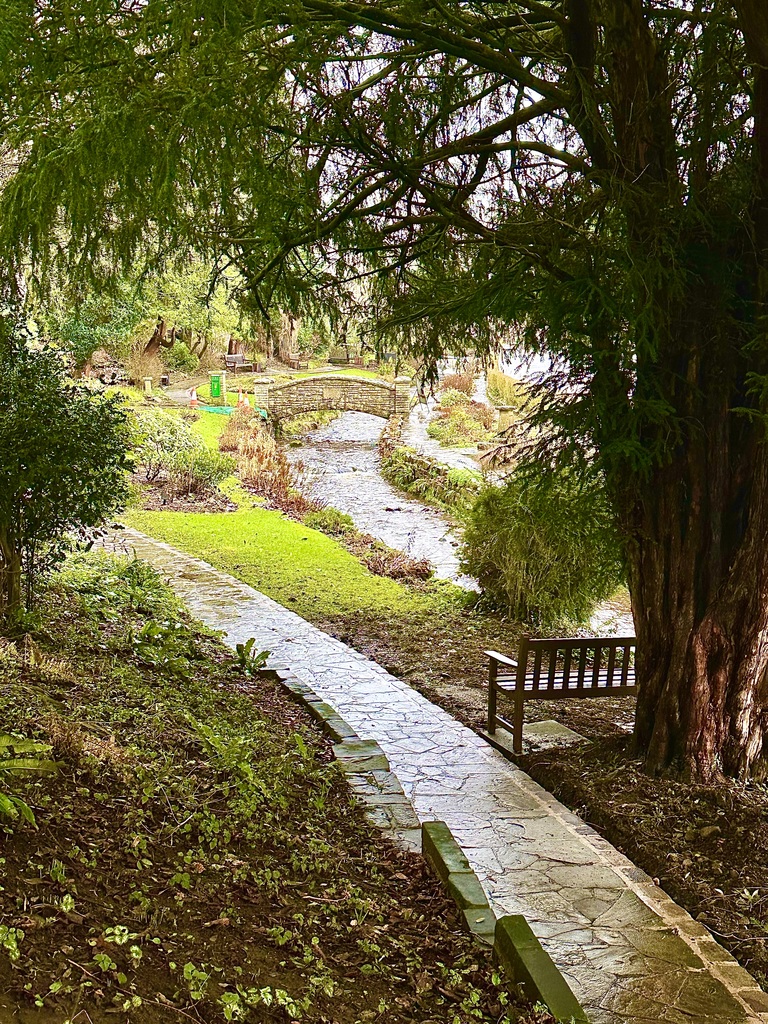
In a world increasingly dominated by urban landscapes, the disconnection from nature has been linked to a rise in mental health issues. Emerging research underscores the profound impact natural environments have on human health, both mental and physical. Among these natural environments, “blue spaces”—areas featuring bodies of water like lakes, rivers, and oceans—are garnering attention for their unique and potent health benefits.

The Science Behind Blue Spaces

Natural settings are known to trigger immediate positive changes in our bodies. Viewing natural scenery can lower salivary cortisol, improve blood flow, reduce blood pressure, and alter brain activity in beneficial ways. Moreover, exposure to environmental microbes can strengthen our immune systems. While green spaces such as parks and forests have long been celebrated for these effects, blue spaces might offer even greater benefits.

Psychological and Physiological Benefits

Kate Campbell, a health psychology researcher, highlights how blue spaces provide a sensory escape from daily stresses. The soothing sounds of crashing waves, the smell of salty air, and the tactile sensation of sand underfoot can induce a state of relaxation and mental respite. This connection to water is deeply ingrained, harking back to evolutionary times when proximity to water signified food, safety, and comfort.

The concept of “blue health” was bolstered by a University of Sussex study that found people reported the highest levels of happiness when in blue spaces. Subsequent research from Glasgow Caledonian University (GCU) demonstrated that time spent in blue spaces reduces stress, anxiety, obesity, cardiovascular disease, and the risk of premature death. The findings also linked these environments to improved body mass index (BMI) and overall health.

The Therapeutic Potential of Blue Prescribing

In response to these findings, healthcare practitioners are beginning to explore “blue prescribing.” This innovative approach involves directing patients to spend time in blue spaces as part of their treatment plans. For example, the Wildfowl and Wetlands Trust (WWT) runs a Blue Prescribing scheme, offering guided walks and sensory activities in wetland areas. Participants, including those with chronic conditions or mental health issues, have reported significant improvements in their well-being.

Participants found that regular visits to blue spaces dramatically improved mental health issues such as depression and anxiety, underscoring the potential of blue spaces to provide therapeutic benefits that traditional treatments might not achieve.

Broader Implications and Future Research

The benefits of blue spaces extend beyond individual health. Enhancing and preserving these environments can also address broader societal issues such as urban liveability, climate resilience, and biodiversity. Ongoing research, including a feasibility study by the University of Exeter, aims to further validate blue spaces as a clinical treatment, potentially transforming healthcare approaches. By fostering greater access to blue spaces, we can enhance public health, enrich our communities, and reconnect with the soothing, healing power of water.
Nature

It’s May, the Veil is Thin, Let’s Connect with the Spirits of Nature 

Nature’s Signs, Symbols, and Synchronicity


In the busy-ness of modern life, finding moments of peace and serenity can be a challenge. Yet, nature offers us a sanctuary of stillness and reflection, inviting us to immerse ourselves in its beauty and wisdom. When we mindfully engage, we can learn to observe and interpret the signs, symbols, and metaphors that nature presents, guiding us towards a deeper understanding of ourselves and the world around us.

The Language of Nature

Nature communicates with us in a language of its own, speaking through the rustle of leaves, the dance of sunlight, and the whispers of the wind. Each element of the natural world carries its own symbolism and significance, offering insights into our innermost thoughts and emotions.

The Sacred Circle of Life

One of nature’s most powerful symbols is the circle, representing the cycle of life, death, and rebirth. From the rising and setting of the sun to the changing seasons, the circle reminds us of the eternal rhythm of existence. By observing the cyclical patterns in nature, we can learn to embrace the ebb and flow of life with grace and acceptance.

The Wisdom of Trees

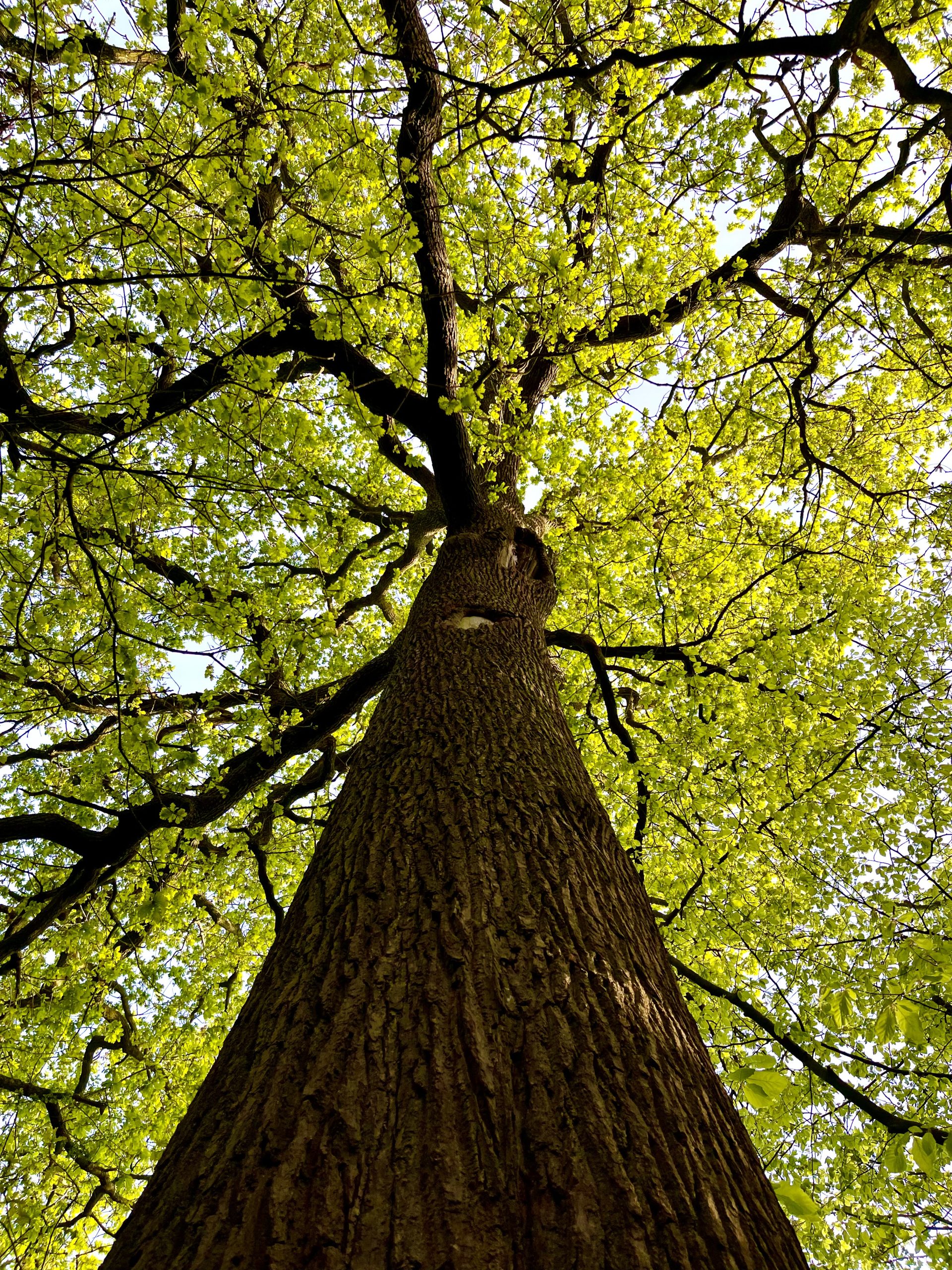
Trees stand as ancient guardians of wisdom, rooted firmly in the earth yet reaching towards the sky. As symbols of strength, resilience, and growth, trees teach us the importance of staying grounded while aspiring to new heights. By connecting with the energy of trees, we can find solace and inspiration in their quiet strength and unwavering presence.

The Dance of Water

Water flows in graceful arcs, carving its path through the landscape with gentle persistence. Symbolising emotion, intuition, and adaptability, water reminds us to go with the flow and trust in the journey. Whether gazing upon a tranquil lake or listening to the soothing rhythm of raindrops, we can find peace in the fluidity of water’s movement.

The Flight of Birds

Birds take to the skies with freedom and grace, soaring above the earthly realm with effortless elegance. As symbols of freedom, perspective, and spirituality, birds encourage us to rise above our limitations and embrace the vastness of the universe. By observing the flight of birds, we can cultivate a sense of liberation and expansiveness in our own lives.

The Quiet Wisdom of Stones

Stones hold the ancient wisdom of the earth, silent witnesses to the passage of time. With their solid presence and grounding energy, stones symbolise stability, balance, and endurance. By meditating with stones or creating stone mandalas, we can tap into their quiet wisdom and find inner peace amidst life’s challenges.

Find Magic in Nature Spirits

Nature spirits, such as fairies, nymphs and dragons, often depicted as mystical beings in folklore and mythology, play a significant role in our connection with nature. Nature spirits are believed to inhabit trees, flowers, rivers, mountains, and other natural features, embodying the essence and energy of their surroundings. In folklore and mythology, fairies are believed to inhabit forests, meadows, and other natural settings, where they care for plants, animals, and the environment. May is the time when the veil is thinnest and they can be perceived easier. Whether we believe in them as literal beings or symbolic representations, the idea of these mystical beings can inspire a childlike curiosity and encourages us to see the world around us with a sense of wonder, magic and enchantment. Engaging with the concept of nature spirits can deepen our appreciation for the intricate web of life and the unseen forces at work in the natural world. Whether we perceive them as guardians of the forest or simply as symbolic representations of the Earth’s vitality, acknowledging nature spirits can enrich our mindfulness practice and foster a sense of interconnectedness with all living things.

Practicing Mindfulness in Nature

To fully engage with the signs, symbols, and metaphors of nature, we must approach each moment with a spirit of mindfulness and presence. Here are some simple practices to deepen your connection with nature:

  1. Nature Walks: Take regular walks in nature, paying attention to the sights, sounds, and sensations around you.
  2. Nature Journaling: Keep a journal to record your observations, thoughts, and feelings while in nature.
  3. Meditation: Find a quiet spot in nature to sit and meditate, focusing on your breath and the natural world around you. Connect with a tree, tune into its wisdom and receive its unique message to you.
  4. Symbolic Rituals: Create rituals or ceremonies using elements from nature, such as stones, flowers, or water, to honour the cycles of life.
  5. Creative Expression: Use art, poetry, or storytelling to express your experiences and insights gained from nature.

As we open ourselves to the wisdom of nature, we awaken to the beauty, wonder, and interconnectedness of all things. The signs, symbols, and synchronicities of nature, beautifully facilitate our transformative journey of self-discovery, imagination, inspiration, and joy along the way.

Nature

Connecting with Nature

7 Free and Effortless Ways to Boost Your Wellbeing

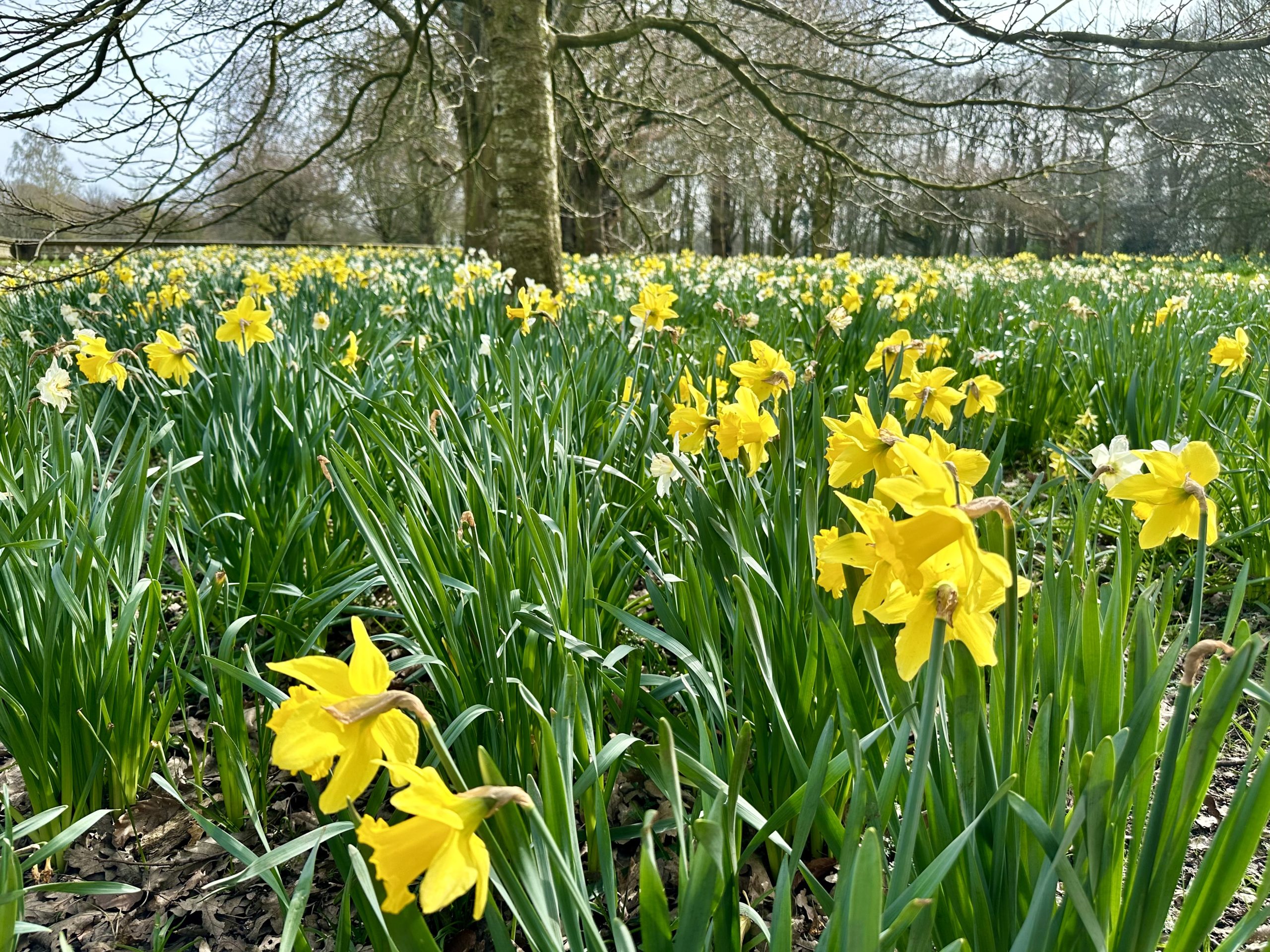
As spring unfolds its vibrant colours and fragrances, there’s an innate sense of positivity and renewal in the air. Harnessing the power of the changing seasons, it’s the perfect time to embark on a journey towards greater happiness and wellbeing. While grand resolutions may seem daunting, science suggests that small, effortless changes can pave the way for a brighter, more joyful life.

Professor Paul Dolan, a distinguished expert in behavioral science, emphasizes the importance of finding happiness in the everyday moments. Combining activities that bring pleasure with those that infuse purpose can have a profound impact on our mood and overall attitude. In this quest for happiness, nature emerges as a potent ally, offering countless opportunities for rejuvenation and connection. Let’s explore seven science-backed, nature-specific ways to enhance your wellbeing:

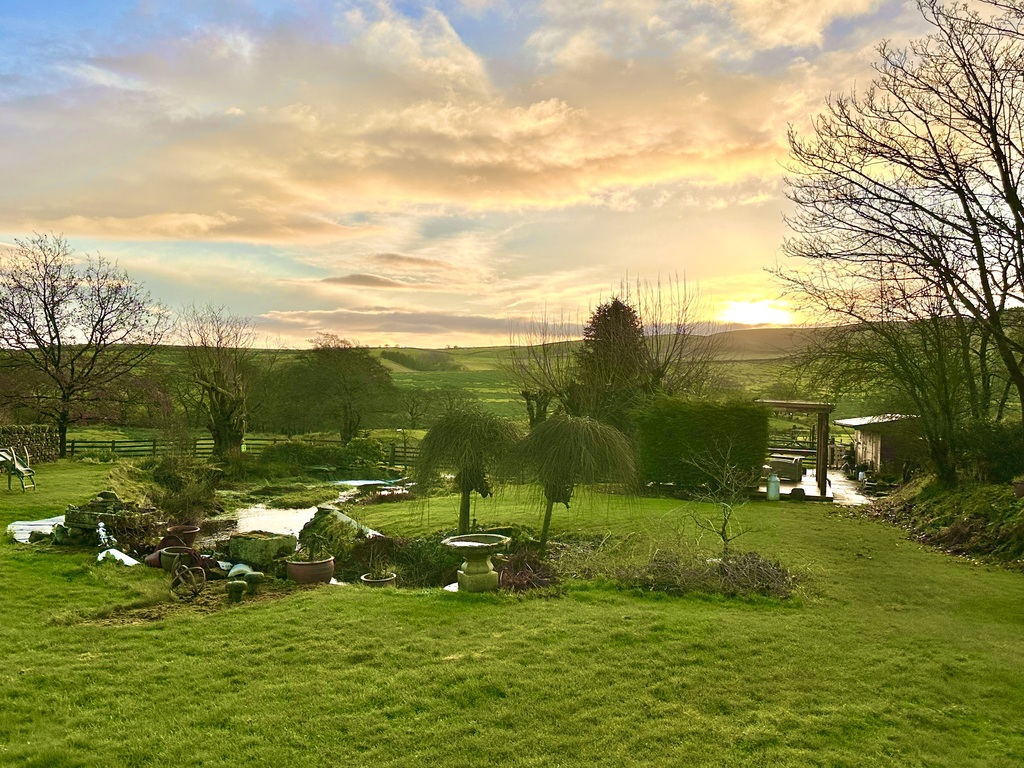
1. Witness the Sunrise: Step outside and bask in the awe-inspiring beauty of a sunrise. Research published in the Journal of Environmental Psychology highlights the profound effect of natural phenomena on our mental state. Whether it’s the golden hues painting the sky or the tranquil stillness of dawn, allowing yourself to be immersed in the splendor of nature can uplift your mood and instill a sense of wonder.

2. Take a Breath of Fresh Air: Engage in “cyclic sighing,” a practice shown to have a greater mood-boosting effect than mindfulness. Deep inhalations followed by slow exhalations can induce a sense of calm and relaxation, aligning your body with its natural rhythms. Spend a few minutes each day practicing this breathing exercise amidst the soothing embrace of nature.

3. Listen to Birdsong: Studies have found that listening to birdsong alleviates anxiety, calms stress, lifts the mood and shows time-lasting improvements in mental well-being.

4. Plan a Nature Excursion: Anticipation can be a potent source of happiness. Whether it’s a weekend getaway or a simple day trip, immerse yourself in the joy of planning and envisioning your outdoor adventure. The mere thought of exploring nature’s wonders can evoke feelings of excitement and anticipation, fuelling your spirits with newfound vigour.

5. Engage in Gardening: Dedicate 10 minutes to tending to your garden or clearing a green space. The act of nurturing plants not only fosters a sense of accomplishment but also exposes you to beneficial soil bacteria known to elevate mood. Allow the earthy scent of soil and the vibrant colours of foliage to replenish your senses and rejuvenate your spirit.

6. Seek Serenity by Water: Whether it’s a leisurely stroll along the shore or a moment of quiet contemplation by a tranquil lake, immerse yourself in the calming presence of water. Research suggests that “blue space” exerts a profound positive effect on mental health, surpassing even the benefits of green space. Let the gentle rhythm of waves and the vast expanse of water soothe your mind and invigorate your soul.

7. Share Moments of Vulnerability: Strengthen your bonds with loved ones by opening up and sharing your innermost thoughts and feelings. Research underscores the transformative power of authentic connections, highlighting the significance of genuine interactions in fostering happiness and wellbeing. Whether it’s a heartfelt conversation amidst the beauty of nature or a shared moment of vulnerability under the canopy of trees, cherish the intimacy of human connection as you navigate life’s journey.

By maximising the profound connection between nature and wellbeing, we can cultivate a deeper sense of joy, gratitude, and harmony with the natural world. So, venture outdoors, breathe in the crisp air, and allow nature to be your nourishing nurturing source of wellness, happiness and fulfilment.

Nature

Scandinavian Outdoor Living Secret to Happiness 


In Scandinavia, where long, dark winters reign, there exists a cultural phenomenon deeply ingrained in the fabric of society called friluftsliv. This Norwegian term translates to “open-air living” and embodies the Scandinavian philosophy of embracing the outdoors regardless of the season. They also see it as a spiritual connection with nature, a deeper sense of de-stressing in nature and sharing in a common culture. Could this outdoor life hold the key to Norwegians’ health and happiness? Scandinavian countries like Denmark, Sweden, and Norway consistently rank among the happiest in the world. Despite their long, cold, dark winters, Scandinavians have mastered the art of finding happiness in nature, showcasing the profound connection between outdoor living and well-being.

Friluftsliv: The Essence of Scandinavian Living

Friluftsliv encapsulates the idea of immersing oneself in nature to nurture the body, mind, and spirit. It’s more than just a leisure activity; it’s a way of life deeply rooted in Nordic culture. From hiking and camping to skiing and foraging, friluftsliv encompasses a wide range of outdoor pursuits that foster a sense of freedom, adventure, and connection with the natural world.

Finding Joy in Every Season

In Scandinavia, where winters are long and daylight is scarce, embracing the season is key to unlocking the secrets of friluftsliv. Instead of retreating indoors, Scandinavians embrace the winter months with enthusiasm, finding beauty and joy in activities like cross-country skiing, ice fishing, and even polar plunges. This way they cultivate resilience and appreciation for the changing seasons.

The Benefits of Outdoor Living: Happiness in Nature

Research has shown that spending time outdoors has numerous benefits for mental and physical well-being. In Scandinavia, where friluftsliv is deeply ingrained in everyday life, these benefits are amplified. From reducing stress and anxiety to boosting mood and creativity, outdoor living plays a pivotal role in fostering happiness and resilience in the face of adversity. This love of nature is taught early. Even small children in kindergarten sleep outdoors in their prams in winter. Norwegian parents expect this as they value fresh air. At many nurseries, toddlers spend 80% of their time outside.

Practical Tips for Embracing Friluftsliv:

  • Explore Local Trails: Discover the beauty of your surroundings by exploring hiking trails, nature reserves, and scenic viewpoints.
  • Engage in Seasonal Activities: Embrace seasonal activities like berry picking in the summer, mushroom foraging in the autumn, and ice skating in the winter.
  • Connect with Community: Join outdoor clubs, meet-up groups, or community events to connect with like-minded individuals who share your passion for friluftsliv.
  • Practice Mindfulness: Take time to pause and appreciate the beauty of nature, whether it’s the crisp winter air or the vibrant colours of autumn foliage.
  • Unplug and Reconnect: Disconnect from technology and immerse yourself fully in the present moment, allowing nature to rejuvenate your mind and spirit.
  • Embrace Hygge: The Danish concept of hygge (coziness) means enjoying hot drinks, hearty meals, and intimate gatherings with loved ones after a day spent outdoors.

Scandinavian outdoor living is a testimony to the enduring human spirit and its profound connection to nature. Through friluftsliv, Scandinavians find happiness, resilience, and fulfilment regardless of the season. Embracing the principles of friluftsliv in our own lives, may help discovering the transformative power of outdoor living and the joy and health it brings.

Health

Step Out Get Light


There’s an important link between light exposure and wellbeing. Recent studies emphasise the significance of shortwave, blue-white morning light—peaking between 7am and 11am—for our health and wellbeing. This radiant light not only boosts alertness but also enhances memory, brain function, and mood. Lack of exposure to natural light can disrupt our circadian rhythms, impacting everything from sleep hormones to our overall mood.

Effects of Light Deprivation

The absence of the right light at the right time can profoundly affect our emotional and cognitive well-being. Seasonal Affective Disorder (SAD) common in winter, exhibits symptoms such as poor sleep, low mood, irritability and overeating. A lack of daylight can influence energy levels, mood, and the inclination to hibernate until Spring.

Impact on Sleep Cycles

Morning light is key for synchronising your body clock. Morning sunlight serves as a cue, helping reset our circadian rhythms, which are vital for maintaining a 24-hour sleep-wake cycle. Without this natural light exposure, our bodies can fall out of sync, making it challenging to wake up in the morning and leading to fragmented sleep at night.

The Shift to Indoor Living

Modern lifestyles, characterised by indoor living with artificial lighting, disrupts our internal clocks, contributing to mood alterations. Spending at least 30 minutes outdoors each morning can alleviate these issues and can impact mood positively.

The Antidepressant Power of Light

Recent studies propose that light could function as a natural antidepressant, with evidence indicating its efficacy comparable to pharmaceutical antidepressants. Exposure to sunlight has been linked to an immediate increase in serotonin levels in the brain, providing a potential remedy for mood disorders.

Prescription for Well-Being: Morning Light Bathing

Morning light bathing is recommended for a proactive measure for maintaining mental and physical health. This prescription involves spending time outdoors, ideally in the early part of the day, to benefit from the natural light exposure. Even on overcast days, the outdoor light level surpasses that of indoor settings, emphasising the importance of outdoor exposure.

How can you manage your own light therapy?

Outdoor Time: Prioritise outdoor activities, even during lunch breaks, to soak in the available natural light.
Home Illumination: Ensure your living space is naturally lit during the day by opening curtains, rolling up blinds, and cleaning windows.
Nighttime Routine: Embrace dim light conditions during the evening to facilitate melatonin production, aiding in preparing the body and brain for sleep.
Device Detox: Steer clear of electronic devices at least an hour before bedtime to minimize exposure to blue light.
For year-round vitality, stepping into the light—both outdoors and within our homes—becomes a fundamental part of the prescription for a brighter and healthier life. Embrace the morning light, let it guide your circadian rhythms and positively impact your overall well-being.

Here’s to brighter days!

Health

Embrace the Chill for Fitness and Health 

Cold weather is good for you. As January rolls in and resolutions are made, the idea of exercising outdoors in the cold might not seem enticing. However, recent studies suggest that stepping into the chilly embrace of winter can bring about a multitude of health benefits. In his recent Cold Therapy BBC Radio 4 podcast, Dr Michael Mosley heralds winter temperatures as therapeutic. “The cold can be harnessed in ways that can help our health and wellbeing”, he said. Drawing insights from science let’s explore how incorporating cold exposure into your health and fitness routine can accelerate fat loss, boost metabolism, and contribute to overall well-being.

Metabolism Boost and Fat Loss

Contrary to the cosy confines of centrally heated spaces, exposing your body to cooler temperatures can kickstart bodily mechanisms that burns calories efficiently, aiding in weight management.

Optimised Outdoor Exercise

According to exercise scientists, colder weather workouts can be more beneficial than you think. Studies suggest that, compared to exercising in heat, colder conditions put less stress on the heart. Additionally, your heart rate and body temperature rise more gradually, making the workout feel less strenuous.

Quality Sleep and Caloric Burn

Adjusting your bedroom temperature downward can lead to better sleep and increased calorie burn. Research indicates that cooling the bedroom gradually, reaching a cool but comfortable temperature, can activate brown fat stores, burning calories as efficiently as a gentle bike ride. The metabolic advantages gained from sleeping in a colder room underscore the potential health benefits of embracing the chill.

Blood Sugar Control and Lowering the Thermostat

Lowering your home’s thermostat isn’t just about saving on heating bills; it’s about improving your health. Studies show that exposure to colder temperatures can enhance glucose metabolism, a key factor in managing blood sugar levels and reducing the risk of type 2 diabetes. Incremental changes in thermostat settings contribute to a better metabolism and a healthier body.

Cold Water Therapy

A simple addition to your daily routine, cold water blasts during a shower can have profound effects on mood and immune support. Exposure to cold activates the sympathetic nervous system, releasing endorphins that improve mood. Additionally, cold-water bursts stimulate leukocytes, blood cells that fight infection, contributing to overall immune system health.

Stress Relief through Outdoor Dips

For those willing to brave it, outdoor winter swimming or cold-water exposure might be a stress-relief game-changer. Studies indicate improvements in tension, fatigue, memory, and mood among individuals practicing winter swimming. Cold water induces a stress reaction that activates the sympathetic nervous system, influencing hormones that impact mood positively.

As you embark on your health journey in January, consider embracing the cold as a valuable ally. You don’t have to do anything extreme. Just go for a brisk walk and reap the benefits of cold exposure. The chill can be a powerful force for overall well-being. So, layer up, step outside, and let the cold become a catalyst for a healthier, more invigorated you.