Health

The Benefits of Daily Walking


Walking is one of the simplest yet most effective ways to improve your health. Recent research highlights that even short walks and a leisurely pace can have significant benefits.

Physical Health Benefits

  1. Cardiovascular Health: Regular walking helps lower blood pressure and reduces the risk of heart disease.
  2. Weight Management: Walking, even for short periods, helps in burning calories and maintaining a healthy weight.
  3. Bone Health: It strengthens bones and improves balance, reducing the risk of osteoporosis.

Mental Health Boost

  1. Mood Enhancement: Walking releases endorphins, which help improve mood and reduce stress.
  2. Cognitive Function: Regular walking can improve memory and cognitive function, potentially lowering the risk of dementia.

Embrace Short Walks and Dawdling

It’s perfectly fine to walk at a leisurely pace. The key is consistency and making walking a part of your daily routine.

Practical Tips

  • Aim for Daily Walks: Even 10-15 minutes can make a difference.
  • Enjoy the Journey: Take time to enjoy your surroundings, which can make walking more enjoyable and less of a chore.
  • Incorporate Walking into Your Day: Park further from your destination or take short walking breaks during the day.

Walking is a low-impact, accessible exercise that offers extensive health benefits. Whether you take a brisk walk or a leisurely stroll, every step counts towards a healthier you.

Health

Walking for Back Pain

A Simple Step Towards Relief

Back pain can affect anyone at any time. With nearly 60% of people experiencing it at some point, finding effective and accessible solutions is crucial. Recent research sheds light on a surprisingly simple yet potent remedy: walking. This blog explores how regular strolls can alleviate back pain and improve overall well-being.

The Power of a Daily Walk

According to a study conducted by Macquarie University in Sydney, walking for just 30 minutes five times a week can significantly reduce the recurrence of lower back pain. The study, published in The Lancet, involved 701 patients who had recently experienced lower back pain. Those who incorporated regular walks into their routine reported remaining pain-free nearly twice as long as those who did not, with the walking group averaging 208 days without pain compared to 112 days for the non-walking group.

Why Walking Works

While the precise mechanisms by which walking alleviates back pain are still being studied, several factors likely contribute to its effectiveness:

  • Gentle Movements: Walking involves gentle, oscillatory movements that help load and strengthen spinal structures and muscles without causing strain.
  • Endorphin Release: Like other forms of exercise, walking triggers the release of endorphins—natural chemicals in the brain that promote a sense of well-being and act as pain relievers.
  • Stress Relief: Walking, especially in natural settings, provides mental relaxation and stress relief, which can help reduce muscle tension and pain.
  • Improved Posture and Muscle Tone: Regular walking helps enhance posture and strengthen the muscles supporting the spine, reducing the risk of future pain episodes.

Broad Health Benefits of Walking

Beyond its benefits for back pain, walking is a powerful tool for overall health. It supports cardiovascular health, enhances bone density, helps maintain a healthy weight, and boosts mental health. According to Dr. Natasha Pocovi of Macquarie University, walking not only improves quality of life but also reduces the need for healthcare support and the amount of time taken off work by approximately half.

How to Start Walking for Back Pain Relief

Incorporating walking into your daily routine is simple and requires no special equipment. Here’s how to get started:

  1. Set a Goal: Aim for 30 minutes of walking, five days a week. You can split this into shorter sessions if needed.
  2. Choose Comfortable Footwear: Wear supportive shoes to protect your feet and joints.
  3. Start Slowly: If you’re new to walking, start with shorter distances and gradually increase your time and pace.
  4. Maintain Good Posture: Keep your head up, shoulders back, and engage your core muscles while walking.
  5. Vary Your Route: Explore different paths and environments to keep your walks interesting and enjoyable.
  6. Incorporate Movement Breaks: If you have a sedentary job, take short walking breaks throughout the day to reduce stiffness and improve circulation.

Making Walking a Habit

Consistency is key to reaping the benefits of walking. Here are some tips to help you stick with it:

  • Set Reminders: Schedule your walks like any other appointment and set reminders on your phone or calendar.
  • Find a Walking Buddy: Walking with a friend or family member can make the activity more enjoyable and help you stay motivated.
  • Track Your Progress: Use a pedometer or smartphone app to track your steps and celebrate milestones.
  • Mix It Up: Combine walking with other enjoyable activities, such as listening to music, podcasts, or audiobooks.

The Future of Back Pain Management

Walking presents a practical and accessible solution for managing and preventing back pain. Unlike other exercise-based interventions that require supervision or expensive equipment, walking can be easily implemented by anyone, anywhere. This simple practice holds the potential to be widely adopted, offering relief to millions of back pain sufferers worldwide.

Regular walking offers a straightforward and effective way to reduce pain, improve your quality of life, and boost your overall health. So, lace up your walking shoes and take those first steps towards a pain-free and healthier you. Embrace the simplicity and power of walking to enjoy a life of greater comfort and vitality.

Nature

It’s May, the Veil is Thin, Let’s Connect with the Spirits of Nature 

Nature’s Signs, Symbols, and Synchronicity
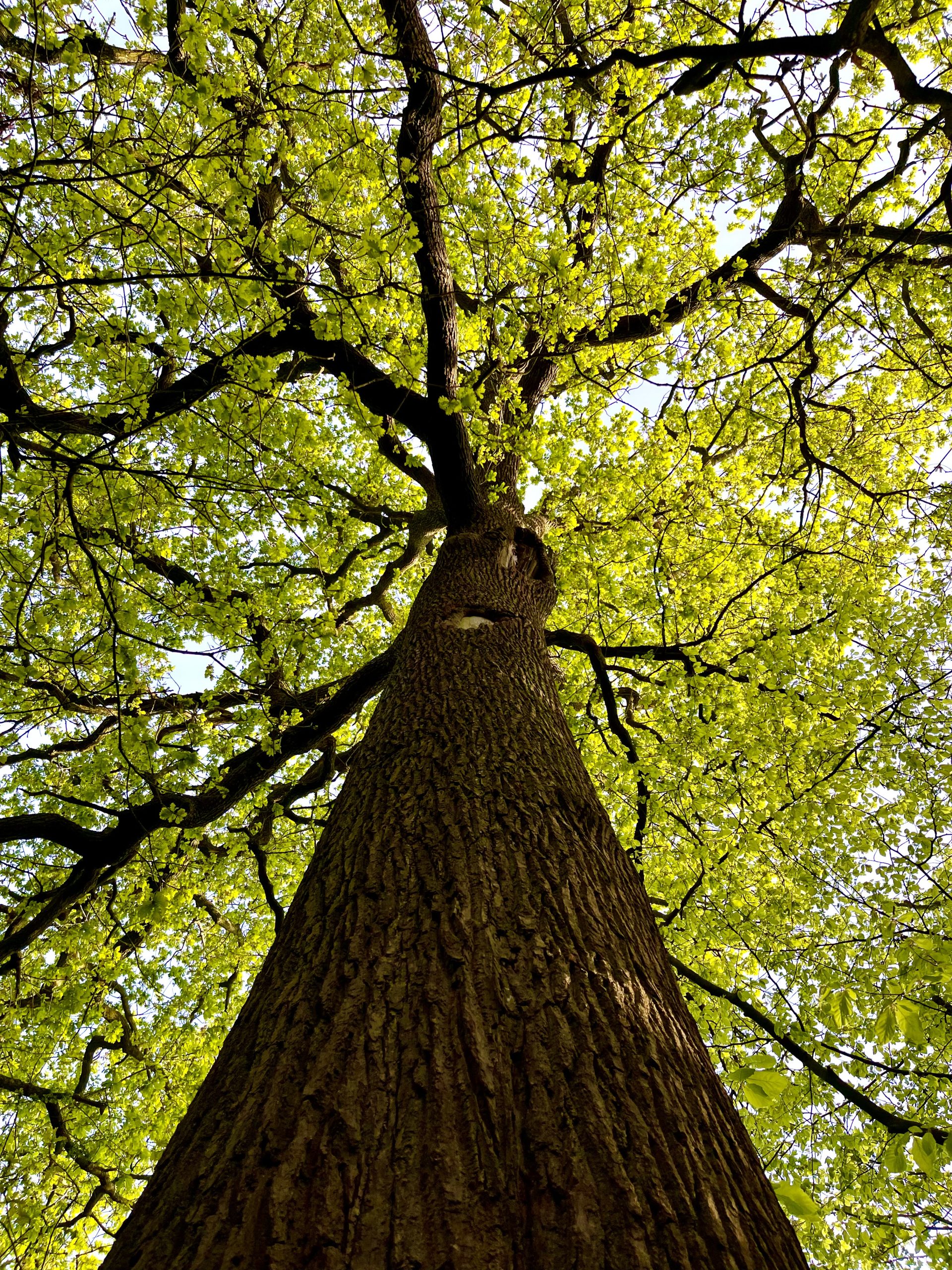

In the busy-ness of modern life, finding moments of peace and serenity can be a challenge. Yet, nature offers us a sanctuary of stillness and reflection, inviting us to immerse ourselves in its beauty and wisdom. When we mindfully engage, we can learn to observe and interpret the signs, symbols, and metaphors that nature presents, guiding us towards a deeper understanding of ourselves and the world around us.

The Language of Nature

Nature communicates with us in a language of its own, speaking through the rustle of leaves, the dance of sunlight, and the whispers of the wind. Each element of the natural world carries its own symbolism and significance, offering insights into our innermost thoughts and emotions.

The Sacred Circle of Life

One of nature’s most powerful symbols is the circle, representing the cycle of life, death, and rebirth. From the rising and setting of the sun to the changing seasons, the circle reminds us of the eternal rhythm of existence. By observing the cyclical patterns in nature, we can learn to embrace the ebb and flow of life with grace and acceptance.

The Wisdom of Trees

Trees stand as ancient guardians of wisdom, rooted firmly in the earth yet reaching towards the sky. As symbols of strength, resilience, and growth, trees teach us the importance of staying grounded while aspiring to new heights. By connecting with the energy of trees, we can find solace and inspiration in their quiet strength and unwavering presence.

The Dance of Water

Water flows in graceful arcs, carving its path through the landscape with gentle persistence. Symbolising emotion, intuition, and adaptability, water reminds us to go with the flow and trust in the journey. Whether gazing upon a tranquil lake or listening to the soothing rhythm of raindrops, we can find peace in the fluidity of water’s movement.

The Flight of Birds

Birds take to the skies with freedom and grace, soaring above the earthly realm with effortless elegance. As symbols of freedom, perspective, and spirituality, birds encourage us to rise above our limitations and embrace the vastness of the universe. By observing the flight of birds, we can cultivate a sense of liberation and expansiveness in our own lives.

The Quiet Wisdom of Stones

Stones hold the ancient wisdom of the earth, silent witnesses to the passage of time. With their solid presence and grounding energy, stones symbolise stability, balance, and endurance. By meditating with stones or creating stone mandalas, we can tap into their quiet wisdom and find inner peace amidst life’s challenges.

Find Magic in Nature Spirits

Nature spirits, such as fairies, nymphs and dragons, often depicted as mystical beings in folklore and mythology, play a significant role in our connection with nature. Nature spirits are believed to inhabit trees, flowers, rivers, mountains, and other natural features, embodying the essence and energy of their surroundings. In folklore and mythology, fairies are believed to inhabit forests, meadows, and other natural settings, where they care for plants, animals, and the environment. May is the time when the veil is thinnest and they can be perceived easier. Whether we believe in them as literal beings or symbolic representations, the idea of these mystical beings can inspire a childlike curiosity and encourages us to see the world around us with a sense of wonder, magic and enchantment. Engaging with the concept of nature spirits can deepen our appreciation for the intricate web of life and the unseen forces at work in the natural world. Whether we perceive them as guardians of the forest or simply as symbolic representations of the Earth’s vitality, acknowledging nature spirits can enrich our mindfulness practice and foster a sense of interconnectedness with all living things.

Practicing Mindfulness in Nature

To fully engage with the signs, symbols, and metaphors of nature, we must approach each moment with a spirit of mindfulness and presence. Here are some simple practices to deepen your connection with nature:

  1. Nature Walks: Take regular walks in nature, paying attention to the sights, sounds, and sensations around you.
  2. Nature Journaling: Keep a journal to record your observations, thoughts, and feelings while in nature.
  3. Meditation: Find a quiet spot in nature to sit and meditate, focusing on your breath and the natural world around you. Connect with a tree, tune into its wisdom and receive its unique message to you.
  4. Symbolic Rituals: Create rituals or ceremonies using elements from nature, such as stones, flowers, or water, to honour the cycles of life.
  5. Creative Expression: Use art, poetry, or storytelling to express your experiences and insights gained from nature.

As we open ourselves to the wisdom of nature, we awaken to the beauty, wonder, and interconnectedness of all things. The signs, symbols, and synchronicities of nature, beautifully facilitate our transformative journey of self-discovery, imagination, inspiration, and joy along the way.


Nature

Connecting with Nature

7 Free and Effortless Ways to Boost Your Wellbeing

As spring unfolds its vibrant colours and fragrances, there’s an innate sense of positivity and renewal in the air. Harnessing the power of the changing seasons, it’s the perfect time to embark on a journey towards greater happiness and wellbeing. While grand resolutions may seem daunting, science suggests that small, effortless changes can pave the way for a brighter, more joyful life.

Professor Paul Dolan, a distinguished expert in behavioral science, emphasizes the importance of finding happiness in the everyday moments. Combining activities that bring pleasure with those that infuse purpose can have a profound impact on our mood and overall attitude. In this quest for happiness, nature emerges as a potent ally, offering countless opportunities for rejuvenation and connection. Let’s explore seven science-backed, nature-specific ways to enhance your wellbeing:

1. Witness the Sunrise: Step outside and bask in the awe-inspiring beauty of a sunrise. Research published in the Journal of Environmental Psychology highlights the profound effect of natural phenomena on our mental state. Whether it’s the golden hues painting the sky or the tranquil stillness of dawn, allowing yourself to be immersed in the splendor of nature can uplift your mood and instill a sense of wonder.

2. Take a Breath of Fresh Air: Engage in “cyclic sighing,” a practice shown to have a greater mood-boosting effect than mindfulness. Deep inhalations followed by slow exhalations can induce a sense of calm and relaxation, aligning your body with its natural rhythms. Spend a few minutes each day practicing this breathing exercise amidst the soothing embrace of nature.

3. Listen to Birdsong: Studies have found that listening to birdsong alleviates anxiety, calms stress, lifts the mood and shows time-lasting improvements in mental well-being.

4. Plan a Nature Excursion: Anticipation can be a potent source of happiness. Whether it’s a weekend getaway or a simple day trip, immerse yourself in the joy of planning and envisioning your outdoor adventure. The mere thought of exploring nature’s wonders can evoke feelings of excitement and anticipation, fuelling your spirits with newfound vigour.

5. Engage in Gardening: Dedicate 10 minutes to tending to your garden or clearing a green space. The act of nurturing plants not only fosters a sense of accomplishment but also exposes you to beneficial soil bacteria known to elevate mood. Allow the earthy scent of soil and the vibrant colours of foliage to replenish your senses and rejuvenate your spirit.

6. Seek Serenity by Water: Whether it’s a leisurely stroll along the shore or a moment of quiet contemplation by a tranquil lake, immerse yourself in the calming presence of water. Research suggests that “blue space” exerts a profound positive effect on mental health, surpassing even the benefits of green space. Let the gentle rhythm of waves and the vast expanse of water soothe your mind and invigorate your soul.

7. Share Moments of Vulnerability: Strengthen your bonds with loved ones by opening up and sharing your innermost thoughts and feelings. Research underscores the transformative power of authentic connections, highlighting the significance of genuine interactions in fostering happiness and wellbeing. Whether it’s a heartfelt conversation amidst the beauty of nature or a shared moment of vulnerability under the canopy of trees, cherish the intimacy of human connection as you navigate life’s journey.

By maximising the profound connection between nature and wellbeing, we can cultivate a deeper sense of joy, gratitude, and harmony with the natural world. So, venture outdoors, breathe in the crisp air, and allow nature to be your nourishing nurturing source of wellness, happiness and fulfilment.

Food

Veganuary Reveals Surprising Benefits

As the new year begins, many embark on resolutions to improve their lives. You can achieve a host of new year’s goals by joining Veganuary – a commitment to a vegan lifestyle for the month of January. You can make it easier on yourself by going mostly plant-based if it seems a bit too restrictive. Contrary to common belief, transitioning to a vegan diet isn’t just about altruism or ethical considerations; it can significantly contribute to achieving various health goals. Let’s explore the many benefits of embracing a vegan lifestyle.

It’s Cost-Effective

It’s a common misconception that eating fresh vegetables is expensive. A vegan diet in reality, can be really budget-friendly. Adopting a vegan lifestyle and going plant-based makes a lot of financial sense which is great for January!

Health and Weight Loss

The health benefits of a vegan diet are well-documented. Science has showed a clear correlation between veganism and lower body weight. A vegan diet can be a great choice for those aiming for weight loss without sacrificing daily enjoyment of food.

Boost for the Immune System

A vegan lifestyle may act as a positive boost for the immune system. While not a replacement for other healthy habits, the study indicates a potential correlation between veganism and enhanced overall well-being. Most vegetables are known for their immune benefits due to their high mineral and vitamin content.

Easier Than You Think

Contrary to common misconceptions, adopting a vegan lifestyle can be easy and practical. In January we’re in the middle of winter and nothing is as hearty, warming and wholesome as a good vegetable soup, stew or curry. Cook a pot full of goodness and you have enough for a days. There’s no art to it. You can pretty much combine whatever vegetables you can lay your hands on. Here’s some inspiration for stews and soups.

Heart-Health Brilliance

Vegan diets are often associated with heart health and this study indicates that the lower intake of saturated fats in a vegan diet might contribute to better heart health, showcasing another layer of the benefits of plant-based eating. Another groundbreaking study showed the same benefits including slowing down aging. The study further showed that a vegan diet can improve long-term health in two months, with the most change seen in the first month – making Veganuary truly worthwhile.

Beyond the ethical and environmental considerations, embracing a vegan lifestyle during January can save you money, help achieve weight management, prevent colds and flu, and boost heart-health. Veganuary is not just a dietary choice but a holistic approach to well-being. The evidence suggests that, with commitment, the benefits of a vegan or plant-based lifestyle may extend beyond January, offering a pathway to a healthier, more sustainable, and fulfilling way of life.

Health

Embrace the Chill for Fitness and Health 

Cold weather is good for you. As January rolls in and resolutions are made, the idea of exercising outdoors in the cold might not seem enticing. However, recent studies suggest that stepping into the chilly embrace of winter can bring about a multitude of health benefits. In his recent Cold Therapy BBC Radio 4 podcast, Dr Michael Mosley heralds winter temperatures as therapeutic. “The cold can be harnessed in ways that can help our health and wellbeing”, he said. Drawing insights from science let’s explore how incorporating cold exposure into your health and fitness routine can accelerate fat loss, boost metabolism, and contribute to overall well-being.

Metabolism Boost and Fat Loss

Contrary to the cosy confines of centrally heated spaces, exposing your body to cooler temperatures can kickstart bodily mechanisms that burns calories efficiently, aiding in weight management.

Optimised Outdoor Exercise

According to exercise scientists, colder weather workouts can be more beneficial than you think. Studies suggest that, compared to exercising in heat, colder conditions put less stress on the heart. Additionally, your heart rate and body temperature rise more gradually, making the workout feel less strenuous.

Quality Sleep and Caloric Burn

Adjusting your bedroom temperature downward can lead to better sleep and increased calorie burn. Research indicates that cooling the bedroom gradually, reaching a cool but comfortable temperature, can activate brown fat stores, burning calories as efficiently as a gentle bike ride. The metabolic advantages gained from sleeping in a colder room underscore the potential health benefits of embracing the chill.

Blood Sugar Control and Lowering the Thermostat

Lowering your home’s thermostat isn’t just about saving on heating bills; it’s about improving your health. Studies show that exposure to colder temperatures can enhance glucose metabolism, a key factor in managing blood sugar levels and reducing the risk of type 2 diabetes. Incremental changes in thermostat settings contribute to a better metabolism and a healthier body.

Cold Water Therapy

A simple addition to your daily routine, cold water blasts during a shower can have profound effects on mood and immune support. Exposure to cold activates the sympathetic nervous system, releasing endorphins that improve mood. Additionally, cold-water bursts stimulate leukocytes, blood cells that fight infection, contributing to overall immune system health.

Stress Relief through Outdoor Dips

For those willing to brave it, outdoor winter swimming or cold-water exposure might be a stress-relief game-changer. Studies indicate improvements in tension, fatigue, memory, and mood among individuals practicing winter swimming. Cold water induces a stress reaction that activates the sympathetic nervous system, influencing hormones that impact mood positively.

As you embark on your health journey in January, consider embracing the cold as a valuable ally. You don’t have to do anything extreme. Just go for a brisk walk and reap the benefits of cold exposure. The chill can be a powerful force for overall well-being. So, layer up, step outside, and let the cold become a catalyst for a healthier, more invigorated you.