
Health

Embrace the Chill for Fitness and Health 

Cold weather is good for you. As January rolls in and resolutions are made, the idea of exercising outdoors in the cold might not seem enticing. However, recent studies suggest that stepping into the chilly embrace of winter can bring about a multitude of health benefits. In his recent Cold Therapy BBC Radio 4 podcast, Dr Michael Mosley heralds winter temperatures as therapeutic. “The cold can be harnessed in ways that can help our health and wellbeing”, he said. Drawing insights from science let’s explore how incorporating cold exposure into your health and fitness routine can accelerate fat loss, boost metabolism, and contribute to overall well-being.

Metabolism Boost and Fat Loss

Contrary to the cosy confines of centrally heated spaces, exposing your body to cooler temperatures can kickstart bodily mechanisms that burns calories efficiently, aiding in weight management.

Optimised Outdoor Exercise

According to exercise scientists, colder weather workouts can be more beneficial than you think. Studies suggest that, compared to exercising in heat, colder conditions put less stress on the heart. Additionally, your heart rate and body temperature rise more gradually, making the workout feel less strenuous.

Quality Sleep and Caloric Burn

Adjusting your bedroom temperature downward can lead to better sleep and increased calorie burn. Research indicates that cooling the bedroom gradually, reaching a cool but comfortable temperature, can activate brown fat stores, burning calories as efficiently as a gentle bike ride. The metabolic advantages gained from sleeping in a colder room underscore the potential health benefits of embracing the chill.

Blood Sugar Control and Lowering the Thermostat

Lowering your home’s thermostat isn’t just about saving on heating bills; it’s about improving your health. Studies show that exposure to colder temperatures can enhance glucose metabolism, a key factor in managing blood sugar levels and reducing the risk of type 2 diabetes. Incremental changes in thermostat settings contribute to a better metabolism and a healthier body.

Cold Water Therapy

A simple addition to your daily routine, cold water blasts during a shower can have profound effects on mood and immune support. Exposure to cold activates the sympathetic nervous system, releasing endorphins that improve mood. Additionally, cold-water bursts stimulate leukocytes, blood cells that fight infection, contributing to overall immune system health.

Stress Relief through Outdoor Dips

For those willing to brave it, outdoor winter swimming or cold-water exposure might be a stress-relief game-changer. Studies indicate improvements in tension, fatigue, memory, and mood among individuals practicing winter swimming. Cold water induces a stress reaction that activates the sympathetic nervous system, influencing hormones that impact mood positively.

As you embark on your health journey in January, consider embracing the cold as a valuable ally. You don’t have to do anything extreme. Just go for a brisk walk and reap the benefits of cold exposure. The chill can be a powerful force for overall well-being. So, layer up, step outside, and let the cold become a catalyst for a healthier, more invigorated you.
Food

Autumn is Harvest Season

The harvest season makes a visit to the allotment a joy.

There’s always something to come back with for the pot: courgettes, onions, potatoes, leeks, peas, beans and beetroot. This is the time for roast veg, soups and stews. This week we enjoyed turning our bounty into a potato, leek and fennel bake. Fennel offers great health benefits being high in Vitamin C and antioxidants.

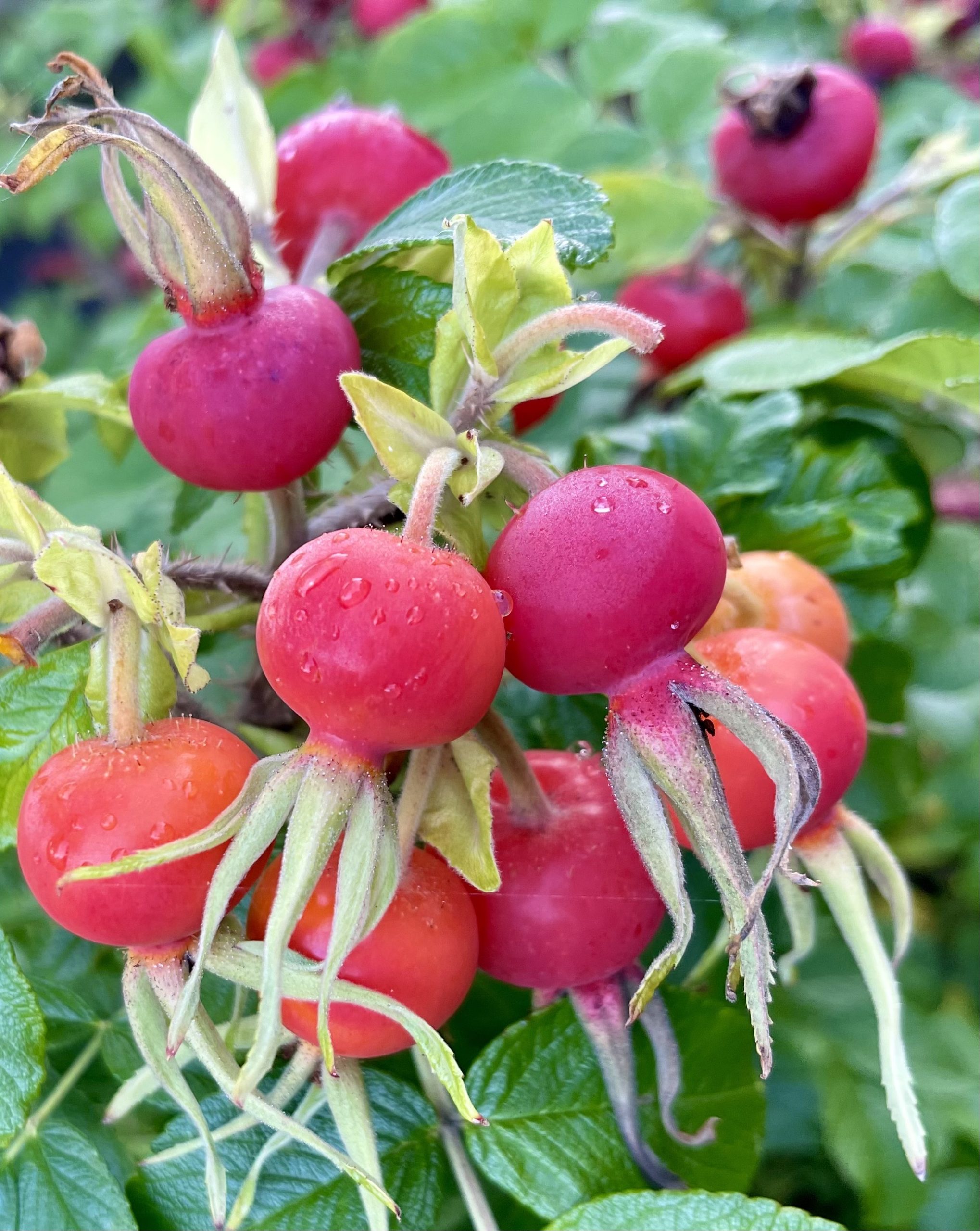
There’s still much to forage and this weekend we foraged rose hips, the fruit of the wild rose. All varieties of rose hips are edible and medicinal. Rose hips are easy to identify, especially if you can identify it as a rose earlier in the season when it’s in flower. Wild rose is commonplace and grows nearly everywhere. They can be a shrub or sometimes grow as a vine. Rose hips are extremely high in vitamin C, one of the highest natural sources. There is over 20 times more vitamin C in rose hip berries than oranges, making them very beneficial for the immune system. They can be used in a tea for this purpose.

We had our first hand in making rose hip syrup. Rose hip syrup has been used traditionally to keep colds and ‘flu at bay during winter.  It also has natural anti-inflammatory properties and helps to ease the discomfort of arthritis. They are high in antioxidants, and can help the body rid itself of impurities. It’s really fun to forage, explore and experiment. The magic of nature is that it provides its natural nourishing and healing bounty at exactly the time we need it. Forage safely by consulting the Woodland Trust.

Nature

Why Exercising in Green Space will be Big in 2023

06232B60-5D04-4B31-8B66-38CC5CDCFC02As we connect with nature we feel more alive and at one with other living beings. Getting a breath of fresh air is also great for renewing mind and body. Research has found that being in nature helped in emotional regulation and improved memory functions and built attention and focus. Another study found that being in nature was perceived as more calming and had more stress-reductive effects. Being in nature provides grounding, lifts your mood and boosts your self-esteem.

Whilst outside, go about mindfully so that you actually connect with the natural world, rather than just move around in it. Connecting with nature has shown to improve mental and physical health while also helping you see the world and life from a different perspective. The moment you step outside, even if you don’t feel like it, look up; notice the clouds, flora and fauna, and you suddenly realise how small we are in the grand scheme of things, which can make it feel like your troubles melt away.

But what if it’s cold and wet?

Bad weather is good for you, says scientific research. The blustery winds, driving rain and biting cold are actually a tonic for body and soul. Exposure to the elements can boost our physical and mental wellbeing. During the cold and wet days of January, it can be tempting to avoid the outdoors. However, by doing this we cut ourselves off from nature and the many benefits it can bring to our lives – particularly in boosting the energy and balance of our mind, body and soul. It is a great opportunity to practice mindfulness and remind us of our place in the world. Nature and the elements are vast and universal. What we can learn from embracing bad weather is that we’re only a tiny cog in this whole system and that, like the weather, life is unpredictable and beauty can be found in every moment.

Food

Autumn Comfort Food

96292882-FC2C-4FD4-8A66-1B811D30954FRecently we came across articles comparing the energy cost of air fryers, slow cookers, ovens and hobs. Interestingly the slow cooker turned out by far the most cost effective way of preparing meals.
Seeing that we are entering the cosy seasons, we decided to dust off the slow cookers and get some recipe inspiration for soups, broths and stews. It’s a joy to rediscover the simplicity of slow cooking where all the ingredients unceremoniously go into one pot, the lid goes on and a few hours later the house is filled with mouthwatering aroma.

We’ve since made a very tasty Scottish broth, sweet potato and black bean chilli, thai sweet potato and chickpea curry, and a healing vegetable curry stew. Bulk cooking over the weekend takes you deep into the week.

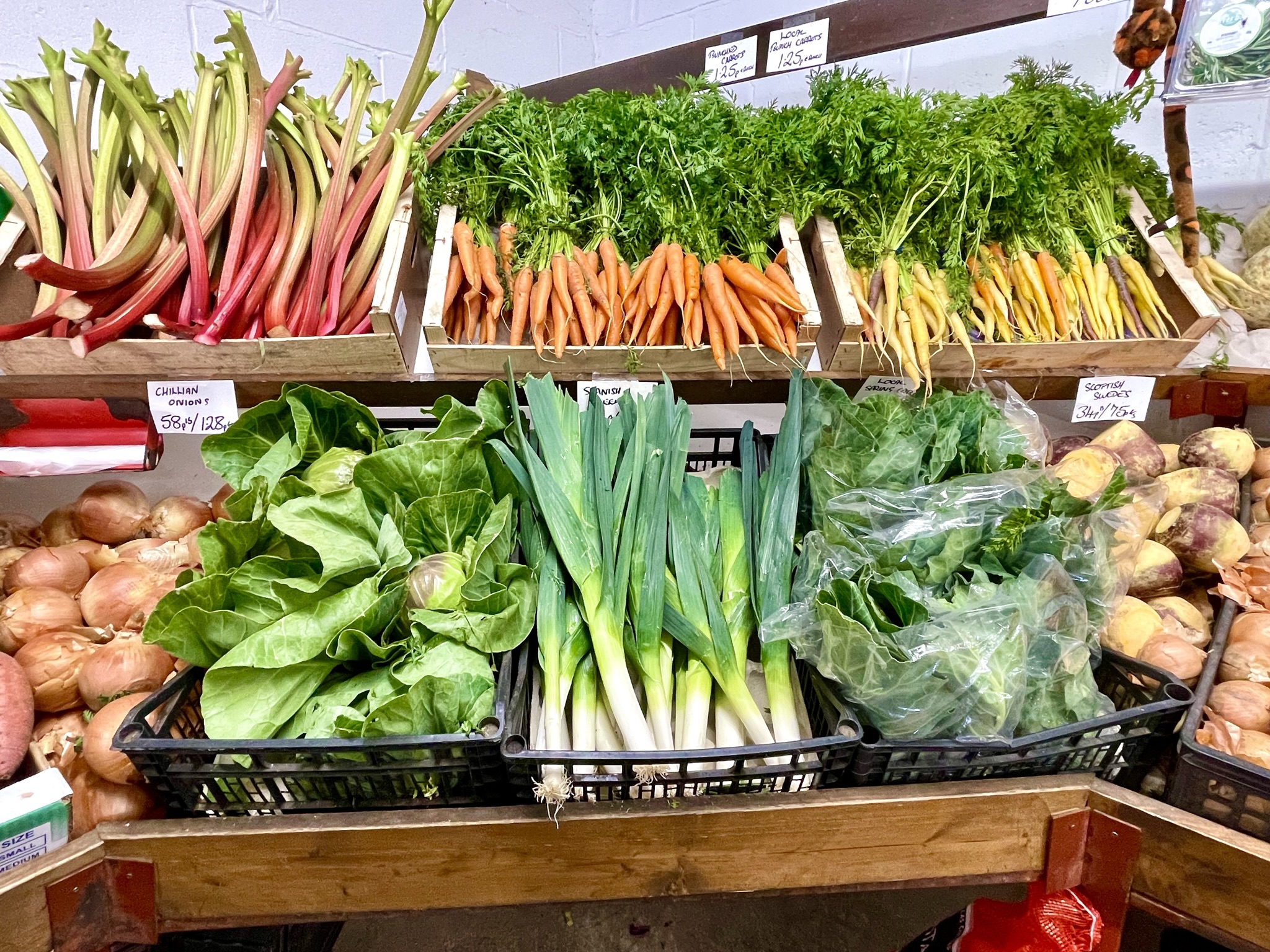
This week we enjoyed harvesting home grown kale, leeks, spinach, beans and celery for the pots, adding to the fun and joy of seasonal cooking and wholesome autumn comfort food.

Food

Enjoy Seasonal Food for Wellness

672FE79B-5CCA-41E8-BA7F-89E236041A9FEating seasonally, has many benefits. Not only is it more environmentally friendly, it’s enjoyable and results in better, fresher foods on your plate. Eating what’s in season, also means you’re more like to buy local produce rather than imported stuff from far-flung places. You’re not eating things in the middle of winter that only grow in the summer. You’re enjoying produce that’s actually good in their seasons, and therefore good for you. It means reduced transportation, fuel, refrigeration, and packaging of produce. Getting back to eating seasonally, also means you are supporting the local economy, local fresh markets or even have a hand in growing some of your own. We find it fosters gratitude and reconnects you with the wisdom of nature.

What to enjoy in Autumn?

We’ve just enjoyed lifting fresh beetroot and leeks. Autumn is the season of abundance so enjoy locally harvested apples, pears, carrots, parsnips, mushrooms, kale, cabbage, squash and pumpkins – all great for warming soups and stews for those cozy nights in.