Health

The Healing Power of Nature

Img 2232

A Journey Through Recovery

Julia Bradbury’s journey through cancer recovery highlights the profound healing effects of nature. After her mastectomy, she found solace and strength in daily walks, starting in her garden and gradually exploring local parks and the Peak District. Nature not only helped restore her physical health but also provided mental clarity and emotional support.

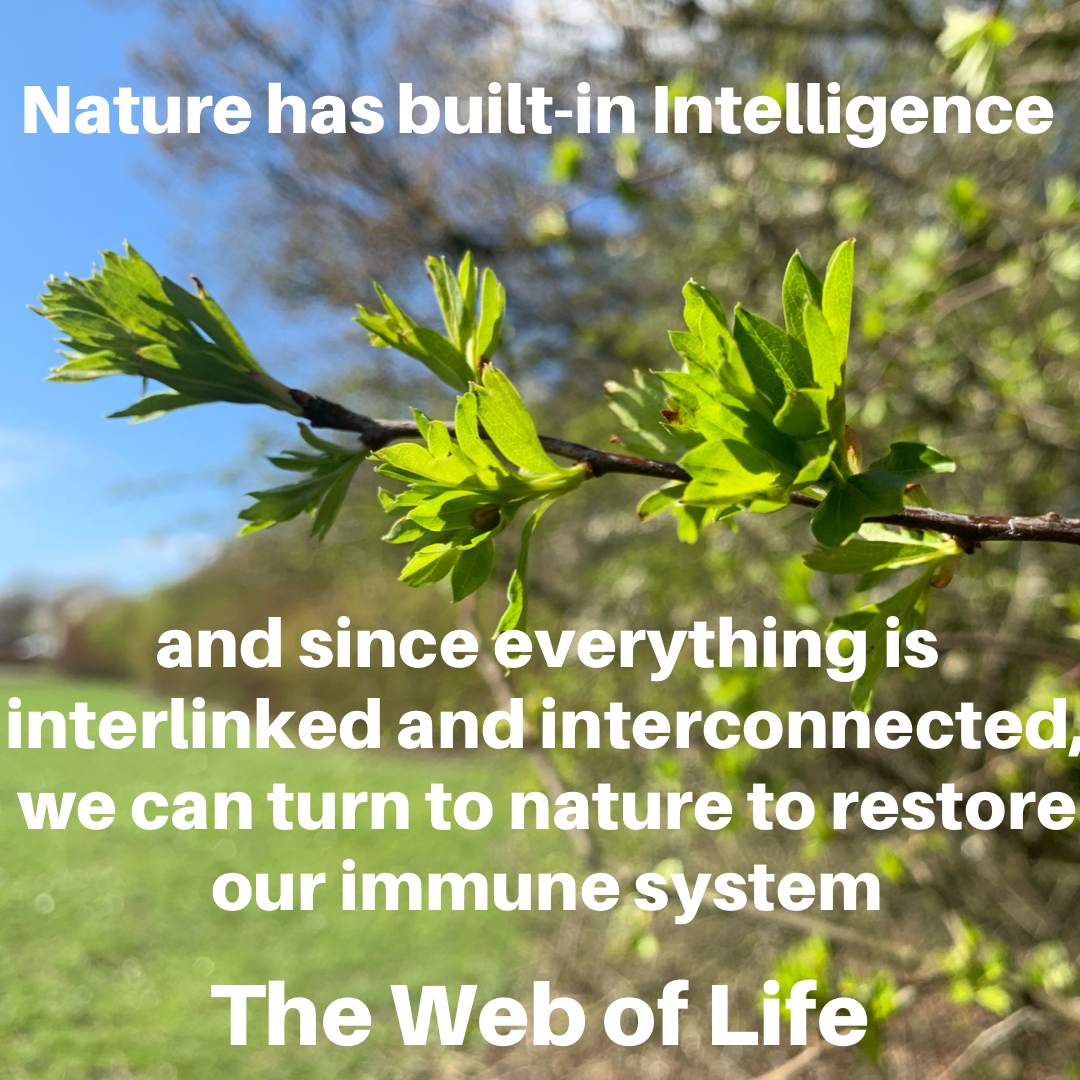
The concept of Shinrin Yoku (forest bathing) further explains how nature boosts immunity by exposing us to phytoncides—compounds emitted by trees that enhance our immune system. Moreover, the Attention Restoration Theory suggests that natural environments offer a unique combination of elements like fascination and a sense of “being away,” which help restore mental energy and reduce stress.

Julia’s experience serves as a powerful reminder that nature is not just a backdrop to life, but an essential component of health and well-being. Whether through a walk in the park, a hike in the mountains, or simply breathing in the fresh air, connecting with nature can bring about significant improvements in both physical and mental health.

So, take a moment to step outside and immerse yourself in the natural world—you may find it offers the rejuvenation and peace you need. For more insights, Julia Bradbury’s book, Walk Yourself Happy, takes a deeper look into the transformative power of nature.

Health

Embrace Nature to Boost Your Well-Being

F0fbe033 2ec9 4204 A31c 5b44f9600559

Inspiration from Kate Humble

Nature has a profound impact on our well-being -TV presenter Kate Humble offers simple yet powerful ways to harness its benefits. Here are her top tips:

  1. Take a 15-Minute “Holiday:

    Enjoy a mindful walk without distractions, immersing yourself in nature’s beauty. It’s great for your mental health and your sense of wellbeing. A walk around a park is great, but do it mindfully. Think of it as a tiny little holiday in your day, even if it’s 15 minutes. Go and smell the roses, listen to buzzing bees, and look at the sky. Sometimes just looking up is all you need to do to feel better.

  2. Start Gardening:

    Grow plants, even in small spaces, to connect with nature and improve mental health. Grow flowers, vegetables and d herbs. It’s good for you and it helps the environment. The joy of putting a seed in the earth and seeing something grow will make you feel wonderful too.

  3. Make Eco-Friendly Changes:

    Small lifestyle tweaks, like reducing waste or using public transport, can enhance your well-being and help the planet. Every small bit adds up and can help nature recover essential habitats for wildlife.

  4. Find Daily Joys:

    Take screen brakes, slow down and find satisfaction in small, meaningful tasks. Enjoy preparing a meal with fresh ingredients. Tidying up and decluttering create space and can be very satisfying.

  5. Try Cold-Water Swimming:

    Experience the invigorating effects of wild swimming for a refreshing boost. It’s energising and uplifting. 

For more inspiration from Kate, enjoy her book A Year of Living Simply

Health

Walking for Back Pain

A Simple Step Towards Relief

Back pain can affect anyone at any time. With nearly 60% of people experiencing it at some point, finding effective and accessible solutions is crucial. Recent research sheds light on a surprisingly simple yet potent remedy: walking. This blog explores how regular strolls can alleviate back pain and improve overall well-being.

The Power of a Daily Walk

According to a study conducted by Macquarie University in Sydney, walking for just 30 minutes five times a week can significantly reduce the recurrence of lower back pain. The study, published in The Lancet, involved 701 patients who had recently experienced lower back pain. Those who incorporated regular walks into their routine reported remaining pain-free nearly twice as long as those who did not, with the walking group averaging 208 days without pain compared to 112 days for the non-walking group.

Why Walking Works

While the precise mechanisms by which walking alleviates back pain are still being studied, several factors likely contribute to its effectiveness:

  • Gentle Movements: Walking involves gentle, oscillatory movements that help load and strengthen spinal structures and muscles without causing strain.
  • Endorphin Release: Like other forms of exercise, walking triggers the release of endorphins—natural chemicals in the brain that promote a sense of well-being and act as pain relievers.
  • Stress Relief: Walking, especially in natural settings, provides mental relaxation and stress relief, which can help reduce muscle tension and pain.
  • Improved Posture and Muscle Tone: Regular walking helps enhance posture and strengthen the muscles supporting the spine, reducing the risk of future pain episodes.

Broad Health Benefits of Walking

Beyond its benefits for back pain, walking is a powerful tool for overall health. It supports cardiovascular health, enhances bone density, helps maintain a healthy weight, and boosts mental health. According to Dr. Natasha Pocovi of Macquarie University, walking not only improves quality of life but also reduces the need for healthcare support and the amount of time taken off work by approximately half.

How to Start Walking for Back Pain Relief

Incorporating walking into your daily routine is simple and requires no special equipment. Here’s how to get started:

  1. Set a Goal: Aim for 30 minutes of walking, five days a week. You can split this into shorter sessions if needed.
  2. Choose Comfortable Footwear: Wear supportive shoes to protect your feet and joints.
  3. Start Slowly: If you’re new to walking, start with shorter distances and gradually increase your time and pace.
  4. Maintain Good Posture: Keep your head up, shoulders back, and engage your core muscles while walking.
  5. Vary Your Route: Explore different paths and environments to keep your walks interesting and enjoyable.
  6. Incorporate Movement Breaks: If you have a sedentary job, take short walking breaks throughout the day to reduce stiffness and improve circulation.

Making Walking a Habit

Consistency is key to reaping the benefits of walking. Here are some tips to help you stick with it:

  • Set Reminders: Schedule your walks like any other appointment and set reminders on your phone or calendar.
  • Find a Walking Buddy: Walking with a friend or family member can make the activity more enjoyable and help you stay motivated.
  • Track Your Progress: Use a pedometer or smartphone app to track your steps and celebrate milestones.
  • Mix It Up: Combine walking with other enjoyable activities, such as listening to music, podcasts, or audiobooks.

The Future of Back Pain Management

Walking presents a practical and accessible solution for managing and preventing back pain. Unlike other exercise-based interventions that require supervision or expensive equipment, walking can be easily implemented by anyone, anywhere. This simple practice holds the potential to be widely adopted, offering relief to millions of back pain sufferers worldwide.

Regular walking offers a straightforward and effective way to reduce pain, improve your quality of life, and boost your overall health. So, lace up your walking shoes and take those first steps towards a pain-free and healthier you. Embrace the simplicity and power of walking to enjoy a life of greater comfort and vitality.

Health

Eating Naturally

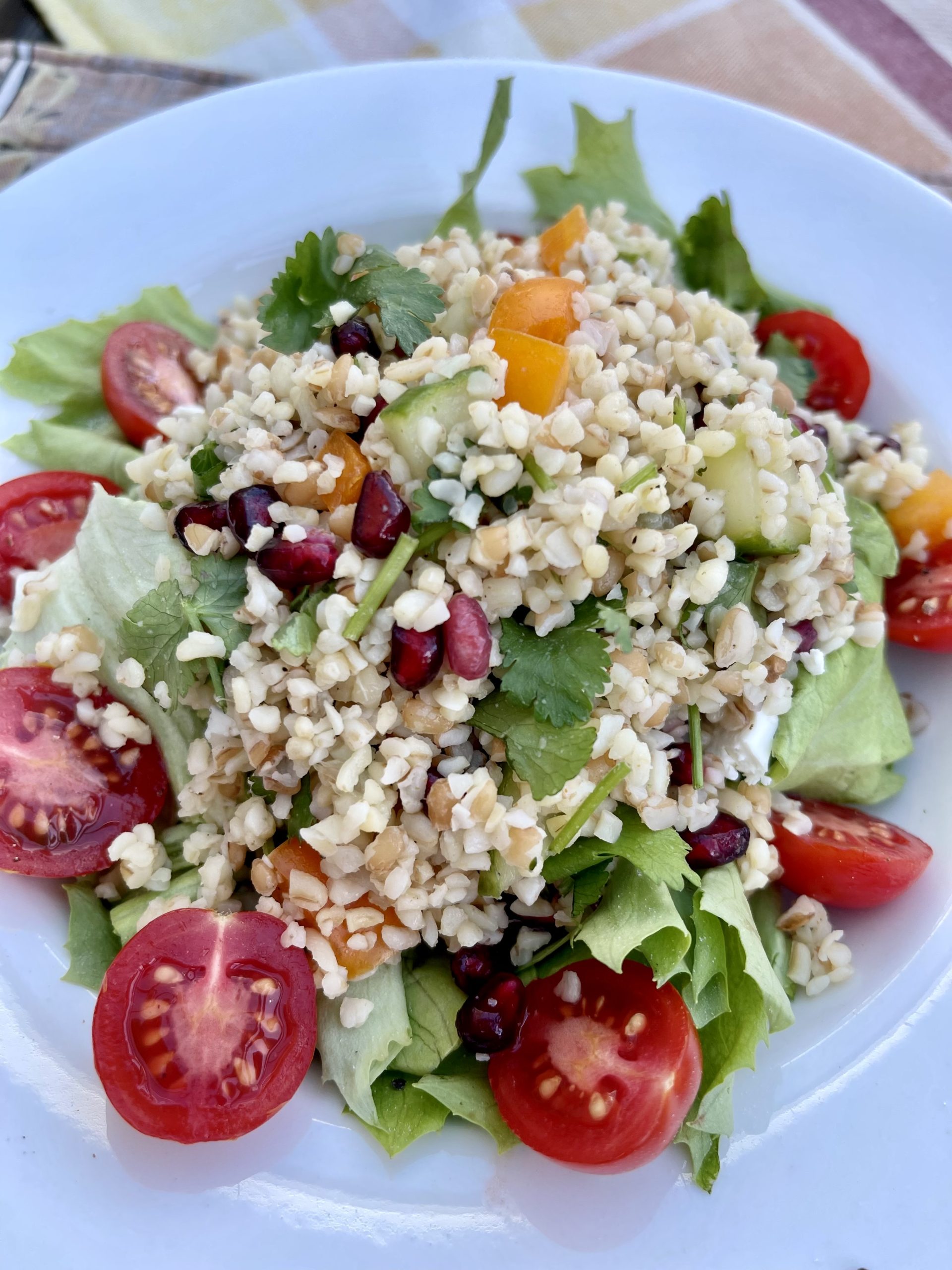
Tabouleh

It’s good for your Health and good for the Environment

At a time when longevity and well-being is highly sought after, our dietary choices have become crucial. Emerging research highlights not only the profound impact of what we eat on our personal health but also on the health of our planet. A recent study published in The American Journal of Clinical Nutrition on June 10, 2024, shows the remarkable benefits of the Planetary Health Diet (PHD), a sustainable and nutrient-rich dietary pattern. This study underscores how adopting a diet rich in plant-based whole foods can dramatically reduce the risk of premature death by 30% while simultaneously lessening our environmental footprint.

What is the Planetary Health Diet?

The Planetary Health Diet, introduced in the 2019 EAT-Lancet report, emphasises a balanced intake of plant-based foods with minimal animal products. The diet is designed to optimise human health while being sustainable for the planet. Here’s a snapshot of what it entails:

  • Half of the Plate: Filled with fruits and vegetables, providing essential vitamins, minerals, and fiber.
  • The Other Half: Composed of whole grains, plant proteins (like beans and nuts), unsaturated plant oils, and a small portion of animal protein.

This diet encourages reducing red meat and sugar intake, which not only benefits individual health but also reduces environmental pressures such as greenhouse gas emissions, land use, and water consumption.

Key Findings from the Study

The groundbreaking study analysed data from over 200,000 participants over several decades. The study found that adherence to the Planetary Health Diet significantly lowers the risk of premature death from major causes like cancer, heart disease, and lung disease. Participants who followed the diet closely experienced a 30% lower risk of premature death compared to those who did not adhere to the diet. This statistic alone is a powerful testament to the life-extending benefits of natural, whole-food eating.

The Dual Benefits: Health and Environment

One of the most compelling aspects of the Planetary Health Diet is its dual benefit to both human and planetary health:

  1. Personal Health: The diet’s emphasis on whole, plant-based foods provides essential nutrients while reducing the intake of processed and animal-based foods. This balance supports cardiovascular health, reduces the risk of chronic diseases, and promotes overall longevity.
  2. Environmental Impact: The study also highlighted the environmental advantages of the Planetary Health Diet. Participants with the highest adherence to the diet had significantly lower environmental footprints. This included 29% lower greenhouse gas emissions, 21% lower fertiliser needs, and 51% lower cropland use. This reduction is crucial as our food system is a major driver of environmental degradation and climate change.

The Link Between Diet and Climate Change

Dr. Walter Willett, a professor of epidemiology and nutrition at Harvard, emphasised the critical role our food choices play in combating climate change. He stated, “Climate change has our planet on track for ecological disaster, and our food system plays a major role. Shifting how we eat can help slow the process of climate change. And what’s healthiest for the planet is also healthiest for humans.”

This perspective aligns with the growing recognition that sustainable eating practices are integral to both our survival and the planet’s future. By choosing diets that prioritise plant-based foods and minimise animal products, we not only improve our health but also contribute to a more sustainable world.

How to Embrace a Natural Diet

Adopting a diet that benefits both health and the environment doesn’t have to be complicated. Here are some practical tips to help you get started:

  1. Fill Half Your Plate with Fruits and Vegetables: These foods are rich in nutrients and fibre and low in calories, making them perfect for maintaining a healthy weight and supporting overall health.
  2. Choose Whole Grains: Replace refined grains like white rice and pasta with whole grains such as quinoa, brown rice, and whole wheat. Whole grains provide more nutrients and fibre, which are essential for digestive health.
  3. Opt for Plant Proteins: Incorporate more beans, lentils, nuts, and seeds into your diet. These plant-based proteins are rich in essential nutrients and are more sustainable than animal-based proteins.
  4. Limit Meat and Dairy: While the PHD does not entirely eliminate meat and dairy, it encourages moderation. Try to reduce your intake of red meat and opt for leaner, sustainable options like fish or plant-based alternatives.
  5. Use Unsaturated Plant Oils: Choose oils such as olive or canola oil over saturated fats like butter. Unsaturated fats are better for heart health and are a staple of the PHD.
  6. Reduce Sugar and Processed Foods: Minimise your intake of sugary and highly processed foods. These foods often contribute to weight gain and chronic diseases and have a higher environmental cost due to their production and packaging.

The Planetary Health Diet offers a compelling blueprint for a healthier, more sustainable future. By aligning our dietary choices with the principles of natural, plant-based eating, we can significantly enhance our health while playing a vital role in protecting our planet. As we face the dual challenges of public health crises and environmental degradation, adopting such sustainable dietary patterns becomes not just a personal choice but a global imperative.

Embrace the power of natural foods and make mindful choices that nourish the body and safeguard the Earth. After all, what’s good for the planet is ultimately good for us too.

Food

Link Between Ultra-Processed Foods and Major Health Risks

Enjoy healthy 10-minute home prepared meals

More than half of the typical British daily diet is made up of ultra-processed food, higher than any other country in Europe. From ready meals to sugary snacks, ultra-processed foods have become staples in many diets. Research has shed light on the alarming consequences of consuming these mass-produced products, revealing a link to a myriad of damaging health outcomes, including cancer, diabetes, anxiety and depression.

A comprehensive study published in the British Medical Journal has underscored the detrimental effects of ultra-processed foods on both physical and mental well-being. Drawing from data involving nearly ten million individuals worldwide, researchers found a significant association between high consumption of these foods and an increased risk of mortality, particularly from heart disease. Shockingly, those who consumed the most ultra-processed foods faced a 21% higher risk of premature death and a staggering 50% higher risk of dying from heart-related issues.

Beyond physical ailments, the study also uncovered a concerning correlation between ultra-processed food intake and mental health disorders, such as depression and anxiety. Individuals with a high consumption of these foods were found to be at a 22% greater risk of depression and experienced approximately 50% higher rates of anxiety and poor sleep. Experts attribute these findings to the potential inflammatory effects of these foods on the body and their disruptive impact on the gut microbiome, which plays a crucial role in mental health regulation.

Awareness of the risk and adopting healthier food choices remain essential for self-care. By prioritising whole, minimally processed foods and adopting balanced eating habits, we can mitigate the risks associated with ultra-processed foods and embark on a path towards improved health and vitality.

Preparing healthy meals can be done in no time. Here’s some inspiration 50 Healthy 10-minute meals

Find more inspiration right here on the Natural Wellness site for healthy soups, stews and salads.

Health

Your Food Can Boost Your Mood


In an era marked by heightened anxiety levels, it’s imperative to explore holistic approaches to alleviate stress and boost mental well-being. Nutritional Psychiatrist Uma Naidoo, sheds light on the profound impact of diet on anxiety levels in her latest book, Calm Your Mind with Food. It emphasises the role of nutrition in banishing tension, elevating mood, and fostering long-term mental health.

Understanding the Gut-Brain Connection

There’s an intricate relationship between the gut and the brain, with the brain and the gut being in constant mutual communication. The gut microbiome, comprising trillions of bacteria and yeasts, plays a pivotal role in regulating brain function through this gut-brain axis. The health of our gut is intricately linked to anxiety levels, with highly processed diets and fast foods contributing to inflammation that adversely affects mental and physical well-being.

Nutrient-Rich Foods for Anxiety Reduction

Yoghurt for Gut Health

Consumption of gut-friendly foods such as yoghurt, is shown beneficial for anxiety reduction. A review of 21 studies, involving 1,503 people, suggests that eating gut-friendly food like plain yoghurt is instrumental in improving gut health and reducing anxiety levels.

Vitamin B-Rich Foods

Foods rich in vitamin B, including oats, milk, nuts, seeds, lean meat, poultry, and fish, prove to be essential for anxiety prevention. Studies on Affective Disorders highlight the correlation between a diet high in B vitamins and lower anxiety, depression and stress levels.

Tea for Hydration and Polyphenols

Regular consumption of tea, known for its calming properties, is recommended for those dealing with anxiety. The polyphenols in black and green teas, such as theaflavins, have been shown to reduce anxiety levels. However, moderation is key to keep caffeine intake below 400mg per day.

Probiotic-Rich Foods

Probiotic fermented foods like pickles, kimchi, garlic, onions, and bananas are emphasised for their role in supporting gut health. Research indicates that these foods positively impact anxiety levels.

Berries for Brain Boosting

Berries, especially dark berries like blueberries and blackcurrants, are lauded for their antioxidant properties. Research has shown that these antioxidants protect the brain from oxidative stress and contribute to reduced anxiety symptoms.

Ashwagandha Supplement

Clinical trials suggest that ashwagandha supplementation can significantly lower anxiety levels, making it a potential consideration for some individuals.

Red Wine in moderation

Red wine, in moderation, can be considered for its polyphenol resveratrol content. This compound regulates neurotransmitter release, contributing to a calmer brain. Moderation is advised as excessive alcohol consumption can exacerbate anxiety. Red grapes, blueberries, raspberries, peanuts and pistachios are good sources of resveratrol too. 

Omega-3 Fatty Acids

Foods rich in omega-3 fatty acids, such as oily fish, nuts, and seeds, are highlighted for their anti-inflammatory effects on the brain. Omega-3s have been shown to alleviate symptoms of anxiety and depression.

Avoid sugary, high-fat comfort foods

While these foods may provide short-term mood improvement, the effects are temporary, and reliance on such foods can lead to an unhealthy cycle.

In the quest for mental well-being, your plate holds the potential to calm the mind. Embracing a nutrient-rich, gut-friendly diet can be a proactive self-empowering step in managing anxiety and nurturing long-term mental health. Let your meals be a source of strength, resilience, and calm in the face of life’s challenges.