
Food

Let Your Food Be Your Medicine

Img 0383
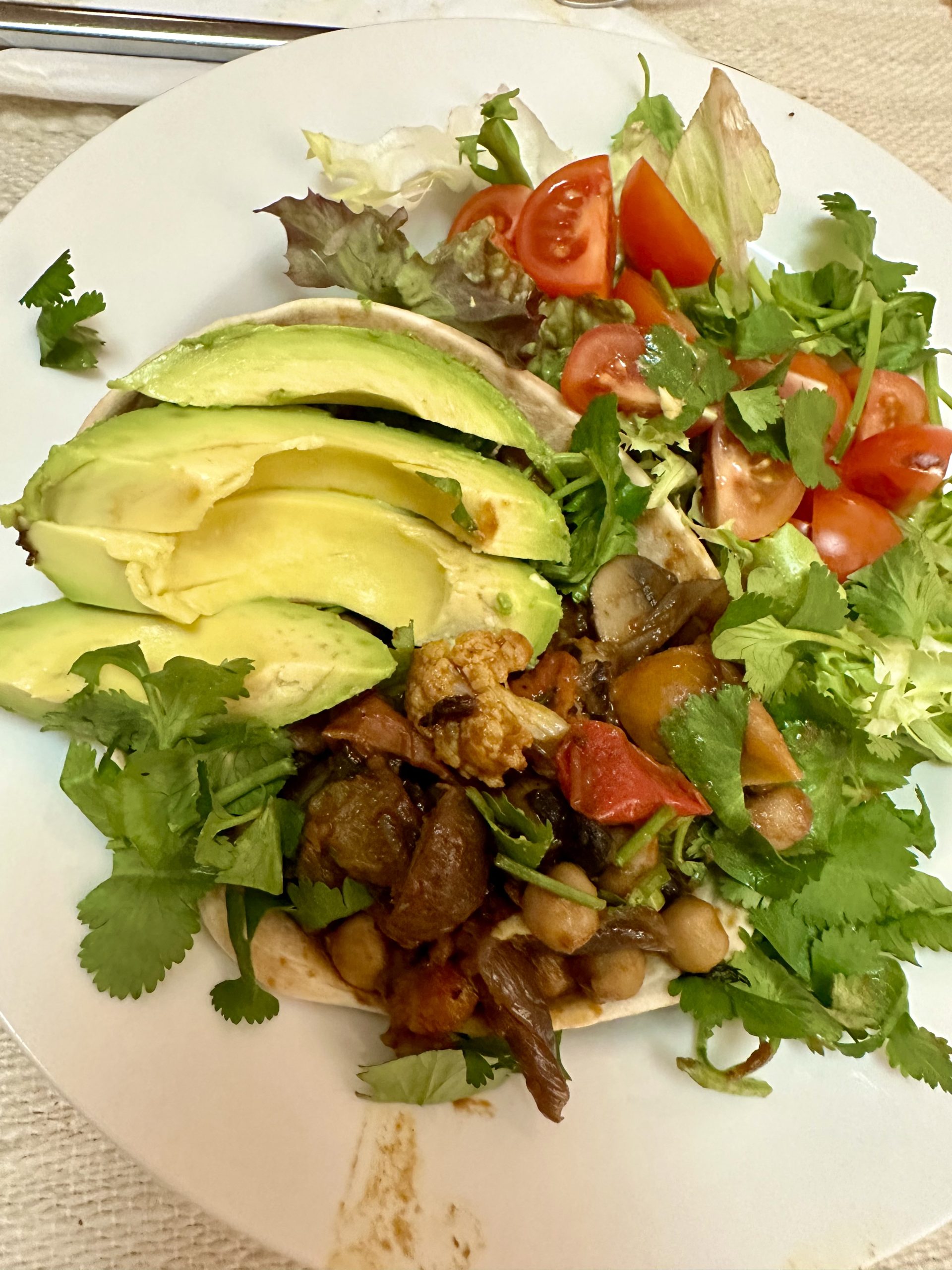
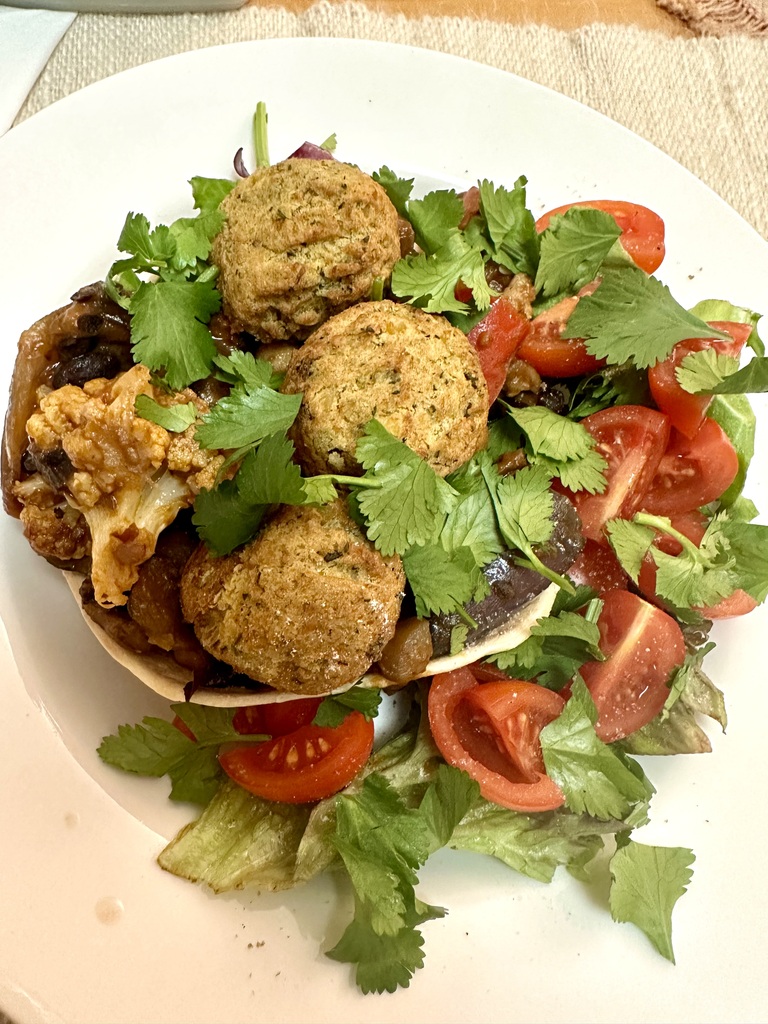
Curried chickpeas on couscous

The Role of Magnesium in Health

In today’s fast-paced world, where stress can take a toll on our health, it’s essential to recognise the powerful role that nutrition plays in maintaining well-being. One such critical nutrient is magnesium, a mineral that is fundamental to our health but often overlooked.

Recent research highlighted a concerning link between low magnesium levels and increased DNA damage. This study found that individuals with low magnesium levels also had high levels of homocysteine, an amino acid associated with DNA damage and various diseases, including gastrointestinal disorders, several cancers, diabetes, and neurodegenerative conditions like Alzheimer’s and Parkinson’s.

The Importance of Magnesium

Magnesium is the fourth most abundant mineral in the human body and plays a crucial role in over 300 enzyme systems, including those responsible for regulating blood pressure, controlling blood glucose levels, and ensuring proper nerve function. It is also essential for the healthy synthesis of DNA and RNA, making it a key player in maintaining genetic stability.

The study’s findings underscore the importance of maintaining adequate magnesium levels to protect our DNA from damage and prevent the onset of chronic diseases. Magnesium’s protective effect is particularly significant when it comes to counteracting the toxic effects of high homocysteine levels, which can occur when there is a deficiency in other critical nutrients like folate and vitamin B12.

How to Boost Your Magnesium Intake

The good news is that increasing your magnesium intake is relatively simple. Incorporating magnesium-rich foods into your diet is an effective way to ensure you meet the recommended daily intake of 420 mg for adults over 31 years old. Some of the best dietary sources of magnesium include:

  • Leafy Greens: Spinach and Swiss chard are excellent sources of magnesium.
  • Nuts and Seeds: Almonds, pumpkin seeds, and chia seeds are all rich in magnesium.
  • Legumes: Beans, lentils, and chickpeas are great plant-based sources.
  • Whole Grains: Brown rice, quinoa, and whole wheat bread can help boost your magnesium intake.
  • Dark Chocolate: Not only is it delicious, but dark chocolate is also a surprisingly good source of magnesium.

Magnesium is more than just a mineral; it’s a vital component of overall health that helps protect your DNA, supports brain function, and reduces the risk of chronic diseases. By letting food be your medicine and prioritising magnesium-rich foods in your diet, you can take proactive steps to safeguard your health and well-being.

Food

Let Your Food Be Your Medicine

Img 9183
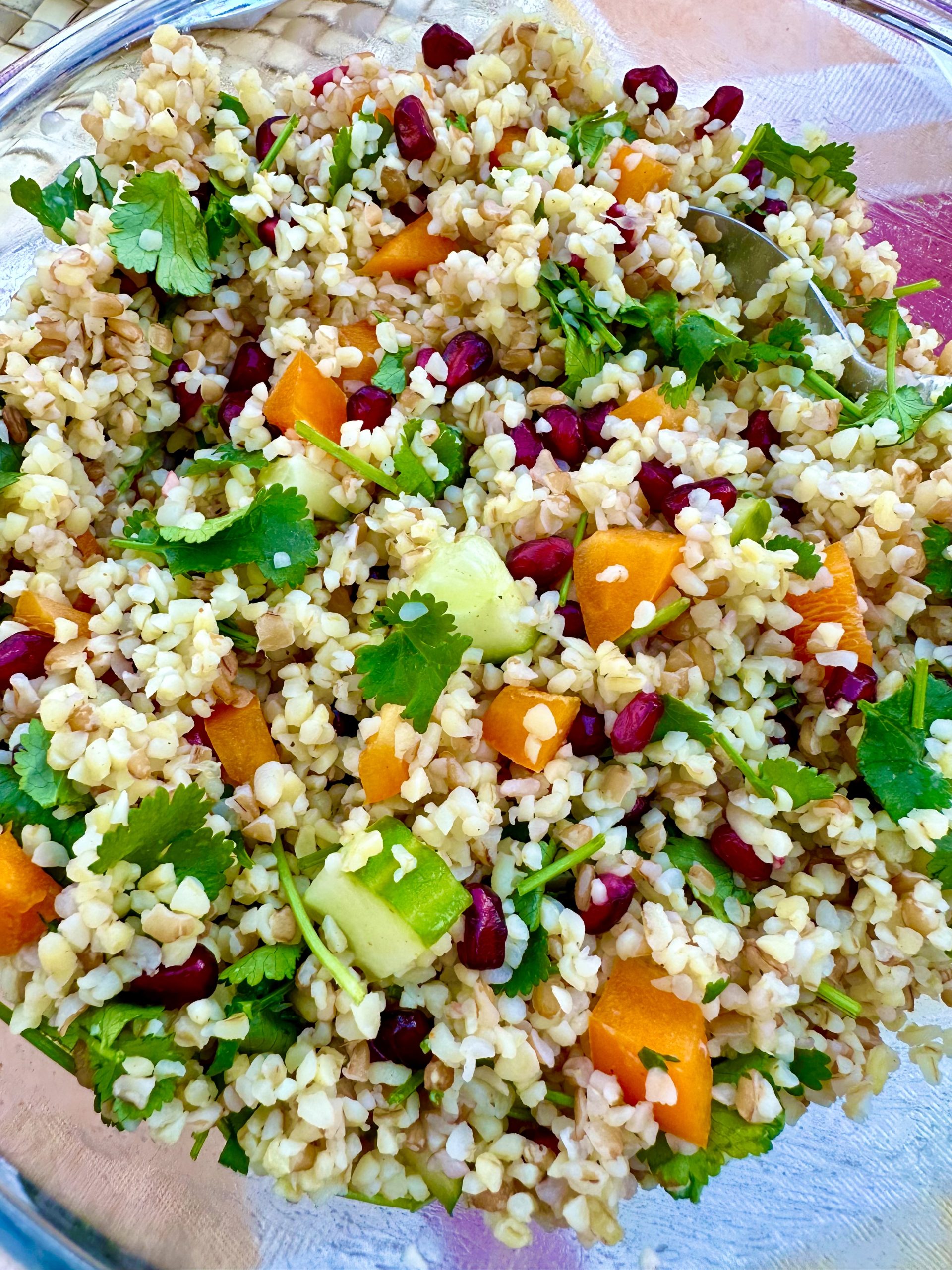
Tabouleh deliciously combines leafy greens with whole grains

The MIND Diet for Mental Health

As we progress through our 40s and beyond, prioritising brain health becomes crucial. One of the most effective ways to safeguard cognitive function and prevent dementia later in life is through diet. The MIND diet, a blend of the Mediterranean and DASH diets, is specifically designed to protect brain health. It emphasizes brain-boosting foods like leafy greens, berries, nuts, and whole grains while discouraging ultra-processed foods and red meats. This approach not only combats oxidative stress and inflammation but also significantly reduces the risk of cognitive decline and Alzheimer’s disease.

Key Components of the MIND Diet:

  1. Leafy Greens: Rich in vitamin K, lutein, and beta-carotene, these vegetables help slow cognitive decline.
  2. Berries: High in flavonoids, which are known to improve memory.
  3. Nuts: Packed with healthy fats and antioxidants that support brain health.
  4. Whole Grains: Provide steady energy and support overall brain function.

The Importance of Starting in Your 40s

Brain experts suggest that cognitive decline, such as Alzheimer’s, can begin 20 years before symptoms appear. By adopting the MIND diet in your 40s, you can lay a strong foundation for brain health. Research indicates that the MIND diet can lower Alzheimer’s risk by up to 53% and substantially slow cognitive aging. Given that one in nine adults over 45 experiences early cognitive decline, starting a brain-healthy diet now is a powerful step toward long-term cognitive health.

Beyond Diet: Other Tips for Preventing Dementia

While the MIND diet is a cornerstone of brain health, other lifestyle habits also play a critical role. Regular physical activity, mental stimulation, strong social connections, quality sleep, and effective stress management are all vital in reducing dementia risk. These practices promote neuroplasticity, improve cardiovascular health, and keep your brain engaged, all of which are essential for long-term cognitive function.

Incorporating the MIND diet into your daily life, especially starting in your 40s, can significantly impact your brain health. Along with other healthy lifestyle habits, this approach can protect your brain and help you age with mental clarity and vitality. Let food be your medicine and invest in your cognitive health today.

Food

Plant-Based Diets


Reversing Biological Age and Enhancing Health

Recent research underscores the profound impact of plant-based diets on biological age and overall health.  A new study claims that adhering to a plant-based diet can reverse your biological age by up to three years in just eight weeks.

Biological Age and Diet

Biological age, distinct from chronological age, reflects the physiological condition of your body and is influenced by lifestyle factors. The study highlights that a nutrient-dense, plant-based diet can significantly reduce biological age markers, such as inflammation and oxidative stress.

Key Findings

  1. Anti-Inflammatory Benefits: Plant-based diets are rich in antioxidants and anti-inflammatory compounds, which combat cellular damage and aging.
  2. Improved Gut Health: High fiber content promotes a healthy microbiome, essential for reducing inflammation and supporting overall well-being.
  3. Cardiovascular Health: Reducing cholesterol and blood pressure levels, plant-based diets enhance heart health, contributing to a younger biological age.

Practical Steps

Incorporating more plant-based foods like fruits, vegetables, legumes, nuts, and seeds into your diet can lead to substantial health benefits and potentially reverse biological aging.

Nutritional Powerhouse

Plant-based diets are rich in essential nutrients, including fiber, vitamins, minerals, and antioxidants. These nutrients are pivotal in maintaining optimal health and preventing chronic diseases.

Heart Health

The study reveals that individuals who follow a plant-based diet have a significantly lower risk of heart disease. The high fiber content in plant foods helps reduce cholesterol levels, while antioxidants protect against arterial damage.

Diabetes and Cancer Prevention

Research shows that plant-based diets can reduce the risk of type 2 diabetes and certain cancers. The anti-inflammatory properties of plant foods help regulate blood sugar levels and reduce inflammation, crucial factors in disease prevention.

Anti-Aging Benefits

Experts suggest that a plant-based diet is an effective strategy for combating aging. Nutrient-dense plant foods help reduce oxidative stress and inflammation, which are major contributors to aging and age-related diseases.

Environmental Impact

Beyond health benefits, plant-based diets are environmentally sustainable. They require fewer resources and result in lower greenhouse gas emissions compared to diets rich in animal products. So as you boost your own health, you impact the environment positively.

Food

Addressing Anxiety and Depression with Mindfulness


The Joy of Cooking and Eating Mindfully

In today’s fast-paced world, many people struggle with anxiety and depression. One effective strategy for managing these conditions is through mindfulness, particularly when it comes to cooking and eating. Mindfulness, the practice of being fully present in the moment, has been shown to improve mental health. Here’s how integrating mindfulness into your culinary habits can enhance your well-being.

Mindful Cooking

Cooking your own meals can be a deeply mindful activity. It’s not just about preparing food; it’s about engaging all your senses. When you cook, take a moment to notice the sizzle of oil in the pan, the aroma of herbs and spices, the vibrant colours of fresh vegetables, and the tactile sensation of chopping greens. This sensory awareness anchors you in the present moment, helping to reduce stress and promote relaxation.

Nutritional expert, Dr Ramsey, suggests that by choosing whole foods over highly processed ones, you not only improve your nutrition but also encourage mindfulness. For example, instead of indulging in ice cream, try a bowl of full-fat yogurt with berries, pistachios, honey, and dark chocolate shavings. This simple swap not only enhances your nutrient intake but also requires you to be more intentional about what you’re eating.

The Mindful Eating Experience

Mindful eating involves paying full attention to the experience of eating and drinking, both inside and outside the body. When you eat mindfully, you savour each bite, appreciating the textures and flavours of your food. This practice helps you develop a greater appreciation for your meals and can instill a sense of gratitude for your food and body.

Lynn Rossy, health psychologist and author of The Mindfulness-Based Eating Solution, highlights that mindful eating encourages you to listen to your hunger and fullness cues. By being aware of these signals, you can better understand your emotional relationship with food. For instance, if you reach for sweets when stressed, mindfulness can help you recognize this pattern and explore healthier ways to cope with your emotions, such as talking to a loved one or engaging in self-care activities.

Connecting with Food and Community

Engaging with food beyond the kitchen can also enhance mindfulness and mental health. Buying fresh, in-season produce, visiting local farmers markets, foraging or growing your own food can create a deeper connection to what you eat. These activities provide a sense of purpose and joy, reinforcing the mindfulness practice.

Connecting with the local food sources can foster a sense of community and contentment. This connection with nature and place not only enriches your diet but also promotes mental well-being by instilling a sense of belonging and satisfaction.

Personalising Your Mindful Eating

It’s important to remember that your individual experience with food is unique. While certain foods may be linked to improved mood, personal preferences and cultural connections play a significant role. For example, the comfort derived from your grandmother’s macaroni and cheese or your mother’s chicken noodle soup is unique to you and can have a profound emotional impact.

Nutritionist, Kara Lydon, author of the e-book “Nourish Your Namaste”, says foods like poultry, eggs, dairy, whole grains, legumes, nuts, seeds and leafy greens are particularly rich in B vitamins which help the brain make mood-regulating neurotransmitters. Such foods also contain tryptophan, the precursor to serotonin, the happy hormone. Lydon emphasises that each person has a different set of foods that evoke positive emotional responses based on factors like tradition and memory. These personal connections can be just as important as nutritional value in boosting your mood and overall well-being. Empower yourself more with knowledge and wisdom on how to use your food to boost your mood.

Incorporating mindfulness into your cooking and eating routines can be a powerful tool for self-care and mental health. By being present and intentional with your food choices, you can improve your mental health, deepen your connection to your meals, and find joy in the everyday act of eating. Whether it’s through cooking a meal from scratch or savouring a simple, wholesome snack, mindfulness offers a path to greater emotional awareness and well-being.

Food

The Link Between Mental Health and Gut-health

How Diet Impacts Anxiety


In our pursuit of mental well-being, we often look to therapies, medications, and lifestyle changes. What about the food on our plates? Can what we eat truly influence our mental health, particularly conditions like anxiety? The answer, according to research and specialist nutritionists is a resounding YES.

Understanding the Brain-Gut Connection

The link between the gut and the brain is well-documented, and recent studies suggest that what we eat can significantly impact our mental health. Our diet influences the brain in three main ways: the production of neurotransmitters, gut health, and inflammation.

Production of Neurotransmitters

Neurotransmitters like serotonin and dopamine play a crucial role in regulating mood and emotions. Certain nutrients found in our diet, such as B vitamins and omega-3 fatty acids, are essential for the production of these neurotransmitters. Foods high in tryptophan, like eggs, nuts, seeds, whole grains and legumes, can boost serotonin levels, contributing to a brighter mood and emotional balance.

Gut Health

The gut-brain axis, a two-way connection between the brain and the micro-organisms in the gut, is influenced by what we eat. An imbalance in the gut microbiome, known as dysbiosis, can disrupt neurotransmitter production and lead to mental health disorders like anxiety and depression. Inflammation in the gut caused by a poor diet high in ultra-processed foods and sugar has been linked to mental health issues.

Inflammation

Chronic inflammation, triggered by poor dietary choices, is associated with various health problems, including mental health conditions. Consuming anti-inflammatory foods like berries, fruit and vegetables, can help reduce inflammation in the body and improve mental health.

Impact of Diet on Anxiety

While no single diet can cure anxiety, certain dietary patterns can exacerbate or alleviate its symptoms. Ultra-processed foods high in sugar can cause spikes and crashes in blood sugar levels, leading to irritability and anxiety. Eating at regular intervals throughout the day and consuming foods high in protein, good fats, and fibre can help stabilise blood sugar levels and prevent mood swings.

Eating Mindfully

How we eat is as important as what we eat. Eating in a rushed, stressed manner can lead to digestive issues and exacerbate anxiety symptoms. Practicing mindful eating techniques, such as chewing food thoroughly and savouring each bite, can reduce stress levels and promote relaxation.

Foods that Support Mental Health

  1. Magnesium-Rich Foods: Spinach, pumpkin seeds, avocados, and bananas are rich in magnesium, which helps to regulate cortisol levels and blood pressure, crucial for managing anxiety.
  2. Complex Carbohydrates: Whole grains, fibre-rich fruits, and vegetables release sugar into the blood slowly, preventing spikes and lows in blood sugar levels and stabilising mood.
  3. Gut-Friendly Foods: Probiotics found in fermented foods like sauerkraut and kefir, and prebiotics found in vegetables and whole grains, support gut health and have been linked to improved mood and reduced anxiety.
  4. Other Beneficial Foods: Nuts, berries, and foods rich in omega-3 fatty acids support neurotransmitter function and help manage anxiety symptoms.

A healthy diet can be a powerful tool as part of a holistic approach to mental health. By nourishing our bodies with the right foods, we can support our mental health and overall well-being.

Food

Link Between Ultra-Processed Foods and Major Health Risks

Enjoy healthy 10-minute home prepared meals

More than half of the typical British daily diet is made up of ultra-processed food, higher than any other country in Europe. From ready meals to sugary snacks, ultra-processed foods have become staples in many diets. Research has shed light on the alarming consequences of consuming these mass-produced products, revealing a link to a myriad of damaging health outcomes, including cancer, diabetes, anxiety and depression.

A comprehensive study published in the British Medical Journal has underscored the detrimental effects of ultra-processed foods on both physical and mental well-being. Drawing from data involving nearly ten million individuals worldwide, researchers found a significant association between high consumption of these foods and an increased risk of mortality, particularly from heart disease. Shockingly, those who consumed the most ultra-processed foods faced a 21% higher risk of premature death and a staggering 50% higher risk of dying from heart-related issues.

Beyond physical ailments, the study also uncovered a concerning correlation between ultra-processed food intake and mental health disorders, such as depression and anxiety. Individuals with a high consumption of these foods were found to be at a 22% greater risk of depression and experienced approximately 50% higher rates of anxiety and poor sleep. Experts attribute these findings to the potential inflammatory effects of these foods on the body and their disruptive impact on the gut microbiome, which plays a crucial role in mental health regulation.

Awareness of the risk and adopting healthier food choices remain essential for self-care. By prioritising whole, minimally processed foods and adopting balanced eating habits, we can mitigate the risks associated with ultra-processed foods and embark on a path towards improved health and vitality.

Preparing healthy meals can be done in no time. Here’s some inspiration 50 Healthy 10-minute meals

Find more inspiration right here on the Natural Wellness site for healthy soups, stews and salads.