Food

Veganuary Reveals Surprising Benefits

As the new year begins, many embark on resolutions to improve their lives. You can achieve a host of new year’s goals by joining Veganuary – a commitment to a vegan lifestyle for the month of January. You can make it easier on yourself by going mostly plant-based if it seems a bit too restrictive. Contrary to common belief, transitioning to a vegan diet isn’t just about altruism or ethical considerations; it can significantly contribute to achieving various health goals. Let’s explore the many benefits of embracing a vegan lifestyle.

It’s Cost-Effective

It’s a common misconception that eating fresh vegetables is expensive. A vegan diet in reality, can be really budget-friendly. Adopting a vegan lifestyle and going plant-based makes a lot of financial sense which is great for January!

Health and Weight Loss

The health benefits of a vegan diet are well-documented. Science has showed a clear correlation between veganism and lower body weight. A vegan diet can be a great choice for those aiming for weight loss without sacrificing daily enjoyment of food.

Boost for the Immune System

A vegan lifestyle may act as a positive boost for the immune system. While not a replacement for other healthy habits, the study indicates a potential correlation between veganism and enhanced overall well-being. Most vegetables are known for their immune benefits due to their high mineral and vitamin content.

Easier Than You Think

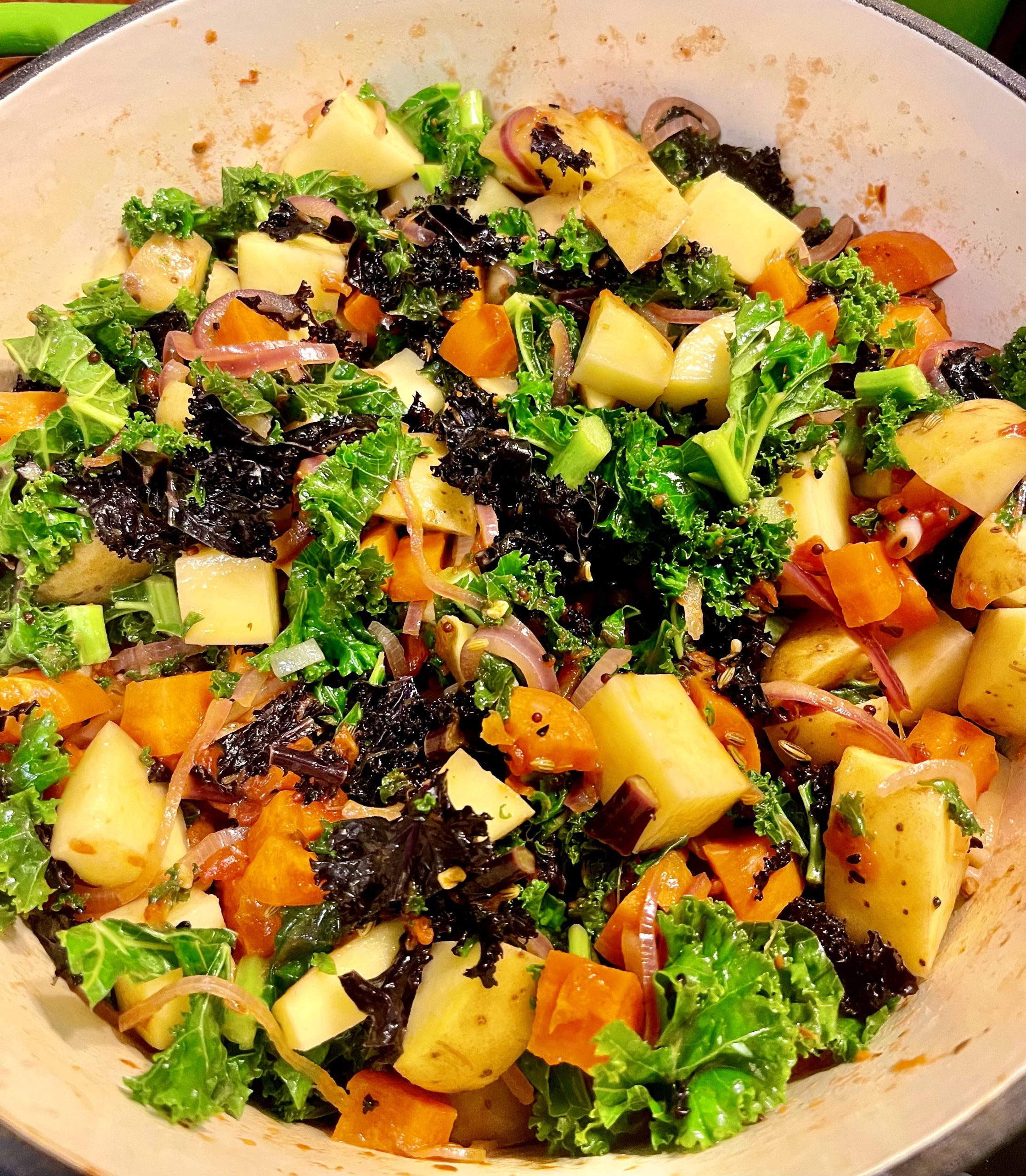
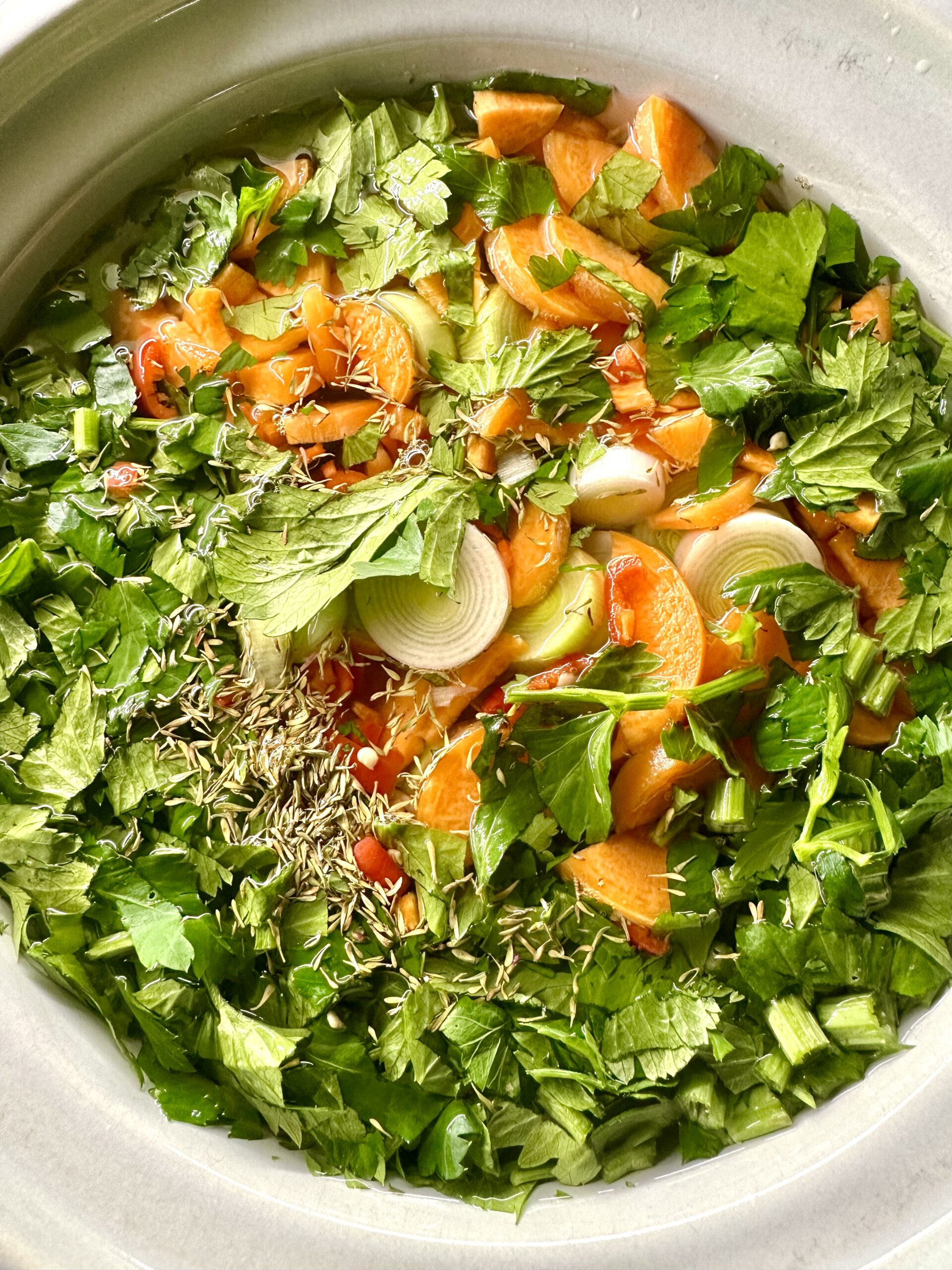
Contrary to common misconceptions, adopting a vegan lifestyle can be easy and practical. In January we’re in the middle of winter and nothing is as hearty, warming and wholesome as a good vegetable soup, stew or curry. Cook a pot full of goodness and you have enough for a days. There’s no art to it. You can pretty much combine whatever vegetables you can lay your hands on. Here’s some inspiration for stews and soups.

Heart-Health Brilliance

Vegan diets are often associated with heart health and this study indicates that the lower intake of saturated fats in a vegan diet might contribute to better heart health, showcasing another layer of the benefits of plant-based eating. Another groundbreaking study showed the same benefits including slowing down aging. The study further showed that a vegan diet can improve long-term health in two months, with the most change seen in the first month – making Veganuary truly worthwhile.

Beyond the ethical and environmental considerations, embracing a vegan lifestyle during January can save you money, help achieve weight management, prevent colds and flu, and boost heart-health. Veganuary is not just a dietary choice but a holistic approach to well-being. The evidence suggests that, with commitment, the benefits of a vegan or plant-based lifestyle may extend beyond January, offering a pathway to a healthier, more sustainable, and fulfilling way of life.
Food

Enjoy Nature’s Medicine

Link between fruits, veggies & microbiome confirmed for the first time
Our understanding of the human microbiome, the microorganisms that inhabit our bodies, has expanded significantly. It plays a crucial role in our overall health, from digestion to immune function. Now, a groundbreaking study, confirms the vital connection between fruits, vegetables, and the microbiome, shedding light on how our dietary choices can influence our internal micro-world and our health.

The Microbiome Unveiled

The human microbiome consists of trillions of microorganisms, primarily bacteria, living in and on our bodies. These tiny companions play a pivotal role in maintaining our health. They help digest food, produce essential nutrients, and even protect against harmful pathogens. However, the balance and diversity of these microorganisms can be influenced by various factors, and diet is a significant one.

The Link Confirmed

Science now confirms what many have suspected – the consumption of fruits and vegetables significantly impacts the composition and diversity of the microbiome. Here’s how:

  1. Boosting Microbial Diversity: Fruits and vegetables, with their rich array of dietary fibres, act as a source of nourishment for beneficial gut bacteria. A diverse microbiome is generally associated with better health and a stronger immune system.

  2. Enhanced Gut Health: The fibre in these plant-based foods helps maintain a healthy gut lining and supports the growth of bacteria that are known to be beneficial for digestive health.

  3. Nutrient Production: Some microbes in the gut can break down the plant compounds from fruits and vegetables, converting them into essential nutrients that our bodies can absorb and use.

  4. Reduced Inflammation: A diet high in fruits and vegetables has been linked to reduced inflammation in the body, and a balanced microbiome is a key player in regulating this inflammatory response.

Implications for Health

This confirmed link between fruits, vegetables, and the microbiome carries significant implications for our health and wellbeing. It underscores the importance of a balanced diet rich in plant-based foods, not only for the essential vitamins and minerals they provide but also for their positive impact on our internal microbial communities.

This breakthrough offers yet another reason to embrace a diet filled with a variety of colourful fruits and vegetables. By doing so, we not only support our own health but also the health of the microorganisms that play such a crucial role in our well-being. This research, confirms the importance of maintaining a balanced diet that is rich in plant-based foods. By nourishing our microbiome, we can further enhance our overall health and wellbeing. 

Further reading:
The connection between gut-health and mental health 
New Atlas Story: Link between fruits, veggies & microbiome confirmed for the first time
Original Study

Food

Autumn is Harvest Season

The harvest season makes a visit to the allotment a joy.
There’s always something to come back with for the pot: courgettes, onions, potatoes, leeks, peas, beans and beetroot. This is the time for roast veg, soups and stews. This week we enjoyed turning our bounty into a potato, leek and fennel bake. Fennel offers great health benefits being high in Vitamin C and antioxidants.

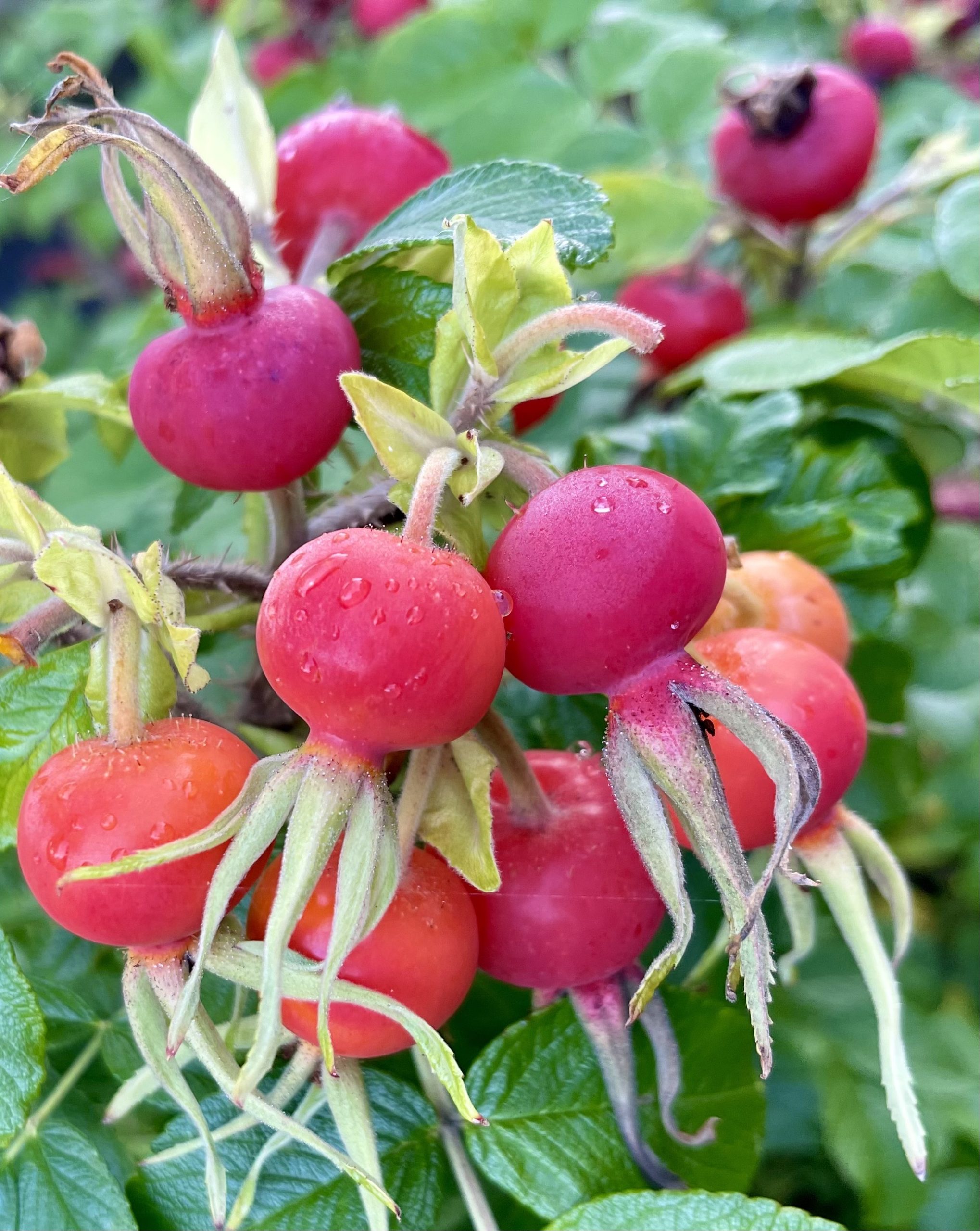
There’s still much to forage and this weekend we foraged rose hips, the fruit of the wild rose. All varieties of rose hips are edible and medicinal. Rose hips are easy to identify, especially if you can identify it as a rose earlier in the season when it’s in flower. Wild rose is commonplace and grows nearly everywhere. They can be a shrub or sometimes grow as a vine. Rose hips are extremely high in vitamin C, one of the highest natural sources. There is over 20 times more vitamin C in rose hip berries than oranges, making them very beneficial for the immune system. They can be used in a tea for this purpose.

We had our first hand in making rose hip syrup. Rose hip syrup has been used traditionally to keep colds and ‘flu at bay during winter.  It also has natural anti-inflammatory properties and helps to ease the discomfort of arthritis. They are high in antioxidants, and can help the body rid itself of impurities. It’s really fun to forage, explore and experiment. The magic of nature is that it provides its natural nourishing and healing bounty at exactly the time we need it. Forage safely by consulting the Woodland Trust.

Food

Eat Yourself Healthy

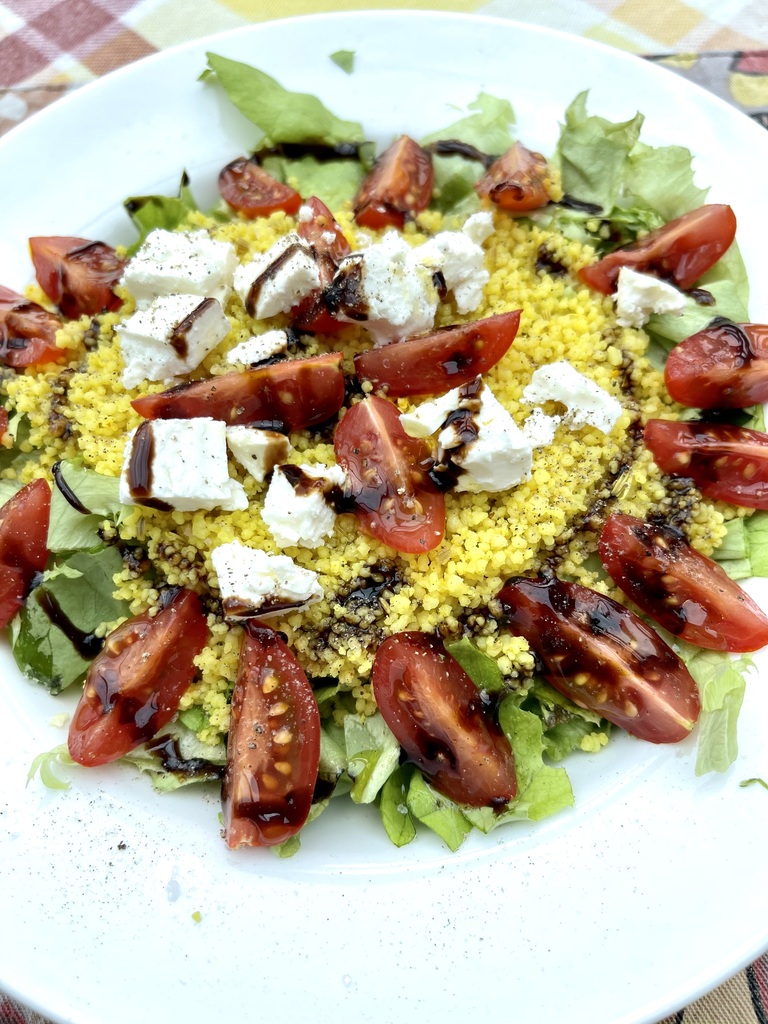
IMG_0139In Spring it’s easier to eat healthier. It’s as though the body naturally craves lighter, greener, healthier food. Spring also offers an abundance of fresh greens so let’s embrace the goodness of the season and nourish the system. 
The Mediterranean diet has been considered the best lifestyle diet year after year because it consists more of whole, nutrient-dense foods and limits processed and refined foods, which are often high in unhealthy fats, added sugars, and salt. The Mediterranean way of eating is rich in fruits, vegetables, whole grains, legumes, and healthy fats, which are associated with a range of health benefits, including lower risk of heart disease, diabetes, certain cancers, and dementia.

Research has shown further benefits such as improved sleep, reduced inflammation, lower cholesterol, better eyesight and better mental health.

A brand new study links the Mediterranean diet and plant-based eating with longevity. The Mediterranean diet is high in fruits, vegetables, legumes, whole grains, and nuts, which are all rich in antioxidants, vitamins, minerals, and fibre. These foods have been linked to reduced inflammation, improved immune function, and a lower risk of chronic diseases.

Another new study has found that the Mediterranean diet, which focuses on a diet high in healthy fats, plants and lean meats, can reduce the risk of heart disease, especially in women.

Food

Greener Lunch

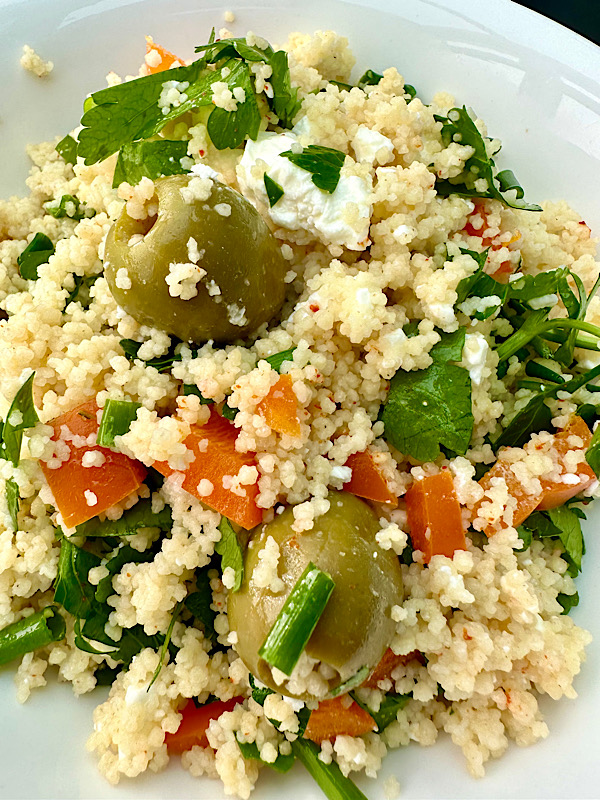
IMG_9159Not quite soup and stew weather anymore, but not yet salad weather either, I felt inspired to make a tabouleh. This tasty Middle Eastern dish is great for a light yet nourishing lunch. Traditionally made with bulgar wheat, we sometimes use couscous instead. This dish wants handful of fresh herbs like parsley, mint and chives. Not much grows in the garden yet but we have spring onions for chives and flat leave parsley that’s been growing happily in a shady spot. Perfect for this dish. Parsley has many health benefits, is rich in nutrients especially Vit. A, C and K. Tabouleh recipes differ and you can be creative adding colour with sweet pepper, cucumber and baby tomatoes when in season. Add feta, olives, gherkins or capers if you have and a dash of lemon for refreshing zest. Get further inspiration for tabouleh here.
Food

Eat Yourself Healthy

IMG_8929

Your food is your medicine. Vegetables, fruit, herbs and spices are nature’s way of keeping you nourished and healthy.

Here in late winter, your body can do with a boost. Boost your immune system with healthy soups and stews.

Include the veggies that you love such as nourishing, nutritious potatoes. Others you may not love but they will certainly love you because of their health benefits. Foods high in antioxidants and immune-boosting vitamins and minerals are broccoli, sweet potatoes, spinach, tomato, onion, ginger, garlic, bell peppers, nuts like almonds and seeds like sunflower seeds, beans and lentils. Any combination of these can make an amazing pot of healthy winter comfort food.

Add herbs such as oregano that’s not just tasty but high in health-enhancing antioxidants. Add spices such as turmeric, a powerful anti-inflammatory and antioxidant.

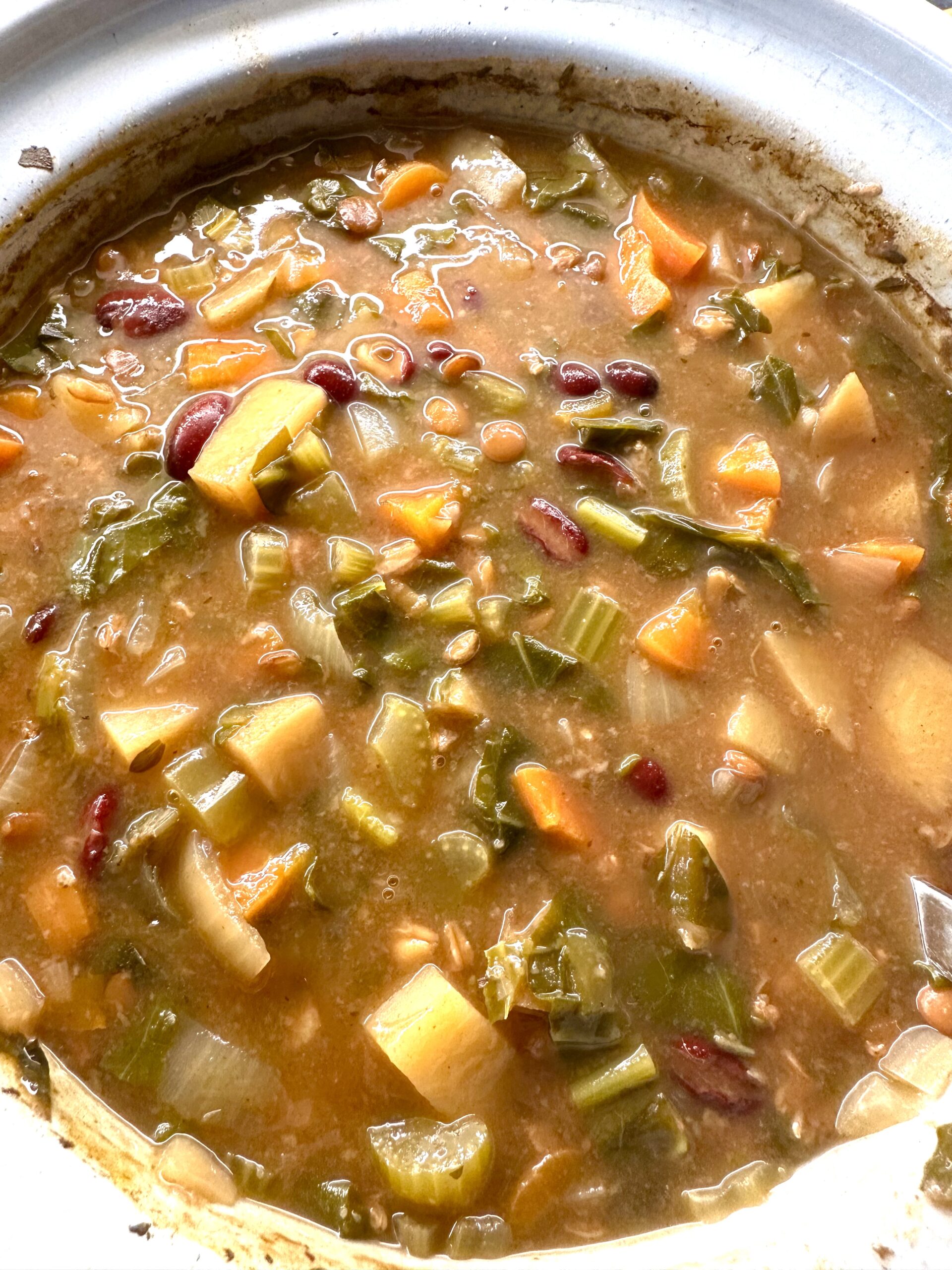
Veg Soup

I was inspired by this Anti-Inflammatory Veggie Soup with Turmeric. It’s an easy one pot dish, delicious, and you know you are bringing a welcoming and timely boost of health to the body.