Health

Spring Renewal

Supporting Your Body’s Natural Detox with Leafy Greens

As early spring unfolds, our bodies instinctively begin a process of renewal. Just as nature transitions, shedding the heaviness of winter, our systems also undergo a shift—releasing accumulated toxins and awakening our immune defenses. This natural detoxification process is essential for maintaining overall well-being, and the foods we eat can either support or hinder this transition.

Spring and the Body’s Natural Detox

In Traditional Chinese Medicine and holistic health practices, spring is considered the season of the liver—the body’s primary detoxification organ. During this time, the body works to clear out stagnation, support digestion, and prepare for increased energy levels. Symptoms like mild fatigue, headaches, sluggish digestion, or skin breakouts may be signs that your body is releasing stored toxins from winter.

One of the best ways to support this process is through food. “Food on prescription” is an emerging concept that highlights the healing power of nutrition, and early spring offers an abundance of nutrient-rich greens that can help cleanse the body and boost immunity.

Leafy Greens: The Ultimate Spring Cleanse

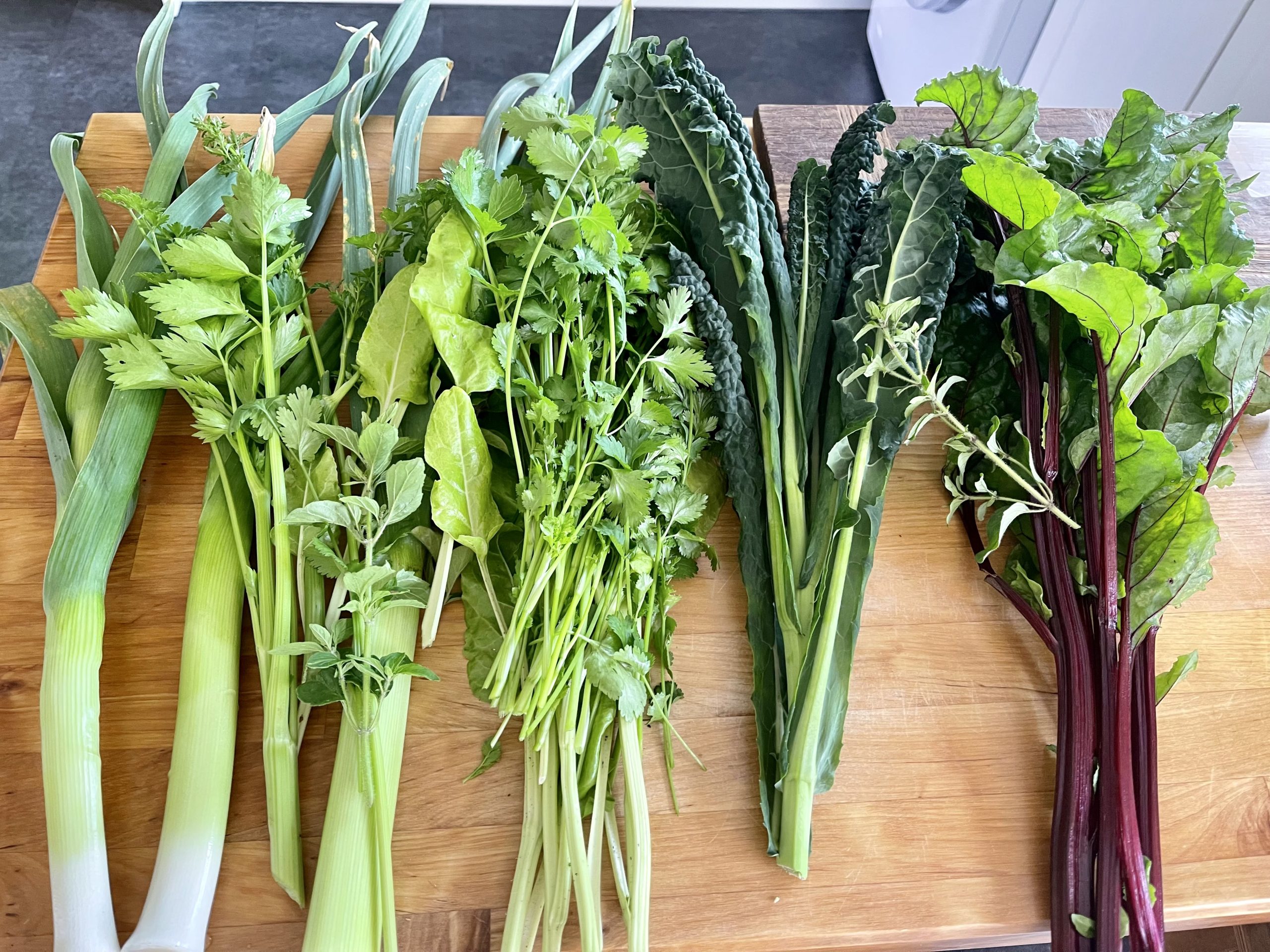
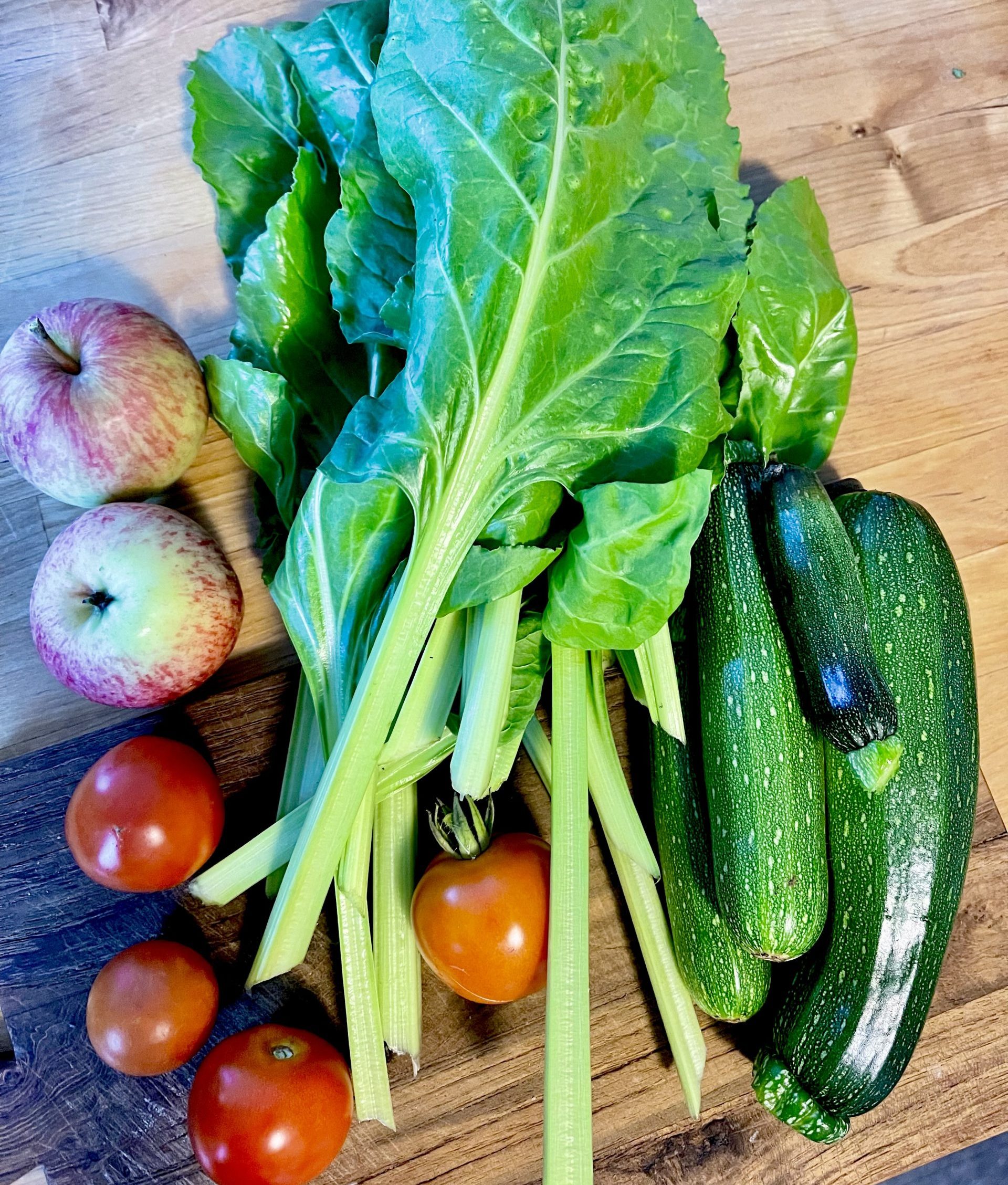
Leafy greens are nature’s detoxifiers. Packed with chlorophyll, antioxidants, fiber, and essential vitamins, they help the liver process toxins more efficiently while also providing key nutrients for immune function. Some of the best greens to incorporate this season include:

  • Dandelion Greens – Known for their liver-supporting properties, dandelion greens help flush out toxins and aid digestion.
  • Spinach & Kale – Rich in iron, folate, and vitamin C, these greens boost energy and support cellular repair.
  • Watercress – A powerhouse of antioxidants, watercress supports circulation and reduces inflammation.
  • Swiss Chard – High in magnesium and potassium, chard helps regulate hydration and supports kidney function.

How to Incorporate Leafy Greens into Your Diet

To maximize the benefits, aim to eat a variety of leafy greens daily. Here are some simple ways to incorporate them:

  • Morning Green Smoothie: Blend spinach, kale, cucumber, lemon, and ginger for a refreshing detox drink.
  • Spring Salads: Mix arugula, watercress, and dandelion greens with fruits and nuts for a revitalising meal.
  • Healing Soups: Add Swiss chard or kale to a light vegetable broth with garlic and turmeric for an immune-boosting soup.
  • Sauteed Greens: Lightly sauté spinach or dandelion greens with olive oil, garlic, and a pinch of sea salt for a simple yet nutritious side dish.

The Connection Between Detox & Immunity

A cleaner, well-supported liver leads to a stronger immune system. As toxins are eliminated more effectively, inflammation decreases, digestion improves, and energy levels rise. By embracing the foods that nature provides in early spring, we align our bodies with the rhythms of the season, promoting long-term wellness and vitality. You’ll not only support detoxification but also strengthen your immune system, leaving you feeling lighter, clearer, and more energised for the season ahead.
Food

The Surprising Defence Against Flu


When it’s flu season, many of us prepare by stocking up on vitamin C. But what if the secret to a stronger immune system was in your daily diet? According to groundbreaking research, dietary fibre could be the one a powerful ally in shielding your body from influenza and other viral infections.

Fibre and the Immune System: A Gut Connection

We’ve long known that fibre is essential for digestive health, but scientists are now uncovering its broader impact on immunity. When natural fibre from vegetables, legumes, fruits, and grains enters the gut, it undergoes fermentation by probiotic bacteria. This process produces short-chain fatty acids (SCFAs)—powerful compounds that don’t just stay in the gut but travel throughout the body, boosting the immune system in remarkable ways.

How SCFAs Fight Viruses

SCFAs, particularly acetate, propionate, and butyrate, are produced in the colon when fermentable fibre is digested by beneficial gut bacteria. Once in circulation, these SCFAs bolster the immune system in several key ways:

  • SCFAs boost the metabolism of T-cells, the immune cells responsible for fighting off infections.
  • They help balance the body’s inflammatory response, reducing excessive inflammation triggered by viruses like influenza.
  • SCFAs have shown the ability to prevent viruses from entering cells and replicating.
  • SCFAs strengthens the immune system’s response.

Fibre and Flu

The researchers discovered that patients with influenza often have a deficiency in SCFA-producing gut bacteria. By increasing your intake of fermentable fibre, you can support the growth of these beneficial bacteria and enhance your body’s ability to resist the flu.

In studies, higher SCFA levels were linked to reduced severity of influenza infections. SCFAs significantly lowered the viral load in the lungs, helping minimise symptoms and complications.

The Best Sources of Fermentable Fibre

To boost your SCFA production and strengthen your immune system, focus on incorporating natural, fibre-rich foods into your diet. Synthetic fibre supplements, researchers warn, do not offer the same benefits. Some of the best sources of fermentable fibre include:

  • Fruits: Apples, bananas, and berries
  • Vegetables: Onions, leeks, and leafy greens
  • Legumes: Lentils, chickpeas, and black beans
  • Grains: Oats, barley, and whole wheat
  • Nuts and Seeds: Almonds, chia seeds, and flaxseeds

How Much Fibre Do You Need?

General dietary guidelines suggest:

  • Men: 30–38 grams per day
  • Women: 21–25 grams per day
  • Children: 19–25 grams per day

A Natural Booster for Flu Season

Increasing your fibre intake can act as a “booster” to help ward off infection or lessen symptoms if you do get sick. According to the research team, the SCFAs produced from dietary fibre not only enhance immunity but also reduce serious complications from viruses like influenza.

So, to stay healthy, consider adding more fibre-rich foods to your plate. Not only will you support your gut health, but you’ll also give your immune system the tools it needs to fight off viruses more effectively.

Fibre may not make you completely flu-proof, but it could mean the difference between a severe infection and mild symptoms. So, this winter, let your diet be your defence, because often, the simplest solutions are the most powerful.

Food

Eating More Fruit and Veg to Alleviate Depression

Insights from Twin Studies

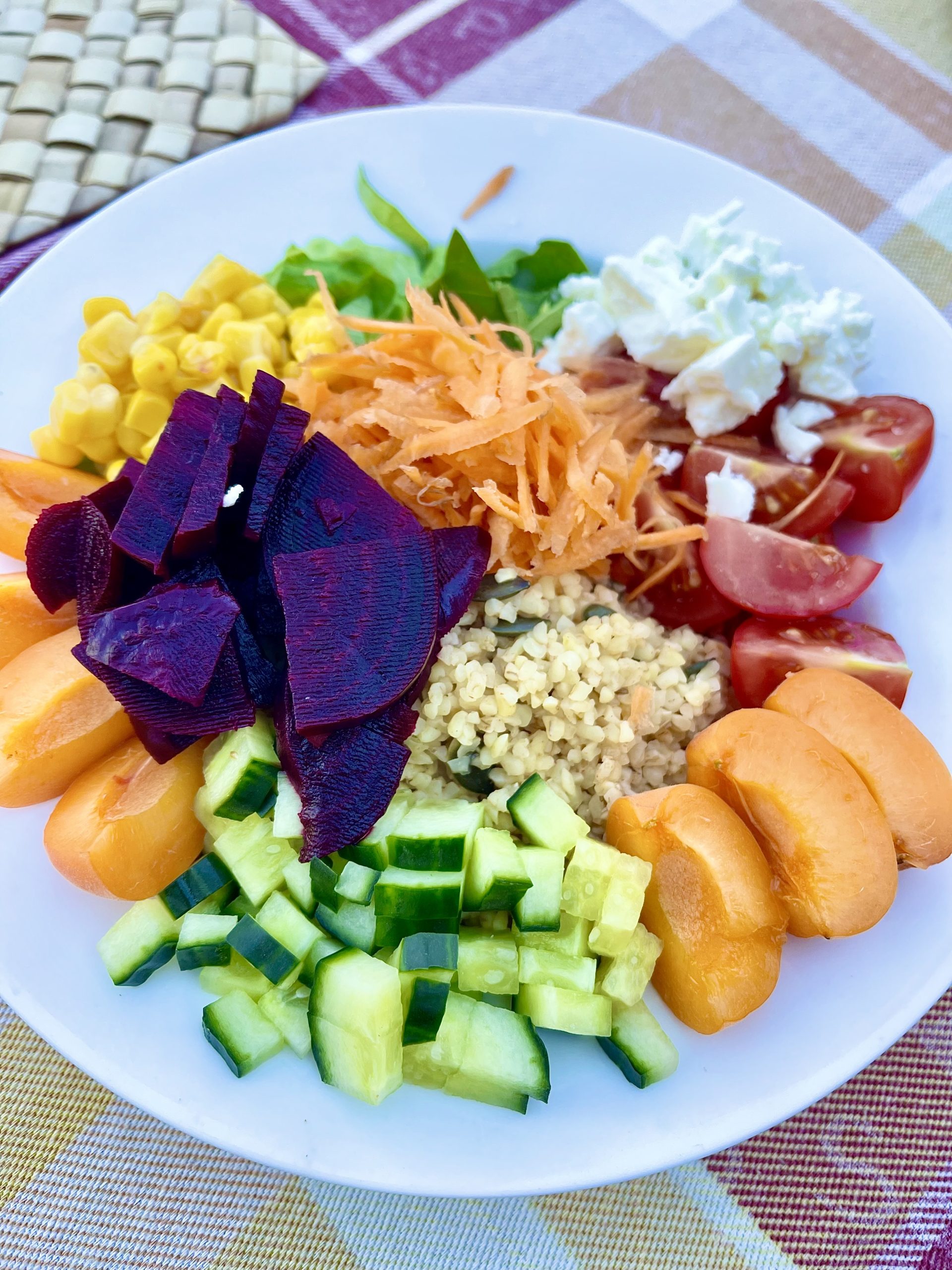
Think colour, eat the rainbow

The age-old advice to “eat your fruits and veggies” has gained new scientific backing, particularly in the realm of mental health. A recent international study led by researchers from the University of New South Wales (UNSW) Sydney’s Center for Healthy Brain Aging (CHeBA) has highlighted the potential of fruit and vegetable intake to alleviate depression symptoms. The study used the unique insights offered by twin studies, examining the impact of diet on depression while controlling for genetic and environmental factors.

Twin studies are a powerful research tool for disentangling the effects of genetics and environment. Identical twins share nearly 100% of their genes, while fraternal twins share about 50%. This allows researchers to isolate how lifestyle factors, like diet, influence traits such as mental health. In this study, 3,483 twins aged over 45 were followed across four longitudinal studies spanning up to 11 years. Participants were from Australia, Denmark, Sweden, and the U.S.

By focusing on twins, the researchers could reduce the influence of external confounding variables like socioeconomic status or childhood environment. This methodology strengthens the link between fruit and vegetable consumption and mental health outcomes, offering robust insights that previous studies often lacked.

Fruit, Veg, and Mental Health

The study found that higher fruit and vegetable consumption was associated with lower depressive symptoms over time. Specifically:

  • High intake of fruits and vegetables was linked to the greatest reduction in depressive symptoms compared to low intake.
  • Moderate vegetable intake also showed benefits, though moderate fruit intake did not show a significant difference compared to low intake.

Despite these findings, researchers noted that even “high” intake levels in the study fell below the dietary recommendations of most countries. For example, participants classified as having a high intake consumed an average of just 2.1 servings of fruit and 2.0 servings of vegetables daily—far below the World Health Organization’s recommendation of at least five servings per day.

This raises an important question: how much greater might the mental health benefits be if people consumed the recommended amount?

The Role of the Gut Microbiome

The researchers propose that the connection between diet and depression may be partly explained by the gut microbiome. Fruits and vegetables are rich in fiber, antioxidants, and vitamins, which nourish gut bacteria and reduce systemic inflammation—a key factor linked to depression. This burgeoning field of research underscores the profound interplay between diet, gut health, and mental well-being.

Practical Implications

For adults over 45, particularly those experiencing depressive symptoms, increasing fruit and vegetable intake could be a simple yet powerful step toward better mental health. Healthcare providers might consider monitoring and promoting dietary changes as part of a holistic approach to treating depression.

A Call to Action

This study adds to the growing evidence that what we eat profoundly affects our minds as well as our bodies. While more research is needed to confirm the findings and explore the mechanisms involved, one thing is clear: eating more fruits and vegetables is a win for your health, inside and out.

So, next time you’re planning a meal, think colorful—your gut, brain, and mood will thank you.

The study was published in the journal Scientific Reports.

Food

Diet and Pain

How Better Eating Can Ease Chronic Pain


Chronic pain affects 20-30% of the global population, disrupting lives and contributing to physical, emotional, and economic burdens. While chronic pain is often linked to conditions, new research from the University of South Australia (UniSA) suggests that the quality of one’s diet can play a critical role in reducing pain severity.

Diet Quality and Pain

Researchers examined data from 654 adults in Australia to assess dietary habits and scored participants’ diets based on the Dietary Guideline Index (DGI), which measures adherence to Australian dietary guidelines.

The DGI includes two components:
– Core foods: Vegetables, fruits, grains, lean meats, dairy, and alternatives.
– Non-core foods: Discretionary items high in sugar, fat, and salt, along with alcohol and unsaturated oils.

Participants’ pain levels, physical function (e.g., grip strength), and body composition were also measured.

Key Findings

  1. Diet Quality and Pain
    • Participants with higher DGI scores (better diet quality) reported less bodily pain, regardless of body weight or fat levels.
    • Women experienced a stronger relationship between better diet quality and reduced pain levels compared to men.
  2. Physical Function
    • Women with higher diet quality showed slightly better grip strength, even when accounting for body weight.
  3. Core Foods Matter
    • Greater consumption of core foods was associated with lower pain levels. These foods may help due to their anti-inflammatory and antioxidant properties, which mitigate pain.

Why Diet Quality Reduces Pain

The connection between diet and pain may be explained by the anti-inflammatory and antioxidant properties of core foods like fruits, vegetables, and lean proteins. Chronic pain is often associated with systemic inflammation, and a high-quality diet can help reduce this inflammation while providing essential nutrients to support overall health. On the other hand, poor diets high in sugar, salt, and unhealthy fats may exacerbate inflammation and contribute to increased pain levels.

Tips for a Pain-Reducing Diet

  1. Focus on Core Foods: Eat more vegetables, fruits, whole grains, lean proteins, and dairy alternatives.
  2. Limit discretionary foods high in sugar, salt, and unhealthy fats.
  3. Adopt an Anti-Inflammatory Diet: Include foods rich in omega-3 fatty acids (e.g., fatty fish, flaxseeds), antioxidants (e.g., berries, leafy greens), and whole grains.
  4. Stay Consistent: Aim to gradually improve your diet quality, rather than making drastic changes all at once.

While chronic pain often requires a multifaceted approach to management, this study emphasizes that diet quality plays a key role in reducing pain severity. By incorporating more nutritious, anti-inflammatory foods into your meals, you can support better overall health whilst freeing yourself from pain.

For those experiencing chronic pain, this research offers hope: the path to relief could start with something as simple as what’s on your plate.

The study was published in the journal Nutrition Research

Food

Gut Health: What you Eat Shapes Your Wellbeing

Allotment harvest vegetable stew

It might surprise you, but your gut health is far more influential than you may think. Your gut doesn’t just aid digestion—it affects everything from mental health and immune function to weight management and even the risk of chronic diseases. Understanding this connection, and how your diet can foster a healthy gut, is crucial for improving overall well-being.

Understanding Your Gut

Your gastrointestinal tract is home to a vast ecosystem of about 100 trillion microorganisms—primarily bacteria, but also viruses, fungi, and other microbes. This community, known as the microbiome, makes up about half of the cells in your body. While these microbes might seem small, they act as a chemical factory, transforming the food you eat into compounds that influence many aspects of your health, including digestion, immunity, and even mood.

The Microbiome’s Role in Overall Health

These tiny organisms help produce health-promoting compounds like short-chain fatty acids, which play a role in reducing inflammation in the body. Chronic inflammation is a major player in conditions like diabetes, heart disease, and cancer, making a balanced microbiome essential for lowering the risk of these illnesses. However, if your gut microbiome is out of balance—favoring harmful microbes over beneficial ones—it can contribute to chronic health issues, impacting everything from your digestion to your mental health.

The Gut-Brain Connection

The relationship between your gut and your brain is known as the gut-brain axis, a “superhighway” that allows gut bacteria to influence mood and cognition. In fact, over 90% of your body’s serotonin—a key neurotransmitter that affects mood—is produced in the gut. Research has shown that the chemicals produced by gut bacteria can cross the blood-brain barrier, impacting how you feel and think. This means that gut health can play a role in conditions like anxiety and depression, offering potential dietary strategies for mental well-being alongside traditional treatments.

Gut Health and Cognitive Function

Inflammation in the gut doesn’t just affect mood; it may also play a role in cognitive health. Studies have found that people with Alzheimer’s disease often have less diverse gut bacteria compared to healthy individuals. While it’s not clear if this is a direct cause, the theory suggests that an imbalance in gut bacteria might contribute to harmful substances entering the bloodstream, leading to inflammation in the brain. Similar patterns have been found in conditions like Parkinson’s disease, where changes in gut bacteria and a weaker gut lining may contribute to disease progression.

Supporting Your Immune System

Studies have found that the immune system largely resides in the gut. A healthy microbiome acts as a barrier, protecting the body from harmful intruders like viruses and bacteria. When this barrier is strong, it can fend off infections and reduce the risk of chronic conditions like diabetes and heart disease. Conversely, an imbalance in gut bacteria can weaken this defense system, making the body more susceptible to illness. A diet that nourishes the gut helps maintain a robust immune response, promoting overall health.

Managing Weight Through Gut Health

Research also points to the role of gut bacteria in weight management. People with obesity often have less diverse gut bacteria, and studies have shown that the types of microbes present in the gut may affect where the body stores fat, particularly around the midsection. This relationship is likely due to gut bacteria’s influence on hormones like leptin and ghrelin, which regulate appetite and energy use. A diet that supports a diverse gut microbiome could help with weight management by improving how your body processes and stores calories.

How Can You Build a Healthier Microbiome?

Here are some evidence-backed strategies for improving your gut health:

  1. Increase Fiber Intake: Fiber is essential for nourishing gut bacteria, helping them produce beneficial compounds. Foods like beans, whole grains, and fruits are rich in fiber.
  2. Eat a Variety of Plants: Aim to eat 30 different types of plants each week including vegetables, fruits, nuts, seeds, and legumes.
  3. Include Fermented Foods: Yogurt, kefir, kimchi, and sauerkraut are rich in probiotics and can help replenish good gut microbes.
  4. Limit Processed Foods: Opt for whole foods to create a healthier environment for your microbiome.
  5. Moderate Alcohol Consumption: While moderate alcohol intake might not drastically affect your gut, heavy drinking can cause an imbalance and contributing to inflammation.
  6. Choose Healthy Fats: Polyunsaturated fats found in salmon, avocados, and walnuts may help reduce inflammation and support a healthier microbiome.
Food

Let Your Food Be Your Medicine

Img 0383
Curried chickpeas on couscous

The Role of Magnesium in Health

In today’s fast-paced world, where stress can take a toll on our health, it’s essential to recognise the powerful role that nutrition plays in maintaining well-being. One such critical nutrient is magnesium, a mineral that is fundamental to our health but often overlooked.

Recent research highlighted a concerning link between low magnesium levels and increased DNA damage. This study found that individuals with low magnesium levels also had high levels of homocysteine, an amino acid associated with DNA damage and various diseases, including gastrointestinal disorders, several cancers, diabetes, and neurodegenerative conditions like Alzheimer’s and Parkinson’s.

The Importance of Magnesium

Magnesium is the fourth most abundant mineral in the human body and plays a crucial role in over 300 enzyme systems, including those responsible for regulating blood pressure, controlling blood glucose levels, and ensuring proper nerve function. It is also essential for the healthy synthesis of DNA and RNA, making it a key player in maintaining genetic stability.

The study’s findings underscore the importance of maintaining adequate magnesium levels to protect our DNA from damage and prevent the onset of chronic diseases. Magnesium’s protective effect is particularly significant when it comes to counteracting the toxic effects of high homocysteine levels, which can occur when there is a deficiency in other critical nutrients like folate and vitamin B12.

How to Boost Your Magnesium Intake

The good news is that increasing your magnesium intake is relatively simple. Incorporating magnesium-rich foods into your diet is an effective way to ensure you meet the recommended daily intake of 420 mg for adults over 31 years old. Some of the best dietary sources of magnesium include:

  • Leafy Greens: Spinach and Swiss chard are excellent sources of magnesium.
  • Nuts and Seeds: Almonds, pumpkin seeds, and chia seeds are all rich in magnesium.
  • Legumes: Beans, lentils, and chickpeas are great plant-based sources.
  • Whole Grains: Brown rice, quinoa, and whole wheat bread can help boost your magnesium intake.
  • Dark Chocolate: Not only is it delicious, but dark chocolate is also a surprisingly good source of magnesium.

Magnesium is more than just a mineral; it’s a vital component of overall health that helps protect your DNA, supports brain function, and reduces the risk of chronic diseases. By letting food be your medicine and prioritising magnesium-rich foods in your diet, you can take proactive steps to safeguard your health and well-being.