Food

Let Your Food Be Your Medicine

Img 9183
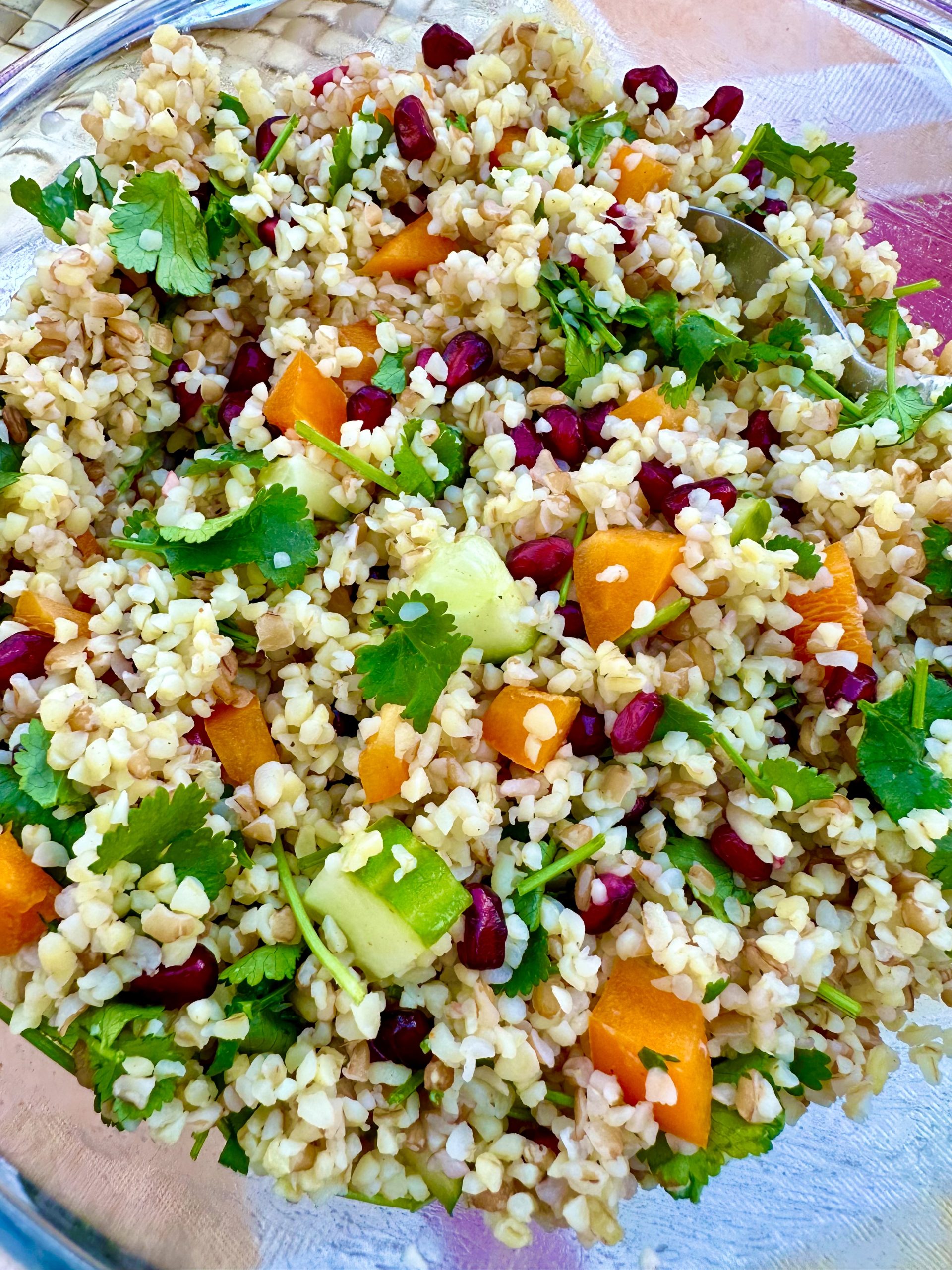
Tabouleh deliciously combines leafy greens with whole grains

The MIND Diet for Mental Health

As we progress through our 40s and beyond, prioritising brain health becomes crucial. One of the most effective ways to safeguard cognitive function and prevent dementia later in life is through diet. The MIND diet, a blend of the Mediterranean and DASH diets, is specifically designed to protect brain health. It emphasizes brain-boosting foods like leafy greens, berries, nuts, and whole grains while discouraging ultra-processed foods and red meats. This approach not only combats oxidative stress and inflammation but also significantly reduces the risk of cognitive decline and Alzheimer’s disease.

Key Components of the MIND Diet:

  1. Leafy Greens: Rich in vitamin K, lutein, and beta-carotene, these vegetables help slow cognitive decline.
  2. Berries: High in flavonoids, which are known to improve memory.
  3. Nuts: Packed with healthy fats and antioxidants that support brain health.
  4. Whole Grains: Provide steady energy and support overall brain function.

The Importance of Starting in Your 40s

Brain experts suggest that cognitive decline, such as Alzheimer’s, can begin 20 years before symptoms appear. By adopting the MIND diet in your 40s, you can lay a strong foundation for brain health. Research indicates that the MIND diet can lower Alzheimer’s risk by up to 53% and substantially slow cognitive aging. Given that one in nine adults over 45 experiences early cognitive decline, starting a brain-healthy diet now is a powerful step toward long-term cognitive health.

Beyond Diet: Other Tips for Preventing Dementia

While the MIND diet is a cornerstone of brain health, other lifestyle habits also play a critical role. Regular physical activity, mental stimulation, strong social connections, quality sleep, and effective stress management are all vital in reducing dementia risk. These practices promote neuroplasticity, improve cardiovascular health, and keep your brain engaged, all of which are essential for long-term cognitive function.

Incorporating the MIND diet into your daily life, especially starting in your 40s, can significantly impact your brain health. Along with other healthy lifestyle habits, this approach can protect your brain and help you age with mental clarity and vitality. Let food be your medicine and invest in your cognitive health today.
Food

Plant-Based Diets


Reversing Biological Age and Enhancing Health

Recent research underscores the profound impact of plant-based diets on biological age and overall health.  A new study claims that adhering to a plant-based diet can reverse your biological age by up to three years in just eight weeks.

Biological Age and Diet

Biological age, distinct from chronological age, reflects the physiological condition of your body and is influenced by lifestyle factors. The study highlights that a nutrient-dense, plant-based diet can significantly reduce biological age markers, such as inflammation and oxidative stress.

Key Findings

  1. Anti-Inflammatory Benefits: Plant-based diets are rich in antioxidants and anti-inflammatory compounds, which combat cellular damage and aging.
  2. Improved Gut Health: High fiber content promotes a healthy microbiome, essential for reducing inflammation and supporting overall well-being.
  3. Cardiovascular Health: Reducing cholesterol and blood pressure levels, plant-based diets enhance heart health, contributing to a younger biological age.

Practical Steps

Incorporating more plant-based foods like fruits, vegetables, legumes, nuts, and seeds into your diet can lead to substantial health benefits and potentially reverse biological aging.

Nutritional Powerhouse

Plant-based diets are rich in essential nutrients, including fiber, vitamins, minerals, and antioxidants. These nutrients are pivotal in maintaining optimal health and preventing chronic diseases.

Heart Health

The study reveals that individuals who follow a plant-based diet have a significantly lower risk of heart disease. The high fiber content in plant foods helps reduce cholesterol levels, while antioxidants protect against arterial damage.

Diabetes and Cancer Prevention

Research shows that plant-based diets can reduce the risk of type 2 diabetes and certain cancers. The anti-inflammatory properties of plant foods help regulate blood sugar levels and reduce inflammation, crucial factors in disease prevention.

Anti-Aging Benefits

Experts suggest that a plant-based diet is an effective strategy for combating aging. Nutrient-dense plant foods help reduce oxidative stress and inflammation, which are major contributors to aging and age-related diseases.

Environmental Impact

Beyond health benefits, plant-based diets are environmentally sustainable. They require fewer resources and result in lower greenhouse gas emissions compared to diets rich in animal products. So as you boost your own health, you impact the environment positively.

Health

Eating Naturally

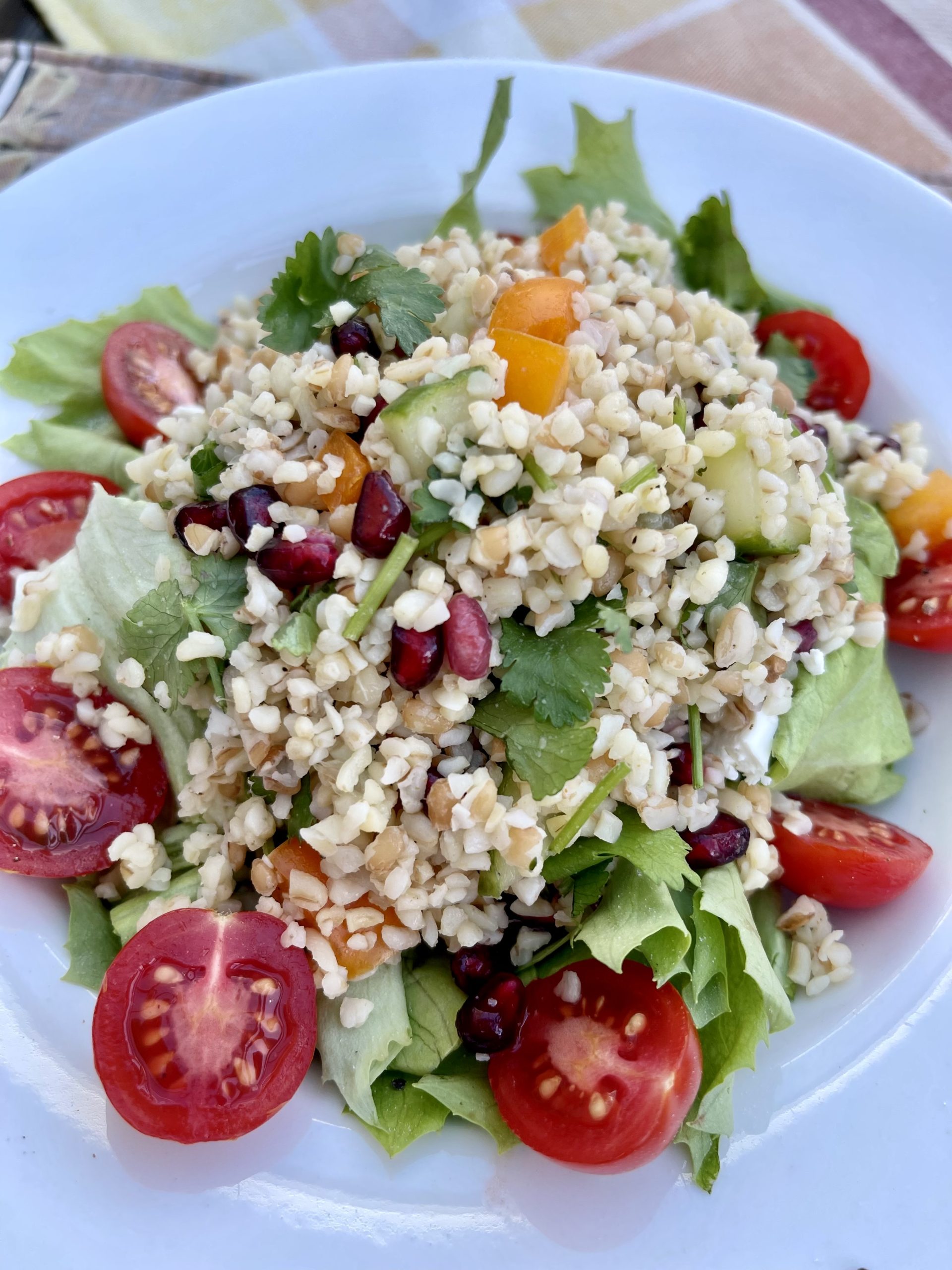
Tabouleh

It’s good for your Health and good for the Environment

At a time when longevity and well-being is highly sought after, our dietary choices have become crucial. Emerging research highlights not only the profound impact of what we eat on our personal health but also on the health of our planet. A recent study published in The American Journal of Clinical Nutrition on June 10, 2024, shows the remarkable benefits of the Planetary Health Diet (PHD), a sustainable and nutrient-rich dietary pattern. This study underscores how adopting a diet rich in plant-based whole foods can dramatically reduce the risk of premature death by 30% while simultaneously lessening our environmental footprint.

What is the Planetary Health Diet?

The Planetary Health Diet, introduced in the 2019 EAT-Lancet report, emphasises a balanced intake of plant-based foods with minimal animal products. The diet is designed to optimise human health while being sustainable for the planet. Here’s a snapshot of what it entails:

  • Half of the Plate: Filled with fruits and vegetables, providing essential vitamins, minerals, and fiber.
  • The Other Half: Composed of whole grains, plant proteins (like beans and nuts), unsaturated plant oils, and a small portion of animal protein.

This diet encourages reducing red meat and sugar intake, which not only benefits individual health but also reduces environmental pressures such as greenhouse gas emissions, land use, and water consumption.

Key Findings from the Study

The groundbreaking study analysed data from over 200,000 participants over several decades. The study found that adherence to the Planetary Health Diet significantly lowers the risk of premature death from major causes like cancer, heart disease, and lung disease. Participants who followed the diet closely experienced a 30% lower risk of premature death compared to those who did not adhere to the diet. This statistic alone is a powerful testament to the life-extending benefits of natural, whole-food eating.

The Dual Benefits: Health and Environment

One of the most compelling aspects of the Planetary Health Diet is its dual benefit to both human and planetary health:

  1. Personal Health: The diet’s emphasis on whole, plant-based foods provides essential nutrients while reducing the intake of processed and animal-based foods. This balance supports cardiovascular health, reduces the risk of chronic diseases, and promotes overall longevity.
  2. Environmental Impact: The study also highlighted the environmental advantages of the Planetary Health Diet. Participants with the highest adherence to the diet had significantly lower environmental footprints. This included 29% lower greenhouse gas emissions, 21% lower fertiliser needs, and 51% lower cropland use. This reduction is crucial as our food system is a major driver of environmental degradation and climate change.

The Link Between Diet and Climate Change

Dr. Walter Willett, a professor of epidemiology and nutrition at Harvard, emphasised the critical role our food choices play in combating climate change. He stated, “Climate change has our planet on track for ecological disaster, and our food system plays a major role. Shifting how we eat can help slow the process of climate change. And what’s healthiest for the planet is also healthiest for humans.”

This perspective aligns with the growing recognition that sustainable eating practices are integral to both our survival and the planet’s future. By choosing diets that prioritise plant-based foods and minimise animal products, we not only improve our health but also contribute to a more sustainable world.

How to Embrace a Natural Diet

Adopting a diet that benefits both health and the environment doesn’t have to be complicated. Here are some practical tips to help you get started:

  1. Fill Half Your Plate with Fruits and Vegetables: These foods are rich in nutrients and fibre and low in calories, making them perfect for maintaining a healthy weight and supporting overall health.
  2. Choose Whole Grains: Replace refined grains like white rice and pasta with whole grains such as quinoa, brown rice, and whole wheat. Whole grains provide more nutrients and fibre, which are essential for digestive health.
  3. Opt for Plant Proteins: Incorporate more beans, lentils, nuts, and seeds into your diet. These plant-based proteins are rich in essential nutrients and are more sustainable than animal-based proteins.
  4. Limit Meat and Dairy: While the PHD does not entirely eliminate meat and dairy, it encourages moderation. Try to reduce your intake of red meat and opt for leaner, sustainable options like fish or plant-based alternatives.
  5. Use Unsaturated Plant Oils: Choose oils such as olive or canola oil over saturated fats like butter. Unsaturated fats are better for heart health and are a staple of the PHD.
  6. Reduce Sugar and Processed Foods: Minimise your intake of sugary and highly processed foods. These foods often contribute to weight gain and chronic diseases and have a higher environmental cost due to their production and packaging.

The Planetary Health Diet offers a compelling blueprint for a healthier, more sustainable future. By aligning our dietary choices with the principles of natural, plant-based eating, we can significantly enhance our health while playing a vital role in protecting our planet. As we face the dual challenges of public health crises and environmental degradation, adopting such sustainable dietary patterns becomes not just a personal choice but a global imperative.

Embrace the power of natural foods and make mindful choices that nourish the body and safeguard the Earth. After all, what’s good for the planet is ultimately good for us too.

Food

The Link Between Mental Health and Gut-health

How Diet Impacts Anxiety


In our pursuit of mental well-being, we often look to therapies, medications, and lifestyle changes. What about the food on our plates? Can what we eat truly influence our mental health, particularly conditions like anxiety? The answer, according to research and specialist nutritionists is a resounding YES.

Understanding the Brain-Gut Connection

The link between the gut and the brain is well-documented, and recent studies suggest that what we eat can significantly impact our mental health. Our diet influences the brain in three main ways: the production of neurotransmitters, gut health, and inflammation.

Production of Neurotransmitters

Neurotransmitters like serotonin and dopamine play a crucial role in regulating mood and emotions. Certain nutrients found in our diet, such as B vitamins and omega-3 fatty acids, are essential for the production of these neurotransmitters. Foods high in tryptophan, like eggs, nuts, seeds, whole grains and legumes, can boost serotonin levels, contributing to a brighter mood and emotional balance.

Gut Health

The gut-brain axis, a two-way connection between the brain and the micro-organisms in the gut, is influenced by what we eat. An imbalance in the gut microbiome, known as dysbiosis, can disrupt neurotransmitter production and lead to mental health disorders like anxiety and depression. Inflammation in the gut caused by a poor diet high in ultra-processed foods and sugar has been linked to mental health issues.

Inflammation

Chronic inflammation, triggered by poor dietary choices, is associated with various health problems, including mental health conditions. Consuming anti-inflammatory foods like berries, fruit and vegetables, can help reduce inflammation in the body and improve mental health.

Impact of Diet on Anxiety

While no single diet can cure anxiety, certain dietary patterns can exacerbate or alleviate its symptoms. Ultra-processed foods high in sugar can cause spikes and crashes in blood sugar levels, leading to irritability and anxiety. Eating at regular intervals throughout the day and consuming foods high in protein, good fats, and fibre can help stabilise blood sugar levels and prevent mood swings.

Eating Mindfully

How we eat is as important as what we eat. Eating in a rushed, stressed manner can lead to digestive issues and exacerbate anxiety symptoms. Practicing mindful eating techniques, such as chewing food thoroughly and savouring each bite, can reduce stress levels and promote relaxation.

Foods that Support Mental Health

  1. Magnesium-Rich Foods: Spinach, pumpkin seeds, avocados, and bananas are rich in magnesium, which helps to regulate cortisol levels and blood pressure, crucial for managing anxiety.
  2. Complex Carbohydrates: Whole grains, fibre-rich fruits, and vegetables release sugar into the blood slowly, preventing spikes and lows in blood sugar levels and stabilising mood.
  3. Gut-Friendly Foods: Probiotics found in fermented foods like sauerkraut and kefir, and prebiotics found in vegetables and whole grains, support gut health and have been linked to improved mood and reduced anxiety.
  4. Other Beneficial Foods: Nuts, berries, and foods rich in omega-3 fatty acids support neurotransmitter function and help manage anxiety symptoms.

A healthy diet can be a powerful tool as part of a holistic approach to mental health. By nourishing our bodies with the right foods, we can support our mental health and overall well-being.

Food

Link Between Ultra-Processed Foods and Major Health Risks

Enjoy healthy 10-minute home prepared meals

More than half of the typical British daily diet is made up of ultra-processed food, higher than any other country in Europe. From ready meals to sugary snacks, ultra-processed foods have become staples in many diets. Research has shed light on the alarming consequences of consuming these mass-produced products, revealing a link to a myriad of damaging health outcomes, including cancer, diabetes, anxiety and depression.

A comprehensive study published in the British Medical Journal has underscored the detrimental effects of ultra-processed foods on both physical and mental well-being. Drawing from data involving nearly ten million individuals worldwide, researchers found a significant association between high consumption of these foods and an increased risk of mortality, particularly from heart disease. Shockingly, those who consumed the most ultra-processed foods faced a 21% higher risk of premature death and a staggering 50% higher risk of dying from heart-related issues.

Beyond physical ailments, the study also uncovered a concerning correlation between ultra-processed food intake and mental health disorders, such as depression and anxiety. Individuals with a high consumption of these foods were found to be at a 22% greater risk of depression and experienced approximately 50% higher rates of anxiety and poor sleep. Experts attribute these findings to the potential inflammatory effects of these foods on the body and their disruptive impact on the gut microbiome, which plays a crucial role in mental health regulation.

Awareness of the risk and adopting healthier food choices remain essential for self-care. By prioritising whole, minimally processed foods and adopting balanced eating habits, we can mitigate the risks associated with ultra-processed foods and embark on a path towards improved health and vitality.

Preparing healthy meals can be done in no time. Here’s some inspiration 50 Healthy 10-minute meals

Find more inspiration right here on the Natural Wellness site for healthy soups, stews and salads.

Health

Your Food Can Boost Your Mood


In an era marked by heightened anxiety levels, it’s imperative to explore holistic approaches to alleviate stress and boost mental well-being. Nutritional Psychiatrist Uma Naidoo, sheds light on the profound impact of diet on anxiety levels in her latest book, Calm Your Mind with Food. It emphasises the role of nutrition in banishing tension, elevating mood, and fostering long-term mental health.

Understanding the Gut-Brain Connection

There’s an intricate relationship between the gut and the brain, with the brain and the gut being in constant mutual communication. The gut microbiome, comprising trillions of bacteria and yeasts, plays a pivotal role in regulating brain function through this gut-brain axis. The health of our gut is intricately linked to anxiety levels, with highly processed diets and fast foods contributing to inflammation that adversely affects mental and physical well-being.

Nutrient-Rich Foods for Anxiety Reduction

Yoghurt for Gut Health

Consumption of gut-friendly foods such as yoghurt, is shown beneficial for anxiety reduction. A review of 21 studies, involving 1,503 people, suggests that eating gut-friendly food like plain yoghurt is instrumental in improving gut health and reducing anxiety levels.

Vitamin B-Rich Foods

Foods rich in vitamin B, including oats, milk, nuts, seeds, lean meat, poultry, and fish, prove to be essential for anxiety prevention. Studies on Affective Disorders highlight the correlation between a diet high in B vitamins and lower anxiety, depression and stress levels.

Tea for Hydration and Polyphenols

Regular consumption of tea, known for its calming properties, is recommended for those dealing with anxiety. The polyphenols in black and green teas, such as theaflavins, have been shown to reduce anxiety levels. However, moderation is key to keep caffeine intake below 400mg per day.

Probiotic-Rich Foods

Probiotic fermented foods like pickles, kimchi, garlic, onions, and bananas are emphasised for their role in supporting gut health. Research indicates that these foods positively impact anxiety levels.

Berries for Brain Boosting

Berries, especially dark berries like blueberries and blackcurrants, are lauded for their antioxidant properties. Research has shown that these antioxidants protect the brain from oxidative stress and contribute to reduced anxiety symptoms.

Ashwagandha Supplement

Clinical trials suggest that ashwagandha supplementation can significantly lower anxiety levels, making it a potential consideration for some individuals.

Red Wine in moderation

Red wine, in moderation, can be considered for its polyphenol resveratrol content. This compound regulates neurotransmitter release, contributing to a calmer brain. Moderation is advised as excessive alcohol consumption can exacerbate anxiety. Red grapes, blueberries, raspberries, peanuts and pistachios are good sources of resveratrol too. 

Omega-3 Fatty Acids

Foods rich in omega-3 fatty acids, such as oily fish, nuts, and seeds, are highlighted for their anti-inflammatory effects on the brain. Omega-3s have been shown to alleviate symptoms of anxiety and depression.

Avoid sugary, high-fat comfort foods

While these foods may provide short-term mood improvement, the effects are temporary, and reliance on such foods can lead to an unhealthy cycle.

In the quest for mental well-being, your plate holds the potential to calm the mind. Embracing a nutrient-rich, gut-friendly diet can be a proactive self-empowering step in managing anxiety and nurturing long-term mental health. Let your meals be a source of strength, resilience, and calm in the face of life’s challenges.