Health

How Fruits & Vegetables Feed Your Gut

Think colour, eat the rainbow

We’ve all heard the advice: eat more fruits and vegetables. Now, exciting new research from suggests that when you do, you’re not just feeding yourself – you’re feeding your microbiome.

For the first time, researchers have confirmed that the natural bacteria found on fruits and vegetables can actually become part of the human gut. In other words, the microscopic life living on plants contributes directly to the diversity of bacteria living inside you. And that matters.

Your gut microbiome – the vast community of microorganisms in your digestive system – plays a powerful role in overall health. It has been linked to immunity, mood, metabolism, and even memory. The more diverse this inner ecosystem is, the more resilient and balanced it tends to be.

In this large study, scientists compared the bacteria from 156 different fruits and vegetables with thousands of human gut samples. They discovered that plant-associated bacteria contributed, on average, about 2% of overall gut bacterial diversity. That may sound small, yet in the complex world of the microbiome, diversity is everything.

One of the most beautiful ideas to emerge from this research is this: we are deeply connected to the natural world, not just metaphorically, but biologically. When we eat fresh produce, we are literally inviting nature inside.

It also highlights the importance of how our food is grown. Farming practices, soil health, and post-harvest treatments all influence the microbial life on plants, which may in turn influence our own inner ecosystem.

Even more fascinating Every fruit and vegetable has its own unique microbiome. This opens the door to the possibility of more personalised nutrition in the future — choosing specific plant foods to support individual health needs.

For now, the takeaway is simple and empowering:

  • Eat a wide variety of fruits and vegetables.
  • Choose fresh, whole produce whenever possible.
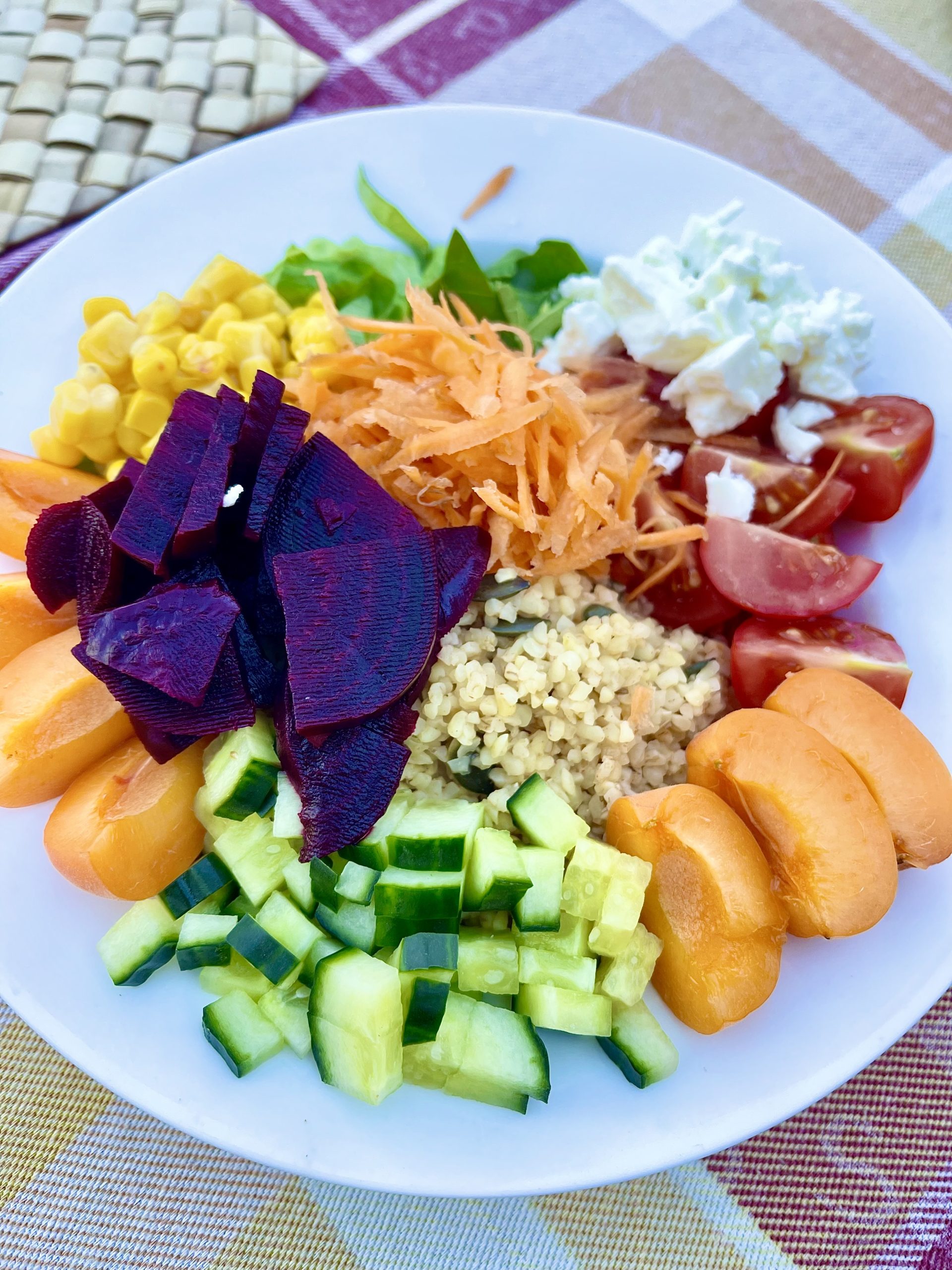
  • Aim for colour and diversity on your plate.

When you nourish your body with plants, you’re not just adding vitamins and fibre, you’re strengthening the living ecosystem within you. Nature doesn’t just surround us. It lives within us.

Health

Sunlight for the Mind

Why Daily Light Is Essential for Brain Health

When we think about wellness, sunlight usually gets credit for vitamin D, better mood or a good night’s sleep. Yet, new research from the University of Manchester suggests something even more compelling: Everyday sunlight can sharpen your brain, improving focus, speed and alertness. Even in winter and even on ordinary workdays.

Sunlight and the Everyday Brain

In a first-of-its-kind study, neuroscientists from the University of Manchester explored how natural light exposure affects cognitive performance during normal daily routines. Researchers followed 58 healthy UK adults over seven days, tracking how much biologically relevant daylight they were exposed to using wrist-worn light monitors. Participants also completed regular cognitive tests on their phones, measuring sleepiness, attention, working memory and visual search skills, using an app developed by the university called “BrighterTime”.

What they found was clear and surprisingly powerful: Brighter and more regular daytime light exposure was consistently linked to better brain performance.

Faster Thinking, Better Focus, Less Sleepiness

The study showed that sunlight affects the brain on both a short-term and long-term level. In the short term, light exposure in the 30 to 120 minutes before a cognitive task made a noticeable difference. People who had been in brighter light during that window felt less sleepy and responded faster on tasks measuring sustained attention and working memory. The effect was strongest when light exposure occurred within the previous 30 to 90 minutes, boosting reaction speed without increasing mistakes.

Over the longer term, participants who experienced brighter, more consistent daylight across the entire week performed even better. They showed faster reaction times, fewer errors in working memory and visual search tasks, and greater ability to maintain focus. Importantly, people whose days had fewer abrupt switches between light and darkness – more stable light patterns overall – performed best. In other words, the brain seems to love rhythm and brightness.

Why Light Has Such a Powerful Effect

The key lies in the brain’s non-visual light-sensing system. While we usually think of light as something we see, it also communicates directly with the brain through specialised cells in the eye containing a photopigment called melanopsin. These cells don’t help you see images. Instead, they help regulate alertness, circadian rhythms and sleep-wake cycles. They’re especially sensitive to short-wavelength blue-green light; the kind abundant in natural daylight.

According to the researchers, recent bright light likely boosts alertness by activating the brain’s central clock and arousal systems. Meanwhile, consistent exposure to bright daytime light appears to strengthen circadian rhythms over time, supporting better baseline alertness and cognitive stability.

Interestingly, the researchers also tested whether individual biological sensitivity to light mattered. It didn’t, the cognitive benefits were linked to light exposure itself, not genetic or physiological differences between participants.

Why This Matters for Modern Life

Most of us spend our days indoors, under artificial lighting, often getting far less daylight than our brains evolved to expect, especially in winter or in office-based jobs. This study suggests that insufficient daytime light isn’t just a mood issue, it may be quietly slowing us down cognitively.

The findings have real-world implications for health, safety and productivity—particularly for people working long hours, in low-light environments or on night shifts. While we already know that artificial light at night can disrupt sleep, this research highlights the other side of the equation: Bright daylight is not optional for brain health – It’s essential.

A Simple Wellness Practice with Big Payoff

You don’t need to overhaul your life to benefit. Small, consistent habits can make a difference:

  • Spend time outdoors in the morning or early afternoon
  • Take daylight breaks instead of scrolling indoors
  • Sit near windows when possible
  • Keep daytime light exposure regular, even on weekends

Your brain is constantly listening to light cues from the environment. By giving it more natural daylight – and doing so consistently – you’re supporting faster thinking, better focus and a steadier sense of alertness throughout the day.

Food

Eating Well at Every Age

Why a Healthy Relationship with Food Matters More Than Perfection

Eating should be simple. It should keep us nourished, alive, well and bring some pleasure along the way. Yet for many of us, food becomes tangled up with guilt, rules, stress and worry. In a new book How to Eat Well at Every Age – Professor Jane Ogden offers a refreshing, psychology-led reminder: eating well isn’t about perfection. It’s about being good enough – for life.

Ogden’s book draws on nearly four decades of academic work alongside her passion for making psychology practical and accessible. Her central message is clear: developing a healthy relationship with food matters just as much as nutrition itself, from childhood right through to older age.

What Does “Eating Well” Really Mean?

At its core, healthy eating still involves the basics we know: plenty of fruit and vegetables, moderate protein, complex carbohydrates, and less fat, sugar and ultra-processed foods. But as Ogden emphasises, eating well is about far more than what’s on the plate

It’s also about when, where, why, and how we eat.

Planning meals in advance and eating at regular times helps reduce impulsive choices. Creating proper “eating spaces”, rather than eating in the car, at a desk, or on the go, helps us pay attention to food and actually remember eating it. Sitting down, minimising distractions and calling it “a meal” all support mindful eating.

One of the biggest challenges is emotional eating. While food can soothe in the short term, it often brings guilt and shame later. Ogden encourages finding non-food ways to regulate emotions, such as fresh air, music, conversation, while allowing food to do its real job: managing hunger.

Raising Children Who Trust Food – and Their Bodies

When it comes to children, Ogden argues that the relationship with food matters more than perfect nutrition. Children need guidance, but they also need food to feel safe and normal. She frames good food parenting around three pillars:

1. Be a role model

Children learn by watching. Eating together as a family, enjoying vegetables, stopping when full, being active and showing body confidence all send powerful messages without  lecturing.

2. Say the right things

Language shapes a child’s “food and body script” for life. Positive, neutral language about food support healthy approaches to food and bodies. Praising children for who they are, not how they look, matters deeply.

3. Manage the environment

Children can only eat what’s available. Stock the house with healthy food, keep fruit within reach, limit ultra-processed meals, turn off screens at mealtimes and persist with vegetables even when they’re rejected. Familiarity is often the key to acceptance.

Eating Well in Adulthood

For many adults, eating becomes synonymous with weight control. Diets, medications and surgeries promise solutions, yet often reinforce the idea that food is a problem. Ogden highlights that lasting change rarely comes from restriction alone. Instead, sustained healthy habits tend to emerge when people choose the right moment to change, believe change is possible and gradually build new routines into their identity. Whether the goal is eating more vegetables, cooking more meals, or reducing meat, success comes from embedding change into who you are, not from resisting food. This approach reduces rebound effects and allows eating well to feel natural.

Later Life: Eating Enough

As we age, the challenge often flips. Instead of overeating, many older adults struggle with undereating, weight loss and malnutrition. Appetite changes, routines shift and cooking can feel like too much effort. Ogden’s advice here is compassionate and practical: aim for good enough. Smaller, regular meals, social eating, supplements when needed and eating foods you enjoy all help maintain health. Food also becomes a vital connector, offering reasons to socialise, structure the day and maintain a sense of identity and pleasure.

Supporting Others to Eat Well as They Age

Caring for someone else often means caring through food. Making eating easy, sociable and enjoyable matters more than rules. Shopping, cooking, eating together and linking food to social activities can all help.
Ogden also highlights the importance of how we talk about bodies and weight. Praise should focus on health and vitality – “you look well,” “you’re looking stronger” – rather than weight gain, which can still trigger discomfort and stigma even in underweight individuals. In care settings, offering choice, encouraging social meals, providing snacks and using food to draw people into shared spaces can significantly improve wellbeing, confidence and mood.

A Lifelong Relationship Worth Protecting

The core message of How to Eat Well at Every Age is both simple and profound: Eating well is not just about nutrition—it’s about psychology, identity, relationships and kindness to ourselves and others. Feeding ourselves or those we care for imperfectly is human. But turning food into a problem is far more damaging. By aiming for “good enough,” we can nourish our bodies, protect our mental wellbeing and allow food to return to where it belongs – a supportive, enjoyable part of life.

How to Eat Well at Every Age by Professor Jane Ogden is published by Routledge in partnership with the British Psychological Society.
Food

January Food Wisdom

Nourishment, Comfort & Gentle Resets for Body and Mood

January often arrives carrying messages of reset, restrict, detox and start again. Yet winter itself tells a very different story. In nature, this is a season of rest, warmth, conservation and quiet strengthening.

True January wellness isn’t about extremes. It’s about nourishing comforts, seasonal wisdom, immune resilience and supporting both body and mood gently through the darkest weeks of the year. This is a month to eat in a way that feels steady, kind and sustaining.

Focus on Nourishment rather than Restriction in the Extreme

In winter, the body naturally craves warmth, regular meals and grounding foods. Extreme cleanses, fasting, or overly cold and raw diets can increase fatigue, cravings, low mood and immune vulnerability, especially after the busy holiday season.

Rather than asking “How can I undo December?”, January invites a gentler question: “How can I nourish myself back into balance?” A healthy reset in winter comes from adding nourishment, rather than taking it away.

The Healing Role of Comfort Foods

Comfort foods get an unfair reputation in January. Yet warmth, familiarity and satisfaction are not indulgences, they are regulating. Warming foods support digestion, circulation and nervous system safety, all of which are essential during cold, dark months.

Think:

  • soups, stews, and broths
  • slow-cooked meals
  • roasted vegetables
  • porridges, oats and warming breakfasts
  • spices like ginger, cinnamon, turmeric, cayenne and cloves.

These foods help the body feel grounded and supported, creating the conditions for sustainable health rather than willpower-driven eating.

Winter Produce as Natural Medicine

Seasonal winter foods are uniquely suited to January’s needs: rich in minerals, fibre and immune-supportive compounds.

Winter Staples to Embrace include:

  • Root vegetables: carrots, parsnips, beets, turnips, sweet potatoes
  • Squashes: butternut, pumpkin, acorn
  • Alliums: garlic, onions, leeks (natural immune allies)
  • Dark leafy greens: kale, chard, cabbage
  • Citrus fruits: oranges, lemons, grapefruits for brightness and vitamin C
  • Fermented foods: sauerkraut, kimchi, miso to support gut health.

Eating with the season is one of the simplest ways to support energy, digestion and immunity without rigid rules.

Mood Foods for Emotional Wellbeing

The January blues are often a biological and environmental response to reduced daylight, colder weather and post-holiday depletion. Food can gently support mood by stabilising blood sugar and nourishing the brain and nervous system.

Helpful mood-supportive foods include:

  • Complex carbohydrates (root vegetables, oats, squash) to support serotonin
  • Healthy fats (olive oil, nuts, seeds, avocado) for brain health
  • Omega 3 and vitamin D-rich foods like oily fish, eggs and fortified products for immune resilience, energy and uplifted mood.
  • Protein and fibre that keep you feeling full and satisfied, preventing energy crashes and unhealthy snacking. Sources include lean meats, fish, eggs, beans, lentils and nuts.
  • Magnesium-rich foods (leafy greens, beans, cacao) to support calm and ease tension.

Warm, satisfying meals also send a powerful signal of safety and care to the body, essential for emotional well-being.

A Gentle January Reset That Actually Lasts

Rather than a punishing, rigid regime, a healthy January reset may look like:

  • eating regular, balanced meals
  • cooking more warming foods at home
  • adding nourishment before removing anything
  • reducing ultra-processed foods
  • listening to hunger, fullness and energy cues.

These small, steady shifts support metabolism, immunity and mood without triggering the cycle of restriction and rebound.

January Nourishment Is an Act of Self-Respect

Food wisdom in January is about care rather than control. When we choose foods that warm the body, stabilise mood, strengthen immunity and comfort the nervous system, we lay the foundation for health that unfolds naturally over the year ahead.

Health

Winter Wisdom

What Japanese Philosophy Teaches Us About Stillness, Simplicity and the Quiet Season

Winter is a season of depth. In Japanese culture, winter is honoured as a time of refinement, inner listening and quiet strength. Rather than resisting the cold or the slowing of life, winter invites us to turn inward, to strip away excess and to reconnect with what is essential. Here we explore some timeless Japanese concepts that offer gentle guidance for living winter with presence, clarity and grace.

Wabi-Sabi: Finding Beauty in the Quiet and Imperfect

Wabi-sabi is the art of appreciating impermanence, simplicity and imperfection. In winter, wabi-sabi lives in:

  • bare branches against a grey sky
  • frost on old wood
  • the silence of early mornings
  • cracks in ice that remind us nothing lasts forever.

Winter shows us that beauty does not need to be lush or loud. It can be muted, minimal, incomplete and still deeply moving. Wabi-sabi invites us to soften our expectations of ourselves during this season, to accept slower days, lower energy and unfinished moments without judgment.

Seijaku: The Power of Sacred Stillness

Seijaku refers to inner calm; a deep stillness that exists beneath the noise of the world. Winter naturally cultivates seijaku. The land rests. Sounds soften. Life pauses between breaths. Rather than filling the quiet, Japanese wisdom encourages us to listen to it. In seijaku, we learn that stillness is not emptiness; it is presence without distraction. It is where insight emerges, where emotions settle and where the nervous system finds repair. Winter asks: Can you allow stillness to hold you, rather than rushing to escape it?

Shinrin-yoku: Forest Bathing in Winter’s Embrace

Shinrin-yoku, or forest bathing, is the practice of immersing oneself in nature; not so much for exercise, rather to receive. Winter forests offer a different medicine:

  • quieter trails
  • sharper air
  • heightened awareness
  • deeper introspection.

Without leaves and color, the senses sharpen. You notice textures, breath, subtle movement and the rhythm of your own body. In winter, nature does not disappear; it simplifies. In that simplicity, we remember how to be. Even a short winter walk becomes a ritual of grounding, clarity and connection.

Mushin: A Clear Mind, an Open Heart

Mushin translates to “no-mind” – a state of mental clarity, free from attachment, overthinking and inner resistance. Winter naturally supports mushin. There is less external stimulation, fewer demands and more space between moments. In mushin, we stop forcing answers. We allow feelings to move without judgment. We trust what arises with openness, without needing to control it. An open heart. A quiet mind. A willingness to meet life as it is.

Ma: Honouring the Space Between

Ma is the sacred pause, the space between things. Winter is Ma embodied. It is the space between years, between growth cycles, between who we were and who we are becoming. Ma reminds us that meaning can be found as much in action as in rest, silence and intervals of non-doing. When we honour Ma, we stop rushing transitions and allow integration to happen naturally

Kanso: Simplicity as Nourishment

Kanso emphasizes simplicity and the removal of excess. Winter calls for this naturally:

  • simpler routines
  • quieter schedules
  • fewer social obligations
  • warmer, more grounding choices.

Kanso teaches that clarity emerges when life is quiet. Simplicity becomes a form of care.

Winter as a Teacher

Japanese winter wisdom reminds us that nature doesn’t bloom year-round.

It asks us to:

  • rest without guilt
  • simplify without fear
  • feel without rushing
  • listen without fixing
  • be without striving.

Winter is not a season to overcome. It is a season to be with. In the stillness, something ancient awakens:

  • a quieter strength,
  • a gentler clarity,
  • a deeper connection to self.

And when Spring arrives, it does so from patience, presence and trust.

Food

Recovering the Lost Art of Home Cooking

Rekindling Nourishment This Christmas

In a world that moves fast, scrolls screens and delivers meals to our door in minutes, home cooking has quietly become a lost art. We still enjoy our food, we’ve just become disconnected from the slow, sensory magic of preparing it.

This Christmas, let us return to the kitchen – not with pressure, perfectionism, but with simplicity, presence and nourishment. Home-cooked meals don’t need to be elaborate to be healing. And that fruits and vegetables – nature’s most vibrant medicines – are powerful allies in grounding, nourishing and reconnecting us to true wellbeing. This season is the perfect time to rekindle a gentle, joyful relationship with cooking.

Why Home Cooking Matters for Wellness

Home cooking is about wellness, ritual and connection. When you cook, you naturally:

  • slow down
  • tune into your senses
  • return to the present moment
  • reconnect with your body’s needs
  • nourish yourself and others on a deeper level.

Cooking becomes an act of grounding, a way to settle the nervous system and create warmth in both the home and the heart. In winter especially, when your body craves comfort and your mind needs ease, simple homemade meals can support immunity, improve digestion and lift your mood.

A Return to Simplicity in the Kitchen

The biggest misconception about home cooking is that it has to be time-consuming or complicated. The truth is: simple food is healing food.

This Christmas, embrace minimalism in the kitchen:

  • a handful of fresh vegetables roasted with olive oil
  • a warm fruit compote simmered with cinnamon
  • hearty soups that take 10 minutes of chopping and do the rest on their own
  • colorful salads layered with citrus, pomegranates, nuts, or herbs.

These dishes don’t require advanced skills – just a willingness to be intentional. Simplicity also invites creativity. Start with what’s fresh, seasonal and available.

Let Fruits and Vegetables Be the Stars

Fruits and vegetables are nature’s wellness gifts. They hold the very nourishment that helps us stay energised, balanced and resilient. Bring them back to the centre of your Christmas meals:

1. Winter Fruits for Comfort and Vitamin Boosts

Citrus, apples, pears, pomegranates, cranberries – these fruits help support immunity, offer antioxidants and bring colour to festive plates.

Enjoy:

  • sliced oranges drizzled with honey and cinnamon
  • warm baked apples stuffed with nuts and dried berries
  • a festive fruit platter with mint and dark chocolate shavings.

2. Seasonal Vegetables for Warmth and Grounding

Root vegetables, squash, leafy greens and cruciferous veggies provide steady energy, fibre and deep nourishment.

Enjoy:

  • roasted carrots and parsnips
  • creamy butternut squash soup
  • sautéed Brussels sprouts with lemon and garlic
  • kale salad with cranberry vinaigrette.

When fruits and vegetables become the foundation of your meals, everything feels brighter, healthier and more vibrant, enhancing joy and comfort.

Bringing the Heart Back Into the Kitchen

Rekindling the art of home cooking is about the relationship you form with the food and cooking.

This Christmas, enjoy:

  • Cooking as Ceremony

Light a candle. Play soft music. Let this be a moment to unwind, not another task on your list.

  • Savouring the Senses

Feel the textures. Smell the spices. Listen to the sizzle. Let cooking anchor you in your body.

  • Sharing the Experience

Invite a loved one to prepare food with you. Make a simple recipe with a child. Prepare a nourishing dish for someone who needs care.

  • Taking Pressure Off

This isn’t about perfection. It’s about nourishment. Use what you have. Keep it simple (the best tasting food is always the easiest to make).

The Gift of Nourishment

When you cook at home this Christmas, you’re offering yourself far more than a meal. You’re giving your body nutrients, your mind stillness and your spirit connection. You’re creating warmth from the inside out. You’re forming rituals that strengthen your wellbeing long after the holidays end.

This season, let the kitchen become a place of healing again. Let fruits and vegetables bring colour, vitality and balance to your table. And let simplicity guide you into a renewed, heartfelt relationship with nourishment. Because the most meaningful gifts are often the ones we create with our own hands.