Mindfulness

Finding the Magic in Winter

Reconnecting With Nature’s Quiet Wisdom

Winter can be a challenging season. We’re conditioned to perceive it as cold, harsh or stagnant. But when we soften into it mindfully, winter can reveal its unique quiet, potent magic. Winter invites us to slow down, look inward and reconnect with nature in ways that are subtle, intimate and deeply restorative. Instead of pushing against the cold or longing for spring, we can choose to lean into the rhythm of the season and let it support our wellbeing.

Here we explore ways to find the magic in winter by reconnecting with the natural world around you.

1. Let the Quiet Become Your Sanctuary

Winter hushes the world. Snow absorbs sound. Bare trees soften the landscape. There’s a natural stillness that encourages us to pause. Spending even a few moments outside, breathing into a cold morning, listening to the sound of the breeze, can create space for clarity, grounding and emotional reset. Nature’s quiet becomes a mirror for your own inner quiet.

Mindfully step outside at dawn or dusk. Notice what you hear. Notice the quiet. Let the silence settle your system.

2. Connect With the Elements You Can Feel

Winter invites a more tactile relationship with nature. Feel the crisp air on your cheeks. Notice the way your breath clouds in the morning light. Watch frost forming delicate patterns on the window. These small moments awaken your senses and bring you fully into your body.

There’s magic in how the world changes texture this time of year – sharper, brighter, cleaner, slower. Let yourself be touched by the season.

3. Follow the Seasonal Light

Winter light is its own kind of medicine as it glows low, golden and soft. It stretches long shadows and turns even mundane landscapes into something poetic. Take slow walks during the short daylight hours and notice how the light shifts through the trees, across rooftops or over snow. Let the gentle glow be a reminder that illumination still exists, even in the darkest months.

4. Observe Nature’s Rest and Honour Your Own

Look around: trees release their leaves, animals retreat to burrows, plants go dormant. Everything is resting, conserving, regenerating. Winter gives us permission to do the same. Instead of seeing rest as laziness or inactivity, see it as nature’s wisdom. A necessary part of the cycle. A preparation for growth. A nourishment beneath the surface. Your body and mind crave this seasonal pause. Honour it.

5. Seek the Small, Hidden Signs of Life

Even in winter’s stillness, the earth is never truly asleep. There is subtle life everywhere:

  • buds forming on bare branches
  • birds adapting their songs
  • the tracks of animals in fresh snow
  • moss staying vibrant green
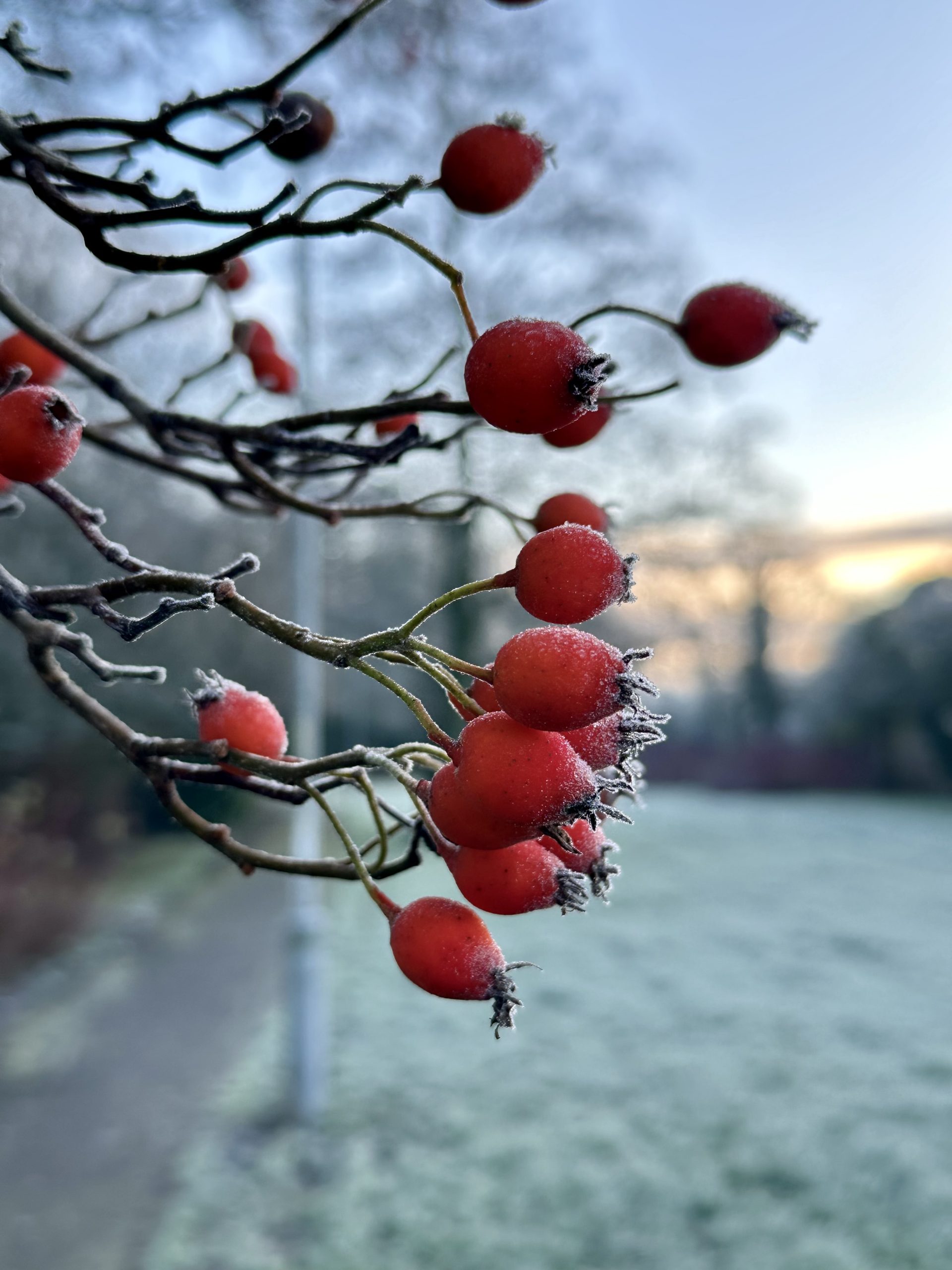
  • winter berries adding spots of colour.

When you start looking for these small signs, you reconnect with nature’s resilience, and so your own. These are tiny reminders that life continues. Light returns. Renewal is inevitable.

6. Create Seasonal Rituals

Magic grows in ritual. Light a candle at sunset to honour the early darkness. Brew tea from leaves, herbs and spices like ginger and cinnamon. Sit near a window and watch the weather shift. Keep a winter journal where you record what you observe outdoors. These rituals reconnect you with the rhythm of the earth, helping your nervous system feel synced, safe and supported.

7. Let Winter Slow You and Teach You

Winter is the season of introspection. The season that teaches us:

  • how to be still
  • how to listen
  • how to trust the unseen
  • how to slow down and restore ourselves
  • how to let the inner world matter just as much as the outer.

Winter magic is not loud or showy. It’s subtle, quiet and deeply felt. It asks us to be present, to soften, to slow down and to notice the beauty in the barren.

Finding Wonder in the Wintering

When you allow yourself to connect with nature during winter, you reconnect with your own essence. You remember that your life, like the seasons, has cycles of expansion and contraction, movement and stillness, light and shadow.

Winter is a void, a vessel for transformation, a space for healing, a pause before the next bloom. There is magic here for you to notice and to let in.

Magical books great for gifts:
Wintering by Katherine May
How to Winter by Kari Leibowitz

Food

Vitamin D and the Darker Months

How to Stay Healthy Through Autumn and Winter

As the days grow shorter and the sun dips lower, many of us feel a subtle shift in energy levels, mood, maybe even health. One quiet reason could be a drop in vitamin D, often called the “sunshine vitamin.” Essential for bone health, immunity and mood regulation, vitamin D becomes harder to get naturally once autumn arrives.

Why Vitamin D Levels Drop

Our skin produces vitamin D when exposed to sunlight, specifically UVB rays. But from October to March in northern regions like the UK, sunlight is too weak for our skin to make much at all. We also spend more time indoors and cover up against the cold. Because dietary sources are limited, most people experience a seasonal decline.

Research found that nearly half of the global population has insufficient vitamin D levels, with the risk much higher during winter. Severe deficiency is linked to bone weakness, immune dysfunction and increased risk of illness.

Symptoms to Watch For

Low vitamin D can be subtle at first. Common signs include:

  • Fatigue and low mood, sometimes mistaken for winter blues.
  • Muscle weakness or aches, especially in the back or legs.
  • Frequent colds or slower recovery from illness.
  • Bone pain or fragility, particularly in older adults.

If you’re unsure of your Vitamin D levels, a blood test can reveal your results.

How to Replenish Vitamin D

1. Get outside when you can. Even in cooler months, spending time outdoors supports general health and mood. Exposure to natural light aids energy levels and sleep.

2. Eat vitamin D-rich foods. Include oily fish (salmon, mackerel, sardines, trout) and eggs. UV-exposed mushrooms can also provide a plant-based boost.

3. Consider a supplement. The UK’s NHS recommends adults take 10 micrograms (400 IU) daily from October to March. Those with darker skin, limited sun exposure or health conditions affecting absorption may need higher doses, ideally guided by a healthcare professional.

4. Support absorption naturally. Ensure you’re getting enough magnesium and vitamin K2, both of which help your body use vitamin D effectively. Regular movement and weight-bearing exercise also support bone and muscle health.

A Seasonal Wellness Habit

Think of vitamin D care as part of your autumn and winter rhythm — a gentle self-care ritual for your immune system, bones and mood. By stepping outdoors, eating well and supplementing wisely, you’ll carry your energy and resilience through the darker months and into spring with strength and balance.

Nature

Longevity Through Nature Connection

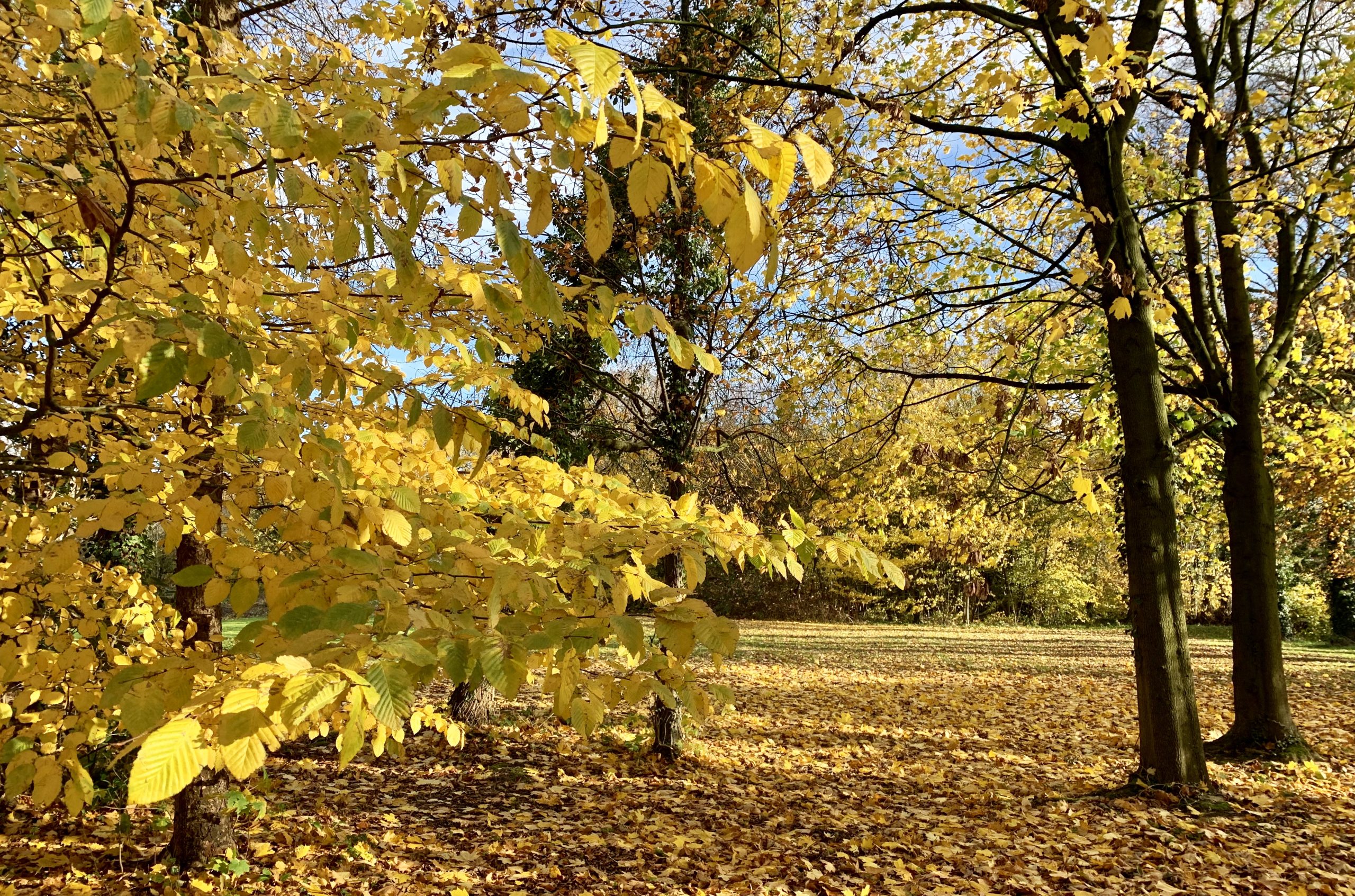
While we still enjoy autumn in the northern hemisphere, the world around us takes on magical colours and smells. Autumn invites us to slow down, reflect and reconnect. Nature is a vital part of our health and longevity as can be seen among several cultures across the world. The Danish as example, have come out tops for longevity and we can learn a lot from them about how they celebrate the healing power of nature, especially as the seasons turn.

The Danish Way: Hygge and Friluftsliv

In Denmark, as temperatures drop and days grow shorter, people don’t retreat indoors entirely – they embrace the change. The Danish concept of friluftsliv (literally “open-air life”) encourages spending time outdoors year-round, finding joy in simplicity and fresh air. Whether it’s cycling to work through crisp morning fog, gathering for bonfire evenings, or walking in golden forests, the Danes know that regular contact with nature nurtures both body and soul.

Combined with hygge, the art of cozy connection, the Danes strike a beautiful balance – venturing out to breathe in the cool autumn air, then returning home to warmth, candlelight, and good company. This rhythm between outer and inner worlds creates resilience, happiness and a deep sense of belonging.

The Japanese Approach: Shinrin-Yoku and Wabi-sabi

The Japanese also have a nature-centred way of living that supports longevity, for example shinrin-yoku, or forest bathing. This mindful practice invites people to immerse themselves in the forest atmosphere, to walk slowly, breathe deeply and engage the senses fully.

Science backs what tradition has long known: spending time in nature reduces stress hormones, lowers blood pressure, strengthens immunity, and improves mental clarity.

Autumn, in Japan, is particularly special – a time of momijigari, or “red leaf viewing.” Families and friends travel to admire the fiery beauty of changing leaves, celebrating wabi-sabi, the appreciation of impermanence and the natural cycle of life. This seasonal mindfulness helps cultivate gratitude and peace – qualities that profoundly support longevity.

Why Autumn Is the Perfect Time to Reconnect

Autumn’s quieter energy invites reflection and renewal. It’s a season that mirrors midlife – rich, colorful, yet fleeting. Getting outside during these months isn’t just about exercise; it’s about syncing with the natural rhythm of letting go and preparing for rest.

Spending time in nature during autumn can:

  • Support immune health as the seasons shift
  • Improve sleep and mood through exposure to natural light
  • Encourage mindfulness through sensory experiences — the crunch of leaves, the smell of wood smoke, the feeling of cool air
  • Foster community through shared outdoor rituals

Simple Ways to Bring Nature Into Your Autumn Routine

  1. Take mindful walks – leave your phone behind and notice textures, colors, and scents.
  2. Gather around firelight – whether it’s candles, a fire pit, or a wood stove, invite others to share warmth and conversation.
  3. Bring the outdoors in – decorate with autumn leaves, branches, or pinecones; open windows for fresh air.
  4. Practice gratitude – reflect on what you’re ready to release, just as the trees let go of their leaves.
  5. Try a “mini forest bath” – spend 15 minutes in your local park, breathing deeply and observing without judgment.

Autumn is a special time to slow down, breathe and find beauty in change. So, maximise the season, wrap up, step outside and let nature remind you that life, like the turning leaves, is always renewing itself.

Food

Growing Calm


How Planting and Harvesting Herbs Can Support Your Wellbeing

In a fast-paced world, there’s something quietly transformative about tending to a garden—especially when the plants you grow offer both flavour and healing. Herbs are among the easiest and most rewarding plants to cultivate, whether you have a sprawling garden or a sunny windowsill. Herbs deserve a special spot in your space and your wellness routine.

Herbs like oregano, thyme and marjoram come back every year and is therefore fairly effortless and very rewarding to have in the garden. 

Simple Joys of Growing Herbs

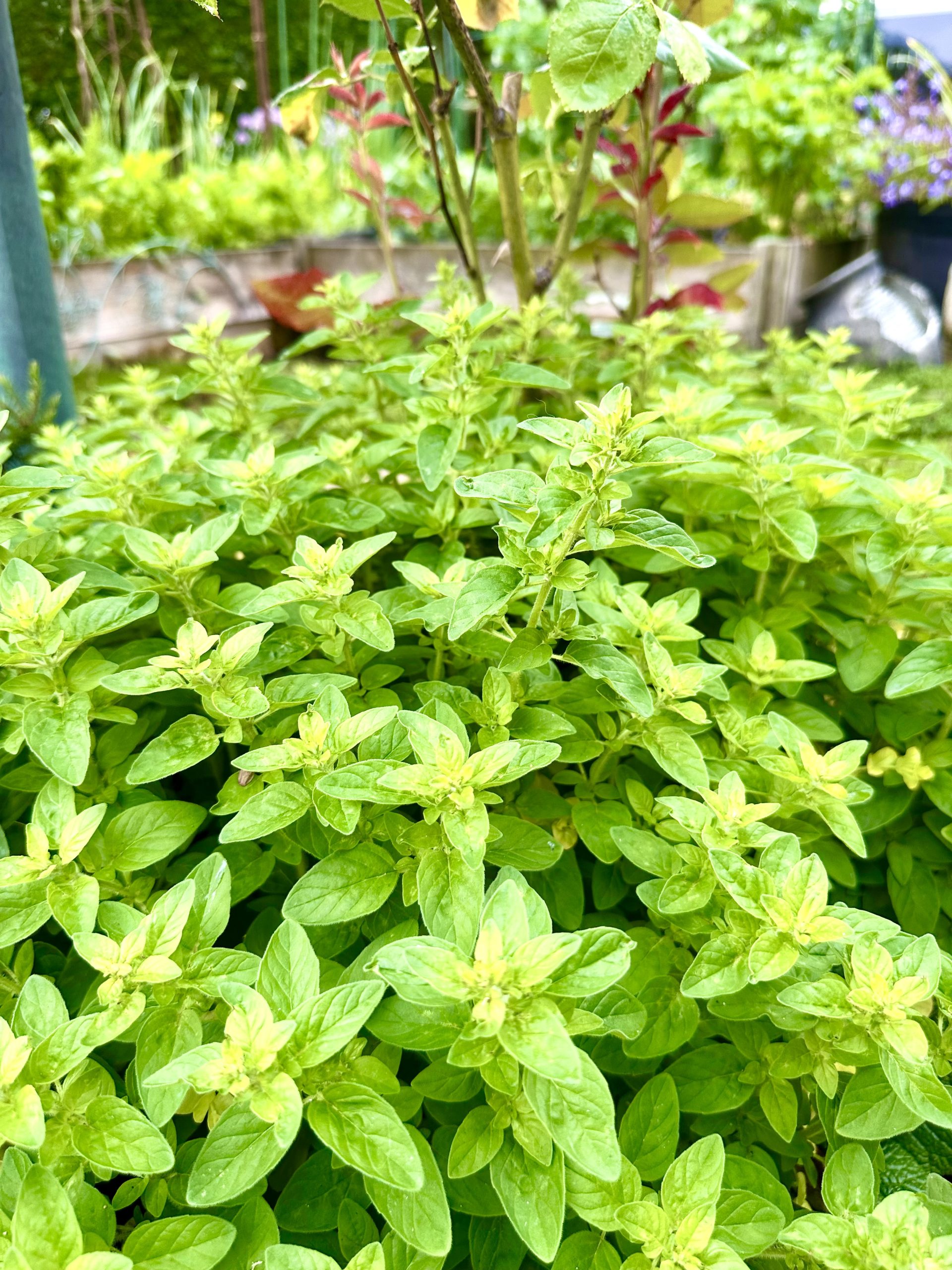
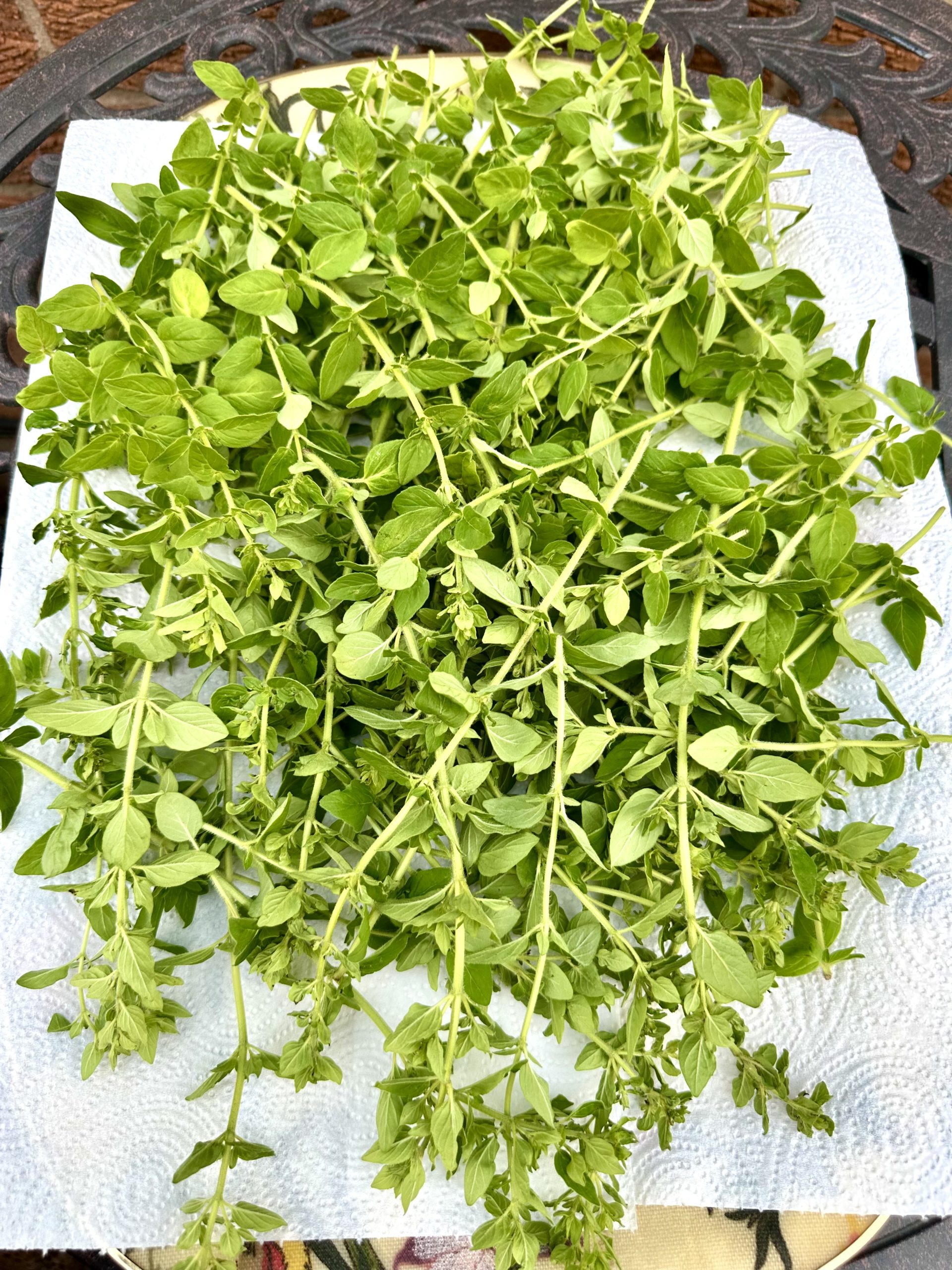
Today I harvested a handful of marjoram to dry for the store cupboard. Often overshadowed by its close relative oregano, marjoram is a tender, aromatic herb known for its sweet, slightly floral flavour. You can use marjoram fresh in salads, soups, roasted vegetables, pasta dishes or herbal teas. To preserve it for later use, dry the leaves in a warm, shaded spot and store them in an airtight jar.

Beyond its culinary uses, marjoram has been cherished for centuries for its medicinal properties.

According to herbal tradition and supported by modern research, marjoram offers several health benefits:

  • Anti-inflammatory and antioxidant properties, which may help combat oxidative stress.
  • Digestive support, easing bloating and promoting gut health.
  • Calming effects on the nervous system, making it a natural ally for stress, anxiety, and even insomnia.
  • Antimicrobial properties, supporting immune health.

Some herbalists even refer to marjoram as “the herb of happiness,” given its soothing effects on both body and mind.

One of the best things about growing herbs such as marjoram, oregano, thyme and rosemary, is how easy they are to grow. Whether you’re new to gardening or a seasoned green thumb, these are low-maintenance plants that thrive in most sunny environments.

Tending to Wellness, One Herb at a Time

Growing herbs is more than just cultivating a plant – it’s an invitation to slow down and connect with nature. The act of planting, nurturing, and harvesting your own herbs offers emotional and psychological benefits too. Gardening has been shown to reduce stress, improve mood, and provide a sense of purpose—making it a form of nature-based self-care.

So, if you’re looking for a simple, meaningful way to support your well-being, start with these magical, flavoursome, health-boosting herbs.

Growing Marjoram
Naturally drying herbs
Health

Nature Is Medicine


The Mental Health Benefits of Time Outdoors

In our hyperconnected world, many of us are spending more time in front of screens than under the sky. Most people go online daily, and a growing number of people are online most of the day. Yet as our lives grow more digital and urbanised, science is showing that the natural world may hold some of the most powerful tools for supporting our mental health.

Research increasingly affirms what many intuitively feel; spending time in nature is good for the mind. Whether you’re strolling through a park, hiking a trail, or sitting by the ocean, time in green and blue spaces is linked to lower stress, improved mood, sharper cognition, and greater overall emotional well-being.

The Cognitive and Emotional Power of Nature

Nature doesn’t just soothe our minds—it sharpens them. Studies show that exposure to green spaces improves attention, working memory, and cognitive flexibility. In contrast, urban environments can deplete our focus and increase stress. Even brief contact with natural elements—such as a 40-second glance at a green rooftop—can enhance performance on mentally fatiguing tasks.

The benefits go beyond brainpower. Being in nature has been associated with reduced symptoms of anxiety, depression, and even a lower lifetime risk of psychiatric disorders. Time outdoors can increase happiness, foster social connections, and give us a greater sense of meaning and purpose. Studies have shown that contact with nature is associated with an increase in happiness, subjective well-being, positive affect, positive social interactions, and a sense of meaning and purpose in life, as well as decreases in mental distress.

Connection Matters

Interestingly, it’s not just the amount of time spent in nature that matters—how connected we feel to nature also plays a big role. People with a strong sense of nature connectedness report higher levels of well-being, even when they’re not physically outdoors. This suggests that fostering an internal relationship with the natural world can be just as important as the external exposure.

Green and Blue Spaces for All

Both green spaces (parks, forests) and blue spaces (lakes, rivers, oceans) provide these mental health benefits, with some research suggesting that blue spaces may be even more restorative. While remote, biodiverse settings can amplify these effects, urban nature—trees, gardens, and local parks—also provide powerful boosts to mood and attention.

The Healing Power of Nature 

Spending time in nature doesn’t just help us feel better—it may help us be better. Exposure to nature has been linked to increased empathy, cooperation, and prosocial behaviour. In a world that often feels divided and disconnected, reconnecting with the natural world may be one of the most effective ways to restore not only individual well-being but also collective compassion and care.

So whenever you’re feeling overwhelmed, anxious, or burnt out, step outside – even if it’s just a walk around the block or a few minutes under a tree. Nature is more than a backdrop – it’s a balm, a teacher, and a powerful source of psychological healing.

Aim for at least two hours of recreational time in nature each week to gain the full mental health benefits, whether it’s all at once or spread throughout your days.

Let your next reset be under open skies.

Food

Nature and Food on Prescription

Growing Your Way to Better Mental and Physical Health

Warm salad with pan fried asparagus

Springtime is a great time to maximise the power of nature and natural nutrition to support your mental and physical wellbeing. Increasingly, doctors and therapists are turning to “green prescriptions” — encouraging time in nature as a tool for recovery – alongside a growing recognition that what we eat directly influences our mood and vitality. Making the most of fresh green spring produce while they’re at their peak, including asparagus, rhubarb, spinach and peas, can be a real investment in your health. Fresh, seasonal foods can be easily grown in the garden, pots, baskets and window sills. Spring brings a bounty of colourful, nutrient-rich greens that not only nourish the body but also support mental health, digestion, and energy levels. Here are a few spring stars you can grow and enjoy right now:

Asparagus
Rich in prebiotic fibre, asparagus feeds your healthy gut bacteria, supporting both digestive and mental health. It’s also rich in vitamins C and E, packed with folate, vital for energy and mood, and anti-inflammatory compounds that protect your cells. Asparagus crowns are easy to plant and will reward you year after year. This year, we’re harvesting our first asparagus spears at the allotment. Asparagus season runs from April to June and it’s great to enjoy while in season. We like panfrying asparagus and enjoy it in a mixed warm salad.

Spinach
A fast-growing spring green, spinach is a powerhouse of iron, vitamin K, and plant compounds that support eye health and immunity. Its high nitrate content can help lower blood pressure, boosting cardiovascular and brain health. We enjoy planting perpetual spinach and a few leaves in Spring can be a great addition to omelettes.

Peas
Nothing tastes quite like fresh garden peas and they’re not just delicious. They’re are a real garden favourite that can be grown easily in small spaces and can even thrive in pots. Peas are full of fibre, and blood-sugar balancing nutrients like magnesium and potassium. They’re one of the best plant-based sources of protein and a good source of iron, which is required for red blood cell production.

Broad Beans
Broad beans are rich in plant-based protein and magnesium, supporting heart health and sustained energy levels. They’re packed with plant-based protein, which increases feelings of fullness. Due to their high fibre content, they may help lower cholesterol and contribute to good digestion. Their cheerful green pods are easy to grow and bring a rewarding harvest by early summer.

Lettuce
Simple to sow and quick to harvest, lettuce varieties like Little Gem and romaine offer hydration, vitamin A for eye health, and vitamin K for strong bones. Growing your own means you’ll always have crisp, fresh leaves on hand. We love the pick and regrow variety that keeps yielding throughout the season.
Purple Sprouting Broccoli. Bursting with antioxidants, fibre, and vitamin C, this vibrant brassica supports heart health and a resilient immune system. It’s a little slower to grow but well worth the wait.

Spring onions
Spring onions are available all year round, but are at their best in spring and early summer. Like regular onions, they contain plenty of fibre, so they contribute to good gut health and help lower cholesterol. It’s a sheer joy to cut a few sprigs of spring onion chives from the garden to flavour dishes and garnish salads.

Rhubarb
While technically a vegetable, rhubarb is a tangy spring treat rich in vitamin K and anthocyanins, supporting heart health and digestion. Its bold pink stalks add colour to the garden and comes back every year. There are plenty of ways to enjoy rhubarb – in crumble and also for breakfast with yogurt.
By growing and eating these spring foods, we connect more deeply to the earth’s natural cycles – a connection that research shows is profoundly healing for both mind and body. Gardening itself provides its own therapy: soil contains mood-boosting microbes, and tending plants can reduce stress, anxiety, and even symptoms of depression.

This spring, why not combine your daily dose of nature with a plateful of health and let the earth and its bounty nourish your health.

Omelette with spinach and spring onions