Health

Mindful Nature Connection in Spring


The Season of Renewal, Mindfulness, and Wellness

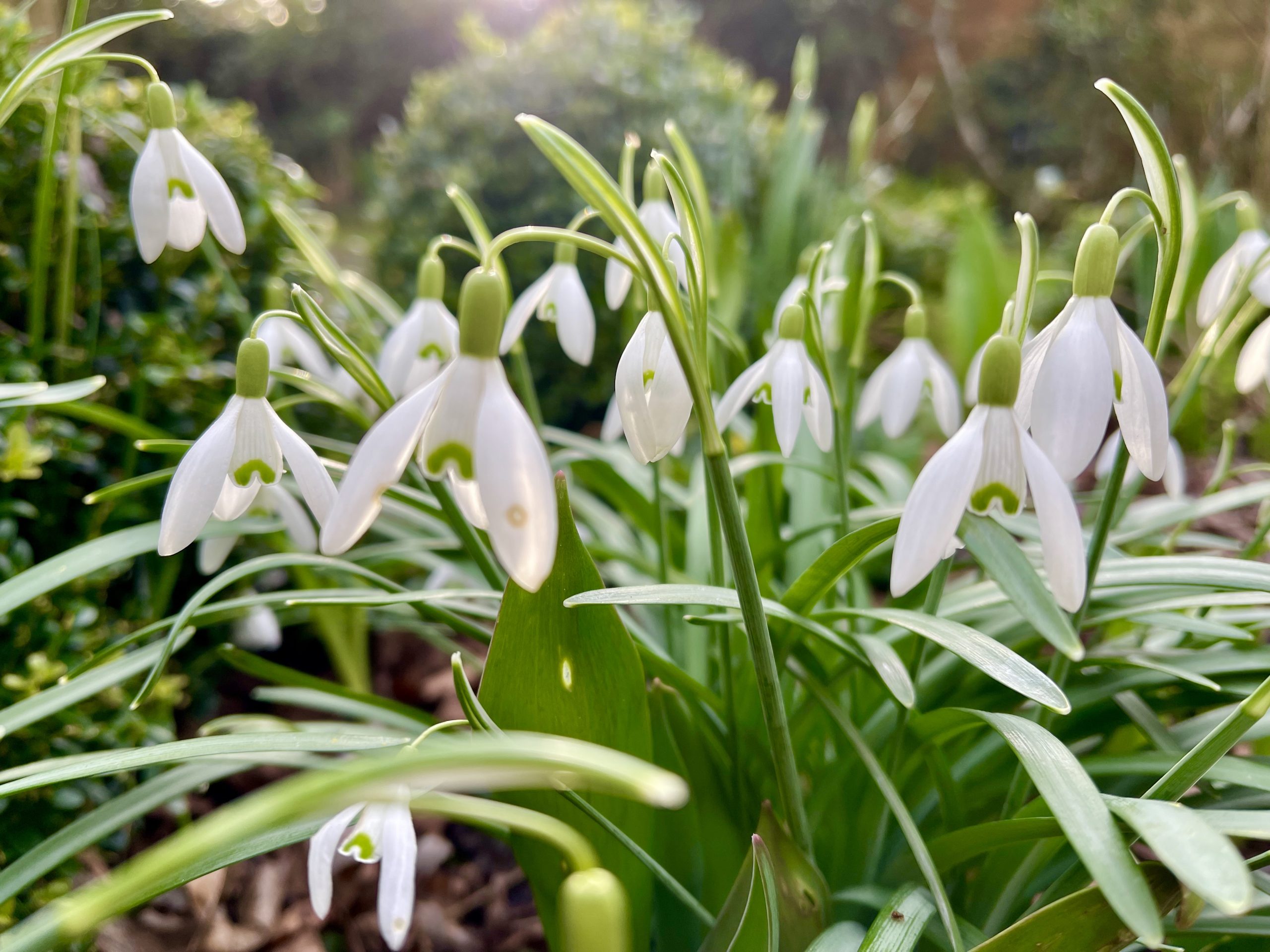
As the days grow longer and the air carries the fresh scent of blooming flowers, spring emerges as a season of renewal and vitality. Nature awakens from its winter slumber, and with it comes an invitation to embrace the energy of new growth—not just in the natural world, but within ourselves.

Spring is a powerful time to reconnect with nature and practice mindfulness, allowing us to align with the rhythm of the season and cultivate a sense of well-being. The fresh greenery, delicate blossoms, and the joyful chorus of birdsong remind us to slow down, breathe deeply, and appreciate the present moment.

The Vitality of Spring: A Natural Energy Boost

Spring is synonymous with new life—buds burst open, trees unfurl their fresh green leaves, and the earth hums with energy. This transformation in nature can be deeply inspiring, encouraging us to shed the heaviness of winter and embrace new possibilities. Taking time to observe the changes around us, whether it’s the first cherry blossoms or the return of migrating birds, helps us cultivate awareness and gratitude for the beauty of the world.

Spending time outdoors in spring can invigorate both body and mind. Sunlight provides a natural boost of vitamin D, improving mood and energy levels. The scent of fresh flowers, the feel of warm breezes, and the sound of rustling leaves all contribute to a heightened sensory experience, drawing us into a deeper connection with the world around us.

Mindfulness in Bloom: Being Present with Nature

Springtime offers countless opportunities to engage in mindfulness practices. Here are a few simple ways to cultivate awareness and wellness during this season:

1. Take a Nature Walk: Strolling through a park, forest, or garden, focus on the sights, sounds, and scents. Notice the colours of the flowers, the buzzing of bees, the warmth of the sun on your skin. Walking mindfully can help clear the mind and reduce stress.

2. Practice Grounding: Stand barefoot on fresh grass or soft earth. Feel the connection between your body and the ground, allowing yourself to be fully present in the moment. This simple practice can help bring a sense of stability and calm.

3. Listen to Birdsong: The melodies of birds in spring are a natural form of sound therapy. Close your eyes and listen to their joyful calls, letting the sound wash over you like a meditation.

4. Observe New Growth: Take time to notice how nature changes each day—tiny leaves unfurling, blossoms appearing, or the first butterflies flitting about. This practice of observation fosters patience and appreciation for slow, steady transformation.

5. Garden or Plant Something New: Tending to plants, even if it’s just a small pot of herbs, is a grounding activity that strengthens our connection to nature’s cycles. Planting seeds and watching them grow mirrors our own personal growth and renewal.

A Season of Personal Growth and New Beginnings

Spring is not just a season of external change but also an opportunity for inner renewal. Just as nature sheds the old to make way for the new, we, too, can use this time to let go of what no longer serves us—whether it’s limiting beliefs, stress, or habits that hold us back.

Spring’s energy encourages us to take action on our intentions, embrace fresh opportunities, and step forward with optimism. It’s a time to nourish our bodies with seasonal foods, move more, and embrace creativity and spontaneity. By aligning with the rhythm of the season, we can cultivate a sense of wellness that carries us into the months ahead.

As you step into spring, take a moment to pause and immerse yourself in the beauty of the season. Breathe in the fresh air, listen to the whisper of the wind through the trees, and allow yourself to be present in the here and now. Nature’s renewal is an invitation—embrace it with an open heart and let it guide you toward greater mindfulness, joy, and well-being.

What did participants in our research in Mindful Nature Connection and Mental Health reveal through their personal experiences? Read more here.

Health

What to Eat to Invest in Your Health


We all want to be healthy, strong, vibrant, and free from chronic disease well into our seventies and beyond but apparently only one in ten of us achieves that. So what does it take to join the ranks of people who remain in good health at 70? A groundbreaking study published in Nature Medicine provides clear answers, showing that our diet choices in midlife can directly impact our health decades later.

The Key to Healthy Aging

The study tracked over 105,000 people aged 39 to 69 for three decades. It found that only 9.3% of participants reached 70 without developing a major chronic disease such as cancer, diabetes, stroke, or Parkinson’s. However, those who followed one of several science-backed eating patterns—such as the Mediterranean diet, the Alternative Healthy Eating Index (AHEI), or the MIND diet—had a significantly greater chance of aging healthily.

The study highlights one simple truth: there is no magic pill for longevity—only consistent, healthy eating habits. Here’s what you need to eat, and avoid, to invest in your long-term health:

What to Eat for Longevity and Health

1. Prioritise Fruits and Vegetables

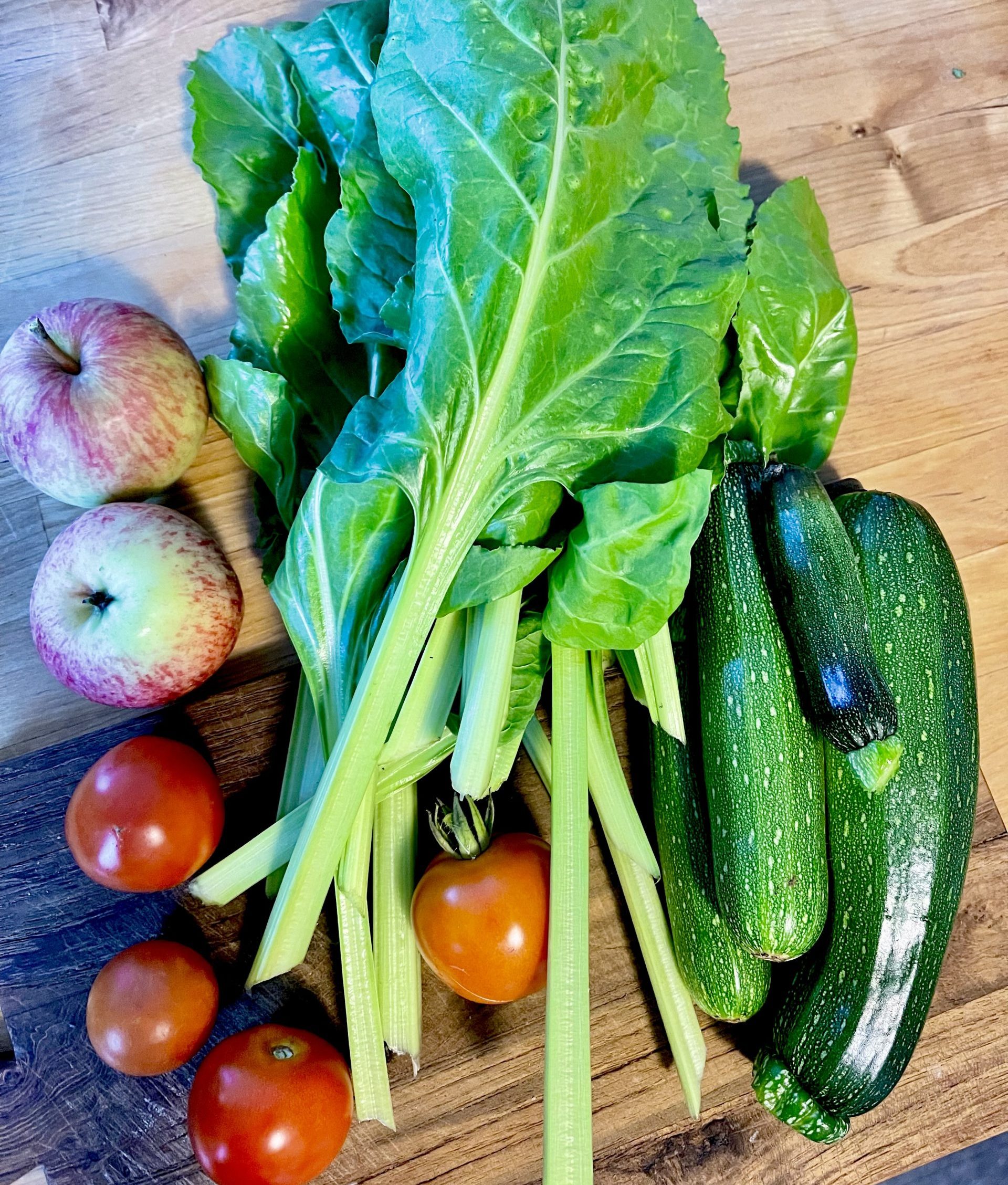
Aim for at least five servings of vegetables daily, with a focus on leafy greens (such as spinach and kale) and a variety of colourful produce. Consume four servings of fruit per day, emphasising berries, apples, and pears for their high antioxidant content. Minimise fruit juice, which lacks fibre and can spike blood sugar levels.

2. Eat Whole Grains Daily

Strive for five to six servings of whole grains each day. Options include oats, quinoa, brown rice, buckwheat, barley, and ancient grains like freekeh. These grains provide fibre, B vitamins, and antioxidants that support heart health and lower inflammation.

3. Incorporate Healthy Fats

Use at least one tablespoon of olive oil daily—a key component of longevity-focused diets. Replace butter and saturated fats with plant-based oils like olive, avocado, and flaxseed oil. Studies show that swapping butter for plant-based oils can reduce the risk of early death by 17%.

4. Eat More Legumes and Pulses

Aim for two to three servings of beans, lentils, and chickpeas weekly. These protein-packed foods reduce the risk of colon cancer and cardiovascular disease. Even just one serving per week provides major health benefits.

5. Consume Fatty Fish Weekly

Eat at least one serving of fish per week, ideally an oily fish like salmon, sardines, or mackerel. These are rich in omega-3 fatty acids, which support brain health, reduce inflammation, and protect against heart disease. For vegetarians, walnuts and pumpkin seeds provide plant-based omega-3s.

What to Avoid for Healthy Aging

1. Cut Down on Ultra-Processed Foods (UPFs)

Diets high in UPFs (such as processed snacks, sugary drinks, and ready meals) lowered participants’ chance of healthy aging by 32%. These foods contain excess sugar, salt, and unhealthy fats, leading to higher risks of diabetes, heart disease, and cancer. Instead, choose whole, nutrient-dense foods with minimal processing.

2. Reduce Processed Meats

Processed meats like bacon, sausages, and deli meats have been linked to bowel cancer. The NHS recommends limiting or eliminating processed meats for long-term health. Opt for lean animal protein sources like poultry, fish, or plant-based alternatives.

The message from this study is clear: good nutrition is the most powerful tool we have for healthy aging. Rather than focusing on trends, fad diets, or miracle superfoods, the key is a balanced diet rich in whole, natural foods.

Your future self will thank you for the choices you make today! Invest in your health now, and enjoy a vibrant, disease-free life for decades to come.

Health

Spring Renewal

Supporting Your Body’s Natural Detox with Leafy Greens
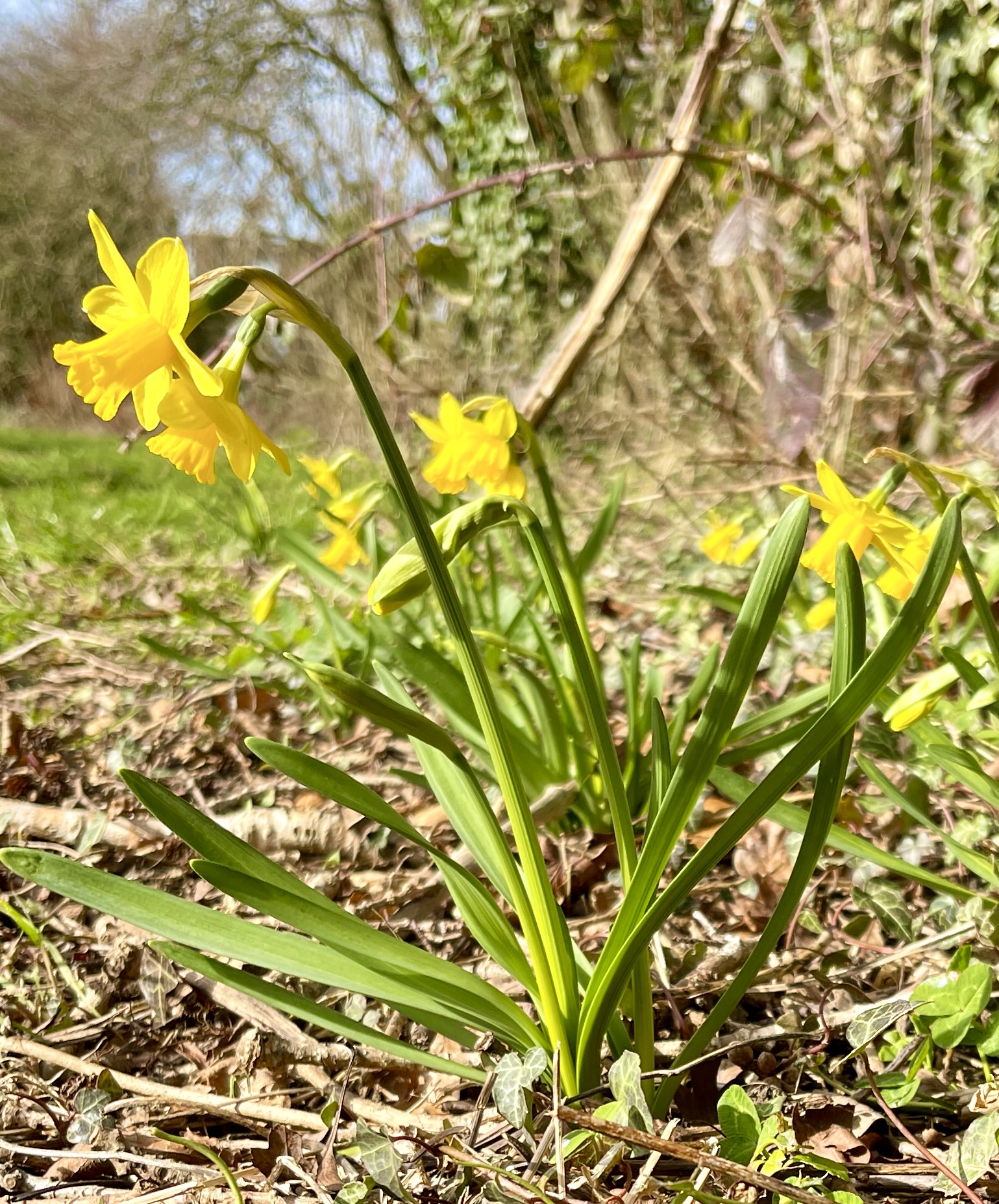
As early spring unfolds, our bodies instinctively begin a process of renewal. Just as nature transitions, shedding the heaviness of winter, our systems also undergo a shift—releasing accumulated toxins and awakening our immune defenses. This natural detoxification process is essential for maintaining overall well-being, and the foods we eat can either support or hinder this transition.

Spring and the Body’s Natural Detox

In Traditional Chinese Medicine and holistic health practices, spring is considered the season of the liver—the body’s primary detoxification organ. During this time, the body works to clear out stagnation, support digestion, and prepare for increased energy levels. Symptoms like mild fatigue, headaches, sluggish digestion, or skin breakouts may be signs that your body is releasing stored toxins from winter.

One of the best ways to support this process is through food. “Food on prescription” is an emerging concept that highlights the healing power of nutrition, and early spring offers an abundance of nutrient-rich greens that can help cleanse the body and boost immunity.

Leafy Greens: The Ultimate Spring Cleanse

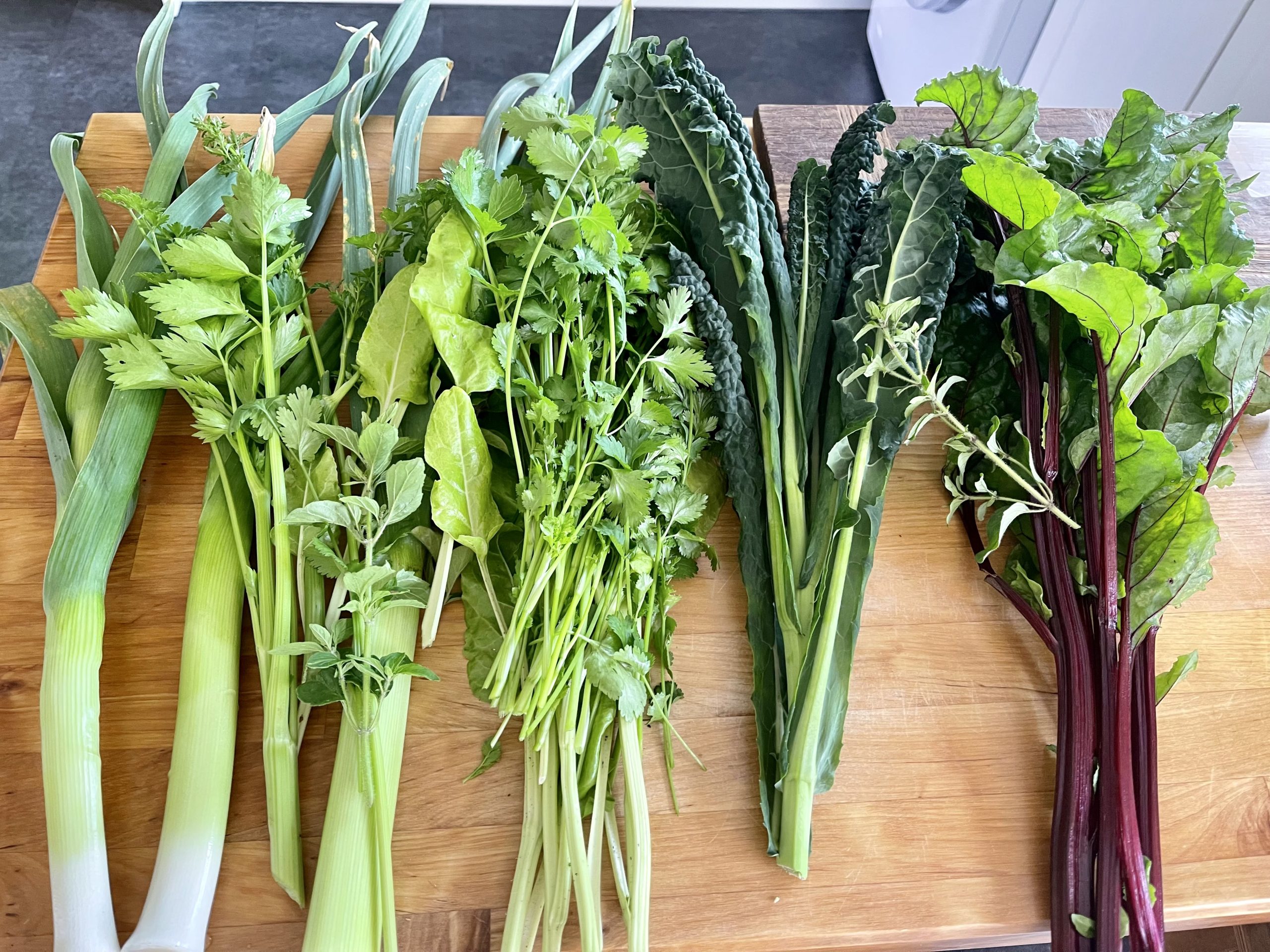
Leafy greens are nature’s detoxifiers. Packed with chlorophyll, antioxidants, fiber, and essential vitamins, they help the liver process toxins more efficiently while also providing key nutrients for immune function. Some of the best greens to incorporate this season include:

  • Dandelion Greens – Known for their liver-supporting properties, dandelion greens help flush out toxins and aid digestion.
  • Spinach & Kale – Rich in iron, folate, and vitamin C, these greens boost energy and support cellular repair.
  • Watercress – A powerhouse of antioxidants, watercress supports circulation and reduces inflammation.
  • Swiss Chard – High in magnesium and potassium, chard helps regulate hydration and supports kidney function.

How to Incorporate Leafy Greens into Your Diet

To maximize the benefits, aim to eat a variety of leafy greens daily. Here are some simple ways to incorporate them:

  • Morning Green Smoothie: Blend spinach, kale, cucumber, lemon, and ginger for a refreshing detox drink.
  • Spring Salads: Mix arugula, watercress, and dandelion greens with fruits and nuts for a revitalising meal.
  • Healing Soups: Add Swiss chard or kale to a light vegetable broth with garlic and turmeric for an immune-boosting soup.
  • Sauteed Greens: Lightly sauté spinach or dandelion greens with olive oil, garlic, and a pinch of sea salt for a simple yet nutritious side dish.

The Connection Between Detox & Immunity

A cleaner, well-supported liver leads to a stronger immune system. As toxins are eliminated more effectively, inflammation decreases, digestion improves, and energy levels rise. By embracing the foods that nature provides in early spring, we align our bodies with the rhythms of the season, promoting long-term wellness and vitality. You’ll not only support detoxification but also strengthen your immune system, leaving you feeling lighter, clearer, and more energised for the season ahead.

Nature

Nature on Prescription

A Springtime Boost for Wellbeing

During the long winter months, we may have been predominantly indoors for way too long. As Spring awakens, so too can our sense of renewal and wellbeing. The trees are bursting into blossom, vibrant bulbs are pushing through the earth, bees are emerging and birds are filling the air with song. It’s a season of fresh new energy, inviting us to step outside, breathe deeply, and reconnect with the natural world. More than just a pleasant experience, immersing ourselves in nature is a proven way to support mental health – so much so that some healthcare professionals are now prescribing time outdoors as a form of therapy.

The Science Behind Nature’s Healing Power

Studies have shown that spending time in nature can reduce stress, lower blood pressure, and improve mood. Exposure to green spaces has been linked to decreased levels of cortisol, the stress hormone, and an increase in serotonin, the neurotransmitter associated with happiness. Natural light helps regulate our circadian rhythm, promoting better sleep, while fresh air and physical movement boost overall energy levels. Even a short walk in a park or sitting under a tree can provide a mental reset, helping to clear the mind and reduce anxious thoughts.

Mindfulness in Nature: Engaging the Senses

Spring offers a perfect opportunity to practice mindfulness by tuning into nature’s sights, sounds, and sensations. Instead of rushing through a walk or letting your mind wander to daily worries, take a moment to slow down and engage your senses:

  • See: Notice the colors around you—the delicate pink and white blossoms, the bright green leaves, the golden glow of the sun filtering through branches.
  • Hear: Listen to the birds chirping, the rustling of leaves in the breeze, the distant hum of bees at work.
  • Smell: Breathe in the fresh scent of earth, flowers, and rain-soaked grass.
  • Feel: Pay attention to the warmth of the sun on your skin, the coolness of the breeze, the texture of tree bark or petals.
  • Taste: If you have the opportunity, try a seasonal fruit or herbs, such as fresh mint or wild strawberries, connecting you even more deeply to nature’s cycles.

The Healing Power of Birdsong: Nature’s Melodies for Mental Wellbeing

As Spring unfolds, the air fills with the harmonious sounds of birdsong—a natural symphony that does more than please the ear. Research indicates that listening to bird sounds can have significant therapeutic effects on our mental health. Exposure to birdsong has been linked to stress reduction, mood enhancement, and improved cognitive function. 

Incorporating these natural melodies into our daily lives, especially during mindful outdoor activities, can serve as a powerful tool for promoting mental wellbeing. So, as you step outside this spring, take a moment to mindfully listen to the birds—their songs might be just what you need to uplift your spirits and calm your mind.

A Prescription for Balance and Renewal

With modern life pulling us toward screens, schedules, and stress, nature offers a natural antidote—a space for calm, reflection, and grounding. This Spring, consider making time in nature part of your routine. Whether it’s a morning walk, an afternoon spent gardening, or simply sitting outside with a cup of tea, each moment spent in nature nourishes the mind and soul.

So step outside, take a breath, and let the energy of Spring inspire in you new beginnings, growth, and the simple joy of being present in the natural world.

Health

How Nature Can Lift Your Mood 


Enjoying Nature in the Colder Months

Winter, with its long nights, damp days, and fleeting sunlight, can be challenging for many, impacting mood, energy and overall mental health. But what if the very thing that feels like a challenge—venturing outdoors—could be the key to feeling better?

The Science of Light and Movement

Seasonal changes can disrupt our levels of serotonin and melatonin, two hormones crucial for mood and sleep. Exposure to natural light—even on overcast days—helps regulate these levels, improving both mental clarity and emotional well-being. Physical activity, especially when immersed in nature, further boosts these effects. Whether it’s a brisk walk, a cycling trip, or a moment of stillness beside water, time outdoors has been shown to lower stress, enhance immunity, and foster a sense of calm.

Lessons from Lapland and Japan

Helen Moat, author of While the Earth Holds its Breath, explored the power of nature during her personal journey to combat winter anxiety. From the snowbound landscapes of Lapland to the ancient forests of Japan and the rugged beauty of Britain, her experiences reveal how nature itself offers a powerful antidote to the winter blues.

The author found inspiration in two regions where Seasonal Affective Disorder (SAD) is practically unknown. In Lapland, where the sun barely rises in winter, locals remain deeply connected to the outdoors. They cycle, ski, and fish, embracing the dim, snowy landscapes that reflect even the faintest light. Similarly, in Japan, the concept of shinrin yoku (forest bathing) highlights the restorative power of unhurried time in the woods. Japanese culture reveres winter, seeing it as a season of reflection and balance, rather than a period to endure.

Bringing the Lessons Home

You don’t need to travel far to experience the benefits of nature. Even a walk in a local park can awaken your senses. The crunch of leaves, the scent of pine, and the vastness of a starlit sky can be invigorating. Rainy days, too, hold their own magic, offering solitude and stillness in a bustling world.

Whether it’s exploring coastal paths, wandering through woodlands, or simply stepping outside to marvel at the frost-covered ground, winter invites us to slow down and reconnect. The darker months also remind us of the cyclical nature of life – just as trees lie dormant in winter to conserve energy, we too can use this season to reflect and recharge.

Rediscovering Joy

Nature’s rhythms teach us to embrace transition and impermanence. By stepping out into the cold and dark, we not only combat lethargy but also heighten our appreciation for spring’s returning light and warmth.

Whether you find yourself by the sea, in a forest, or simply under a winter sky, remember that nature holds the answers to boosting your health and lifting your mood, no matter how dark or cold it may feel.

For more insights, explore Helen Moat’s book, While the Earth Holds its Breath, now available in paperback.

Food

The Surprising Defence Against Flu


When it’s flu season, many of us prepare by stocking up on vitamin C. But what if the secret to a stronger immune system was in your daily diet? According to groundbreaking research, dietary fibre could be the one a powerful ally in shielding your body from influenza and other viral infections.

Fibre and the Immune System: A Gut Connection

We’ve long known that fibre is essential for digestive health, but scientists are now uncovering its broader impact on immunity. When natural fibre from vegetables, legumes, fruits, and grains enters the gut, it undergoes fermentation by probiotic bacteria. This process produces short-chain fatty acids (SCFAs)—powerful compounds that don’t just stay in the gut but travel throughout the body, boosting the immune system in remarkable ways.

How SCFAs Fight Viruses

SCFAs, particularly acetate, propionate, and butyrate, are produced in the colon when fermentable fibre is digested by beneficial gut bacteria. Once in circulation, these SCFAs bolster the immune system in several key ways:

  • SCFAs boost the metabolism of T-cells, the immune cells responsible for fighting off infections.
  • They help balance the body’s inflammatory response, reducing excessive inflammation triggered by viruses like influenza.
  • SCFAs have shown the ability to prevent viruses from entering cells and replicating.
  • SCFAs strengthens the immune system’s response.

Fibre and Flu

The researchers discovered that patients with influenza often have a deficiency in SCFA-producing gut bacteria. By increasing your intake of fermentable fibre, you can support the growth of these beneficial bacteria and enhance your body’s ability to resist the flu.

In studies, higher SCFA levels were linked to reduced severity of influenza infections. SCFAs significantly lowered the viral load in the lungs, helping minimise symptoms and complications.

The Best Sources of Fermentable Fibre

To boost your SCFA production and strengthen your immune system, focus on incorporating natural, fibre-rich foods into your diet. Synthetic fibre supplements, researchers warn, do not offer the same benefits. Some of the best sources of fermentable fibre include:

  • Fruits: Apples, bananas, and berries
  • Vegetables: Onions, leeks, and leafy greens
  • Legumes: Lentils, chickpeas, and black beans
  • Grains: Oats, barley, and whole wheat
  • Nuts and Seeds: Almonds, chia seeds, and flaxseeds

How Much Fibre Do You Need?

General dietary guidelines suggest:

  • Men: 30–38 grams per day
  • Women: 21–25 grams per day
  • Children: 19–25 grams per day

A Natural Booster for Flu Season

Increasing your fibre intake can act as a “booster” to help ward off infection or lessen symptoms if you do get sick. According to the research team, the SCFAs produced from dietary fibre not only enhance immunity but also reduce serious complications from viruses like influenza.

So, to stay healthy, consider adding more fibre-rich foods to your plate. Not only will you support your gut health, but you’ll also give your immune system the tools it needs to fight off viruses more effectively.

Fibre may not make you completely flu-proof, but it could mean the difference between a severe infection and mild symptoms. So, this winter, let your diet be your defence, because often, the simplest solutions are the most powerful.